Homes mobile homes offer a compelling alternative in today’s real estate landscape, blending affordability with surprising levels of customization and modern construction quality. This guide delves into the distinct advantages, diverse options, purchasing process, and evolving perception of manufactured housing, presenting a thorough overview for prospective homeowners and industry enthusiasts alike.
We will explore the financial benefits, lifestyle flexibility, construction advancements, and financing considerations that make manufactured homes a smart choice. Furthermore, we’ll break down the various types of homes available, discuss their design styles, the role of communities, and what to consider when placing a home on private land. The journey doesn’t stop there; we’ll guide you through the purchase, maintenance, and resale of these homes, while also examining their historical context, contribution to affordable housing, environmental impact, and the regulatory framework surrounding them.
Exploring the distinct advantages of manufactured housing in today’s real estate market.

In the dynamic landscape of real estate, manufactured housing presents a compelling alternative to traditional site-built homes, offering a unique blend of financial accessibility, lifestyle adaptability, and modern construction quality. As the market continues to evolve, understanding these distinct advantages is crucial for prospective homeowners seeking value, flexibility, and efficiency. Manufactured homes, often referred to as mobile homes or factory-built homes, are constructed in controlled factory environments, a process that fundamentally influences their cost, quality, and speed of delivery.
This approach allows for significant savings and innovative building techniques that are often not feasible in conventional construction.
Unique financial benefits of manufactured housing
The financial advantages associated with acquiring a manufactured home are substantial and directly address many of the hurdles faced by individuals looking to enter the real estate market. The most immediate and impactful benefit is the significantly lower initial cost. Due to economies of scale in factory production, streamlined construction processes, and reduced labor costs, manufactured homes typically cost considerably less per square foot than their site-built counterparts.
This affordability opens the door to homeownership for a broader segment of the population, including first-time buyers, retirees on fixed incomes, and those with more modest budgets. For instance, a new manufactured home can often be purchased for 30-50% less than a comparable new site-built home.While the concept of depreciation is often associated with vehicles, it’s important to clarify its nuanced application to manufactured housing.
Historically, some older manufactured homes, particularly those built before the stricter HUD code regulations, did experience depreciation. However, modern manufactured homes, built to the stringent standards of the U.S. Department of Housing and Urban Development (HUD) Code, are designed and constructed for longevity and durability. When placed on a permanent foundation and properly maintained, many of these homes can appreciate in value, similar to traditional homes, especially in desirable locations.
The key distinction lies in the quality of construction and the permanence of the structure.Furthermore, the potential for appreciation is increasingly recognized. As the demand for affordable housing grows, and as manufactured homes continue to improve in quality and design, their market value is becoming more stable and predictable. In many communities, particularly those with well-managed manufactured home parks or where homeowners own the land, manufactured homes can see significant appreciation, mirroring the trends in the broader real estate market.
This is further bolstered by the fact that many manufactured homes are now built with high-quality materials and energy-efficient features, which contribute to their long-term value and appeal.The financial landscape is further enhanced by the accessibility of financing options. While historically, financing for manufactured homes might have been more challenging, today there are a variety of specialized loan programs available, including FHA, VA, and conventional mortgages, specifically designed for manufactured housing.
These programs often offer competitive interest rates and terms, making the purchase even more attainable. When comparing the total cost of ownership, including property taxes and insurance, manufactured homes often present a more favorable long-term financial outlook due to their lower initial investment and potential for value retention or appreciation.
Lifestyle flexibility and customization options in manufactured housing
Beyond their financial appeal, manufactured homes offer a remarkable degree of lifestyle flexibility and customization, allowing individuals and families to create living spaces that precisely align with their unique needs and preferences. This adaptability is a cornerstone of their appeal, moving far beyond the perception of generic, one-size-fits-all dwellings. The factory-built nature of these homes enables a high degree of design control and personalization, from the initial layout to the final finishes.Prospective homeowners can select from a wide array of floor plans, ranging from cozy single-section homes ideal for individuals or couples to expansive multi-section homes that can accommodate large families or provide ample living and entertaining space.
Within these frameworks, customization options abound. Buyers can often choose the number of bedrooms and bathrooms, the size and configuration of living areas, and the placement of windows and doors to maximize natural light and views. This level of choice empowers individuals to design a home that truly suits their current lifestyle and anticipates future needs.The interior design possibilities are equally extensive.
Modern manufactured homes can be outfitted with a wide range of finishes, fixtures, and appliances comparable to those found in high-end site-built homes. This includes options for various flooring materials such as hardwood, laminate, or tile; a spectrum of countertop choices including granite, quartz, or solid surface; and a selection of cabinetry styles and colors. Buyers can personalize their kitchens with custom backsplashes, select energy-efficient appliances that match their cooking habits, and choose bathroom vanities and fixtures that reflect their aesthetic preferences.Furthermore, the customization extends to the exterior of the home and its integration with the surrounding property.
While the home itself is built in a factory, the process often includes options for exterior cladding, roofing materials, and even porch or deck additions. This allows the home to blend harmoniously with its environment, whether it’s situated in a manufactured home community, on private land, or within a more traditional neighborhood. The ability to select features that enhance energy efficiency, such as high-performance windows, superior insulation, and efficient HVAC systems, further contributes to the long-term comfort and cost savings associated with these homes.This tailored approach means that a manufactured home is not just a structure; it’s a personalized sanctuary.
Whether the priority is creating a dedicated home office, designing a spacious master suite with a spa-like bathroom, or incorporating features for accessibility, manufactured housing provides the framework and the flexibility to achieve these goals. This inherent adaptability makes them an attractive option for a diverse range of buyers, from young families seeking room to grow to active seniors downsizing and seeking a low-maintenance yet comfortable living environment.
Construction processes and technological advancements in modern manufactured homes
The quality, durability, and energy efficiency of modern manufactured homes are directly attributable to their sophisticated construction processes and the integration of cutting-edge technological advancements. Unlike traditional on-site construction, which is subject to weather delays and site-specific challenges, manufactured homes are built in controlled factory environments. This controlled setting allows for greater precision, consistent quality assurance, and the implementation of advanced building techniques that are often more difficult or costly to achieve in the field.The construction begins with a robust steel frame, which serves as the foundation for the entire structure.
This frame is engineered to be incredibly strong and durable, providing a stable base for the home and facilitating transportation. The walls, floors, and roofs are typically constructed as individual modules or panels using advanced framing techniques that optimize material usage and structural integrity. These components are assembled with precision, ensuring tight seals and reducing the potential for air and water infiltration.
Advanced adhesives and mechanical fasteners are used to create strong, lasting bonds between materials.Technological advancements play a crucial role in enhancing the energy efficiency of manufactured homes. Manufacturers are increasingly incorporating high-performance insulation materials, such as spray foam or rigid foam boards, into walls, floors, and ceilings. This superior insulation significantly reduces heat transfer, leading to lower energy bills for heating and cooling.
Furthermore, the use of energy-efficient windows and doors, often with double or triple-pane glazing and low-E coatings, further minimizes energy loss. Advanced HVAC systems, including high-efficiency furnaces and air conditioners, are often integrated into the design, contributing to overall energy conservation.Quality control is paramount in factory construction. Each stage of the building process is meticulously monitored and inspected by trained professionals.
This rigorous quality assurance system ensures that every home meets stringent industry standards and manufacturer specifications. Materials are inspected upon arrival at the factory, and throughout the assembly process, ensuring consistency and preventing defects. This systematic approach to quality control is a significant factor in the enhanced durability and longevity of modern manufactured homes.Moreover, manufacturers are embracing innovative building materials and techniques.
This can include the use of engineered wood products, which are stronger and more dimensionally stable than traditional lumber, and advanced roofing systems that offer enhanced weather resistance and longevity. The integration of smart home technology is also becoming more common, with options for smart thermostats, lighting controls, and security systems, further enhancing the comfort, convenience, and efficiency of these homes.
The precision engineering and advanced manufacturing processes ensure that modern manufactured homes are not only affordable but also built to last, offering a high level of comfort, durability, and environmental responsibility.
Comparative overview of financing and insurance for manufactured homes versus conventional houses
Navigating the financing and insurance landscapes for manufactured homes involves understanding some key differences and considerations when compared to conventional site-built houses. While the gap has narrowed significantly over the years, certain distinctions remain that prospective homeowners should be aware of.For financing, manufactured homes can generally be purchased using a variety of loan types. For homes that will be permanently affixed to land owned by the buyer, traditional mortgages, including conventional loans, FHA loans, and VA loans, are often available.
This is particularly true if the manufactured home is built to HUD code and installed on a permanent foundation. However, if the manufactured home is to be placed in a rental community (a “home-only” loan scenario), the financing options might be more limited. In such cases, chattel loans are often used. These are personal property loans, similar to car loans, and typically have higher interest rates and shorter repayment terms than mortgages.
It’s crucial to understand whether the home will be considered real property or personal property, as this significantly impacts financing eligibility and terms.
“The classification of a manufactured home as either real property or personal property is a critical determinant in securing favorable financing terms.”
Insurance for manufactured homes has also evolved. While comprehensive homeowners insurance is available, there can be specific requirements. For homes financed with a mortgage, lenders will mandate insurance coverage. This typically includes coverage for the structure against perils such as fire, wind, and hail. Depending on the location and the specific loan type, flood insurance may also be required.
Premiums for manufactured homes can sometimes be higher than for comparable site-built homes, depending on factors like age, location, and the presence of specific risk factors. However, the lower initial purchase price often offsets this difference in overall cost.When considering insurance for a manufactured home, it’s important to inquire about coverage specific to the unique construction of these homes. This might include ensuring adequate coverage for the roof system, skirting, and any factory-installed appliances.
Some policies may also offer replacement cost coverage, which helps ensure that the home can be rebuilt or replaced with a new manufactured home of similar kind and quality in the event of a total loss, rather than just paying out the depreciated value.
“Understanding the distinction between actual cash value (ACV) and replacement cost value (RCV) is vital when selecting an insurance policy for any home, including manufactured housing.”
In contrast, conventional houses typically have a well-established financing and insurance market. Mortgages are readily available, and insurance policies are standardized, offering broad coverage for most common risks. However, the higher initial cost of conventional homes means that mortgage payments and insurance premiums will generally be higher in absolute dollar amounts. The key takeaway is that while both types of housing require financing and insurance, manufactured homes may involve specific loan products and insurance considerations that require careful attention to ensure adequate protection and favorable financial terms.
Understanding the diverse range of options within the manufactured housing sector.: Homes Mobile Homes
The world of manufactured housing offers a surprisingly broad spectrum of choices, far beyond outdated stereotypes. Modern manufactured homes are built to exacting standards in controlled factory environments, allowing for incredible variety in size, style, and features. This diversity means that individuals and families can find a home that perfectly suits their needs, budget, and aesthetic preferences, whether they are looking for a compact starter home or a spacious family residence.
The innovation in this sector continues to expand possibilities, making manufactured housing a compelling option for a wide array of buyers.One of the most fundamental ways manufactured homes are categorized is by their size and construction, which directly impacts their living space and suitability for different household needs. These distinctions are crucial for understanding the capacity and potential of each type of home.
Manufactured Home Configurations: Single, Double, and Triple Sections, Homes mobile homes
The modular nature of manufactured homes allows them to be constructed in various sections, which are then transported to the site and joined together. This sectional approach provides flexibility in design and allows for homes of different sizes to be created. The classification into single, double, and triple sections is based on the number of transportable units that comprise the final dwelling.Single-section homes, often referred to as “mobile homes” in older terminology, are built on a single chassis and are transported as one complete unit.
These are typically the most affordable option and are well-suited for individuals, couples, or small families who require less living space. Their compact nature makes them ideal for smaller lots or as starter homes. They can offer efficient layouts with one to three bedrooms and a single bathroom, focusing on functionality and affordability.Double-section homes are constructed in two separate sections, which are then joined together on-site to form a larger, more spacious dwelling.
These homes offer significantly more living area than single-section models, typically featuring multiple bedrooms and bathrooms, larger kitchens, and separate living and dining areas. Double-section homes are a popular choice for families, offering a balance of affordability and comfortable living space. They can range from around 1,000 to over 2,000 square feet, providing ample room for comfortable living and entertaining.Triple-section homes, and sometimes even quadruple sections, represent the largest and most luxurious end of the manufactured housing spectrum.
Built in three or more transportable sections, these homes can rival or even exceed the size and features of many site-built homes. They often boast multiple master suites, spacious open-plan living areas, gourmet kitchens, and an abundance of storage. Triple-section homes are designed for larger families or those who desire extensive living space and high-end amenities, offering a premium housing solution that is still more cost-effective than comparable site-built constructions.The choice between single, double, and triple sections is largely dictated by the buyer’s space requirements, budget, and family size.
Each configuration provides a distinct level of comfort and functionality, ensuring that manufactured housing can meet a wide range of residential needs.
Evolving Design Styles and Architectural Features in Manufactured Housing
The aesthetic evolution of manufactured housing has been dramatic, moving far beyond the boxy, utilitarian designs of the past. Today’s manufactured homes incorporate a vast array of design styles and architectural features that can rival, and in some cases surpass, those found in traditional site-built homes. This progress is a testament to advancements in construction techniques, materials, and design innovation.One of the most significant trends is the adoption of diverse architectural styles.
Buyers can now find manufactured homes designed in styles such as:
- Modern Farmhouse: Characterized by clean lines, gabled roofs, large porches, and often a mix of siding materials, this style offers a charming and contemporary feel.
- Craftsman: Featuring exposed rafters, tapered columns, and natural materials like wood and stone accents, this style emphasizes detail and a connection to nature.
- Ranch Style: Known for its single-story living, low-pitched roofs, and open floor plans, this classic design remains popular for its practicality and accessibility.
- Contemporary/Modern: These designs often incorporate sleek lines, large windows, open-concept layouts, and innovative use of materials like metal and glass, offering a sophisticated urban aesthetic.
Beyond broad styles, manufactured homes now boast an impressive array of architectural features. Large, energy-efficient windows are common, flooding interiors with natural light and enhancing the connection to the outdoors. Vaulted ceilings, decorative beams, and recessed lighting create a sense of spaciousness and luxury. Exterior features can include a variety of high-quality siding materials such as vinyl, fiber cement, and even simulated stone or brick, offering durability and curb appeal.
Many models offer options for garages, carports, and attractive landscaping packages.Interior finishes have also seen a significant upgrade. Buyers can choose from a wide selection of cabinetry, countertops (including granite and quartz), flooring materials (hardwood, luxury vinyl plank, tile), and upgraded appliance packages. Smart home technology integration, energy-efficient HVAC systems, and advanced insulation are also becoming increasingly standard, enhancing comfort and reducing utility costs.
The ability to customize and select finishes allows homeowners to create a personalized living space that reflects their individual taste and lifestyle.The sophistication of design and the breadth of available features demonstrate that manufactured housing is no longer a compromise on style or quality, but a viable and often superior alternative to traditional construction for many discerning buyers.
The Role of Manufactured Housing Communities in Providing Stable Living Environments
Manufactured housing communities, often referred to as “mobile home parks” or “RV parks” in the past, have transformed into vibrant, well-managed neighborhoods that offer significant benefits beyond just housing. These communities are designed to foster a sense of belonging and provide residents with a stable, amenity-rich living environment that enhances overall quality of life. They represent a distinct and often highly desirable housing solution.A key advantage of manufactured housing communities is the provision of shared resources and amenities.
These can include:
- Clubhouses and Community Centers: These spaces often serve as hubs for social gatherings, events, and recreational activities, promoting interaction among residents.
- Swimming Pools and Fitness Centers: Many communities offer recreational facilities that residents can enjoy without the individual cost and maintenance associated with private ownership.
- Landscaped Common Areas: Well-maintained parks, walking trails, and picnic areas provide opportunities for outdoor enjoyment and relaxation.
- On-site Management and Maintenance: Professional management teams typically handle groundskeeping, common area maintenance, and often provide support services, relieving residents of these burdens.
- Security Features: Gated entrances and other security measures can contribute to a safe and secure living environment.
The social aspect of manufactured housing communities is also a significant draw. Living in close proximity with neighbors who share a similar lifestyle can foster strong social bonds and a sense of community. Organized events, shared activities, and informal interactions create opportunities for friendships to flourish. This is particularly appealing to retirees, young families, and individuals seeking a supportive and engaging living situation.Furthermore, these communities often provide a more affordable housing option compared to purchasing a home and land separately in many urban and suburban areas.
While residents typically pay a monthly lot rent, this fee covers the maintenance of common areas and access to amenities, often making the overall cost of living more manageable. The stability offered by a well-established community, coupled with the security of knowing the infrastructure and common areas are professionally managed, provides peace of mind for residents.The structured environment, combined with the array of amenities and the strong sense of community, makes manufactured housing communities an attractive and stable living option for a diverse range of individuals and families.
Key Considerations for Placing a Manufactured Home on Private Land
For those considering placing a manufactured home on their own private land, careful planning and adherence to specific regulations are paramount to ensure a successful and compliant installation. This process involves understanding local ordinances, preparing the site adequately, and establishing necessary utility connections. Each of these elements plays a critical role in the long-term viability and legality of the home.One of the most important initial steps is to thoroughly research and understand local zoning ordinances and building codes.
Zoning laws dictate where manufactured homes can be placed and may have specific requirements regarding the type of manufactured home permitted (e.g., requiring HUD-code homes built after a certain date), minimum square footage, and aesthetic standards. It is essential to confirm that manufactured housing is permitted in the desired location and to be aware of any restrictions that might apply.The foundation for a manufactured home is a critical component that ensures stability, durability, and compliance with building codes.
There are generally two primary types of foundations for manufactured homes placed on private land:
- Permanent Foundation: This typically involves poured concrete footings, stem walls, or a full basement or crawl space. This type of foundation is often required for financing purposes and by many local building codes, especially for homes intended to be permanently affixed to the land. It provides the highest level of stability and security.
- Skirting: While not a foundation in itself, skirting is the material used to enclose the area beneath the home, between the bottom of the home and the ground. It can be made from various materials like vinyl, metal, or wood and serves both an aesthetic purpose and helps protect the undercarriage from weather and pests. For a permanent foundation, skirting is typically integrated as part of the overall structure.
Proper site preparation is also crucial. This includes ensuring the land is properly graded to prevent water accumulation around the foundation, clearing vegetation, and establishing an access route for the transport of the home sections.Utility connections are another vital aspect that requires careful consideration. This involves connecting the home to essential services such as:
- Water Supply: This can be from a municipal water system or a private well. If a well is used, a pump and pressure tank system will be necessary.
- Sewer/Septic System: Connection to a municipal sewer line is ideal. If unavailable, a properly designed and permitted septic system is required.
- Electricity: The home will need to be connected to the local power grid. This involves the installation of a service panel and appropriate wiring by a licensed electrician.
- Gas: If the home is equipped with gas appliances or heating, connections for natural gas or propane will be necessary.
It is highly recommended to work with licensed contractors and professionals experienced in manufactured home installations to ensure all aspects of the placement and connection process are handled correctly and in accordance with all applicable regulations. This due diligence will help avoid costly mistakes and ensure the home is a safe, legal, and comfortable place to live for years to come.
Navigating the process of purchasing and owning a manufactured home.
Acquiring a manufactured home involves a structured approach, from the initial dream to the final placement of your dwelling. This process, while distinct from traditional home buying, offers a clear path to homeownership. Understanding each stage ensures a smoother transition and a confident decision-making process.The journey begins with thorough research and culminates in the enjoyment of your new home. Each step is designed to provide clarity and control over the acquisition.
Manufactured Home Acquisition Guide
Purchasing a manufactured home is a multi-step endeavor that requires careful planning and execution. From defining your needs to the final installation, each phase plays a crucial role in securing your new residence. This guide breaks down the acquisition process into manageable steps, empowering you to navigate it with confidence.
- Initial Research and Needs Assessment: Before anything else, determine your budget, desired size, number of bedrooms and bathrooms, and essential features. Explore different manufacturers and models to understand the variety of floor plans and customization options available. Consider your lifestyle and how the home will accommodate your needs.
- Site Selection and Preparation: If you own land, assess its suitability for a manufactured home, considering zoning regulations, utility access (water, sewer/septic, electricity, gas), and site accessibility for delivery. If you plan to place the home in a manufactured housing community, research available lots, community amenities, and monthly fees. Site preparation, including foundation work or a concrete pad, is critical and often requires professional assessment and execution.
- Financing Options: Manufactured homes can be financed in several ways. If the home is affixed to land you own and will be your permanent residence, it may qualify for traditional mortgage financing. Alternatively, chattel loans are specifically designed for personal property, including manufactured homes not attached to land. Credit unions and specialized lenders often offer competitive rates. Understanding your credit score and obtaining pre-approval is a vital early step.
- Choosing a Retailer and Home Model: Select a reputable manufactured home retailer with a proven track record. Visit model homes to get a feel for the quality of construction, materials, and finishes. Review floor plans carefully and discuss any desired customizations with the sales representative. Obtain detailed quotes that clearly Artikel all costs, including the home itself, delivery, installation, and any site preparation expenses.
- Contract and Order Placement: Once you’ve made your selections, a purchase agreement will be drawn up. Thoroughly review this contract, ensuring all agreed-upon terms, specifications, and pricing are accurately reflected. A significant deposit is typically required at this stage.
- Factory Production and Inspection: Your chosen home will be built in a factory according to strict quality standards. While you may not be able to visit during construction, reputable retailers often facilitate pre-drywall inspections or allow visits to the factory if feasible.
- Delivery and Installation: This is a critical phase where the home is transported to your site and set up. Experienced professionals will ensure the home is properly leveled, secured to the foundation, and connected to utilities. Permits and inspections are usually required at this stage to ensure compliance with local building codes.
- Final Walk-Through and Closing: After installation, conduct a thorough walk-through to identify any issues or defects. Once satisfied, final payments are made, and ownership is transferred.
Manufactured Home Maintenance and Upkeep
Ensuring the longevity and continued value of your manufactured home hinges on consistent and proactive maintenance. Unlike traditional homes, manufactured homes have specific components and construction methods that benefit from tailored care. Regular attention to detail will prevent minor issues from becoming costly problems and will help preserve the aesthetic appeal and structural integrity of your investment.Routine maintenance is key to preventing wear and tear and identifying potential issues early.
This includes both interior and exterior tasks that, when performed regularly, contribute significantly to the home’s lifespan.
- Exterior Inspections and Cleaning: Regularly inspect the exterior for any signs of damage, such as cracks in the siding, loose trim, or worn sealant around windows and doors. Clean the siding, gutters, and roof to prevent the buildup of debris, which can lead to water damage or structural issues. Pay attention to the skirting around the base of the home; ensure it is secure and free of any pest infestations.
- Roof Care: Inspect the roof for damaged or missing shingles, especially after severe weather. Clean gutters and downspouts to ensure proper water drainage away from the foundation. Address any leaks promptly to prevent interior water damage and mold growth.
- Plumbing and Electrical Systems: Periodically check for leaks under sinks and around toilets. Flush water heaters annually to remove sediment. Test smoke detectors and carbon monoxide detectors regularly. Ensure all electrical outlets and fixtures are in good working order and that no wiring appears frayed or damaged.
- HVAC System Maintenance: Change air filters every one to three months, depending on the type of filter and household conditions. Schedule annual professional inspections and tune-ups for your heating and cooling systems to ensure they are operating efficiently and to catch any potential problems before they become major repairs.
- Window and Door Seals: Inspect and maintain the seals around all windows and doors. Re-caulk or replace worn weatherstripping as needed to prevent drafts, conserve energy, and keep moisture out.
- Undercarriage and Insulation: Periodically inspect the underside of the home for any signs of damage, leaks, or pest intrusion. Ensure insulation remains intact and effective, as this is crucial for energy efficiency and comfort.
- Appliance Care: Follow manufacturer guidelines for cleaning and maintaining appliances, including refrigerators, ovens, washing machines, and dryers. Regular cleaning can extend their lifespan and improve performance.
Long-term considerations involve protecting your investment against environmental factors and ensuring structural integrity.
- Foundation and Anchoring: While often addressed during installation, periodic checks of the foundation or anchoring system are wise, especially in areas prone to seismic activity or extreme weather. Ensure the home remains level and secure.
- Pest Control: Implement a regular pest control program to prevent rodents and insects from nesting in or damaging the home’s structure and insulation.
- Storm Preparedness: In hurricane-prone areas, ensure your home is properly anchored and consider installing storm shutters. For areas with heavy snowfall, monitor roof load capacity.
- Renovations and Upgrades: When considering renovations, consult with professionals experienced in manufactured home construction. Improper modifications can compromise the home’s structural integrity.
Manufactured Home Resale Market Dynamics
The resale market for manufactured homes presents a unique set of dynamics influenced by several key factors. Understanding these elements is crucial for both buyers seeking value and sellers aiming to maximize their return on investment. Unlike traditional stick-built homes, manufactured homes can have varying depreciation schedules and market perceptions that impact their worth.The value of a manufactured home is not solely tied to the structure itself but also to its location and condition.
- Location, Location, Location: The most significant factor influencing a manufactured home’s resale value is its location. Homes situated in desirable manufactured housing communities with excellent amenities, strong management, and a good reputation tend to hold their value better and appreciate more than those in less sought-after areas. Similarly, manufactured homes permanently affixed to owned land in areas with high land value can also command stronger resale prices.
- Age and Condition: Like any property, the age and overall condition of the manufactured home play a vital role. Newer homes in excellent repair with modern features will generally fetch higher prices. Homes that have been well-maintained, with updated kitchens, bathrooms, flooring, and energy-efficient windows, will appeal to a broader range of buyers and command a better price.
- Upgrades and Renovations: Thoughtful upgrades can significantly boost a manufactured home’s resale value. This includes modernizing the interior with new cabinetry, countertops, and appliances, as well as improving energy efficiency with better insulation or new HVAC systems. Exterior enhancements like new siding, roofing, or landscaping can also make a positive impact.
- Financing Accessibility: The ease with which a potential buyer can secure financing for a manufactured home directly impacts its resale market. Homes that qualify for traditional mortgages (often those permanently affixed to owned land) generally have a more robust resale market than those requiring chattel loans.
- Market Demand and Supply: General economic conditions, local housing market trends, and the supply of available manufactured homes in a given area influence demand. High demand and low supply typically lead to higher resale prices.
- Land Ownership: Whether the manufactured home is situated on leased land within a community or on land owned by the homeowner significantly affects its resale value. Homes on owned land often have a higher perceived value and greater equity potential.
Strategies for maximizing return on investment when selling a manufactured home include thorough cleaning, decluttering, making necessary repairs, and staging the home to present it in its best light. High-quality photographs and compelling listing descriptions are also essential. Understanding the local market and pricing competitively are crucial for a successful sale.
Evaluating Manufactured Home Builders and Retailers
When embarking on the journey to purchase a manufactured home, selecting a reputable builder and retailer is paramount to ensuring a quality product and a positive ownership experience. Diligence in evaluating these entities safeguards your investment and provides peace of mind. This involves looking beyond sales pitches and delving into the track record, customer service, and operational integrity of the companies involved.A thorough evaluation process involves examining multiple facets of a builder’s and retailer’s operations.
- Reputation and Track Record: Research the builder’s and retailer’s history. How long have they been in business? What is their standing in the industry? Look for reviews, testimonials, and any complaints filed with consumer protection agencies like the Better Business Bureau (BBB). A consistent history of positive customer feedback is a strong indicator of reliability.
- Quality of Construction and Materials: Visit model homes and factory tours (if available) to assess the quality of craftsmanship, materials used, and overall construction standards. Inquire about the building codes and standards they adhere to (e.g., HUD code for manufactured homes). Ask about warranties offered on the home’s structure, components, and appliances.
- Customer Service and Communication: Evaluate the retailer’s responsiveness and transparency throughout the sales process. Are they willing to answer your questions thoroughly? Do they provide clear and detailed information about pricing, options, and timelines? Good communication is vital for a smooth transaction and for addressing any issues that may arise post-purchase.
- Financial Stability: While not always easy to ascertain, try to gauge the financial health of the builder and retailer. A financially stable company is more likely to honor warranties and provide ongoing support.
- References: Request references from previous customers. Speaking with homeowners who have purchased from the builder or retailer can provide invaluable insights into their experience, from the initial purchase to after-sales support.
- Dealer Licensing and Certifications: Ensure the retailer is properly licensed and accredited in your state. Look for any certifications or affiliations with industry associations, which can indicate a commitment to professional standards.
- Contract Review: Before signing any contract, have it reviewed by an independent legal professional experienced in real estate transactions. Pay close attention to warranty clauses, delivery and installation terms, and any cancellation policies.
- Post-Sale Support and Warranty: Understand the warranty coverage in detail. What is covered, for how long, and what is the process for filing a warranty claim? A builder or retailer with a strong commitment to post-sale support and a clear warranty process is essential for long-term satisfaction.
Examining the Evolving Perception and Societal Impact of Manufactured Housing
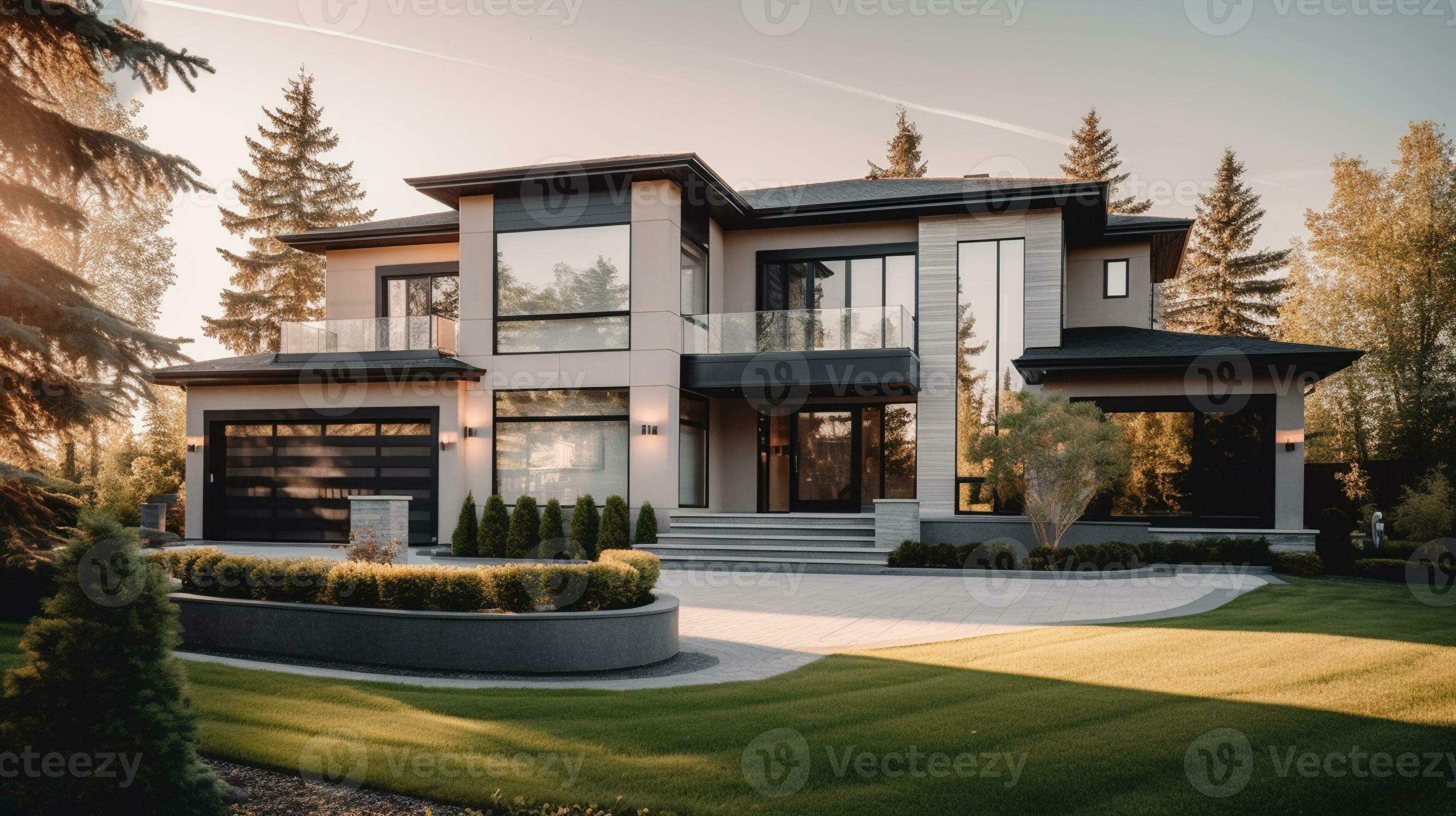
Manufactured housing, often referred to as mobile homes, has undergone a remarkable transformation throughout its history, evolving from basic shelters to sophisticated, modern dwellings. This evolution has not only reshaped the physical product but also significantly influenced public perception and its role within the broader societal fabric, particularly in addressing critical housing needs.
Historical Perspectives on Manufactured Housing Evolution and Shifting Perceptions
The genesis of manufactured housing can be traced back to the early 20th century, with its roots in the production of prefabricated homes and trailers. Initially, these were often seen as temporary or utilitarian solutions, primarily used for workers on construction sites or as vacation cabins. The post-World War II era saw a significant surge in demand for affordable housing, and manufactured homes began to emerge as a more mainstream option.
Early models were characterized by their basic construction, limited amenities, and a perception of being less durable and aesthetically pleasing than traditional site-built homes. This perception was further cemented by the mobile nature of these early units, which often lacked permanent foundations and utility hookups, leading to associations with transience and lower social status.The latter half of the 20th century witnessed a concerted effort to professionalize the industry.
Manufacturers began to invest in research and development, improving construction techniques, materials, and design. The introduction of stricter building codes and standards, akin to those for site-built homes, played a crucial role in enhancing the quality and safety of manufactured housing. Despite these advancements, the stigma associated with the term “mobile home” persisted. However, the industry’s rebranding to “manufactured housing” in the 1980s marked a deliberate attempt to shed this negative image and highlight the permanent, quality-built nature of these homes.
Today, modern manufactured homes are virtually indistinguishable from their site-built counterparts in terms of quality, durability, and customization options. They are constructed in climate-controlled factories, allowing for precise quality control and minimizing waste, a significant departure from the early, more rudimentary iterations. This continuous improvement in design, construction, and adherence to rigorous standards has gradually, yet demonstrably, shifted public perception from one of temporary expediency to one of a viable, high-quality, and affordable housing solution.
Contributions of Manufactured Housing to Affordable Housing Solutions
Manufactured housing stands as a cornerstone in the ongoing battle against housing shortages and in the pursuit of accessible homeownership for a broad spectrum of the population. Its inherent cost-effectiveness is a primary driver of its significant contribution to affordability. The factory-controlled production environment allows for economies of scale, streamlined processes, and reduced labor costs compared to traditional on-site construction.
This efficiency translates directly into lower purchase prices for consumers, making homeownership a tangible reality for individuals and families who might otherwise be priced out of the housing market.The role of manufactured housing in addressing housing shortages is multifaceted. In areas experiencing rapid population growth or facing limited land availability for conventional development, manufactured homes offer a quicker and more cost-effective way to increase housing stock.
They can be deployed relatively rapidly, providing much-needed shelter in a shorter timeframe. Furthermore, manufactured homes are not limited to specific geographic locations; they can be placed on private land, in dedicated manufactured home communities, or even integrated into mixed-use developments, offering flexibility in addressing diverse housing needs across urban, suburban, and rural landscapes. For many, particularly first-time homebuyers, young families, retirees on fixed incomes, and essential workers, manufactured housing represents the most attainable path to building equity and securing a stable living environment.
It democratizes homeownership, offering a pathway to financial stability and community integration that might otherwise be out of reach. The industry’s continuous innovation in design and amenities further enhances their appeal, offering modern features and customization that meet the evolving needs and desires of homeowners.
Environmental Considerations and Sustainability Practices in Modern Manufactured Homes
The environmental footprint of manufactured housing is an increasingly important aspect of its design and production, with manufacturers actively integrating sustainable practices to enhance energy efficiency and minimize material impact. The controlled factory environment itself offers inherent sustainability advantages. Precise construction methods lead to less material waste compared to the often-unpredictable conditions of on-site building. Materials are ordered and cut with greater accuracy, and any excess can be more easily recycled or repurposed within the factory setting.
This focus on minimizing waste is a critical step towards a more sustainable construction model.Energy efficiency is another paramount consideration. Modern manufactured homes are designed and built to meet or exceed stringent energy codes, often incorporating advanced insulation techniques, high-performance windows, and energy-efficient heating, ventilation, and air conditioning (HVAC) systems. Many manufacturers are now utilizing ENERGY STAR® certified appliances and lighting, further reducing energy consumption and lowering utility bills for homeowners.
The use of sustainable materials is also on the rise. This includes opting for recycled content in building materials, such as insulation and flooring, and sourcing lumber from sustainably managed forests. Some manufacturers are exploring the use of innovative, eco-friendly materials like bamboo or reclaimed wood. The integration of smart home technology is also contributing to sustainability by allowing for better energy management and monitoring.
Furthermore, the design of manufactured homes increasingly incorporates passive design principles, such as optimal window placement for natural light and ventilation, to reduce reliance on artificial lighting and cooling.
Framework for Understanding the Regulatory Landscape of Manufactured Housing
Navigating the regulatory landscape surrounding manufactured housing is essential for both manufacturers and consumers, ensuring safety, quality, and proper integration into communities. The primary regulatory framework for manufactured homes in the United States is established by the U.S. Department of Housing and Urban Development (HUD). The HUD Code, also known as the Federal Manufactured Home Construction and Safety Standards, sets uniform national standards for the design, construction, and inspection of manufactured homes.
This code addresses virtually all aspects of a home’s construction, from structural integrity and fire safety to plumbing, electrical, and mechanical systems.Beyond the HUD Code, individual states and local municipalities have their own regulations that govern the placement and installation of manufactured homes. These can include zoning ordinances that dictate where manufactured homes can be sited, requirements for permanent foundations, utility connections, and site preparation.
Building codes for foundations, skirting, and anchoring systems are crucial for ensuring the stability and safety of the home, especially in areas prone to high winds or seismic activity. For instance, many jurisdictions require manufactured homes to be installed on a permanent foundation that meets local building code requirements, effectively treating them as real property. Land-use regulations also play a significant role, influencing the types of manufactured home communities that can be developed and the integration of manufactured homes into existing neighborhoods.
The Federal Trade Commission (FTC) also has a role, particularly concerning advertising and consumer protection related to manufactured homes. Understanding these layered regulations is vital for ensuring compliance and for consumers to make informed decisions about purchasing and siting their manufactured homes.
Wrap-Up

In conclusion, homes mobile homes represent a dynamic and evolving sector of the housing market, offering significant advantages in terms of cost-effectiveness, personal expression, and modern living standards. From understanding the diverse options and navigating the purchase process to appreciating their growing role in addressing housing needs and their commitment to sustainability, manufactured housing is proving to be a versatile and valuable solution for a wide range of individuals and families.
As perceptions continue to shift and technology advances, the future of manufactured housing appears brighter and more integrated than ever before.
Clarifying Questions
What is the primary difference between a mobile home and a manufactured home?
Mobile homes, built before June 15, 1976, were constructed to voluntary industry standards. Manufactured homes are built after this date and must adhere to the federal HUD (Department of Housing and Urban Development) code, making them subject to more stringent safety and construction regulations.
Can manufactured homes be considered as permanent residences?
Yes, manufactured homes can be permanent residences. When properly sited on a permanent foundation and adhering to local building codes, they are often indistinguishable from traditional site-built homes and can be financed and insured as real property.
What is the average lifespan of a manufactured home?
With proper maintenance and care, a modern manufactured home can last as long as a traditional site-built home, often 30 to 55 years or even longer. Regular upkeep of the foundation, roof, and internal systems is crucial for longevity.
Are manufactured homes difficult to move after initial placement?
While designed to be transportable from the factory to their final site, manufactured homes are generally not intended for frequent relocation once they have been permanently installed on a foundation. Moving a manufactured home is a complex and costly process.
What are the typical warranty provisions for manufactured homes?
Most reputable manufactured home builders offer warranties that cover different aspects of the home, such as structural components, appliances, and systems. These warranties typically range from one to ten years, depending on the component and the manufacturer’s policies.