Home Bar Wall Decor Ideas offer a fantastic opportunity to transform a simple beverage station into a personalized sanctuary. This exploration delves into various creative avenues, from bespoke artwork and vintage charm to curated gallery walls and innovative lighting, all designed to elevate your home bar’s aesthetic and ambiance. Prepare to discover how thoughtful wall treatments can make your home bar a true reflection of your style and a focal point for memorable gatherings.
We’ll navigate through the transformative power of personalized art, the nostalgic appeal of vintage finds, the art of creating a striking gallery wall, the impact of strategic lighting, the elegance of reflective surfaces, and the refreshing touch of botanical elements. Each section is crafted to provide actionable insights and inspiration, ensuring your home bar becomes a space that is both visually captivating and deeply personal.
Explore the transformative impact of personalized artwork on a home bar’s ambiance.: Home Bar Wall Decor Ideas
Your home bar is more than just a place to store and serve drinks; it’s an extension of your personality and a hub for entertaining. The right wall decor can dramatically elevate this space, transforming it from a functional area into a captivating personal sanctuary. Personalized artwork, in particular, possesses a unique power to imbue your home bar with a distinct narrative and a profound sense of individual style.
It moves beyond generic aesthetics, speaking directly to your passions, memories, and tastes, making the space feel truly your own. This isn’t about simply filling wall space; it’s about curating an environment that resonates with you and your guests on a deeper level, fostering conversation and creating memorable experiences.Custom-commissioned pieces offer an unparalleled opportunity to inject a home bar with a unique narrative and a sense of individual style.
Imagine a hand-painted mural that meticulously depicts your favorite cocktail recipe, complete with artistic renditions of the ingredients and the precise steps involved in its creation. This wouldn’t just be a decoration; it would be a functional piece of art, a conversation starter, and a testament to your appreciation for mixology. Alternatively, a sculpted metalwork piece, perhaps crafted from copper or brass, could represent the geographical origin of your preferred spirit, be it the agave fields of Mexico for tequila or the rolling hills of Scotland for whisky.
Such a piece not only adds visual interest but also tells a story, connecting the drinks you enjoy to their rich cultural heritage. These bespoke creations move the home bar beyond a mere beverage station, transforming it into a curated personal sanctuary. The very act of commissioning art tailored to your specific tastes and interests ensures that the space reflects your unique identity, creating an atmosphere that is both sophisticated and deeply personal.
This level of customization fosters a sense of ownership and pride, making your home bar a true reflection of your individual journey and appreciation for the finer things. The narrative woven into these pieces can evoke memories, inspire new conversations, and create an ambiance that is both inviting and intellectually stimulating for anyone who steps into the space.The process of selecting and integrating personalized art into your home bar is a thoughtful journey that requires consideration of several key factors to ensure a cohesive and impactful result.
The initial step involves understanding the overall design aesthetic you aim to achieve. Are you leaning towards a sleek, modern look, a rustic, vintage feel, or perhaps a vibrant, eclectic vibe? Your chosen art should complement and enhance this existing or envisioned theme. Color palettes play a crucial role; the artwork’s colors should either harmonize with your bar’s existing color scheme, creating a sense of flow, or provide a deliberate, striking contrast to draw attention and create a focal point.
Beyond aesthetics, consider the emotional resonance of the chosen artwork. Does it evoke a feeling of relaxation, excitement, nostalgia, or sophistication? The art should align with the desired mood you want to cultivate in your home bar. For instance, a serene landscape might be perfect for a relaxing retreat, while a dynamic abstract piece could energize a more lively entertaining space.
Furthermore, think about the scale and placement of the artwork. A large-scale mural can dominate a wall and become the undeniable centerpiece, while a collection of smaller pieces can create a gallery-like feel. The process also involves practical considerations such as lighting; how will the artwork be illuminated to best showcase its details and textures? Engaging with local artists or art consultants can be invaluable during this phase, providing expertise and helping you navigate the options to find pieces that truly speak to your vision and budget, ensuring the final integration is seamless and enhances the overall ambiance of your home bar.
A diverse range of artistic mediums can be employed to adorn home bar walls, each contributing a distinct aesthetic and enhancing the overall ambiance.
- Canvas Prints: These offer incredible versatility, allowing for reproductions of classic paintings, contemporary abstract designs, or even personal photographs. They can range from minimalist to elaborate, fitting seamlessly into various decor styles. A vibrant abstract canvas can inject energy into a modern bar, while a sepia-toned print of a vintage cityscape might complement a more traditional setting.
- Framed Photography: Personal photographs, such as cherished travel memories or candid shots of gatherings, can add a deeply personal touch. Alternatively, curated collections of professional photography – perhaps black and white images of iconic bars, or artistic shots of glassware – can lend a sophisticated and curated feel. The choice of frame, from ornate gold to sleek metal, further dictates the aesthetic.
- Antique Maps of Renowned Spirits Regions: These are not only visually appealing but also intellectually stimulating. A beautifully rendered antique map showcasing the Scotch whisky regions of Scotland, the wine-producing areas of France, or the agave landscapes of Mexico can serve as a conversation starter and a nod to the origins of your favorite beverages. They evoke a sense of history and exploration.
- Vintage Advertising Posters: These posters, often featuring bold graphics and nostalgic imagery related to spirits, beer, or tobacco, can inject a dose of retro charm and character. They are excellent for creating a playful or industrial-inspired bar atmosphere. Consider iconic brands or historical advertisements that resonate with your personal preferences.
- Metal Wall Art: Sculptural metal pieces, whether abstract or representational, can add a modern, industrial, or even rustic element. A brushed metal silhouette of a cocktail shaker, or a stylized depiction of a vineyard, can provide a striking textural contrast to other wall decor.
- Textured Wall Coverings: Beyond traditional art, consider textured wallpapers or murals. A faux brick or reclaimed wood finish can create an immediate sense of warmth and character, especially in a more casual or rustic home bar.
Uncover the compelling allure of vintage signage and nostalgic memorabilia for an authentic home bar aesthetic.
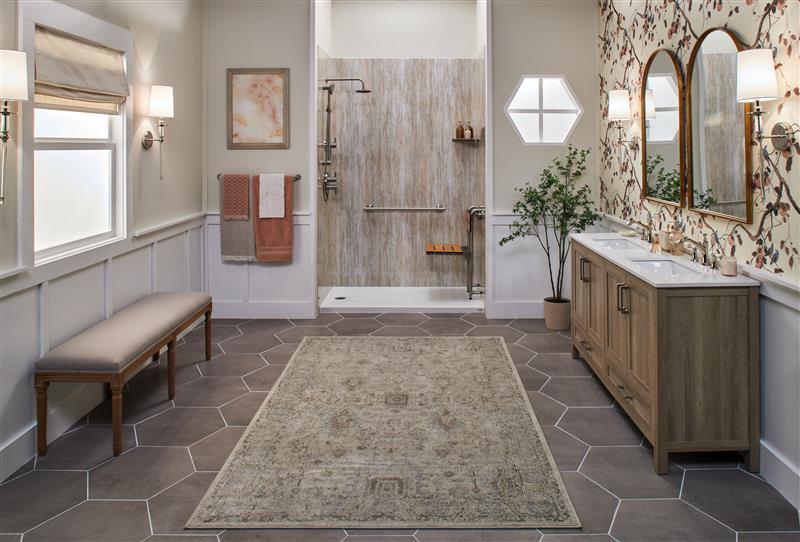
The heart of any truly memorable home bar lies not just in its libations, but in the story it tells. While modern art can certainly add a sophisticated touch, there’s an undeniable magic in surrounding yourself with pieces that whisper tales of yesteryear. Vintage signage and nostalgic memorabilia possess a unique power to transform a functional space into an immersive experience, instantly imbuing it with character, warmth, and a palpable sense of history.
These elements are more than mere decorations; they are portals to a different time, inviting conversation and creating an atmosphere that is both inviting and deeply personal.The appeal of vintage signage for a home bar is multifaceted. Authentic signs from iconic breweries, distilleries, or classic diners don’t just adorn a wall; they actively contribute to the narrative of your space.
Imagine a weathered neon sign from a long-closed roadside diner, or a beautifully aged enamel sign advertising a beloved whiskey brand. These pieces, with their faded colors, subtle imperfections, and often hand-painted lettering, evoke a sense of authenticity that mass-produced items simply cannot replicate. They transport patrons to a bygone era, a time perhaps of simpler pleasures, of lively conversations in dimly lit establishments, and of a shared appreciation for good drinks and good company.
This creates an inviting atmosphere that encourages relaxation and fosters a feeling of convivial escape from the everyday. The visual texture and historical weight of these items lend a gravitas and charm that anchors the entire bar area, making it feel established and lived-in, rather than merely decorated.
Sourcing and Preserving Authentic Vintage Pieces
The thrill of the hunt for genuine vintage treasures is a significant part of the allure for many home bar enthusiasts. Acquiring these pieces requires patience, a keen eye, and a willingness to explore various avenues. Antique shops and flea markets are classic destinations, offering the potential for serendipitous discoveries and the tactile experience of examining items firsthand. Here, one might unearth a charming old beer advertisement or a unique cocktail menu from decades past.
Online auctions, such as eBay or specialized antique auction sites, provide a broader reach, allowing access to items from sellers worldwide. However, diligence is key to ensure authenticity and to understand the condition of the piece before bidding. Inheriting items from family members can also yield incredibly personal and meaningful vintage finds, connecting your home bar directly to your own history.
“The true value of vintage lies not just in its age, but in the stories it carries and the emotions it evokes.”
When acquiring vintage signage, it’s crucial to consider its preservation and display to maximize its visual impact. For metal signs, rust can be a concern; gentle cleaning with appropriate products can halt its spread without damaging the patina. Wooden signs might require sealing to protect them from moisture. Framed items should be kept away from direct sunlight to prevent fading.
The method of display is equally important. A large, iconic brewery sign can serve as a striking focal point, perhaps mounted above the bar itself. Smaller signs can be grouped together to create a gallery wall effect, telling a visual story. Consider the lighting – ambient, soft lighting can enhance the vintage feel, highlighting the textures and details of the signs.
For delicate paper advertisements, framing them under UV-protected glass is essential to prevent degradation. The goal is to showcase the piece’s history and character, not to make it look brand new, but to present it in a way that respects its age and original aesthetic.
Integrating Related Memorabilia for an Immersive Vintage Experience
To truly elevate a home bar from a collection of decorations to a cohesive and immersive vintage experience, the integration of related memorabilia is paramount. This goes beyond just signage and involves curating a collection of objects that collectively tell a story and evoke a specific era or theme. Old bar tools, such as vintage cocktail shakers, ice buckets, or even early corkscrews, can be displayed prominently on the bar itself or on shelves.
These functional pieces, often crafted from materials like brass or polished wood, add an authentic touch and hint at the rituals of cocktail making from a different time. Antique glassware, whether it’s delicate coupe glasses from the Art Deco period or sturdy tumblers from the mid-century, can be arranged on shelves or used when serving drinks, further enhancing the sensory experience.Framed historical advertisements, beyond just brewery or distillery promotions, can also contribute significantly.
Think of advertisements for classic car brands, old movie posters, or even vintage travel brochures that evoke a sense of adventure and leisure associated with past eras. These elements, when thoughtfully combined, create a rich tapestry of visual and thematic elements. For instance, a wall adorned with vintage beer signs, complemented by a collection of antique whiskey glasses and a display of old cocktail recipe books, creates a strong narrative around a classic spirits theme.
Similarly, a bar inspired by a 1950s diner might feature vintage soda advertising, classic diner stools, and perhaps even a vintage jukebox. This careful curation ensures that each element complements the others, creating a unified and engaging environment. Such a space is not merely for drinking; it’s a conversation starter, a place where cherished memories can be sparked and new ones created, all within an atmosphere steeped in nostalgic charm.
Design a captivating gallery wall arrangement to showcase a diverse collection of bar-themed prints and photographs.
Creating a visually stunning gallery wall for your home bar is an art form in itself. It’s not just about randomly hanging pictures; it’s about curating a collection that tells a story, reflects your personality, and enhances the overall atmosphere of your drinking sanctuary. A well-executed gallery wall can transform a blank space into a focal point, inviting conversation and adding depth to your decor.
This guide will walk you through the process of designing a balanced, cohesive, and impactful display.A gallery wall is more than just a collection of framed items; it’s a carefully composed narrative. The key to a successful arrangement lies in thoughtful planning, from the initial selection of artwork to the final placement on the wall. By considering the interplay of themes, styles, and colors, and by strategically using varied frame sizes and orientations, you can create a dynamic and engaging visual experience that truly elevates your home bar.
Curating a Balanced and Visually Appealing Gallery Wall
The foundation of any great gallery wall is the artwork itself. Selecting prints and photographs that not only resonate with you but also work harmoniously together is crucial for achieving a balanced and aesthetically pleasing result. This involves considering the underlying themes, the artistic styles represented, and the color palettes of each piece. A diverse yet cohesive collection will prevent the wall from feeling cluttered or disjointed.To begin curating your collection, consider the overarching theme of your home bar.
Are you aiming for a vintage speakeasy vibe, a modern mixology den, or perhaps a cozy pub feel? Once your theme is established, start sourcing artwork that aligns with it. This could include:
- Cocktail Illustrations: Artistic renditions of classic and contemporary cocktails, perhaps in a watercolor or line-drawing style.
- Barware Photography: Close-up shots of shakers, bitters, glassware, or even the intricate details of a well-stocked bar cart.
- Liquor and Wine Labels: Vintage or stylized representations of well-known spirit or wine brands, adding a touch of sophisticated branding.
- Abstract Art with Bar Motifs: Pieces that evoke the colors, textures, or energy of a bar environment without being overtly literal.
- Quotes and Typography: Inspiring or witty sayings related to drinking, socializing, or the art of mixology.
Beyond theme, pay close attention to style and color. While variety is good, aim for a general stylistic coherence. If you have a mix of photographic and illustrative pieces, ensure they share a common mood or aesthetic. For color, look for pieces that either complement each other through a shared color family or create visual interest through strategic contrast. A dominant color in one piece can be echoed in smaller accents in others.The importance of varied frame sizes and orientations cannot be overstated.
A gallery wall composed of identically sized frames can appear monotonous. Introducing a mix of large statement pieces, medium-sized prints, and smaller accent frames creates visual hierarchy and dynamism. Similarly, alternating between portrait, landscape, and square orientations prevents the arrangement from feeling too rigid. A large landscape piece can anchor the wall, while smaller portrait frames can fill in gaps and add detail.
Effective Techniques for Arranging the Gallery Wall
Once you have your curated collection of artwork, the next step is to arrange it on the wall. This is where creativity and spatial planning come into play. The goal is to create an arrangement that feels intentional, balanced, and flows naturally with the surrounding bar area. Effective techniques can help you visualize layouts and ensure a harmonious final display.A highly recommended method for planning your gallery wall layout is to use painter’s tape.
Before you even think about putting a nail in the wall, lay out your frames on the floor in a configuration that appeals to you. Once you have a general idea, use your painter’s tape to Artikel the dimensions of each frame on the wall itself. This allows you to experiment with different arrangements, adjust spacing, and visualize how the collection will look in situ.Consider the overall flow and focal points of your bar area when planning the arrangement.
The gallery wall should enhance, not compete with, the primary functions of the space. If your bar has a central feature, like a prominent liquor shelf or a unique countertop, position the gallery wall to complement it. Avoid placing a large, busy gallery wall directly opposite a seating area where it might become distracting. Instead, consider placing it on a wall adjacent to or above the bar itself, guiding the eye towards the heart of your home bar.When arranging, think about balance.
Distribute visual weight evenly across the wall. If you have a very large piece, balance it with a cluster of smaller pieces on the opposite side. Pay attention to spacing between frames; consistent spacing creates a sense of order, while varied spacing can add a more eclectic feel. A good rule of thumb is to maintain at least 2-4 inches of space between frames, depending on their size and the overall density of the arrangement.
“The art of arranging a gallery wall is akin to composing a symphony; each piece plays a vital role in the overall harmony.”
Here are some arrangement strategies to consider:
- The Grid: A classic and clean approach where frames are arranged in perfectly aligned rows and columns. This works best with frames of similar sizes or a consistent theme.
- The Organic Cluster: A more free-form arrangement where frames of varying sizes and orientations are grouped together organically, often starting with a central anchor piece.
- The Ladder: A vertical arrangement that guides the eye upwards, often used to fill tall, narrow spaces or to draw attention to a specific element.
- The Symmetrical Balance: Placing a central, larger piece and then mirroring smaller pieces on either side to create a sense of formal balance.
Remember to consider the height at which you hang your art. The general guideline is to have the center of the collection at eye level, typically around 57-60 inches from the floor. However, this can be adjusted based on the height of your furniture and the overall scale of the room.
Creative Concepts for Thematic Gallery Walls
To imbue your home bar with a distinct personality, consider developing a thematic gallery wall. This approach elevates your decor beyond a simple collection of pictures, turning your wall into a curated exhibition that speaks to your passions and the spirit of your bar. The possibilities are vast, limited only by your imagination and the available artwork.One compelling concept is a collection of abstract interpretations of cocktails.
Imagine a series of canvases or prints where artists have used color, form, and texture to evoke the essence of different drinks. A vibrant splash of crimson and gold might represent a Negroni, while swirling blues and greens could capture the refreshing allure of a Mojito. These pieces offer a sophisticated and artistic nod to your beverage of choice without being overtly literal.
They can spark conversation and add a modern, artistic flair to your bar.Another captivating theme is a series of black and white photographs of iconic bar interiors from around the world. Think of grainy, atmospheric shots of dimly lit Parisian bistros, bustling New York cocktail lounges from the mid-20th century, or perhaps the sleek lines of a Tokyo hotel bar. These photographs not only add a touch of timeless elegance but also transport your guests to different eras and locales, creating a sense of global sophistication.
The monochromatic palette ensures a cohesive look, even with varied architectural styles.For those with a specific appreciation for wine or spirits, a compilation of artistic representations of different types of wine or spirits can be a wonderfully focused theme. This could include vintage botanical illustrations of grape varietals, stylized depictions of whiskey barrels, or even abstract pieces that capture the rich amber hues of aged spirits. You could even create a series dedicated to specific regions, showcasing artwork inspired by the vineyards of Bordeaux or the distilleries of Scotland.Here are some additional thematic ideas to inspire your gallery wall:
- “The Bartender’s Toolkit”: A collection of vintage illustrations or photographs showcasing essential bar tools like shakers, strainers, jiggers, and muddlers.
- “Around the World in Drinks”: Featuring artwork inspired by popular beverages and drinking cultures from different countries.
- “Literary Libations”: Prints or quotes from famous authors that reference drinks, bars, or the art of conversation over a cocktail.
- “The Anatomy of a Cocktail”: Diagrams or artistic breakdowns of classic cocktails, illustrating their ingredients and proportions in a visually engaging way.
When building a thematic gallery wall, it’s beneficial to select pieces that share a common thread in their medium or artistic style to enhance cohesion. For instance, if you choose vintage illustrations, ensure they are all in a similar style or era. Alternatively, a mix of styles can work if the theme is strong enough to tie them together. The key is to create a narrative that is both personal and visually compelling, making your home bar a truly unique and inviting space.
Implement innovative lighting solutions to dramatically enhance the visual appeal of home bar wall decor.
Lighting is far more than a functional necessity; it’s an art form that can profoundly transform the atmosphere and visual impact of your home bar. Strategic lighting choices can elevate simple wall decor into captivating focal points, breathing life into your space and setting the perfect mood for any occasion. By carefully considering how light interacts with your chosen artwork, signage, and memorabilia, you can create a dynamic and engaging environment that guests will remember.
This approach moves beyond mere illumination, turning your home bar into a curated experience where every detail, especially the lighting, contributes to the overall narrative and aesthetic. The right lighting can make the difference between a dimly lit corner and a vibrant, welcoming hub of entertainment.The transformative power of lighting lies in its ability to sculpt space and highlight texture, color, and form.
Strategically placed lights can draw the eye to specific elements, creating a sense of depth and dimension that static decor alone cannot achieve. Imagine a vintage cocktail sign illuminated from above, casting subtle shadows that accentuate its aged patina, or a framed print of a classic bar scene brought to life with a focused beam that makes the colors pop.
This deliberate use of light can turn your home bar from a purely functional area into a theatrical stage, where your chosen decor pieces are the stars. It’s about creating drama, intimacy, and a unique personality for your space, making it feel more inviting and sophisticated. This meticulous attention to detail in lighting design is what truly distinguishes a well-appointed home bar from an ordinary one, fostering an ambiance that is both impressive and comfortable.
Strategic illumination for highlighting decor
The art of highlighting home bar wall decor with light involves a nuanced understanding of how different lighting techniques can accentuate specific features. Accent lighting, for instance, is your primary tool for drawing attention to individual pieces. Small, adjustable spotlights or track lighting can be precisely aimed at framed prints, vintage signs, or cherished memorabilia. This focused beam isolates the object, making it stand out against the background and creating a visual hierarchy.
The intensity and angle of these lights are crucial; too bright and they can be harsh, too dim and the effect is lost. Experimenting with angles can also create fascinating shadow play, adding depth and a sense of three-dimensionality to flat artwork or signs. For example, a subtly angled spotlight on a textured piece of wall art can emphasize its surface detail, making it more tactile and engaging.Furthermore, the interplay of light and shadow is fundamental in transforming a functional bar area into a theatrical space.
Consider the impact of backlighting certain elements. Placing LED strips behind a frosted glass sign or a shadow box containing bar tools can create a soft, ethereal glow that emanates from the object itself, giving it a floating, almost magical quality. This technique is particularly effective for items with translucent qualities or those that benefit from a halo effect. The goal is to guide the viewer’s eye, creating focal points that tell a story and invite closer inspection.
By strategically placing lights, you can direct the flow of attention, making guests appreciate the curated collection you’ve assembled. This creates a dynamic visual experience, where the decor is not just seen but felt, contributing to an immersive and memorable atmosphere.
Comparison of lighting types for home bar ambiance
Selecting the right types of lighting is paramount in crafting the desired atmosphere for your home bar. Each lighting category offers distinct contributions to the overall aesthetic and mood. Ambient lighting forms the foundational layer, providing general illumination for the entire space. This is typically achieved through ceiling fixtures, wall sconces, or cove lighting, and its primary function is to ensure the bar is comfortably lit for movement and general use.
However, ambient lighting can also be softened and dimmed to create a more intimate setting. Think of warm, diffused overhead lights that create a cozy glow, setting a relaxed and inviting tone from the outset.Accent lighting, as previously discussed, is more targeted. It’s used to highlight specific decorative elements, such as artwork, signage, or bottles on display. Small, directional spotlights, picture lights, or even LED strip lights are ideal for this purpose.
Accent lighting adds drama and visual interest, drawing attention to the most prized possessions in your bar decor. For instance, a focused beam on a vintage neon sign can make its colors pop and its retro charm shine, while a subtle wash of light on a gallery wall can emphasize the textures and details of each piece.Decorative fixtures, on the other hand, are lighting elements that are designed to be seen as part of the decor itself.
This category includes iconic choices like Edison bulbs, known for their warm, vintage filament glow, which adds a rustic and industrial charm. Neon signs, whether custom-made or classic designs, inject personality and a vibrant, playful energy. They can serve as both a statement piece and a source of light. String lights or fairy lights can add a whimsical, festive touch, perfect for creating a more casual or celebratory mood.
The combination of these lighting types – ambient for overall comfort, accent for highlighting, and decorative for personality – allows for a layered and sophisticated lighting scheme that can be adapted to suit various occasions and moods, transforming your home bar into a truly captivating space.
Visual guide to smart lighting systems and backlighting, Home Bar Wall Decor Ideas
Incorporating smart lighting systems into your home bar design offers unparalleled flexibility and control over your ambiance. These systems, often controlled via a smartphone app or voice commands, allow for effortless adjustment of brightness, color temperature, and even color hue. Imagine a scenario where you’re hosting a sophisticated cocktail evening; you can set a warm, dim, ambient light with subtle accent lighting on your barware.
Later, for a more casual gathering with friends, you can switch to a brighter, cooler tone and perhaps introduce a splash of color to a specific decorative element. This adaptability is a significant aesthetic benefit, allowing your home bar to transition seamlessly from a relaxed lounge to a lively entertainment space.The ability to change colors opens up a world of creative possibilities.
You can choose colors that complement your wall decor, such as a deep blue to enhance a seascape print or a warm amber to bring out the richness of vintage wood signage. Furthermore, many smart lighting systems allow for dynamic lighting effects, such as gradual color transitions or pulsating lights, which can add an extra layer of visual interest during parties.A particularly impactful application of smart lighting is backlighting certain decor elements.
This technique involves placing LED strips or puck lights behind items to create a luminous Artikel or a diffused glow. For instance, backlighting a series of liquor bottles on a shelf can make them appear to float and glow, creating an eye-catching display. Similarly, backlighting a custom-made bar logo or a piece of etched glass can give it a dramatic, almost ethereal presence.
This method not only highlights the object but also adds depth and a sense of intrigue to the overall wall display. The light emanating from behind can cast a soft halo effect, separating the object from the wall and giving it a three-dimensional quality that is both modern and captivating. The aesthetic benefits are profound, as backlighting can transform ordinary items into extraordinary focal points, contributing to a truly bespoke and immersive bar experience.
Craft a sophisticated display of mirrors and reflective surfaces to amplify space and visual interest in a home bar.
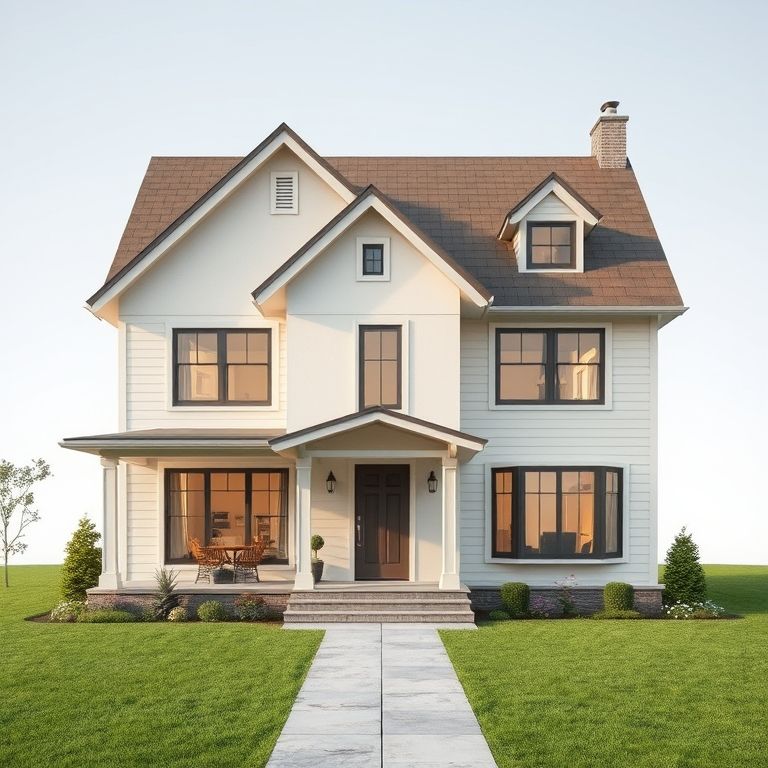
Mirrors are more than just decorative elements; they are powerful tools for interior design, capable of transforming the perception of space and light. In the context of a home bar, their strategic placement can dramatically enhance the ambiance, making even the coziest nook feel more expansive and inviting. By cleverly reflecting light sources and the surrounding decor, mirrors create an illusion of depth, effectively doubling the visual space and imbuing the area with a sense of openness and sophistication.
This illusion is particularly impactful in smaller home bars where every square inch counts. The interplay of light bouncing off reflective surfaces can also add a dynamic quality to the room, making it feel more lively and engaging. When sunlight or artificial lighting strikes a mirror, it disperses, illuminating darker corners and creating a brighter, more welcoming atmosphere. Furthermore, mirrors can be used to reflect key design features, such as a striking piece of artwork or a well-stocked liquor cabinet, thereby drawing attention to these elements and elevating the overall aesthetic.
The careful consideration of where to position a mirror, and what it will reflect, is paramount to unlocking its full potential in amplifying both space and visual interest.The strategic placement of mirrors is a cornerstone of maximizing the perceived size and brightness of a home bar. In a compact space, a well-positioned mirror can act as a visual cheat, creating an illusion of depth that extends the room beyond its physical boundaries.
Imagine a long, narrow bar area; placing a large mirror on one of the longer walls can make it feel significantly wider. Conversely, a mirror on the wall opposite the entrance can create the impression of a much larger room, drawing the eye outward and away from the confined space. The principle here is simple: mirrors reflect what is in front of them, effectively doubling the visual information available to the observer.
This is especially effective with light. If your home bar has a window or a strategically placed lamp, a mirror opposite will capture and redirect that light, scattering it throughout the room and banishing any sense of gloom. This increased luminosity not only makes the space feel larger but also more cheerful and conducive to relaxation and socializing. Beyond simply reflecting light, mirrors also reflect the decor itself.
This means that the carefully curated elements of your home bar – the bottles, the glassware, the artwork – are presented in duplicate, adding richness and complexity to the visual landscape. This creates a more immersive experience, making the bar feel more fully realized and visually engaging. The overall effect is a space that feels less cramped and more vibrant, a testament to the transformative power of thoughtful mirror placement.
Diverse mirror styles for home bar walls
The choice of mirror style is critical in defining the personality and aesthetic of a home bar. A diverse range of options exists, each offering a unique contribution to the overall design. For those seeking an opulent and classic look, ornate antique frames are an excellent choice. These mirrors, often featuring gilded wood, intricate carvings, or elaborate metalwork, can serve as a stunning focal point.
Their richness and historical character lend an air of sophistication and gravitas to the bar area, evoking the grandeur of old-world saloons or speakeasies. The shape and size of these ornate mirrors also play a significant role; a large, vertically oriented mirror with a detailed frame can add height and elegance, while a collection of smaller, uniquely shaped antique mirrors can create a charming, eclectic display.On the other end of the spectrum are sleek, modern frameless designs.
These mirrors offer a minimalist and contemporary aesthetic, emphasizing clean lines and uncluttered surfaces. A large, frameless mirror can make a small bar feel incredibly spacious and airy, as it presents an uninterrupted reflection that seamlessly blends with the wall. The absence of a frame means the focus remains squarely on the reflection, amplifying the sense of openness. The shape of frameless mirrors can vary from simple rectangles and squares to more avant-garde forms, allowing for creative integration into various design schemes.
A large, circular frameless mirror, for instance, can add a touch of softness and sophistication to a sharp, modern bar.Beyond these two extremes, there is a vast middle ground. Beveled mirrors, for example, offer a subtle yet sophisticated edge, their angled borders catching and reflecting light in a delicate manner. Mirrors with distressed or aged finishes can impart a vintage, lived-in feel, perfectly complementing a rustic or industrial-themed bar.
Geometric mirrors, such as hexagonal or octagonal designs, can add a playful yet stylish element, breaking up larger wall spaces and introducing visual interest. The size of the mirror is equally important. A single, commanding statement mirror can anchor the design, while a curated collection of smaller mirrors can create a dynamic gallery effect. For instance, a series of round mirrors of varying diameters arranged artfully on the wall can offer a more dynamic and engaging visual experience than a single large piece.
Ultimately, the selection of mirror style should harmonize with the overall theme of the home bar, enhancing its character and contributing to its unique allure.
Creative integration of mirrored shelving and backsplashes
Mirrored shelving and mirrored backsplashes are ingenious design elements that transcend mere functionality, injecting a significant dose of visual dynamism and luxury into a home bar. These reflective surfaces serve a dual purpose: they enhance the practical utility of the bar while simultaneously elevating its aesthetic appeal. Mirrored shelving, for instance, offers a visually appealing way to display bottles and glassware.
Instead of solid shelves that can sometimes appear heavy or block light, mirrored shelves create an illusion of floating objects. The reflection of the bottles and their vibrant liquid colors on the mirrored surface adds a layer of depth and richness, making the display appear more abundant and captivating. This is particularly effective for showcasing premium spirits or artisanal liqueurs, as the mirrored surface draws attention to their intricate labels and colors.
Furthermore, mirrored shelves can reflect ambient light, helping to illuminate the items displayed and making them more accessible and visually appealing. They contribute to a brighter, more open feel in the bar area, preventing shelves from becoming visual dead zones.Similarly, a mirrored backsplash behind the bar is a sophisticated choice that can dramatically alter the perception of the space. Traditionally, backsplashes are designed for protection and ease of cleaning, but a mirrored version transforms this practical element into a key design feature.
The backsplash acts as a large, expansive mirror, reflecting the entire bar area, including the bartender, the guests, and the activity within the space. This creates a sense of continuity and expansion, making the bar feel larger and more engaging. The reflection of the bottles lined up behind the bar, the gleaming glassware, and the subtle movements of people can create a mesmerizing visual effect.
It adds a theatrical quality to the home bar, reminiscent of high-end cocktail lounges. The reflective surface also bounces light effectively, illuminating the workspace behind the bar and making it feel brighter and more inviting. This can be particularly beneficial in areas that might otherwise be dimly lit. The luxury factor is undeniable; mirrored surfaces inherently convey a sense of opulence and refinement.
They add a polished finish and a touch of glamour that is difficult to achieve with other materials. Whether it’s a solid sheet of mirrored glass or a series of mirrored tiles, the effect is consistently one of elevated style and sophistication. The creative integration of these elements is not just about aesthetics; it’s about crafting an experience, a space that is both highly functional and visually stunning, inviting guests to linger and enjoy the ambiance.
Cultivate a botanical accent through the integration of living plants and nature-inspired wall art within a home bar setting.
Introducing elements of nature into your home bar can profoundly transform its atmosphere, moving beyond the typical sleek and manufactured aesthetic. The inclusion of living plants, whether strategically placed or as a central decorative feature, injects a vital, organic energy that can significantly enhance the overall ambiance. This approach offers a refreshing counterpoint to the hard surfaces of glass bottles, polished metal barware, and sturdy furniture.
The vibrant greens and varied textures of plants create a dynamic visual interest, softening the environment and inviting a sense of calm and relaxation. Imagine a dimly lit corner where the subtle glow catches the dew on a fern’s fronds, or a shelf displaying a collection of succulents that add pops of color and life. This deliberate integration of the natural world not only beautifies the space but also contributes to a more welcoming and comfortable experience for you and your guests, making the home bar a true sanctuary.The introduction of greenery, whether through hanging planters suspended from the ceiling, minimalist wall-mounted terrariums that showcase miniature ecosystems, or simple shelves adorned with an assortment of small potted plants, brings a much-needed refreshing and organic element to the bar’s decor.
This organic touch acts as a beautiful contrast to the often hard, reflective surfaces of bottles, glassware, and bar tools. Plants introduce a softness and a sense of life that can make the space feel more inviting and less sterile. They can break up the visual monotony of rows of bottles, offering varied textures, shades of green, and even subtle floral accents.
A well-placed vine cascading down a shelf can add a touch of elegance and drama, while a collection of small succulents on a countertop can provide a charming, low-maintenance focal point. This deliberate incorporation of living elements creates a more balanced and harmonious environment, contributing to a more enjoyable and immersive experience within your home bar.
Low-Maintenance Plants and Stylish Planters for Indoor Bar Environments
Selecting the right plants for your home bar involves considering their aesthetic appeal, their ability to thrive in indoor conditions, and their maintenance requirements. For many, the ideal indoor plants are those that can tolerate lower light levels and don’t demand constant attention. This ensures that your bar remains a stylish extension of your home, not another chore.Here are some excellent plant choices that are well-suited for indoor bar environments:
- Snake Plant (Sansevieria): Known for its striking, upright foliage, the snake plant is incredibly resilient. It tolerates low light and infrequent watering, making it an ideal choice for busy individuals. Its architectural form adds a modern touch.
- ZZ Plant (Zamioculcas zamiifolia): This plant is almost indestructible, thriving on neglect. It can survive in very low light and can go for extended periods without water. Its glossy, dark green leaves add a sophisticated sheen.
- Pothos (Epipremnum aureum): Available in various variegations (golden, marble queen, neon), pothos is a fast-growing vine that can be grown in hanging baskets or allowed to trail down shelves. It’s forgiving of inconsistent watering and can adapt to different light conditions.
- Spider Plant (Chlorophytum comosum): These plants are easy to care for and produce charming “spiderettes” that can be propagated. They prefer bright, indirect light but can tolerate lower light. Their arching leaves add a soft, flowing texture.
- Succulents and Cacti: For areas with brighter light, a collection of succulents and cacti offers a wide array of shapes, colors, and textures. They require minimal watering and are perfect for small spaces. Varieties like Echeveria, Sedum, and small cacti can add miniature sculptural elements.
The choice of planters and hanging systems can significantly elevate the visual impact of your botanical additions. For a modern aesthetic, consider minimalist ceramic pots in matte finishes or sleek concrete planters. Metal planters, such as brushed brass or matte black, can add a touch of industrial chic or refined elegance. Terrariums, whether self-contained glass globes or open-top designs, create captivating miniature landscapes that require minimal upkeep and add a unique focal point.
For a more bohemian or eclectic vibe, consider macrame hanging planters that add texture and a sense of handcrafted charm, or repurpose vintage containers like old tins or ceramic pitchers for a more personal touch. Wall-mounted planters or shelves can be strategically placed to create a living art installation, drawing the eye and adding depth to the bar’s vertical space.
Ensure that planters have adequate drainage to prevent root rot, a common issue with indoor plants.
Harmonious Integration of Living Plants and Nature-Themed Wall Art
Combining living plants with nature-themed wall art creates a cohesive and immersive experience that significantly enhances the ambiance of a home bar. This dual approach leverages both the tangible presence of life and the evocative power of visual art to craft a serene and stimulating environment. The interplay between real greenery and artistic representations of nature fosters a sense of connection to the outdoors, bringing the calming and refreshing qualities of the natural world into your personal space.
This synergy can transform a functional bar area into a tranquil retreat, ideal for unwinding after a long day or hosting intimate gatherings. The visual harmony achieved through this combination elevates the aesthetic appeal and contributes to a more holistic and enjoyable drinking experience, where the surroundings complement the sensory pleasure of enjoying a well-crafted beverage.The selection of nature-themed wall art should complement the chosen plants and the overall bar design.
Botanical prints, with their intricate details of leaves, flowers, and fruits, offer a classic and sophisticated choice. These can range from vintage scientific illustrations to modern, stylized interpretations. Landscape photography, capturing serene vistas of mountains, forests, or oceans, can transport viewers to distant, peaceful locales, adding a sense of depth and escapism. Abstract art inspired by natural textures, such as the patterns found in wood grain, stone, or water ripples, can provide a more subtle yet impactful connection to nature, adding an element of artistic intrigue.
Consider a gallery wall arrangement that mixes framed prints of flora and fauna with small shelves holding air plants or miniature succulents. For a more minimalist approach, a single, large-scale abstract piece depicting a natural scene can serve as a powerful focal point.The overall effect of this integration is a multi-sensory experience. The fresh scent of plants, their vibrant colors, and their organic forms engage the senses, while the wall art provides visual stimulation and narrative.
This creates a balanced atmosphere that is both invigorating and calming. For instance, a collection of delicate fern fronds placed near a series of muted watercolor paintings of forest scenes can evoke a sense of tranquil woodland. Similarly, a vibrant collection of succulents displayed alongside abstract art featuring earthy tones and organic shapes can create a lively yet grounded ambiance.
The goal is to create a harmonious dialogue between the living elements and the artistic representations, ensuring that each enhances the other without overwhelming the space. This thoughtful curation fosters a unique atmosphere that encourages relaxation, conversation, and a deeper appreciation for the simple beauty of the natural world, making your home bar a truly restorative and inspiring place.
End of Discussion
In conclusion, the journey through Home Bar Wall Decor Ideas reveals that the possibilities are as vast as your imagination. By thoughtfully incorporating personalized artwork, vintage memorabilia, curated gallery walls, effective lighting, reflective surfaces, and natural elements, you can craft a home bar that is not merely functional but a true extension of your personality and a welcoming hub for entertaining.
Embrace these concepts to create a space that sparks conversation, evokes emotion, and makes every drink an occasion.
Expert Answers
What are some budget-friendly home bar wall decor ideas?
Consider DIY projects like painting a mural, framing vintage postcards or maps, creating a gallery wall with affordable prints or personal photos, or repurposing old bottles and barware as decorative accents. Thrift stores and flea markets can also be excellent sources for unique and inexpensive finds.
How can I make my small home bar wall feel larger?
Utilize mirrors strategically to reflect light and create an illusion of depth. Opt for lighter color palettes on the walls and consider vertical elements like tall shelving or artwork to draw the eye upward. Avoid overly cluttered displays.
What is the best way to hang heavy items like vintage signs on a wall?
For heavy items, it’s crucial to use appropriate wall anchors or find wall studs for secure mounting. Consult hardware store recommendations based on your wall type (drywall, plaster, etc.) and the weight of the item. Picture hanging kits designed for heavier objects can also be beneficial.
How do I choose a theme for my home bar wall decor?
Consider your personal interests, the type of beverages you primarily serve, or the overall style of your home. Popular themes include mid-century modern, speakeasy, nautical, sports-themed, or a specific spirit’s origin (e.g., a whiskey or wine theme). Consistency is key, but don’t be afraid to add personal touches.