Florida beach houses for sale in florida sets the stage for this enthralling narrative, offering readers a glimpse into a story that is rich in detail with casual formal language style and brimming with originality from the outset.
This comprehensive exploration delves into the allure and practicalities of owning a slice of paradise along Florida’s famed coastline. From the unique characteristics of its diverse shorelines to the architectural ingenuity and crucial legal considerations, we provide a thorough overview for prospective buyers. Discover the financial landscape, the intricacies of the acquisition process, and the unparalleled lifestyle benefits that await those who choose to call a Florida beach house home.
Delve into the diverse coastal environments that define Florida’s beach house landscape.

Florida’s allure as a premier destination for beach house ownership is intrinsically linked to its extensive and varied coastline. From the tranquil, powdery shores of the Gulf to the dynamic, wave-swept stretches of the Atlantic, each coastal environment presents unique characteristics that shape not only the natural beauty but also the very essence of beachfront living and the properties that grace these shores.
Understanding these distinctions is paramount for anyone considering investing in or residing in a Florida beach house.The state’s geography offers a remarkable duality in its coastal experiences. The Gulf Coast, often lauded for its calmer waters and exceptionally soft, white sand, provides a more serene beachfront atmosphere. This tranquility is largely a result of the Gulf of Mexico’s shallower depths and less intense wave action compared to the open Atlantic.
Consequently, properties along the Gulf Coast often feature designs that prioritize capturing gentle breezes and maximizing panoramic ocean views without the need for extreme structural fortifications against powerful surf. The sand here, typically composed of finely ground quartz, is renowned for its cool touch even on the hottest days, contributing to the region’s reputation for pristine and inviting beaches. Prevailing winds on the Gulf Coast tend to be more moderate, influencing less aggressive erosion patterns and allowing for a wider range of architectural approaches, from charming bungalows to elegant estates.
Gulf Coast versus Atlantic Coast Beachfront Properties
The contrast between Florida’s Gulf Coast and its Atlantic Coast is pronounced, impacting everything from the daily experience of the waves to the long-term resilience of beachfront homes. The Gulf Coast, as mentioned, is characterized by its gentler wave action, a direct consequence of the Gulf’s enclosed nature and shallower waters. This translates to calmer seas, ideal for swimming, paddleboarding, and enjoying a more tranquil beach experience.
The sand on the Gulf side, particularly in areas like the Sarasota and Fort Myers regions, is famously fine and white, offering a soft, almost powdery texture underfoot. This unique sand composition, largely derived from quartz, is a significant draw for many buyers. Architectural styles here often lean towards maximizing views and capturing natural light, with features like expansive balconies, large windows, and open-plan living spaces being common.
Property resilience is generally less of a concern regarding direct wave impact, though hurricane preparedness remains a vital consideration for all coastal properties in Florida.Conversely, the Atlantic Coast of Florida is known for its more dynamic and robust wave action. The open ocean brings a consistent swell, attracting surfers and those who appreciate a more energetic coastal environment. The sand here can vary significantly, often being coarser and darker than its Gulf counterparts, with a greater presence of shells and other marine detritus.
This energetic environment means that beachfront properties on the Atlantic side often require more robust construction and protective measures. Architectural designs may incorporate elevated foundations, reinforced structures, and storm shutters as standard features to withstand the more significant forces of wind and waves. The prevailing winds from the east can also contribute to coastal erosion, necessitating careful consideration of lot placement and landscaping for long-term property stability.
Investment potential and property values can differ, with Atlantic properties sometimes commanding higher prices due to their direct ocean access and the appeal of more active water sports, while Gulf properties might offer a premium for their serenity and exceptionally soft sands.
Ecological Considerations for Beach Houses in the Florida Keys
The Florida Keys represent a unique and exceptionally sensitive coastal environment, demanding a specialized approach to beach house development and ownership. This chain of islands, stretching southwest from the Florida mainland, is characterized by its coral reefs, mangrove forests, and shallow, crystal-clear waters. Understanding the delicate marine ecosystem is paramount. Beach houses here are not merely structures on sand; they are situated within an environment teeming with diverse marine life, from vibrant coral formations to a myriad of fish species and marine mammals.
Construction and maintenance practices must be mindful of minimizing any negative impact on these fragile habitats. This includes careful management of wastewater to prevent pollution of the surrounding waters, responsible landscaping that avoids invasive species, and awareness of the importance of preserving seagrass beds which are vital nurseries for many marine organisms.Saltwater intrusion is another significant ecological consideration in the Keys.
The low-lying nature of the islands means that freshwater lenses, which are crucial for drinking water and supporting terrestrial vegetation, are highly susceptible to contamination by saltwater. This can occur naturally due to tidal influences and storm surges, but also through improper management of groundwater. Beach house owners must be aware of their reliance on potentially vulnerable freshwater sources and consider sustainable water management practices.
Furthermore, the Keys are situated in a hurricane-prone region, and their island geography makes them particularly vulnerable to the devastating effects of these storms. Hurricane preparedness in the Keys goes beyond standard storm shutters; it involves understanding the specific risks of storm surge, high winds, and potential for significant coastal erosion. Building codes are stringent, often requiring elevated structures on pilings designed to withstand extreme weather events.
The ecological fragility means that recovery efforts after a storm must also be undertaken with great care to avoid further damage to the natural environment.
Varying Property Values and Investment Potential Across Florida Coastal Regions
The investment potential and property values of beach houses across Florida’s vast coastline exhibit considerable variation, influenced by a confluence of factors that appeal to different buyer demographics and investment strategies. Accessibility plays a crucial role; coastal areas that are easily reachable from major metropolitan areas or international airports tend to command higher property values. For instance, beach towns in South Florida, such as those in Palm Beach County or Miami-Dade, benefit from excellent transportation links, driving demand and consequently, prices.
Proximity to amenities further enhances a property’s desirability and investment appeal. Beach houses located near vibrant downtown areas, upscale shopping districts, renowned dining establishments, and cultural attractions often see a premium on their value. The presence of marinas, golf courses, and world-class resorts also contributes significantly to the appeal and investment potential of a coastal community.Natural beauty is, of course, a primary driver of value.
Regions known for their exceptionally pristine beaches, unique geological formations, or abundant wildlife will naturally attract higher valuations. The exclusive enclaves along the Gulf Coast, with their soft white sands and calm waters, often fetch premium prices due to their idyllic settings. Similarly, areas on the Atlantic Coast with dramatic dune systems or proximity to protected state parks offer a unique allure that translates into higher investment potential.
Accessibility to these natural assets, such as direct beach access or proximity to boating channels, further amplifies property worth. Investment potential is also shaped by market trends, rental income opportunities, and the long-term appreciation prospects of a particular region. Areas with a strong tourism industry and a consistent demand for vacation rentals often present a more robust investment case, offering a blend of capital appreciation and passive income.
Conversely, more remote or less developed coastal areas might offer a more affordable entry point but could have slower appreciation rates.
The true value of a beach house lies not only in its physical structure but in its connection to the unique coastal environment it inhabits and the lifestyle it affords.
Uncover the prevalent architectural styles and construction techniques favored for Florida beach residences.

Florida’s coastline is a vibrant tapestry of architectural expressions, each designed to harmonize with its unique environmental demands and aesthetic aspirations. From the sun-drenched shores of the Panhandle to the turquoise waters of the Keys, beach houses are more than just structures; they are testaments to a lifestyle dictated by sun, sand, and sea. Understanding the prevalent architectural styles and construction techniques is key to appreciating the enduring appeal and functionality of these coastal homes.The construction of Florida beach residences is a sophisticated interplay between enduring tradition and innovative adaptation.
Builders and architects must contend with a challenging environment characterized by high humidity, intense solar radiation, frequent rainfall, and the ever-present threat of tropical storms. Consequently, the choice of materials and construction methodologies is paramount to ensuring longevity, structural integrity, and occupant comfort. This focus on resilience and livability shapes every aspect of a Florida beach home, from its foundation to its rooftop.
Building Materials for Coastal Florida
The selection of building materials for Florida beach homes is a critical decision, directly impacting a property’s durability, maintenance requirements, and overall resistance to the harsh coastal environment. The pervasive combination of high humidity, salty air, and intense sun necessitates materials that can withstand corrosion, rot, and UV degradation. A comparative analysis reveals the strengths and weaknesses of common choices.Concrete, particularly reinforced concrete, stands as a cornerstone of coastal construction in Florida.
Its inherent mass and strength offer excellent resistance to wind loads and impact from debris during storms. Furthermore, concrete is largely impervious to moisture and salt, making it an ideal choice for foundations, structural walls, and even exterior finishes. The primary advantage of concrete lies in its longevity and low maintenance; it does not rot, rust, or succumb to termites, significantly reducing long-term upkeep costs.
However, the initial cost of concrete construction can be higher than that of wood-framed structures, and its thermal mass can contribute to heat absorption if not properly insulated and managed.Treated lumber, often pressure-treated pine or cedar, remains a popular choice for framing, decking, and trim work, especially in more traditional or cottage-style homes. The treatment process imbues the wood with chemicals that protect it from rot, fungal decay, and insect infestation, crucial in Florida’s humid climate.
Cedar, in particular, possesses natural oils that offer some resistance to moisture and insects. However, even treated lumber requires regular maintenance, including sealing and staining, to prevent warping, cracking, and eventual degradation from prolonged exposure to salt spray and UV rays. Its susceptibility to moisture, despite treatment, means that proper ventilation and drainage are essential to prevent hidden rot.Advanced composite materials are increasingly finding their place in Florida beach house construction, offering a blend of performance and reduced maintenance.
These materials, often made from recycled plastics and wood fibers, mimic the appearance of natural wood but possess superior resistance to moisture, rot, and salt corrosion. Composite decking, for instance, is a popular alternative to traditional wood, requiring minimal upkeep and resisting fading and staining. Similarly, composite siding and structural components offer enhanced durability and a longer lifespan compared to conventional materials.
The main drawback of composites can be their higher initial cost and, in some cases, a less natural aesthetic compared to real wood. Their thermal expansion and contraction rates also need careful consideration during installation.
- Concrete:
- Pros: Excellent durability, high resistance to wind and impact, low maintenance, impervious to moisture and salt.
- Cons: Higher initial cost, potential for heat absorption if not insulated, can be prone to cracking if not properly reinforced.
- Treated Lumber:
- Pros: Cost-effective for framing, readily available, good resistance to rot and insects with proper treatment.
- Cons: Requires regular maintenance (sealing, staining), susceptible to warping and cracking over time, can still be damaged by prolonged extreme moisture.
- Composite Materials:
- Pros: Highly resistant to moisture, rot, and salt; low maintenance; often made from recycled materials; long lifespan.
- Cons: Higher initial cost, can have a less natural aesthetic, thermal expansion needs careful management during installation.
Design Principles for Livability and Resilience
The design of Florida beach houses is intrinsically linked to maximizing livability while ensuring robust resilience against the environmental challenges inherent to coastal living. These principles are not merely aesthetic considerations but functional necessities that protect the home and its occupants. Elevated foundations, for instance, are a cornerstone of beach house design, serving a dual purpose of flood mitigation and improved airflow.
By raising the living spaces above the ground, homes are better protected from storm surges and tidal flooding, a common threat along Florida’s coast. This elevation also allows for natural ventilation beneath the house, helping to keep the structure cooler and drier.Large verandas and screened porches are another hallmark of effective beach house design. These outdoor living spaces extend the usable area of the home, providing shaded retreats from the intense Florida sun.
They offer a seamless transition between indoor and outdoor living, allowing residents to enjoy the coastal breeze and ocean views while being protected from insects and the elements. The strategic placement and generous size of these areas contribute significantly to the overall comfort and enjoyment of beachside living.Impact-resistant windows and doors are non-negotiable features for any beach home in Florida.
Engineered to withstand the force of wind-borne debris during hurricanes, these specialized glazing systems significantly enhance the safety and structural integrity of the house. Traditional windows are highly vulnerable to breakage, which can lead to catastrophic pressure differentials within the home, potentially causing roof uplift and structural failure. Impact-resistant options, often made with laminated glass and reinforced frames, provide a critical layer of protection.Effective ventilation systems are paramount in combating the pervasive humidity of Florida’s coastal climate.
Proper airflow helps to prevent moisture buildup within the walls and attics, which can lead to mold, mildew, and the degradation of building materials. This includes features like strategically placed operable windows to encourage cross-ventilation, attic vents to allow hot air to escape, and often whole-house fan systems. Some modern designs also incorporate specialized HVAC systems designed to manage humidity levels efficiently.
“Resilience in coastal architecture is not an afterthought; it is the foundation upon which comfortable and enduring beach living is built.”
Popular Architectural Themes in Florida Beach Houses
Florida’s beach house architecture is as diverse as its coastline, reflecting a range of influences from historical styles to contemporary design philosophies. Each theme offers a unique interpretation of coastal living, harmonizing with its environment and catering to different lifestyle preferences.Modern beachfront villas epitomize a sleek, minimalist aesthetic that prioritizes open-plan living and expansive views. These homes often feature clean lines, large expanses of glass, and flat or low-pitched roofs.
The emphasis is on maximizing natural light and integrating indoor and outdoor spaces through sliding glass doors that open onto spacious decks or infinity-edge pools. Materials like stucco, concrete, and metal are common, contributing to a contemporary and durable finish. The airy, open layouts are designed to capture the ocean breeze and create a sense of spaciousness, making them ideal for entertaining and sophisticated coastal living.Classic coastal cottages evoke a sense of timeless charm and relaxed informality.
These homes often feature a more traditional vernacular, with steeply pitched roofs, dormer windows, and welcoming front porches. The aesthetic is frequently characterized by weathered wood siding, often painted in light, breezy colors, and shutters. Inside, these cottages typically offer cozier, more intimate living spaces, though many have been updated with modern amenities while retaining their historical character. Their design often emphasizes a connection to the natural surroundings, with an emphasis on natural materials and a relaxed, unpretentious feel.The Bahamian or Caribbean influence is also prominent, particularly in the Florida Keys and South Florida.
These styles often feature brightly colored exteriors, wide verandas, louvered windows for maximum ventilation, and hipped roofs. The design is heavily influenced by the need to stay cool and comfortable in tropical climates, with a strong emphasis on outdoor living and natural airflow. These homes exude a vibrant, laid-back atmosphere, perfectly suited to the island-like ambiance of many Florida coastal communities.
| Architectural Theme | Key Characteristics | Environmental Adaptation | Aesthetic Appeal |
|---|---|---|---|
| Modern Beachfront Villas | Open-plan layouts, large glass expanses, clean lines, minimalist design, flat roofs. | Maximizes natural light and views, integrates indoor/outdoor living, uses durable materials. | Sleek, sophisticated, contemporary. |
| Classic Coastal Cottages | Steeply pitched roofs, dormer windows, front porches, weathered wood siding, pastel colors. | Traditional forms often lend themselves to natural ventilation and a connection with the landscape. | Charming, timeless, relaxed, informal. |
| Bahamian/Caribbean Style | Brightly colored exteriors, wide verandas, louvered windows, hipped roofs. | Optimizes cross-ventilation, provides ample shaded outdoor space, built for tropical heat. | Vibrant, tropical, laid-back, inviting. |
Identify the crucial legal and regulatory considerations for purchasing property along Florida’s shoreline.
Navigating the purchase of a beach house in Florida involves more than just admiring the ocean views and envisioning your dream lifestyle. A critical component of a successful transaction is a thorough understanding of the legal and regulatory landscape that governs coastal properties. These regulations are in place to protect both the natural environment and the interests of property owners, ensuring that development is sustainable and that risks are appropriately managed.
Ignoring these considerations can lead to unexpected costs, limitations on property use, and potential legal challenges. Therefore, a deep dive into these aspects is paramount for any prospective beach house buyer in the Sunshine State.
Understanding Flood Zone Designations and Their Impact
One of the most significant factors influencing beach house ownership in Florida is the designation of flood zones. These zones are determined by the Federal Emergency Management Agency (FEMA) and are crucial for understanding the risk of flooding associated with a particular property. The designation directly impacts building codes, insurance premiums, and even the feasibility of certain construction or renovation projects.
It is imperative for buyers to be aware of their property’s flood zone classification and the implications it carries.FEMA categorizes flood zones into several types, each with specific risk levels and associated requirements.
Obtain access to Houses for Sale in Dominican Republic to private resources that are additional.
- Zone A: These are areas with a 1% annual chance of flooding. Properties in Zone A generally require flood insurance.
- Zone AE: This is the most common designation for areas with a 1% annual chance of flooding, and it also includes specific Base Flood Elevations (BFEs), which are crucial for construction standards.
- Zone AH: These areas are subject to shallow flooding with an average depth of one to three feet.
- Zone AO: These areas are subject to inundation by the 1% annual chance flood, typically in the form of sheet flow or shallow flooding.
- Zone V and VE: These are coastal flood zones with a high risk of storm surge and wave action. Properties in these zones face the most significant risks and have the strictest building requirements, often mandating elevated structures on pilings.
- Zone X (shaded and unshaded): These are areas with reduced flood risk, but flood insurance may still be recommended. Shaded Zone X areas have a 0.2% annual chance of flooding.
The impact of these designations on insurance costs can be substantial. Properties in higher-risk zones (like V and VE) will have significantly higher flood insurance premiums compared to those in lower-risk zones. In some cases, flood insurance may be mandatory for properties with federally backed mortgages. Furthermore, building codes in flood-prone areas are designed to mitigate flood damage. For instance, in Zone AE and higher-risk coastal zones, structures are often required to be elevated above the BFE, with specific requirements for foundation design and materials to withstand potential wave action and storm surge.
Buyers should always consult with a qualified insurance agent and a local building professional to fully understand the implications of a property’s flood zone designation before making an offer.
The Role of Coastal Construction Control Lines and Setback Requirements
Coastal construction control lines (CCCLs) and setback requirements are vital regulatory tools employed by Florida to manage development along its extensive coastline. These regulations are designed to protect the state’s valuable natural resources, including beaches, dunes, and coastal ecosystems, while also safeguarding public access to these areas. Understanding these lines and requirements is essential for any potential beach house buyer, as they can significantly influence where and how a property can be developed or modified.The CCCL is an imaginary line established by the state, generally seaward of the most recent dune system or the vegetation line, which delineates areas subject to coastal storm surge and hurricane damage.
Development seaward of the CCCL is subject to stringent regulations to minimize environmental impact and structural risk. These regulations often involve limiting the size and type of structures, mandating specific construction materials and techniques, and requiring detailed site assessments. The purpose is to prevent development that could exacerbate erosion, damage sensitive habitats, or become a hazard during a storm. For property owners, this means that building or renovating seaward of the CCCL may require extensive permitting and adherence to strict design standards.Setback requirements, on the other hand, dictate the minimum distance a structure must be located from natural features such as the mean high water line, dune lines, or property boundaries.
These requirements are often established at the state, county, or municipal level, and can vary considerably depending on the specific location and the prevailing environmental conditions. Setbacks serve multiple purposes: they help preserve the natural dune systems that act as a buffer against storm surge and erosion, they ensure the health of coastal vegetation, and they maintain open space for public enjoyment and access to the beach.
For a beach house buyer, a property with a significant setback may have less usable land for construction or landscaping but offers greater protection from the elements and preserves a more natural coastal environment. It is crucial for buyers to investigate the applicable setback requirements for any property they are considering, as these can impact the potential for future expansion or even the ability to rebuild in the event of damage.
These regulations collectively aim to strike a balance between private property rights and the imperative to protect Florida’s fragile and valuable coastal zone for present and future generations.
Homeowners Association Covenants and Community-Specific Rules
Beyond state and local regulations, purchasing a beach house in Florida often means becoming part of a homeowners association (HOA) or a similar community association. These organizations govern a specific community and have their own set of covenants, conditions, and restrictions (CC&Rs) that all property owners must adhere to. These rules are designed to maintain a certain standard of living, preserve property values, and ensure harmonious community living, but they can significantly impact how you use and enjoy your beach house.HOA covenants can cover a wide array of aspects related to property ownership and lifestyle.
- Rental Restrictions: Many HOAs have specific rules regarding short-term rentals (e.g., Airbnb, VRBO) and sometimes even long-term rentals. Some may prohibit rentals altogether, while others might impose minimum rental periods, require special permits, or limit the number of days a property can be rented per year. This is a critical consideration for buyers who plan to use their beach house as an investment property or offset ownership costs through rentals.
- Aesthetic Guidelines: To maintain a cohesive and attractive community appearance, HOAs often have strict guidelines on exterior aesthetics. This can include rules about paint colors, landscaping, architectural styles for renovations or new construction, and even the types of fences or outdoor furniture allowed. Buyers should review these guidelines carefully to ensure they align with their personal preferences and any planned modifications to the property.
- Shared Amenity Usage: Beach house communities frequently offer shared amenities such as private beach access, swimming pools, clubhouses, fitness centers, and tennis courts. The HOA CC&Rs will detail the rules for using these amenities, including operating hours, guest policies, and any associated fees or reservation requirements. Understanding these rules ensures you can fully enjoy the community’s offerings.
- Maintenance and Upkeep: Covenants often Artikel responsibilities for property maintenance, including lawn care, exterior cleaning, and structural upkeep. Failure to comply with these requirements can result in fines or liens against the property.
- Architectural Review: Any exterior modifications, additions, or new construction typically require approval from an architectural review board (ARB) or the HOA board itself. This process ensures that proposed changes comply with the community’s standards.
It is absolutely essential for prospective buyers to obtain and thoroughly review a copy of the HOA’s CC&Rs before purchasing a beach house. These documents are legally binding, and ignorance of the rules is not a valid defense. Understanding these community-specific regulations will help prevent misunderstandings and ensure that ownership of your Florida beach house aligns with your expectations and lifestyle.
Explore the financial aspects and investment opportunities associated with Florida beach houses.
Investing in a Florida beach house offers a unique blend of personal enjoyment and potential financial returns. Beyond the initial purchase price, understanding the ongoing financial commitments and the various investment avenues is crucial for making informed decisions. This section delves into the typical expenses, rental income potential, and long-term appreciation prospects associated with owning a piece of Florida’s coveted coastline.
Ongoing Expenses for Beach Home Ownership
Owning a beach house in Florida involves a distinct set of financial responsibilities that extend well beyond the mortgage payments or outright purchase price. These recurring costs are essential for maintaining the property, ensuring its insurability, and complying with local regulations. A thorough understanding of these expenses is vital for accurate budgeting and financial planning.The primary ongoing costs typically include property taxes, which vary significantly based on the location and assessed value of the home.
Coastal properties, often in high-demand areas, may carry higher tax burdens. Flood insurance premiums represent another substantial and often mandatory expense, especially for homes located in flood zones designated by FEMA. These premiums can fluctuate based on the property’s elevation, proximity to the coast, and the overall risk assessment of the area.Beyond these, potential special assessments can arise, particularly in communities or condominium associations, to fund major repairs or improvements to shared infrastructure, such as seawalls, dune restoration projects, or community amenities.
These assessments can be significant and are often levied when unexpected issues arise or planned capital improvements are undertaken.Furthermore, ongoing maintenance costs for beach properties are often higher due to the harsh coastal environment. Salt spray, high humidity, and strong winds can accelerate wear and tear on building materials, requiring more frequent painting, sealing, and repairs to roofing, windows, and exteriors.
Landscaping, particularly in sandy or wind-swept areas, also demands specialized attention and cost. Regular pest control is also a necessity to combat the unique challenges presented by a coastal climate.For example, a property owner in a high-risk flood zone might see annual flood insurance premiums range from $2,000 to $10,000 or more, depending on the coverage amount and the property’s specific risk profile.
Similarly, annual maintenance for a beachfront property, including routine upkeep and addressing salt-related damage, could easily add another $3,000 to $8,000 or more to the annual budget, distinct from any unforeseen repairs. Special assessments can range from a few thousand dollars to tens of thousands, depending on the scope of the project.
Rental Income Potential from Beach Properties
Florida’s allure as a vacation destination makes beach houses highly attractive for rental income, offering a compelling avenue for investors to offset ownership costs and generate profits. The decision between short-term and long-term rental strategies significantly impacts potential earnings, occupancy rates, and management requirements.Short-term rentals, often referred to as vacation rentals, typically involve renting the property for periods ranging from a few nights to a few weeks.
This strategy can yield significantly higher nightly rates, especially during peak seasons, leading to substantial revenue. Popular booking platforms and local property management companies facilitate these rentals. However, short-term rentals demand more intensive management, including frequent cleaning, guest communication, check-in/check-out coordination, and addressing guest needs promptly. Occupancy rates for well-marketed properties in desirable locations can range from 60% to 80% annually, with significant spikes during holidays and spring break.Long-term rentals, on the other hand, involve leasing the property for extended periods, typically six months or longer.
In this topic, you find that home houses is very useful.
While the monthly rental income is generally lower than what can be achieved through short-term rentals, this strategy offers more predictable income streams and requires less intensive day-to-day management. Property maintenance is less frequent, and tenant screening becomes the primary operational focus. Occupancy rates for long-term rentals in high-demand Florida coastal areas can often exceed 90% annually.Operational considerations for managing vacation rentals are multifaceted.
This includes marketing the property effectively across various platforms, setting competitive pricing that adjusts with seasonality, managing bookings and calendars, arranging for professional cleaning and linen services between guests, handling maintenance requests, and ensuring compliance with local short-term rental regulations, which can vary by municipality. A property management company can alleviate many of these burdens, typically charging a percentage of the rental income, usually between 15% and 30%.For instance, a three-bedroom beach condo in Destin, Florida, might command $300-$500 per night during peak season for a short-term rental, potentially generating $30,000-$50,000 in annual gross revenue if achieving 70% occupancy.
In contrast, the same property as a long-term rental might lease for $2,500-$3,500 per month, yielding $30,000-$42,000 annually with 95% occupancy, but with significantly less management overhead.
Long-Term Appreciation Potential of Beach House Investments
The enduring appeal of coastal living, coupled with Florida’s robust economic and demographic trends, positions beach houses as strong candidates for long-term capital appreciation. While market fluctuations are inevitable, several factors contribute to the sustained value growth of these desirable properties.Market trends in Florida have consistently shown strong demand for coastal real estate, driven by both domestic and international buyers seeking lifestyle benefits and investment opportunities.
The state’s favorable tax environment, absence of a state income tax, and welcoming climate continue to attract new residents and retirees, further bolstering demand for housing, particularly in prime beachfront locations. Economic factors such as job growth, tourism revenue, and infrastructure development in coastal areas also play a crucial role in supporting property values.The inherent scarcity of beachfront property also contributes to its long-term appreciation.
Check homes mobile homes to inspect complete evaluations and testimonials from users.
Limited developable land along the coastline means that existing properties become increasingly valuable as demand outstrips supply. This scarcity acts as a natural hedge against significant price depreciation, especially in established and desirable coastal communities. Furthermore, ongoing investments in coastal infrastructure, such as improved roadways, public access points, and waterfront amenities, enhance the desirability and value of surrounding properties.Consider the historical performance of beachfront properties in areas like Miami Beach or the Florida Keys.
Over the past few decades, these regions have experienced substantial price increases, often outpacing national averages, driven by factors like international investment, luxury market growth, and the continuous influx of new residents. For example, properties that were purchased in the late 1990s or early 2000s in prime South Florida beachfront locations have seen their values multiply several times over, even after accounting for market corrections.The enduring appeal of coastal living itself is a powerful driver of appreciation.
The lifestyle associated with owning a beach house – the proximity to recreational activities, the serene environment, and the sense of exclusivity – remains a significant draw for many, ensuring consistent demand. This intrinsic value, combined with economic growth and supply constraints, underpins the long-term investment case for Florida beach houses.
Navigating the Practical Steps Involved in the Acquisition Process for a Florida Beach House: Beach Houses For Sale In Florida
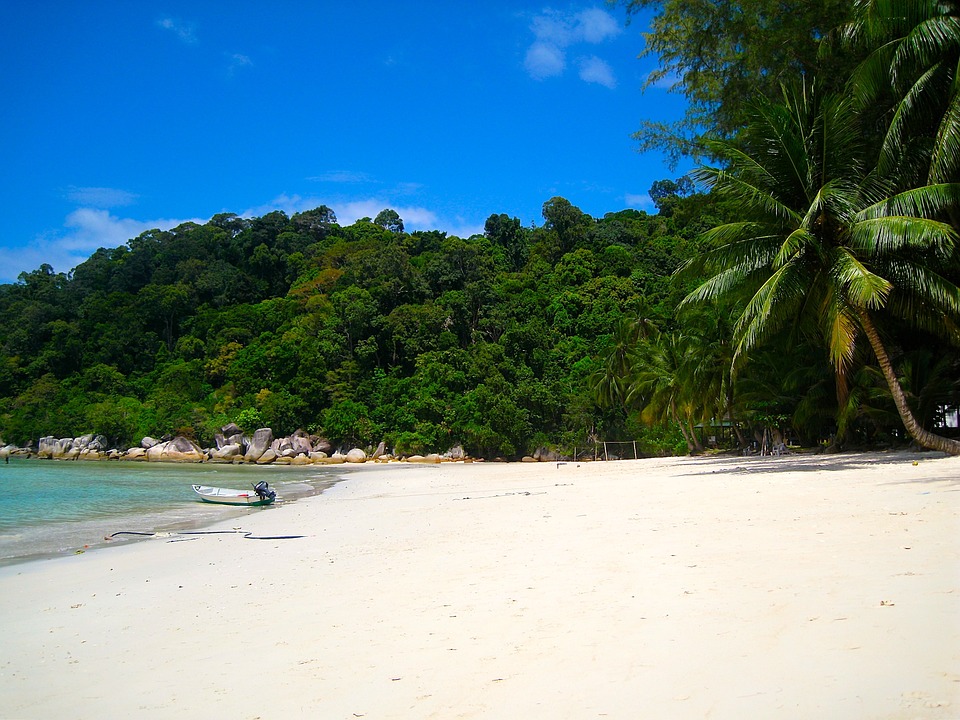
Securing your dream beach house in Florida involves a series of well-defined steps, each crucial for a smooth and successful transaction. From identifying the right professionals to understanding the intricate details of the property and the closing itself, a methodical approach ensures you are well-prepared. This section delves into the essential elements of the acquisition journey, empowering you with the knowledge to navigate the process with confidence.
The Indispensable Role of a Coastal Real Estate Agent
Engaging a real estate agent who specializes in Florida’s coastal properties is not merely a recommendation; it is a strategic imperative. These professionals possess an intimate understanding of the unique dynamics of beach real estate, offering invaluable benefits to prospective buyers. Their expertise extends far beyond simply locating available homes. They are adept at identifying properties that align with your specific desires, whether that be direct oceanfront access, proximity to vibrant coastal communities, or a secluded beachfront escape.
They understand the subtle market fluctuations, the impact of seasonal tourism on pricing, and the long-term investment potential of various coastal locations. Furthermore, their negotiation skills are honed by years of experience in this specialized market. They can effectively communicate your offer, highlight the strengths of a property from a buyer’s perspective, and navigate counter-offers with a strategic mindset. This can often lead to securing a better price and more favorable terms than a buyer might achieve independently.
They also act as a vital conduit for information, connecting you with trusted inspectors, legal counsel, and mortgage brokers who are familiar with coastal property transactions. Their established network and industry knowledge can significantly streamline the entire buying process, saving you time, reducing stress, and ultimately contributing to a more satisfying outcome. Without such an agent, buyers risk overlooking key opportunities, misunderstanding market values, or entering into negotiations without the necessary leverage.
The Critical Importance of Thorough Property Inspections for Beach Homes, Beach houses for sale in florida
When acquiring a beach house in Florida, a comprehensive property inspection is paramount, far exceeding the standard checklist for inland properties. The coastal environment presents unique challenges and potential vulnerabilities that require meticulous scrutiny. Structural integrity is a primary concern; agents and inspectors will pay close attention to the foundation, framing, and any signs of stress or damage caused by salt air, high winds, and shifting sands.
The roofing system is another critical area, as it bears the brunt of tropical storms and intense sun exposure. They will assess the age, condition, and material of the roof, looking for any signs of wear, leaks, or potential storm damage. Plumbing systems in coastal areas can be susceptible to corrosion from salt spray and potential issues with septic systems if not properly maintained.
Electrical systems also require careful examination, as salt and humidity can accelerate wear and tear, posing safety risks. Perhaps most importantly for beachfront properties, the condition of seawalls, bulkheads, or any other erosion control measures must be thoroughly evaluated. The rate of coastal erosion can significantly impact property value and long-term stability. An inspector will assess the integrity of these structures, their history of repairs, and any potential risks associated with their current condition.
Understanding these potential issues upfront allows buyers to make informed decisions, negotiate repairs or price adjustments, or even withdraw from a purchase if the risks are deemed too high.
A Step-by-Step Guide to the Closing Process for a Beach House Purchase
The closing process, often referred to as settlement, is the culmination of your beach house acquisition journey, where ownership officially transfers from seller to buyer. This complex but structured phase involves several key players and essential documentation.The initial step typically involves the execution of a purchase agreement, outlining the terms and conditions of the sale. Once contingencies, such as financing and inspection, are met, the contract moves towards closing.
A crucial entity in this process is the title company. They conduct a thorough title search to ensure the seller has clear and marketable title to the property, free from any liens, encumbrances, or claims that could jeopardize your ownership. They will also issue title insurance, protecting both the buyer and the lender against any unforeseen title defects.An escrow agent, often part of the title company or a separate entity, acts as a neutral third party.
They hold all funds and documents related to the transaction in trust until all conditions of the sale are satisfied. This includes the buyer’s earnest money deposit and the mortgage lender’s funds. The escrow agent disburses these funds to the appropriate parties, such as the seller, real estate agents, and any outstanding liens, once the closing is finalized.The documentation required to finalize the transaction is extensive and includes:
- The Closing Disclosure (CD): This legally mandated document provides a detailed breakdown of all loan terms, projected monthly payments, and a comprehensive list of all closing costs and fees for both the buyer and seller. It must be provided to the buyer at least three business days before closing.
- The Deed: This is the legal document that transfers ownership of the property from the seller to the buyer. It will be recorded with the county public records.
- The Mortgage Note: If financing is involved, this is the borrower’s promise to repay the loan.
- The Mortgage or Deed of Trust: This document secures the loan by pledging the property as collateral.
- Proof of Homeowners Insurance: Lenders require proof of adequate insurance coverage for the property.
- Final Walk-Through Inspection: Typically conducted 24-48 hours before closing, this ensures the property is in the agreed-upon condition.
On the day of closing, typically held at the title company’s office, all parties will review and sign the necessary documents. Funds will be transferred, and once all signatures are affixed and funds are verified, the deed is officially recorded, making you the proud owner of your Florida beach house.
Discover the lifestyle advantages and community aspects of living in a Florida beach house.
Living in a Florida beach house offers a unique blend of daily sensory delights and a vibrant community spirit, far beyond just owning a property. It’s an immersion into a lifestyle where the rhythm of the tides often dictates the pace of life, and the sun-drenched shores become an extension of your living space. From the gentle lapping of waves against the sand to the breathtaking hues of a sunset painting the sky, the everyday experience is infused with natural beauty and a sense of well-being.
This idyllic setting fosters a connection to the environment that is both invigorating and profoundly peaceful, making a beach house more than just a residence; it’s a gateway to a life well-lived.The allure of a Florida beach house extends to a wealth of recreational opportunities, catering to every inclination. Mornings might begin with a refreshing swim in the crystal-clear ocean waters, followed by a leisurely paddleboard excursion as the sun climbs higher.
The coastline is a playground for boating enthusiasts, offering access to tranquil bays for sailing or the open sea for deep-sea fishing adventures. Imagine casting a line from your own dock or embarking on a chartered fishing trip, returning with a fresh catch to be prepared for a delightful meal. Waterfront dining is a cornerstone of the beach lifestyle, with numerous restaurants offering fresh seafood and stunning ocean views, perfect for romantic dinners or lively gatherings with friends.
Evenings can be spent strolling along the beach, collecting seashells, or simply gazing at the stars, a nightly spectacle amplified by the absence of city lights. The constant proximity to the water provides endless opportunities for relaxation, exercise, and enjoyment, ensuring that boredom is rarely an option.
Daily Experiences and Recreational Opportunities
The daily rhythm of life in a Florida beach house is intrinsically tied to the natural environment, offering a constant stream of engaging activities. Waking up to the sound of the ocean is a common, yet always special, experience. Many residents begin their day with a walk or jog on the beach, feeling the soft sand underfoot and breathing in the fresh, salty air.
Swimming is a year-round activity in many parts of Florida, with the warm waters providing a perfect escape from the everyday. For those who prefer to be on the water rather than in it, boating is a significant part of the beach house lifestyle. Whether it’s a small sailboat gliding across a calm bay or a powerful motorboat heading out for a day of fishing, the access to the water is unparalleled.
Fishing, in particular, is a cherished pastime, with opportunities ranging from surf fishing to chartering a boat for a deep-sea adventure. The bounty of the ocean often finds its way to local tables, with many residents enjoying freshly caught fish prepared at home or at one of the many waterfront restaurants. These establishments are more than just places to eat; they are social hubs where the community gathers to share stories and enjoy the breathtaking views.
The vibrant marine life also offers opportunities for snorkeling and diving, exploring colorful coral reefs and swimming alongside diverse aquatic species. Sunset cruises are another popular way to experience the coastline, offering a serene and picturesque end to the day. The sheer abundance of water-based activities ensures that life in a Florida beach house is dynamic, healthy, and deeply connected to the surrounding natural beauty.
Social Fabric and Community Engagement
Florida beach towns are renowned for their strong sense of community and active social engagement, fostering a welcoming environment for residents. This isn’t just about shared proximity to the ocean; it’s about a genuine connection that develops among people who choose to embrace the coastal way of life. Local events are the lifeblood of these communities, ranging from lively farmers’ markets and art festivals to holiday parades and charity fundraisers.
These gatherings provide ample opportunities for residents to meet, socialize, and strengthen their bonds. Many beach communities have active resident associations that play a crucial role in maintaining the quality of life, organizing neighborhood watch programs, advocating for local improvements, and planning social events. These associations often serve as a central point of communication and collaboration, ensuring that the unique character of the town is preserved.
The sense of belonging is palpable; neighbors often know each other by name, offering a helping hand or a friendly chat. This camaraderie is especially prevalent in smaller, more established beach enclaves where a shared history and a common appreciation for the coastal lifestyle create a powerful sense of unity. It’s common to see impromptu gatherings on porches, shared gardening efforts, or collective efforts to protect local natural resources.
This active engagement contributes to a feeling of security and mutual support, making Florida beach towns not just desirable places to live, but also places where genuine friendships flourish and a true sense of home is found.
Comparison of Beach House Living Experiences
The experience of living in a Florida beach house varies significantly depending on the specific location, offering a spectrum from bustling tourist hubs to tranquil, secluded enclaves. Popular tourist destinations, such as parts of Miami Beach or Clearwater, offer a vibrant, high-energy lifestyle. Here, residents are immersed in a constant buzz of activity, with an abundance of restaurants, shops, nightlife, and entertainment options readily available.
The proximity to world-class amenities and a diverse international population contributes to a dynamic and cosmopolitan atmosphere. This environment is ideal for those who thrive on excitement, enjoy constant social interaction, and appreciate the convenience of having everything at their doorstep. However, this vibrancy can also mean more crowds, higher property values, and a faster pace of life.In contrast, more secluded coastal enclaves, like those found on the Forgotten Coast or in certain areas of the Florida Keys, offer a serene and tranquil existence.
These areas are characterized by pristine natural beauty, abundant wildlife, and a slower pace of life. Residents often seek out these locations for peace, privacy, and a deep connection with nature. Daily life might revolve around fishing, kayaking, birdwatching, or simply enjoying the quiet solitude of a private beach. The social fabric here is often tighter-knit, with a strong emphasis on neighborly relationships and a shared appreciation for the unspoiled environment.
While these areas offer unparalleled tranquility, they may have fewer amenities and require longer drives to access larger shopping centers or entertainment venues.Another distinct experience is found in planned beach communities, which often blend aspects of both. These developments typically offer a range of amenities, such as private beach access, swimming pools, golf courses, and community centers, fostering a sense of belonging and organized recreation.
They can provide a structured environment with built-in social opportunities while still offering a degree of privacy and access to natural beauty. The choice between these different types of beach house living ultimately depends on individual preferences for lifestyle, desired level of activity, and tolerance for crowds versus a preference for quiet solitude.
Last Point
In conclusion, securing a beach house in Florida is a multifaceted endeavor, blending dreams with practical realities. Understanding the distinct coastal environments, embracing resilient architectural styles, navigating complex regulations, and planning for financial commitments are all vital steps. The journey, while detailed, culminates in the reward of a lifestyle that is both exhilarating and profoundly tranquil, offering a unique opportunity to invest in not just property, but in an enduring vision of coastal living.
Key Questions Answered
What are the typical maintenance challenges for Florida beach houses?
Beach houses in Florida face unique maintenance demands due to salt spray, high humidity, and intense sun. Regular cleaning of exterior surfaces to prevent corrosion and mildew, checking for signs of rust on metal components, and inspecting roofing and siding for damage from wind and sand are crucial. Wood elements require frequent sealing or treatment, and HVAC systems need diligent upkeep to combat humidity and salt air.
How do hurricanes affect beach house insurance in Florida?
Hurricane risk significantly impacts insurance costs for Florida beach houses. Insurers assess flood zone designations, elevation certificates, and the home’s construction materials and features (like impact-resistant windows and reinforced roofs). Buyers can expect higher premiums and may need separate flood insurance policies, often through the National Flood Insurance Program (NFIP) or private insurers, with deductibles that can be substantial, especially for wind damage.
Are there specific restrictions on short-term rentals for beach houses in Florida?
Yes, Florida has varying regulations on short-term rentals. While some areas are very permissive, others have strict limitations or outright bans, often dictated by local ordinances or homeowner association (HOA) rules. It’s essential for buyers to research the specific rules of the municipality and any applicable HOA covenants before purchasing a beach house with the intention of renting it out short-term.
What is an elevation certificate, and why is it important for beach house buyers?
An elevation certificate is a document that verifies the elevation of a building’s lowest floor relative to the base flood elevation (BFE). It’s critical for beach house buyers because it directly influences flood insurance premiums. A higher elevation generally leads to lower insurance costs, and the certificate is often required by lenders and insurance companies.