As florida homes takes center stage, this opening passage beckons readers into a world crafted with good knowledge, ensuring a reading experience that is both absorbing and distinctly original. This exploration delves into the multifaceted allure of residences across Florida’s diverse landscapes, from sun-drenched coastal havens to serene inland retreats and vibrant retirement communities. We’ll uncover the unique architectural styles, community vibes, and environmental considerations that shape living in the Sunshine State, setting the stage for a comprehensive understanding of what makes Florida homes so sought after.
Beyond the picturesque settings, we will navigate the intricate financial landscape of acquiring property in Florida. This includes a thorough examination of current market trends, average price points, and appreciation rates, alongside a detailed breakdown of financing options, mortgage considerations, and the often-overlooked closing costs and ongoing expenses. For those embarking on their homeownership journey, a hypothetical budget for a first-time buyer in a mid-sized Florida city will provide practical insights into savings and investment strategies.
Unveiling the Diverse Appeal of Residences Across Florida’s Varied Landscapes

Florida, a state celebrated for its sunshine and diverse geography, offers a remarkable spectrum of residential living. From the shimmering coastlines to the tranquil inland communities and specialized retirement enclaves, each region presents a unique housing proposition tailored to distinct lifestyles and preferences. Understanding these variations is key to appreciating the full breadth of Florida’s real estate market and the opportunities it presents for homeowners and investors alike.
This exploration delves into the distinct characteristics, advantages, and considerations that define residences across these varied Florida landscapes.
Coastal Region Residences: A Symphony of Sun, Sand, and Sea
Florida’s extensive coastline, a defining feature of its allure, hosts a vibrant array of residential properties, each reflecting the unique rhythm of life by the ocean. Architectural styles along the coast are often a blend of practicality and aesthetic appeal, designed to embrace the climate and capitalize on breathtaking views. Many homes feature elevated foundations to mitigate flood risks, a crucial consideration in these low-lying areas.
Common architectural elements include expansive windows and sliding glass doors to maximize natural light and ocean vistas, open-concept floor plans that facilitate a breezy, indoor-outdoor living experience, and the use of durable, weather-resistant materials such as concrete block construction, stucco exteriors, and impact-resistant glass. Balconies, patios, and lanais are ubiquitous, serving as extensions of living space where residents can enjoy the ocean air and stunning sunsets.The lifestyle supported by coastal residences is inherently tied to recreation and relaxation.
Proximity to beaches, boating, fishing, and water sports is a primary draw. Many coastal communities are designed with a resort-like feel, featuring amenities such as private beach access, swimming pools, marinas, and community clubhouses. This environment appeals to a broad demographic, including families seeking a vacation-like atmosphere year-round, professionals drawn to the active lifestyle, and retirees looking for a serene and engaging coastal existence.
Architectural trends also lean towards maximizing views and capturing the gentle sea breezes, with styles like Mediterranean Revival, Coastal Contemporary, and Mid-Century Modern often adapted to suit the environment. For instance, the Mediterranean Revival style, with its red-tiled roofs, arched doorways, and stucco facades, not only offers a timeless aesthetic but also provides excellent protection against harsh sun and wind.
Coastal Contemporary homes often feature clean lines, large expanses of glass, and natural materials, emphasizing a seamless connection with the surrounding marine environment. The lifestyle is characterized by a slower pace, with ample opportunities for outdoor activities and social gatherings centered around the water. Many neighborhoods boast walkable access to local shops, restaurants, and entertainment, further enhancing the convenience and desirability of coastal living.
The integration of smart home technology is also becoming more prevalent, allowing residents to manage climate control and security remotely, a valuable feature given the potential for rapid weather changes. The emphasis on natural light and airflow is paramount, with many homes incorporating courtyards, screened porches, and ceiling fans to enhance comfort and reduce reliance on air conditioning. The sound of the waves often becomes a natural soundtrack to daily life, contributing to a sense of tranquility and well-being.
Navigating the Financial Landscape of Acquiring Property in the Sunshine State
Embarking on the journey to own a piece of Florida real estate involves understanding its dynamic financial ecosystem. This section delves into the crucial financial considerations, from market trends and financing avenues to the ongoing costs of ownership, providing a clear roadmap for potential buyers. A well-informed approach to these financial aspects is paramount to making a sound investment and enjoying your Florida home without undue stress.
Florida Real Estate Market Trends and Investment Potential
The Florida real estate market has demonstrated remarkable resilience and consistent growth over the past decade, attracting a diverse range of buyers, from retirees and vacationers to investors seeking robust returns. Average price points vary significantly across the state, reflecting regional economic health, proximity to attractions, and the type of property. For instance, coastal areas like Miami and Naples often command higher prices due to their desirability and limited supply, while inland cities and more rural areas offer more accessible entry points.
Recent appreciation rates have been a significant draw, with many Florida markets experiencing annual appreciation exceeding national averages, though this can fluctuate based on economic cycles and specific local demand. Factors such as population growth, job creation, and tourism continue to fuel this demand. For example, areas along the Gulf Coast, such as Sarasota and Fort Myers, have seen substantial appreciation driven by their lifestyle appeal and developing infrastructure.
Similarly, Central Florida, with its proximity to theme parks and growing tech sector, has also experienced consistent price increases. Understanding these trends allows buyers to identify opportune moments and locations for their investment. It’s important to note that while appreciation is a positive indicator, it also means that initial purchase prices may be higher than in previous years. Buyers should research specific neighborhood trends and consult with local real estate professionals to gain a nuanced understanding of the market dynamics in their target area.
Discover how homes mobile homes has transformed methods in this topic.
The state’s favorable tax environment, with no state income tax, also contributes to its appeal for both residents and investors, further bolstering property values.
Financing Options and Mortgage Considerations for Florida Homes
Securing financing is a cornerstone of purchasing a Florida home, and understanding the available options and associated considerations is crucial for a smooth transaction. Buyers typically face a range of mortgage products, each with its own set of requirements and benefits. Traditional conventional loans, often requiring a down payment of 20% to avoid private mortgage insurance (PMI), are widely available.
Federal Housing Administration (FHA) loans offer a lower down payment option, typically around 3.5%, making them accessible to first-time homebuyers or those with less cash upfront, though they come with mortgage insurance premiums. Department of Veterans Affairs (VA) loans are a fantastic option for eligible veterans, often requiring no down payment and no PMI. When considering a mortgage, the pre-approval process is a critical first step.
This involves a lender reviewing your financial history, including credit score, income, and debt-to-income ratio, to determine how much you can borrow. Potential challenges can include a lower credit score impacting interest rates or loan eligibility, or a high debt-to-income ratio limiting borrowing capacity. Interest rates are a significant factor, and locking in a favorable rate can save thousands over the life of the loan.
Buyers should shop around with multiple lenders to compare rates and terms. For those purchasing in flood-prone areas, which are prevalent in Florida, flood insurance will be a mandatory addition to your mortgage, adding to the overall monthly cost. Understanding the nuances of each loan type, the importance of a strong credit profile, and the impact of interest rates will empower buyers to make informed decisions and secure the most suitable financing for their Florida home.
Typical Closing Costs and Ongoing Expenses of Florida Homeownership
Beyond the purchase price, a Florida home comes with a set of closing costs and recurring expenses that must be factored into a buyer’s budget. Closing costs are the fees and expenses incurred at the time of sale, typically ranging from 2% to 5% of the loan amount. These can include appraisal fees, title insurance, lender fees, recording fees, and attorney fees.
For instance, a $300,000 home might incur closing costs between $6,000 and $15,000. Ongoing expenses are equally important to consider for long-term affordability. Property taxes are a significant recurring cost, with rates varying by county and municipality. Florida property taxes are generally based on the assessed value of the property, and homestead exemptions can reduce this burden for primary residences.
Insurance is another critical expense, especially in Florida, due to its susceptibility to hurricanes and other natural disasters. Homeowners insurance is mandatory, and in coastal or flood-prone areas, separate flood insurance policies are often required, significantly increasing the annual premium. Homeowner Association (HOA) fees are common in many Florida communities, particularly in condominium complexes and master-planned developments. These fees cover the maintenance of common areas, amenities like pools and clubhouses, and sometimes even basic cable or internet.
They can range from under $100 to several hundred dollars per month, depending on the services provided. Utilities, such as electricity, water, and sewer, also contribute to monthly expenses, and these can be higher in Florida’s warmer climate due to increased air conditioning usage. Regular maintenance and potential repairs, such as roof upkeep or HVAC servicing, should also be budgeted for.
Hypothetical Budget for a First-Time Homebuyer in Florida
Let’s consider a hypothetical first-time homebuyer, Sarah, looking to purchase a modest residence in a mid-sized Florida city like Lakeland. Sarah has saved $30,000 for a down payment and closing costs. She’s targeting a home priced at $250,000. With a 10% down payment ($25,000), her loan amount would be $225,000. Assuming a 6.5% interest rate on a 30-year mortgage, her principal and interest payment would be approximately $1,422 per month.Here’s a breakdown of potential savings and investment strategies for Sarah:* Down Payment Strategy: Sarah could aim for a 20% down payment ($50,000) to avoid PMI.
This would mean saving an additional $20,000, but it would lower her monthly mortgage payment and overall interest paid. Alternatively, she could explore FHA loans, which allow for a 3.5% down payment ($8,750), freeing up more of her savings for closing costs and an emergency fund, though she would incur mortgage insurance premiums.
Closing Costs Estimation
For a $250,000 home, closing costs might range from 3% to 4% of the loan amount, roughly $6,750 to $9,000. Sarah’s initial $30,000 savings would comfortably cover this, leaving her with a substantial emergency fund.
Monthly Expenses Projection
Mortgage (P&I)
$1,422 (for 10% down)
Property Taxes
Estimating 1.2% of home value annually, roughly $250 per month.
Homeowners Insurance
Assuming $1,500 annually, approximately $125 per month.
Flood Insurance
If required, an additional $600 annually, or $50 per month.
HOA Fees
Let’s assume $50 per month for a community with basic amenities.
Utilities
Estimating $250 per month for electricity, water, and sewer.
Total Estimated Monthly Housing Cost
Approximately $2,147.* Investment Strategy: Sarah could consider investing a portion of her remaining savings in a low-risk, short-term investment vehicle while she saves for a larger down payment. Alternatively, she could explore first-time homebuyer programs offered by the state of Florida or local municipalities, which may provide down payment assistance or closing cost grants. She should also diligently track her spending to maximize her savings rate for future home improvements or to pay down her mortgage faster.
For example, reducing discretionary spending by $200 per month could allow her to make an extra principal payment annually, saving significant interest over time.
Exploring the Lifestyle and Community Benefits of Florida Living

Florida, often envisioned as a sun-drenched paradise, offers a lifestyle that extends far beyond its picturesque beaches and vibrant sunsets. For residents of Florida homes, this state presents a rich tapestry of recreational pursuits, cultural experiences, and a palpable sense of community, all contributing to a diverse and fulfilling way of life. The Sunshine State is a playground for those who love the outdoors, with an abundance of opportunities catering to every interest.
From the thrill of water sports on the Gulf Coast to the serene beauty of the Everglades, outdoor enthusiasts find their haven here.The recreational activities available to Florida homeowners are as varied as the state’s landscapes. Along the coastlines, activities like swimming, sunbathing, and building sandcastles are perennial favorites, but the options quickly expand. Boating and sailing are integral to the Florida experience, with countless marinas and waterways providing access to the Atlantic Ocean and the Gulf of Mexico.
Fishing, whether deep-sea angling for marlin and tuna or inshore fishing for redfish and snook, is a passion for many. For those who prefer land-based activities, Florida boasts world-class golf courses, many with challenging layouts and stunning views. Hiking and biking trails wind through state parks and nature preserves, offering opportunities to discover the state’s unique flora and fauna. Beyond the active pursuits, Florida’s cultural scene is thriving.
Major cities like Miami, Orlando, Tampa, and Jacksonville are hubs for arts and entertainment, featuring renowned museums, art galleries, theaters, and live music venues. Residents can enjoy Broadway shows, opera performances, and a diverse array of musical acts. The state also hosts numerous festivals throughout the year, celebrating everything from food and music to art and heritage, providing constant opportunities for engagement and enjoyment.The lifestyle possibilities are truly diverse.
Imagine starting your day with a sunrise jog on the beach, followed by an afternoon exploring a historic downtown district, and concluding with an evening at a sophisticated restaurant or a lively outdoor concert. For families, the allure often lies in the abundance of theme parks, zoos, and aquariums, offering endless entertainment for children and adults alike. The presence of numerous springs, rivers, and lakes also opens up opportunities for kayaking, paddleboarding, and freshwater fishing.
For those seeking a more tranquil existence, the numerous retirement communities offer a relaxed pace of life with access to social activities and amenities. The sheer variety ensures that whether one is an adrenaline junkie, a culture vulture, a nature lover, or simply seeking a peaceful retreat, Florida can accommodate and enrich their chosen lifestyle.
Factors Contributing to Community Desirability
The appeal of a specific Florida community for homeowners is a multifaceted equation, influenced by a confluence of practical considerations and lifestyle enhancements. It’s not just about the climate; it’s about how well a community integrates essential services, educational opportunities, and the inherent beauty of its surroundings to create an environment where residents can truly thrive. These elements combine to form a compelling proposition for prospective homeowners, influencing their decision-making process and ultimately their satisfaction with their chosen abode.
The desirability of a Florida community is a carefully balanced interplay of tangible assets and intangible qualities.Several key factors consistently emerge as critical determinants of a community’s attractiveness. Proximity to amenities is paramount. This includes convenient access to shopping centers, diverse dining options, healthcare facilities, and major transportation routes. A community that offers a wide array of services within a short driving distance significantly enhances the daily lives of its residents, reducing commute times and increasing convenience.
For families, the quality of school districts is a non-negotiable consideration. Highly-rated public and private schools often draw families to specific areas, contributing to a stable and engaged community demographic. Beyond the immediate necessities, the natural beauty of a location plays a crucial role. This can manifest in various forms: the pristine sands and clear waters of coastal towns, the lush greenery and mature trees of inland suburbs, or the proximity to protected natural areas like state parks and wildlife refuges.
Access to these natural assets provides opportunities for recreation and a higher quality of life.Furthermore, the sense of community itself is a significant draw. This can be fostered through well-maintained common areas, organized neighborhood events, and a general atmosphere of friendliness and safety. The presence of active homeowner associations that are responsive to resident needs can also contribute to a desirable living environment.
For those who value a particular lifestyle, the availability of specific recreational facilities, such as golf courses, tennis clubs, marinas, or fitness centers, can be a deciding factor. The economic vitality of an area, indicated by job opportunities and a stable local economy, also contributes to long-term desirability and property value appreciation. Finally, the architectural style and overall aesthetic of a community, whether it’s a charming historic district or a modern, master-planned development, can significantly influence its appeal to a broad range of buyers.
The best communities often strike a harmonious balance between these diverse elements, creating a place that is not only functional but also fosters a strong sense of belonging and well-being.
Advantages of Investing in Florida Real Estate for Long-Term Wealth Building and Personal Enjoyment
Investing in Florida real estate presents a compelling dual opportunity: the potential for substantial long-term wealth accumulation and the immediate gratification of personal enjoyment. The Sunshine State’s robust economy, growing population, and attractive lifestyle factors create a fertile ground for property value appreciation and consistent rental income. This makes it a strategically sound choice for both seasoned investors and individuals looking to secure their financial future while simultaneously enjoying the benefits of property ownership in a desirable location.
The allure of Florida real estate lies in its ability to deliver on multiple fronts, offering a tangible asset that can grow in value over time.The advantages of investing in Florida for long-term wealth building are manifold. Firstly, Florida has historically demonstrated strong property value growth, driven by consistent demand from both domestic and international buyers, as well as a favorable business climate that attracts new residents and companies.
This sustained appreciation means that the initial investment is likely to increase in value over the years, providing a significant return on capital. Secondly, the state’s popularity as a tourist destination and a retirement haven creates substantial rental potential. This is particularly true for properties located in popular coastal areas, near major attractions, or in communities catering to seniors. The ability to generate consistent rental income can offset mortgage payments, cover maintenance costs, and provide a steady stream of passive income, further enhancing the investment’s profitability.Moreover, Florida’s landlord-friendly regulations and tax advantages, such as the absence of state income tax, can make it a more attractive market for real estate investors compared to other states.
The continuous influx of new residents, seeking both economic opportunities and a desirable lifestyle, ensures a steady demand for housing, both for purchase and for rent. This sustained demand is a critical factor in maintaining property values and rental rates. Beyond the financial returns, investing in Florida real estate offers the invaluable benefit of personal enjoyment. Owning a property in Florida allows for a vacation home, a seasonal retreat, or even a future retirement residence, providing a tangible asset that can be enjoyed by the owner and their family.
The ability to use the property for personal vacations can lead to significant savings on travel and accommodation costs, adding another layer of value to the investment. For instance, a family might purchase a condo in Orlando, using it for their annual theme park visits and renting it out for the rest of the year, thereby generating income and enjoying their own vacation spot.
This dual purpose of investment and personal use is a significant draw for many.
Obtain a comprehensive document about the application of Cheap Mobile Homes for Sale in Palm Beach County that is effective.
Finding and Securing a Suitable Rental Property in Florida for Individuals or Families Considering a Temporary Stay, Florida homes
For individuals or families considering a temporary stay in Florida, navigating the rental market to find a suitable property requires a systematic approach. The process involves understanding the available options, identifying key criteria, and executing a search that aligns with specific needs and timelines. Whether for a short vacation, a temporary work assignment, or an extended visit, securing a comfortable and convenient rental is essential for a positive experience in the Sunshine State.
The diverse nature of Florida’s rental market means there are options to suit almost any preference or budget.The initial step in finding a rental property is to define the requirements. This includes determining the desired location, which might be dictated by proximity to work, family, attractions, or specific amenities. Consider the type of property needed – an apartment, a house, a townhouse, or perhaps a vacation rental with specific features.
Remember to click home houses to understand more comprehensive aspects of the home houses topic.
The duration of the stay is also crucial, as it will influence the type of rental agreement available, with options ranging from short-term vacation rentals to longer-term leases. Budget is, of course, a primary consideration, and it’s important to factor in not just the monthly rent but also potential utility costs, security deposits, and any associated fees.Once these parameters are established, the search can commence.
A multitude of resources are available for finding rental properties in Florida. Online rental platforms and real estate websites are excellent starting points, offering extensive listings with detailed descriptions, photos, and often virtual tours. These platforms allow users to filter searches based on location, price, property type, and amenities. For vacation rentals, specialized websites catering to short-term stays are invaluable.
Local real estate agents who specialize in rentals can also be a great asset, providing expert knowledge of specific areas and access to listings that may not be widely advertised. Engaging with a local agent can streamline the process, especially for those unfamiliar with the Florida rental market.When a potential property is identified, it’s important to arrange a viewing, either in person or virtually.
During the viewing, pay close attention to the condition of the property, the functionality of appliances and systems, and the overall neighborhood atmosphere. Reviewing the lease agreement carefully is paramount before signing. This document Artikels the terms and conditions of the rental, including rent payment schedules, security deposit policies, rules regarding pets or smoking, and the duration of the lease.
Understanding these terms will prevent future misunderstandings. Securing the property typically involves submitting a rental application, which may require providing personal information, proof of income, and references. A security deposit and the first month’s rent are usually required upfront to finalize the rental agreement. For those seeking very short-term stays, such as a week or two, vacation rental platforms offer a more direct booking process, often with immediate confirmation and clear payment instructions.
Last Word: Florida Homes
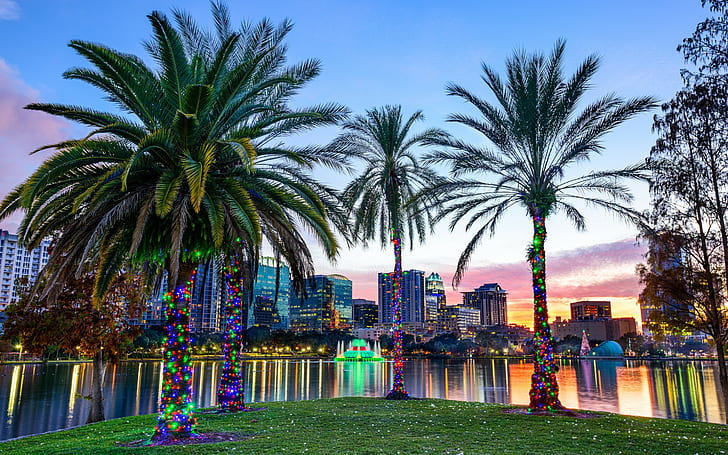
In essence, Florida homes offer a compelling blend of lifestyle, investment potential, and diverse living environments. Whether you’re drawn to the coastal breeze, the tranquility of inland suburbs, or the active social scene of a retirement community, understanding the nuances of the market, the legal processes, and the financial commitments is key to making an informed decision. This comprehensive overview aims to equip you with the knowledge to confidently navigate the path to owning a piece of paradise in the Sunshine State, ensuring your Florida living experience is as rewarding as it is well-founded.
FAQ Section
What are the most common architectural styles for Florida homes?
Common styles include Mediterranean Revival, Coastal, Ranch, and Mid-Century Modern, often featuring elements like stucco exteriors, tile roofs, open floor plans, and large windows to embrace the climate.
Are flood and hurricane insurance mandatory for Florida homes?
While not always legally mandated by the state, lenders typically require flood insurance for properties in designated flood zones. Hurricane coverage is often included in standard homeowners’ policies, but it’s crucial to verify the specifics and consider separate windstorm insurance in high-risk coastal areas.
What is the typical property tax rate in Florida?
Property tax rates vary significantly by county and municipality, but Florida generally has relatively low property taxes compared to other states, often ranging from 0.8% to 2% of the property’s assessed value.
How long does the home buying process typically take in Florida?
The process can vary, but generally, from offer acceptance to closing, it takes approximately 30 to 60 days, depending on financing, inspections, and any specific contingencies.
What are the advantages of buying a home in a Florida retirement community?
These communities often offer a wealth of amenities like golf courses, pools, fitness centers, and social activities, along with maintenance-free living and a built-in social network for active seniors.