Home houses represent far more than just physical structures; they are the very foundation of our emotional well-being and sense of belonging. This exploration delves into the profound connection we forge with these spaces, examining how they shape our identities, provide sanctuary, and evolve with us through time and technology.
We will journey through the multifaceted nature of home houses, from their deep psychological impact and diverse architectural expressions to their role in family dynamics and their adaptation to modern, sustainable living. Understanding what constitutes a ‘home’ is a continuous process, reflecting our deepest needs and aspirations for security, comfort, and connection.
The Profound Emotional Resonance of ‘Home Houses’

The concept of a ‘home house’ transcends the purely functional aspect of shelter; it delves deep into the human psyche, stirring a complex tapestry of emotions that are fundamental to our well-being. At its core, the need for a home is a primal instinct, an intrinsic drive for safety and security that has shaped human civilization from its earliest days.
This isn’t merely about warding off the elements or physical threats, but about cultivating an environment where our emotional selves can flourish, where we feel a profound sense of belonging and acceptance. Across diverse cultures, this fundamental need is expressed through a myriad of architectural styles and traditions, each reflecting a unique understanding of what constitutes a safe and nurturing space.
From the communal longhouses of indigenous peoples, fostering a strong sense of collective identity, to the meticulously designed courtyard homes of ancient Persia, prioritizing privacy and inner tranquility, the physical manifestation of ‘home’ is a testament to our enduring quest for emotional refuge. Even in more contemporary settings, the desire for a personal sanctuary, a place that reflects our individuality and provides solace from the outside world, remains a constant.
This innate yearning for a secure and emotionally resonant dwelling underscores the fact that a house is more than just bricks and mortar; it is a vessel for our deepest emotional needs.The psychological impact of a well-designed and comforting living space is immeasurable, directly influencing our mood, productivity, and overall sense of happiness. Architectural elements and interior design choices are not arbitrary; they are carefully curated to evoke specific feelings and foster a particular atmosphere.
For instance, the strategic use of natural light can uplift spirits and create a sense of openness, while a well-placed window offering a view of nature can reduce stress and promote a feeling of connection to the external world. The choice of materials also plays a significant role; warm, natural materials like wood and stone often contribute to a feeling of groundedness and stability, whereas cool, sterile surfaces might inadvertently create a sense of detachment.
Color palettes are equally important, with calming blues and greens promoting tranquility, and warmer tones like yellows and oranges fostering a sense of energy and cheerfulness. Beyond these aesthetic considerations, the layout and flow of a home are crucial. Spaces that encourage interaction and connection, such as open-plan living areas, can foster stronger family bonds, while private nooks and personal retreats offer opportunities for quiet contemplation and rejuvenation.
These elements, when thoughtfully integrated, create an environment that not only shelters the body but also nourishes the soul, contributing to a pervasive sense of peace, happiness, and stability that is universally appreciated, regardless of cultural background.The deep connection individuals form with their ‘home houses’ is forged through a rich tapestry of memories, traditions, and the very essence of their identity.
A home is not merely a physical structure; it is a living repository of our life experiences, a silent witness to our joys, sorrows, and personal growth. Think of the scent of a grandparent’s kitchen, forever imprinted on your olfactory memory, evoking feelings of warmth and comfort associated with cherished childhood meals. Or consider the worn armchair by the fireplace, a silent observer of countless bedtime stories, hushed conversations, and moments of quiet reflection.
These tangible and intangible elements weave themselves into the fabric of our being, creating a profound sense of belonging. Traditions, whether it’s the annual decorating of a Christmas tree in the living room or the gathering of family for Sunday dinners around a specific dining table, imbue a home with a unique spirit and reinforce familial bonds. Furthermore, the personalization of a living space—the photographs displayed on the mantelpiece, the artwork adorning the walls, the collection of books on the shelves—all serve to articulate and solidify our sense of self.
Our home becomes an extension of our personality, a physical manifestation of who we are and where we come from. Losing such a place can feel like losing a part of oneself, highlighting the inextricable link between our identity and the dwelling that has sheltered us through life’s journey.
Fundamental Human Need for Shelter and Belonging
The fundamental human need for shelter is a cornerstone of our existence, extending far beyond mere physical protection. It is an intrinsic drive that underpins our psychological and emotional well-being, shaping our societies and individual lives. This need for a safe haven is deeply ingrained, a primal instinct that has guided human settlement and development throughout history. It is the bedrock upon which we build our lives, offering a sense of security that allows us to explore, create, and connect with others.
Beyond the obvious function of shielding us from the elements, a dwelling provides a crucial sense of emotional security. It is within the walls of our homes that we can shed the stresses of the outside world, feel safe to be vulnerable, and experience the profound comfort of belonging. This sense of belonging is not just about having a roof over our heads; it’s about having a place where we are accepted, understood, and valued.Across different cultures, this fundamental need is conceptualized and manifested in diverse and fascinating ways, reflecting a deep understanding of the human psyche.
In many indigenous cultures, for instance, communal living structures like longhouses or yurts were not just shelters but vibrant centers of social life, fostering a strong sense of collective identity and mutual support. The emphasis was on shared responsibility and interconnectedness, with the dwelling serving as a physical embodiment of the community’s unity. In contrast, the traditional Japanese minka, or farmhouse, often emphasizes harmony with nature and a minimalist aesthetic, creating a serene and introspective living environment that promotes peace and mindfulness.
The meticulous arrangement of spaces, the use of natural materials, and the integration of gardens all contribute to a sense of tranquility and connection to the natural world. Similarly, the courtyard homes prevalent in many Mediterranean and Middle Eastern cultures prioritize privacy and inner sanctuary. The central courtyard acts as a secluded oasis, a safe and intimate space for family life, shielded from the bustling external world.
This architectural choice speaks to a cultural value placed on family cohesion and personal retreat. Even in modern urban environments, the desire for a personal sanctuary remains paramount. Apartment dwellers often personalize their spaces with art, photographs, and cherished objects, transforming sterile units into unique expressions of self and creating a sense of home that resonates with their individual needs for comfort and security.
“A house is built of walls and beams; a home is built of love and dreams.” – Anonymous
Psychological Impact of Well-Designed Living Spaces
The psychological impact of a well-designed and comforting living space is profound, directly influencing our emotional states, cognitive functions, and overall sense of well-being. The way a space is conceived, from its fundamental architectural elements to the most minute interior design choices, plays a critical role in shaping our feelings of peace, happiness, and stability. This is not merely a matter of aesthetics; it is about creating an environment that actively supports our mental and emotional health.
A thoughtfully designed home can act as a sanctuary, a place where we can recharge, de-stress, and feel a sense of control over our immediate surroundings.Architectural elements and interior design choices that contribute to these positive psychological outcomes are universally appreciated because they tap into fundamental human responses to our environment. For instance, the presence of natural light is a powerful mood enhancer.
Large windows that allow ample sunlight to penetrate a room can reduce feelings of depression and fatigue, while also making a space feel more welcoming and expansive. The orientation of these windows, offering views of nature, can further amplify these benefits, providing a sense of connection to the outdoors and a calming visual distraction. The use of color is another critical factor.
Warm, earthy tones can evoke feelings of coziness and security, while cooler, muted palettes can promote calmness and focus. The strategic application of color can transform a room’s atmosphere, making it feel more inviting or more conducive to relaxation. Materiality also plays a significant role; the tactile experience of natural materials like wood, stone, and soft textiles can create a sense of grounding and comfort, fostering a feeling of being connected to the earth.
Conversely, overly sterile or artificial materials can sometimes contribute to feelings of detachment. The layout and flow of a home are equally important. Spaces that are intuitively navigable and offer a sense of order can reduce stress and promote a feeling of ease. For example, clear pathways and distinct zones for different activities (e.g., a dedicated workspace, a comfortable seating area for relaxation) can enhance functionality and reduce cognitive load.
Even subtle elements like the quality of air circulation and the acoustics of a room can impact our psychological state, contributing to an overall sense of comfort and well-being.
Personal Anecdotes Illustrating the Connection to ‘Home Houses’
The deep connection individuals form with their ‘home houses’ is a testament to the profound emotional resonance these spaces hold in our lives. These dwellings are not simply structures; they become integral to our personal narratives, imbued with memories, traditions, and a sense of identity that is inextricably linked to our place of residence. This connection is often built over time, through shared experiences and the accumulation of personal history within those walls.Consider the hypothetical scenario of a family who has lived in the same house for three generations.
The kitchen, with its slightly worn countertops and the faint scent of spices that lingers from decades of cooking, is more than just a place to prepare meals. It is the heart of countless family gatherings, the stage for birthday celebrations, holiday feasts, and everyday conversations. The marks on the doorframe where each child’s height was measured as they grew serve as tangible reminders of time passing and the evolution of the family.
The living room, where the family has gathered for movie nights and to discuss the day’s events, holds the echoes of laughter and shared moments of quiet companionship. The garden, perhaps lovingly tended by grandparents, becomes a living legacy, with trees planted at significant life events that now stand tall, bearing witness to the passage of time. Traditions are often deeply entwined with the physical space of the home.
For instance, the ritual of hanging ornaments on a specific Christmas tree each year, or the way a particular armchair is always reserved for a certain family member, imbues the home with a unique character and reinforces a sense of continuity. These familiar routines and objects become anchors, providing a stable point of reference in an ever-changing world.This sense of identity is further shaped by how we personalize our living spaces.
The photographs displayed on the walls, capturing moments of joy and connection, tell a visual story of our lives and relationships. The collection of books on a shelf reflects our intellectual pursuits and personal interests. Even the way we arrange our furniture can be an expression of our personality and how we navigate our world. For many, their home house becomes a reflection of their inner selves, a sanctuary that not only provides shelter but also affirms who they are.
This deep-seated connection means that leaving a long-term residence can be an emotionally charged experience, akin to shedding a part of one’s identity. The memories associated with the space, the familiar routines, and the sense of belonging are all deeply woven into the fabric of our lives, making our home houses far more than just buildings, but integral components of our personal journeys.
Exploring the diverse architectural styles that define ‘home houses’ across different geographical regions and historical periods.
The concept of “home” is deeply intertwined with the structures that shelter us, and the architectural styles that define these dwellings are as varied as the human experiences they house. These styles are not merely aesthetic choices; they are profound reflections of climate, available resources, cultural values, and historical context. Understanding this diversity allows us to appreciate the ingenuity and adaptability of human civilization in creating spaces that are both functional and resonant with meaning.
From the sun-baked earth of ancient Mesopotamia to the sleek, glass-and-steel marvels of the modern metropolis, each architectural style tells a story of its origins and its inhabitants.The evolution of domestic architecture is a continuous narrative of innovation and adaptation, shaped by both technological advancements and evolving societal needs. What constitutes a “home house” has been a dynamic concept, constantly redefined by new materials, construction techniques, and philosophical approaches to living.
This exploration delves into some of these distinct styles, showcasing how form follows function, culture, and environment, ultimately shaping the very essence of our built environments.
Comparative Overview of Distinct Architectural Styles
The world’s architectural heritage offers a rich tapestry of domestic design, each style a testament to the unique interplay of human ingenuity and environmental conditions. Examining these distinct styles provides invaluable insight into how cultures have approached the fundamental need for shelter, comfort, and community.One such enduring style is the Japanese traditional house, or Minka. Characterized by its harmonious integration with nature, Minka often feature prominent wooden structures, sliding paper screens (shoji), and tatami mat flooring.
The roofs are typically pitched, often with wide eaves to protect from sun and rain, and are constructed from materials like clay tiles or thatch. The interior layout is fluid, with rooms defined by movable screens, allowing for adaptable living spaces. This flexibility reflects a cultural emphasis on impermanence and a deep respect for the surrounding natural landscape. Materials are primarily natural and locally sourced, such as wood, bamboo, and paper, underscoring a philosophy of sustainability and minimal environmental impact.
The emphasis on natural light and ventilation is a direct response to Japan’s humid climate.In stark contrast, the Mediterranean villa, particularly those found in regions like Italy and Greece, showcases a different set of priorities and influences. These homes often feature thick, whitewashed walls constructed from stone or stucco, providing excellent insulation against the intense summer heat. Courtyards, often shaded by olive trees or grapevines, are central to the design, serving as private outdoor living spaces and facilitating natural cooling through air circulation.
Roofs are typically low-pitched or flat, made from terracotta tiles or stone, designed to withstand arid conditions and direct sunlight. The color palette is dominated by earthy tones, blues, and whites, echoing the natural surroundings of the sea and sky. Materials like local stone, timber for exposed beams, and ceramic tiles are prevalent, reflecting an agrarian and seafaring heritage.Further afield, the Vernacular architecture of the American Southwest offers another compelling example.
Dwellings here, such as the Pueblo style, are intrinsically linked to the desert environment. Materials like adobe – sun-dried bricks made from clay, sand, and straw – are paramount, providing exceptional thermal mass to keep interiors cool during the day and warm at night. The thick walls also offer protection from the harsh desert sun. Buildings often feature flat roofs, sometimes covered with vigas (exposed wooden beams), and small windows to minimize heat gain.
Plastered exteriors, often in earthy hues of red, brown, and beige, blend seamlessly with the natural landscape. This style is a direct adaptation to the arid climate, scarcity of timber, and the indigenous building traditions of the region, emphasizing a profound connection to the earth.
Conceptual Blueprint for a Modern Dwelling: A Fusion of Japanese Minka and Mediterranean Villa
Designing a modern dwelling that artfully blends elements from two contrasting historical architectural styles requires a careful consideration of their core principles and how they can be harmoniously integrated to create a unique and functional living environment. For this conceptual blueprint, we will fuse the organic flow and natural materiality of the Japanese Minka with the robust, sun-drenched qualities of the Mediterranean villa.
The rationale behind this fusion is to create a sanctuary that offers both serene introspection and vibrant communal living, adapting to contemporary lifestyles while honoring timeless architectural wisdom.The proposed dwelling will embrace the Minka’s emphasis on fluidity and connection to nature. This will be achieved through the strategic use of sliding glass doors and expansive windows that blur the lines between interior and exterior spaces, allowing natural light to permeate the home.
The roofline might incorporate gentle, pitched elements reminiscent of Minka, perhaps with deep eaves crafted from sustainable timber, providing shade and a sense of shelter. The interior layout will be open-plan, utilizing movable partitions or screens, inspired by shoji, to offer flexibility in defining living areas. Natural materials will be central, with exposed wooden beams, bamboo accents, and perhaps a central courtyard paved with natural stone.Simultaneously, the dwelling will absorb the Mediterranean villa’s resilience and embrace of climate.
Thick, insulated walls, rendered in a light, breathable stucco, will provide thermal mass, ensuring comfortable temperatures year-round. These walls will offer a sense of solidity and permanence, a grounding contrast to the Minka’s lightness. A central, sun-drenched courtyard, a hallmark of Mediterranean design, will serve as the heart of the home, featuring a small water element for evaporative cooling and an area for al fresco dining.
Terracotta tiles could be used for select flooring areas and as decorative accents on exterior walls. The color palette will draw from both traditions – the warm earth tones and whites of the Mediterranean complemented by the natural wood and muted tones of Japanese aesthetics. The integration aims to create a dwelling that is both introspective and outward-looking, a calm retreat that also celebrates connection with its environment and inhabitants.
Evolution of Domestic Architecture: From Ancient Times to the Present Day
The journey of domestic architecture is a fascinating chronicle of human progress, reflecting our evolving understanding of shelter, comfort, community, and our relationship with the environment. From the rudimentary shelters of prehistoric peoples to the sophisticated, technologically integrated homes of today, key innovations and shifts in design philosophy have continuously reshaped what we consider a “home house.”In ancient times, domestic architecture was largely dictated by immediate survival needs and the available natural resources.
Early humans utilized caves, rock overhangs, and constructed simple shelters from branches, mud, and animal hides. The development of agriculture led to more permanent settlements, with structures built from materials like stone, timber, and sun-dried bricks. In Mesopotamia, for instance, mud brick was a primary material, leading to flat-roofed, often multi-story dwellings. The Romans, renowned for their engineering prowess, developed sophisticated techniques using concrete and arches, creating more durable and complex homes, including villas with elaborate courtyards and plumbing systems.The Middle Ages saw a divergence in domestic architecture based on social status.
Peasants lived in simple, often single-room cottages, while the wealthy resided in fortified castles and manor houses, emphasizing defense and grandeur. The Renaissance brought a renewed interest in classical forms, leading to more symmetrical and ornate designs, with an emphasis on proportion and aesthetic beauty.The Industrial Revolution marked a significant turning point. New materials like mass-produced steel and glass became available, enabling taller buildings and larger windows.
The rise of urban centers led to the development of row houses and apartment buildings, addressing the need for efficient housing in densely populated areas. This era also saw the emergence of architectural movements like Victorian and Art Nouveau, each with its distinct stylistic vocabulary.The 20th century witnessed a radical departure from historical precedents with the advent of Modernism. Driven by a philosophy of “form follows function,” architects embraced clean lines, open floor plans, and the honest expression of materials.
Innovations like reinforced concrete and steel framing allowed for unprecedented design freedom, exemplified by the International Style, which emphasized simplicity, functionality, and a rejection of ornamentation. The post-war era saw the rise of suburban sprawl, with the development of single-family homes that prioritized privacy and family life, often incorporating new technologies like central heating and air conditioning.Today, domestic architecture grapples with new challenges and opportunities.
Sustainability has become a paramount concern, leading to the development of passive house designs, green building materials, and energy-efficient technologies. The digital age has also influenced design, with smart homes integrating technology for convenience and control. Despite these advancements, enduring principles remain relevant: the need for shelter from the elements, the creation of comfortable and functional living spaces, and the desire for a sense of belonging and personal expression within one’s dwelling.
The fundamental human need for a secure and nurturing “home house” continues to guide architectural innovation, even as the forms and materials evolve.
The intricate interplay between the physical structure of ‘home houses’ and the social dynamics of the families residing within them.
The architecture of a dwelling is far more than just a collection of walls and a roof; it is a silent orchestrator of human interaction. The way a home is designed, from its fundamental layout to the smallest decorative flourish, profoundly shapes the relationships, communication patterns, and the very fabric of family life. Understanding this interplay is crucial to appreciating the deep connection between our living spaces and our emotional well-being.
The physical structure provides the stage upon which family dramas unfold, influencing everything from the casual conversations at the dinner table to the establishment of individual autonomy.The spatial organization of a dwelling is a critical determinant of family dynamics. The number and arrangement of rooms directly impact how family members interact, communicate, and establish personal boundaries. In homes with fewer, more open-plan spaces, spontaneous interactions are often more frequent.
For instance, a large, combined living and dining area can foster a sense of constant connection, making it easier for family members to engage in impromptu conversations or share activities. This type of layout can be particularly beneficial for younger families, encouraging a sense of togetherness. Conversely, homes with numerous, distinctly separated rooms can promote greater privacy and independence. A family residing in a house with separate parlors, studies, and bedrooms might experience more structured interactions, with designated spaces for specific activities.
This can be advantageous for older children or adults who require quiet areas for study or work, helping to delineate personal territory and reduce potential conflicts. The presence or absence of a central gathering space, like a family room or a well-appointed kitchen, can also dictate the flow of communication. A home designed with a large, accessible kitchen, often the heart of many households, can become a hub for informal discussions and problem-solving, while a more formal, seldom-used dining room might limit such opportunities.
The layout’s influence extends to the establishment of personal boundaries; the proximity of bedrooms, the existence of en-suite bathrooms, and the availability of private nooks all contribute to how individuals within the family perceive and respect each other’s need for solitude or shared space. For example, a home with a master bedroom far removed from children’s rooms might facilitate parental privacy, while a layout where all bedrooms open onto a central hallway can lead to more shared experiences, for better or worse.
The number of bathrooms is another practical consideration that can significantly impact daily routines and family harmony, especially during peak hours.
Daily Family Routine within a Thoughtfully Designed Home
Consider a hypothetical family of four – parents and two teenage children – living in a home designed with their social dynamics in mind. Their mornings begin with a staggered awakening, facilitated by bedrooms strategically placed to minimize noise disruption. The parents’ room is at one end of the house, while the children’s rooms are grouped together, allowing for quieter transitions.
The kitchen, a spacious and well-lit area, serves as the central hub for breakfast. Its open design allows one parent to prepare food while the other can engage with the children about their day ahead, fostering communication before the rush of school and work. A dedicated breakfast nook, separate from a more formal dining area, encourages casual conversation. After breakfast, the children move to a shared study space adjacent to the main living area.
This space is equipped with individual desks but is close enough to the family room for parents to offer occasional assistance or supervision without feeling intrusive. This proximity allows for both focused work and easy access to help, balancing independence with support. The parents, working from home on some days, have a dedicated office space that is soundproofed, ensuring uninterrupted concentration while still being connected to the household’s general activity.
Lunch is a flexible affair, with individuals grabbing something from the well-stocked kitchen as needed. The afternoon sees the children returning from school and utilizing the study space, while the parents might transition to a more relaxed setting for work or personal pursuits. As evening approaches, the family converges in a comfortable, multi-functional living area. This space is designed for various activities: a large sofa for communal relaxation and watching movies, a game table for board games or homework review, and ample lighting for reading.
Dinner is a deliberate ritual, held in the formal dining room, which is accessible from the kitchen and living area. This space is reserved for shared meals, encouraging focused conversation and connection without the distractions of screens. After dinner, the family might reconvene in the living area for shared activities or allow individuals to retreat to their private spaces for hobbies or relaxation.
This thoughtfully designed home facilitates shared meals, private study, and communal relaxation by providing distinct yet interconnected zones, directly contributing to the family’s overall well-being by supporting both individual needs and collective bonding.
Decorative Elements as Tangible Representations of Family History, Values, and Aspirations, Home houses
Decorative elements within ‘home houses’ serve as potent, tangible manifestations of a family’s narrative, embodying their history, core values, and future aspirations. These are not merely aesthetic choices but deeply embedded symbols that contribute to a shared sense of identity and belonging. Art, for instance, can range from childhood finger paintings proudly displayed on the refrigerator to sophisticated pieces collected over a lifetime.
These artworks tell a story of growth, artistic appreciation, and personal milestones. A family might have a collection of landscape paintings that reflect a shared love for nature and travel, or abstract pieces that represent a more modern and forward-thinking outlook. Photographs are perhaps the most direct and universally understood form of visual storytelling. Wedding pictures, snapshots of vacations, candid moments of everyday life – these images capture memories and serve as constant reminders of shared experiences and relationships.
They create a visual timeline of the family’s journey, connecting past generations to the present. The arrangement of these photographs, whether in formal albums, a gallery wall, or scattered on shelves, also speaks to how the family prioritizes and remembers its history. Heirlooms, passed down through generations, carry immense weight. A grandmother’s antique tea set, a father’s well-worn armchair, or a grandfather’s pocket watch are more than just objects; they are vessels of memory, tradition, and familial connection.
Displaying these items thoughtfully, perhaps on a mantelpiece or in a glass cabinet, not only preserves them but also imbues the living space with a sense of continuity and heritage. These objects can spark conversations, transmit values from one generation to the next, and provide a grounding presence in an ever-changing world. Even seemingly small decorative touches, like a specific color palette chosen for a room or the type of textiles used, can reflect underlying family values – perhaps a preference for natural materials indicating an appreciation for sustainability, or vibrant colors suggesting a lively and outgoing disposition.
These elements collectively weave a rich tapestry of meaning, fostering a shared understanding of who the family is, where they come from, and what they hold dear, thereby strengthening their collective narrative and sense of self.
The practical considerations and innovative approaches to creating sustainable and energy-efficient ‘home houses’.
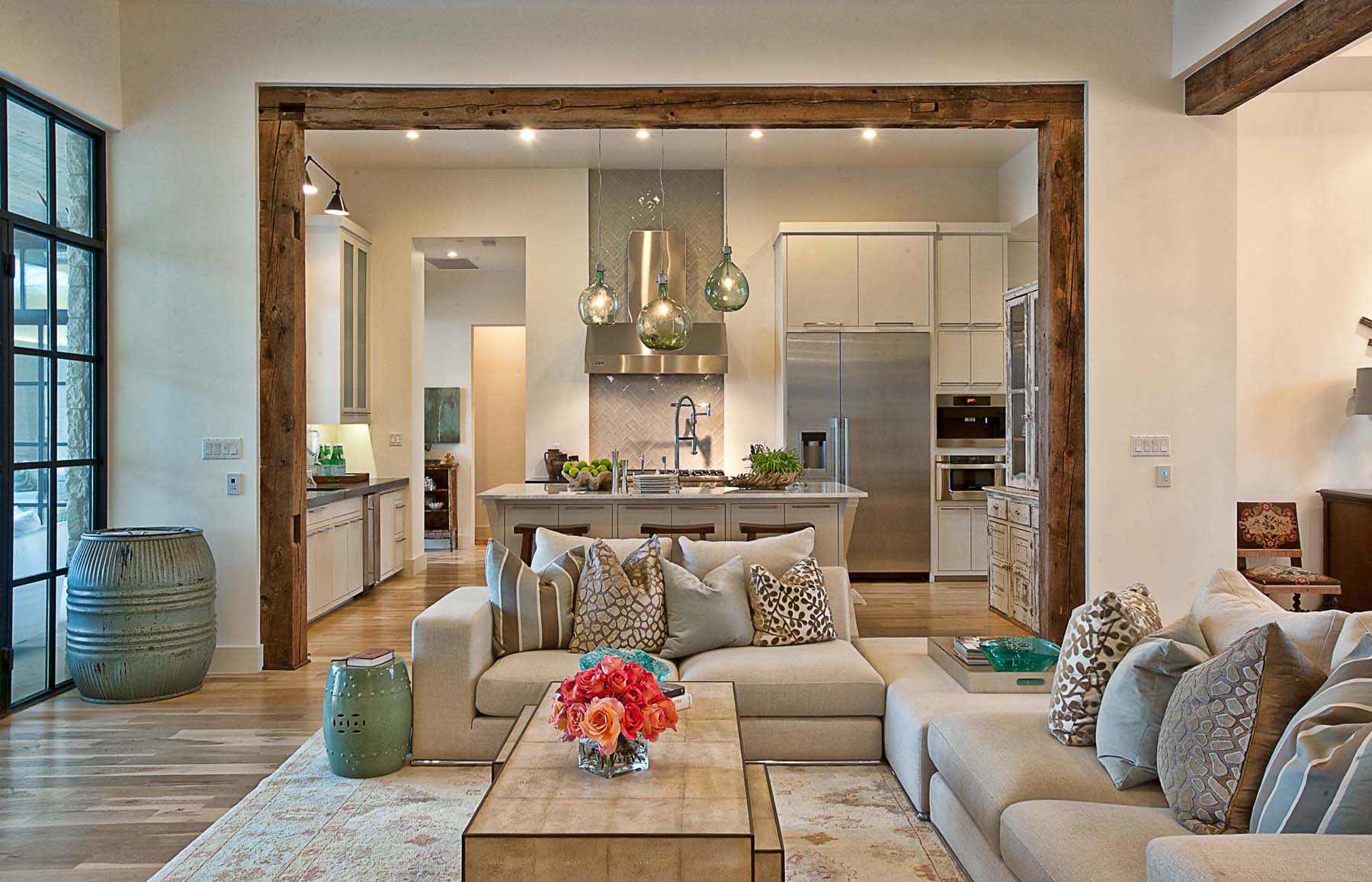
As we delve deeper into the essence of ‘home houses,’ a crucial aspect that warrants thorough examination is their practical implementation, particularly concerning sustainability and energy efficiency. The modern understanding of a ‘home house’ transcends mere shelter; it embodies a conscious choice towards a more responsible and harmonious existence with our environment. This involves not only aesthetic considerations but also a fundamental shift in how we construct and inhabit these spaces, ensuring they are as kind to the planet as they are comfortable for their occupants.
The following sections will explore innovative strategies and established principles that contribute to creating ‘home houses’ that are both environmentally sound and economically beneficial.The pursuit of sustainable and energy-efficient ‘home houses’ is a multifaceted endeavor, integrating thoughtful design, responsible material selection, and mindful resource management. It is about creating living environments that minimize their ecological footprint while maximizing comfort and long-term value for homeowners.
This approach acknowledges that a truly profound ‘home house’ is one that contributes positively to its surroundings and reduces its demand on finite resources.
Passive Solar Design Principles and Implementation
Passive solar design is a cornerstone of energy-efficient residential construction, leveraging the sun’s energy for heating and natural light without the need for active mechanical systems. The fundamental principle is to strategically orient and design a house to capture, store, and distribute solar heat during colder months, while also mitigating excessive heat gain during warmer periods. This approach significantly reduces reliance on artificial heating and cooling, leading to substantial energy savings and a more comfortable indoor environment.The implementation of passive solar design begins with careful site analysis and building orientation.
In the Northern Hemisphere, the ideal orientation for a ‘home house’ is to have the longest facade facing south. This maximizes exposure to the sun’s rays during winter when the sun is lower in the sky. Large, high-performance windows on the south-facing side are critical for capturing solar heat. These windows should be double or triple-glazed with low-emissivity coatings to minimize heat loss during colder nights and prevent heat gain during summer.
Overhangs, such as strategically placed eaves or pergolas, are essential for shading these south-facing windows during the summer months when the sun is higher in the sky, preventing overheating.Insulation is another vital component. High levels of insulation in walls, roofs, and floors create a thermal barrier, preventing heat from escaping in winter and entering in summer. Materials like dense-pack cellulose, mineral wool, or rigid foam insulation offer excellent thermal resistance.
For wall construction, advanced framing techniques can reduce thermal bridging – areas where heat can easily transfer through the structural elements.Material choices play a significant role in thermal mass. Materials like concrete, brick, or stone, when used for floors or internal walls exposed to sunlight, can absorb solar heat during the day and release it slowly at night, moderating indoor temperatures.
This stored heat helps maintain a consistent temperature, reducing the need for supplemental heating. In essence, passive solar design transforms the building itself into a sophisticated, self-regulating system, harmonizing with the natural solar cycles to create a comfortable and energy-efficient living space.
Water Conservation Strategies for Domestic Settings
Water is a precious resource, and implementing effective water conservation strategies in ‘home houses’ is paramount for environmental stewardship and economic prudence. These strategies aim to reduce overall water consumption, minimize the demand on municipal water supplies, and lessen the burden on wastewater treatment systems. By adopting a multi-pronged approach, homeowners can significantly decrease their water footprint and realize tangible savings on utility bills.Rainwater harvesting is a highly effective method for capturing and utilizing precipitation.
This involves installing a system of gutters and downspouts that direct rainwater into storage tanks, often referred to as cisterns. The collected water can then be used for a variety of non-potable purposes, such as irrigating gardens, flushing toilets, or washing cars. The environmental benefits are substantial, as it reduces the demand on strained freshwater sources and mitigates stormwater runoff, which can cause erosion and pollution.
Economically, it provides a free source of water for these applications, leading to lower water bills over time. Properly designed systems can also include filtration to make the water suitable for more uses.Greywater recycling involves repurposing water from domestic activities like showering, bathing, and laundry. This water, which is generally less contaminated than blackwater from toilets, can be treated and reused for irrigation or toilet flushing.
Simple systems can divert water directly to mulch basins around trees, while more complex systems involve filtration and disinfection for broader reuse. The environmental advantage lies in reducing the volume of wastewater requiring treatment and conserving potable water. For homeowners, this translates to reduced water and sewage costs.Low-flow fixtures are a straightforward and cost-effective way to conserve water. This includes installing low-flow showerheads, faucets, and toilets.
Modern low-flow toilets, for instance, use significantly less water per flush than older models without compromising performance. Similarly, aerated faucets and showerheads reduce water flow while maintaining adequate pressure. The cumulative effect of these small changes can lead to substantial water savings over the lifetime of the fixtures. The economic benefit is immediate, reflected in lower water bills, and the environmental impact contributes to overall water resource preservation.
Eco-Friendly Building Materials for ‘Home Houses’
The selection of building materials for ‘home houses’ profoundly impacts their environmental footprint, occupant health, and long-term cost-effectiveness. Opting for eco-friendly materials means prioritizing resources that are renewable, recycled, locally sourced, and have a low embodied energy – the total energy required to produce and transport them. This conscious choice contributes to a healthier planet and often results in more aesthetically pleasing and durable homes.Bamboo is a remarkable building material that offers a compelling combination of sustainability and versatility.
It is a rapidly renewable grass that grows exceptionally fast, requiring minimal water and no pesticides. Bamboo structures are strong, lightweight, and naturally resistant to pests and decay. Its tensile strength is comparable to steel, making it suitable for structural elements, flooring, and decorative finishes. The environmental impact is minimal, as its cultivation sequesters carbon dioxide. Bamboo’s aesthetic appeal is warm and natural, lending a unique character to ‘home houses’.
While initial costs can sometimes be higher than conventional timber, its durability and rapid growth make it a cost-effective and sustainable long-term choice.Recycled timber, also known as reclaimed wood, presents an excellent opportunity to reduce waste and conserve forest resources. This material is salvaged from old buildings, barns, or other structures slated for demolition. Using recycled timber diverts waste from landfills and avoids the need to harvest new trees.
The environmental benefits are significant, as it reduces deforestation and the energy associated with lumber production. Recycled timber often possesses unique character, including knots, grain patterns, and patinas that add a rich, historical aesthetic to ‘home houses’. Its cost can vary depending on availability and condition, but it is often comparable to or even less expensive than new, high-quality lumber, offering excellent value and a distinctive visual appeal.Natural insulation materials offer superior thermal performance and a healthier indoor environment compared to many synthetic alternatives.
Options include:
- Sheep’s wool: A renewable resource that is breathable, moisture-regulating, and an excellent insulator. It can absorb and release moisture without losing its thermal properties and naturally repels pests.
- Hempcrete: A composite material made from hemp hurds and lime, it is breathable, fire-resistant, and provides good thermal and acoustic insulation. It also sequesters carbon as it cures.
- Cork: Harvested from the bark of cork oak trees without harming the tree, cork is a renewable and biodegradable insulator. It is water-resistant, a good acoustic dampener, and has a unique, warm aesthetic.
These natural insulations contribute to better indoor air quality by avoiding the off-gassing of volatile organic compounds (VOCs) common in some synthetic insulation. Their environmental impact is generally lower due to their renewable nature and biodegradability. While the upfront cost of some natural insulations might be higher, their superior performance, longevity, and health benefits contribute to a more sustainable and cost-effective ‘home house’ over its lifespan.
The aesthetic of exposed natural insulation can also add a rustic charm.
The evolving definition of ‘home houses’ in the digital age and the impact of smart technology on domestic living.
The concept of ‘home’ has always been intrinsically linked to its physical structure, but in the 21st century, the definition is undergoing a profound transformation. The advent of the digital age and the pervasive integration of smart technology are not merely adding features to our dwellings; they are fundamentally reshaping the very essence of what constitutes a ‘home house.’ This evolution is driven by an unprecedented level of connectivity and automation, promising a future where our living spaces are more responsive, intuitive, and personalized than ever before.
From managing daily tasks with a voice command to anticipating our needs before we even articulate them, smart technology is ushering in a new era of domestic living.The integration of smart home devices is fundamentally altering the functionality and user experience of modern dwellings, offering a compelling blend of convenience and efficiency. Automated lighting systems, for instance, can learn occupancy patterns and adjust illumination levels accordingly, reducing energy waste and enhancing comfort.
Imagine walking into a room and having the lights seamlessly illuminate to your preferred brightness, or having them gently dim as you prepare for sleep. Similarly, intelligent climate control systems, powered by sensors and predictive algorithms, can maintain optimal temperatures, adapting to external weather conditions and individual preferences. This not only ensures a consistently comfortable environment but also significantly optimizes energy consumption.
Security systems have also been revolutionized, with smart locks, cameras, and sensors providing real-time monitoring and remote access, offering peace of mind and a heightened sense of safety. These technologies move beyond mere functionality; they contribute to a more effortless and streamlined daily existence, freeing up mental bandwidth and reducing the friction points of traditional home management. The user experience is shifting from active management to passive anticipation, where the home proactively caters to its inhabitants’ needs.
Potential benefits and challenges of increased connectivity in ‘home houses.’
The increasing connectivity within ‘home houses’ presents a dual-edged sword, offering significant potential benefits alongside notable challenges. On the positive side, enhanced comfort is a primary advantage. Smart thermostats can pre-heat or cool your home before you arrive, and automated blinds can adjust to sunlight, creating ideal living conditions. Energy savings are also substantial, with intelligent systems optimizing resource usage, leading to reduced utility bills and a smaller environmental footprint.
For example, smart meters and appliance management can identify and mitigate energy vampires, and adaptive lighting ensures that electricity is only used when and where it’s needed. Furthermore, the convenience offered by voice-activated controls and seamless integration between devices simplifies daily routines. Tasks that once required multiple steps can now be accomplished with a single command. However, these advancements are not without their drawbacks.
The proliferation of connected devices raises significant concerns regarding privacy and data security. The vast amounts of personal data generated by smart homes, from movement patterns to personal preferences, could be vulnerable to breaches or misuse if not adequately protected. The constant collection and transmission of this information necessitate robust cybersecurity measures and clear data governance policies. The implications for privacy are profound, as the very walls of our homes become conduits for data.
Moreover, reliance on technology can create new vulnerabilities; a system outage or a cyberattack could disrupt essential home functions, impacting comfort and security. The reshaping of daily routines is undeniable, with tasks becoming more automated, but this also means a greater dependence on the digital infrastructure that underpins these conveniences. The careful balancing of these benefits and challenges is crucial for the responsible adoption of smart home technologies.
Future applications of virtual and augmented reality in ‘home houses.’
The future of designing, visualizing, and experiencing ‘home houses’ is poised for a revolutionary shift with the integration of virtual reality (VR) and augmented reality (AR) technologies. These immersive technologies offer unprecedented opportunities to interact with architectural concepts before any physical construction even begins, providing a level of insight and engagement previously unimaginable. Imagine a prospective homeowner donning a VR headset and stepping into a fully rendered 3D model of their future residence.
They could virtually walk through every room, assess the flow of space, test different furniture layouts, and even experience how natural light would illuminate the interiors at various times of the day. This immersive exploration allows for immediate feedback and adjustments, significantly reducing the likelihood of costly changes during or after construction. AR, on the other hand, can overlay digital information onto the real world.
For instance, an architect could use an AR application on a tablet to project a virtual model of a house onto an empty plot of land, allowing clients to see how the structure would sit within its environment, considering the surrounding landscape and views. Furthermore, AR could be used during the construction phase to visualize the placement of internal systems like plumbing and electrical wiring within walls, aiding construction crews and ensuring accuracy.Beyond design and visualization, VR and AR could also offer novel ways to experience the ‘feel’ of a home.
Developers might create VR tours that simulate the acoustics of a living space or even the ambient temperature, providing a more holistic understanding of the dwelling’s characteristics. For interior designers, AR could allow clients to see how different paint colors or furnishings would look in their actual rooms, overlaid onto the live camera feed of their space. This ability to virtually inhabit and interact with a proposed dwelling before it exists democratizes the design process, empowers clients with more informed decision-making, and fundamentally transforms the architectural exploration from a static, two-dimensional experience to a dynamic, three-dimensional immersion.
The potential for these technologies to streamline the design-build process, enhance client satisfaction, and foster greater creativity in architectural design is immense, offering a tantalizing glimpse into the future of how we will conceptualize and interact with our homes.
Final Conclusion
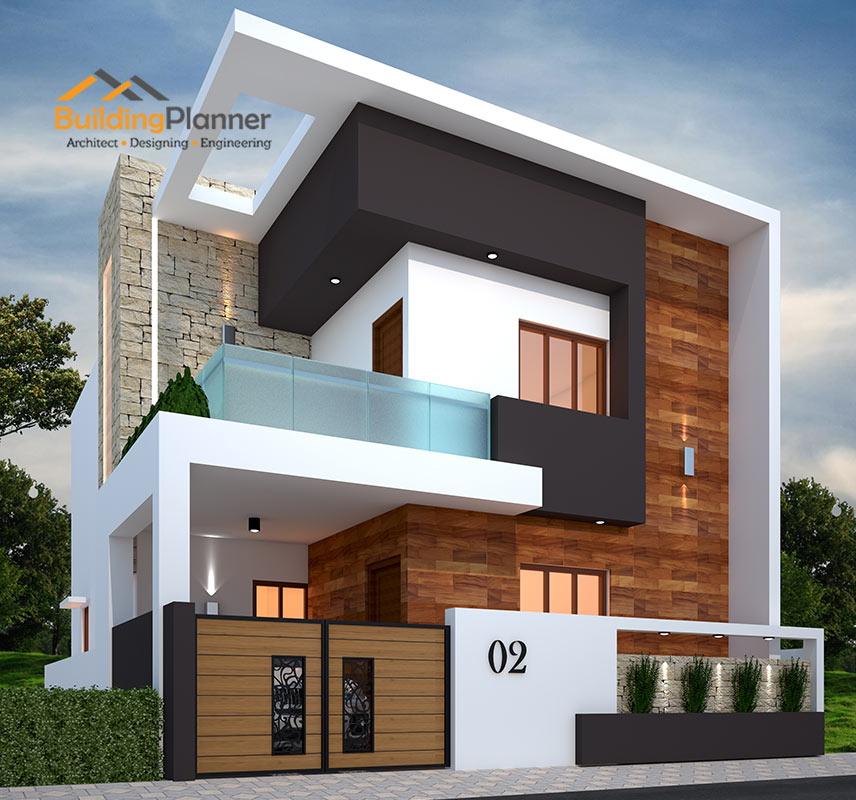
Ultimately, home houses are dynamic entities, constantly shaped by our needs, culture, and the innovations of our time. They are the silent witnesses to our lives, embodying our memories, traditions, and hopes for the future. As we continue to build, design, and inhabit these spaces, the essence of home remains a fundamental human pursuit, a place where we not only reside but truly live and thrive.
Essential FAQs
What is the average lifespan of a typical home house?
The lifespan of a home house can vary significantly based on construction quality, materials used, climate, and maintenance. However, well-built homes using durable materials can last well over 100 years, with many historical homes still standing today.
How does the location of a home house impact its value?
Location is a primary driver of home house value. Factors such as proximity to amenities, schools, transportation, job markets, and the desirability of the neighborhood all play a crucial role in determining a property’s worth.
What are the key differences between buying a new build versus a pre-owned home house?
New builds often offer modern designs, energy efficiency, and fewer immediate repair needs, but may come with a higher price tag and less character. Pre-owned homes might offer more established neighborhoods, unique architectural features, and potentially lower costs, but could require renovations or repairs.
Are there legal requirements for home house inspections before purchase?
While not always legally mandated, home house inspections are a standard and highly recommended practice for buyers. They are typically a contingency in the purchase agreement, allowing buyers to withdraw or renegotiate based on the inspection findings.
What role does zoning play in the development and use of home houses?
Zoning regulations dictate how land can be used, including where home houses can be built, their size, density, and architectural style. These regulations aim to ensure orderly development and maintain the character of residential areas.