Homes for sale in Florida beckon with the promise of sunshine, vibrant communities, and diverse living options. This comprehensive exploration delves into the multifaceted world of Florida real estate, offering insights into property types, market dynamics, buyer motivations, the acquisition process, lifestyle benefits, and financial considerations. Whether you’re a retiree seeking tranquility, a family aiming for growth, or an investor eyeing returns, Florida presents a compelling landscape for property ownership.
From the bustling energy of its major cities to the serene beauty of its coastlines, Florida offers a unique blend of opportunities and experiences for homeowners. This guide is designed to equip you with the knowledge needed to navigate this dynamic market successfully, ensuring your journey towards finding the perfect Florida abode is both informed and rewarding.
Exploring Florida’s Diverse Residential Property Landscape: Homes For Sale In Florida
Florida’s real estate market is as varied as its sunshine, offering a vast array of residential property types to suit every lifestyle and budget. From the sprawling single-family homes nestled in quiet suburban enclaves to the vibrant, amenity-rich condominiums gracing city skylines and coastal shores, there’s a dwelling to match almost any dream. Understanding these different property types is crucial for anyone looking to purchase a home in the Sunshine State, as each offers a unique living experience, investment potential, and set of responsibilities.
This exploration delves into the characteristics of common Florida housing options and the factors shaping their prevalence across the state’s diverse regions.
Typical Characteristics of Florida Residential Property Types
Florida’s housing market is dominated by several key residential property types, each with distinct features that appeal to different buyers. Single-family homes are perhaps the most traditional and widely sought-after. These are detached structures, typically built on their own lot, offering the most privacy and freedom. In Florida, single-family homes often feature spacious yards, screened-in lanais or patios perfect for enjoying the warm climate, and sometimes private swimming pools.
Their architectural styles can range from classic Florida ranch homes with low-pitched roofs and wide eaves to modern designs incorporating hurricane-resistant features and energy-efficient materials. Condominiums, or condos, represent a significant portion of Florida’s housing stock, particularly in urban centers and along the coast. These are individual units within a larger building or complex, where residents own their interior space but share ownership of common areas like hallways, elevators, pools, fitness centers, and grounds.
Condo living often comes with a monthly homeowners association (HOA) fee that covers maintenance of these shared amenities and the building’s exterior. Townhouses offer a middle ground between single-family homes and condos. They are typically attached units, sharing one or more walls with neighbors, but usually possess their own front door and often a small private outdoor space, such as a patio or balcony.
Townhouses often come with HOA fees that cover exterior maintenance and sometimes amenities, providing a balance of private living and shared community. Villas, a term often used interchangeably with townhouses or sometimes referring to detached single-family homes within a planned community, usually imply a more luxurious or resort-style living experience. They can be found in gated communities or golf course developments, offering upscale amenities and a strong sense of community.
The prevalence of these types is influenced by factors like density regulations, land availability, and the desired lifestyle of the target demographic.
Factors Influencing Housing Styles in Coastal Versus Inland Communities
The distinct environments of Florida’s coastal and inland communities profoundly influence the prevalence and characteristics of residential property types. Coastal areas, driven by tourism, retirement, and a desire for ocean views and beach access, often see a higher concentration of condominiums and townhouses. These properties are designed to maximize views and capitalize on the limited and often expensive land. High-rise condominiums are a common sight along the Atlantic and Gulf coasts, offering residents direct access to beaches, marinas, and vibrant boardwalks.
The demand for vacation rentals also fuels the development of condo-hotels and resort-style complexes. Maintenance considerations are also a factor; in areas prone to hurricanes and saltwater corrosion, the shared responsibility for exterior maintenance in condos and townhouses can be appealing to those who prefer to minimize their direct involvement with property upkeep. Inland communities, on the other hand, often feature a greater abundance of single-family homes.
These areas tend to offer more land per property, allowing for larger lots, more extensive gardens, and greater privacy. The affordability of land inland often makes single-family home construction more economically viable. Furthermore, inland areas might cater more to families seeking a suburban lifestyle, with access to good schools and community parks, which are more easily integrated into single-family neighborhoods.
However, this is not a rigid division; many inland areas also have thriving condo and townhouse developments, especially in growing urban centers and retirement communities that prioritize convenience and amenities. Conversely, some coastal towns retain a charm with older, single-family beach bungalows. Ultimately, zoning laws, development costs, and the specific lifestyle aspirations of the local population play significant roles in shaping the dominant housing styles in any given Florida locale.
Architectural Nuances Differentiating Florida Property Styles
Florida’s architectural landscape is a fascinating blend of regional influences, climate considerations, and historical styles, creating distinct visual identities for properties across its different regions. South Florida, characterized by its tropical climate and vibrant culture, often showcases architecture that embraces indoor-outdoor living and withstands intense sun and humidity. Expect to see Mediterranean Revival influences with stucco exteriors, red tile roofs, arched doorways, and decorative ironwork, particularly in older, established neighborhoods.
Modern and contemporary designs are also prevalent, featuring clean lines, expansive glass windows to capture ocean or city views, and flat roofs. Many South Florida homes incorporate elements like screened lanais, private courtyards, and lush landscaping designed to thrive in the subtropical environment. The emphasis is often on bright colors, open floor plans, and a seamless transition between interior and exterior spaces.
Central Florida, often referred to as the “theme park capital” and a hub for families and retirees, presents a more diverse architectural tapestry. While Spanish Colonial and Mediterranean Revival styles are still present, there’s a strong prevalence of Florida Ranch-style homes, characterized by their single-story layout, low-pitched roofs, and often a screened porch or patio. Newer developments frequently feature contemporary designs with a focus on energy efficiency and family-friendly layouts.
You’ll also find a significant number of homes designed for the retirement market, often in planned communities with an emphasis on accessibility and low-maintenance living. North Florida, with its closer proximity to the Southeast’s more traditional architectural vernacular and a slightly milder climate, often exhibits influences from Southern Colonial and Craftsman styles. Properties might feature wider front porches, clapboard or brick exteriors, and gabled roofs.
Historic districts in cities like St. Augustine and Pensacola showcase centuries-old Spanish and British colonial architecture. In newer developments, you’ll find a mix of traditional and modern designs, but often with a greater emphasis on shade trees and a more traditional neighborhood feel compared to the more tropical aesthetics of the south. The materials used also vary, with concrete block construction being a standard for durability and hurricane resistance across the state, but the finishing touches, rooflines, and overall design language clearly delineate the regional architectural identities.
In this topic, you find that Houses for Sale in Dominican Republic is very useful.
Lifestyle Implications of Owning Different Florida Property Types, Homes for sale in florida
The choice of residential property type in Florida carries significant lifestyle implications, impacting everything from daily routines and maintenance responsibilities to social interactions and financial commitments. Owning a single-family home typically offers the highest degree of autonomy and privacy. Residents have the freedom to customize their property, landscape their yards as they please, and enjoy their own private outdoor spaces without direct oversight from a governing body.
However, this freedom comes with the full responsibility for all maintenance, repairs, and upkeep, from mowing the lawn and cleaning gutters to addressing major structural issues. This can be time-consuming and costly. For those who value their independence and enjoy hands-on home management, this is an ideal scenario. Condominium living, conversely, is often associated with a more communal and less maintenance-intensive lifestyle.
The monthly HOA fees cover the upkeep of common areas, exterior building maintenance, and often amenities like pools, fitness centers, and security. This frees up residents’ time, allowing them to pursue hobbies, travel, or simply relax. However, it also means relinquishing a degree of control over the property’s exterior and common spaces, and being subject to HOA rules and regulations.
Community living is a core aspect of condo life, with shared amenities fostering social interaction, though it may also mean less personal space and potential for neighborly disputes. Townhouses offer a middle ground, providing more privacy than a condo with less responsibility than a single-family home. Residents typically manage their interior spaces and often a small private outdoor area, while the HOA handles exterior maintenance and common grounds.
This balance appeals to individuals and families who want a sense of homeownership without the full burden of extensive property management. Villa living, particularly in resort-style communities, often emphasizes a luxury lifestyle with access to high-end amenities and services. These communities are designed for convenience and leisure, with maintenance often being handled by a management company. The lifestyle here is often geared towards relaxation, social activities, and a pampered living experience, though this typically comes with higher costs associated with HOA fees and property values.
Understand the current market dynamics influencing the availability and pricing of residences in Florida.

Navigating Florida’s real estate market requires a keen understanding of the forces that shape both what’s available and what it costs. Over the past year, a confluence of factors, from shifting inventory levels to evolving economic conditions, has created a dynamic landscape for prospective homeowners and investors alike. This section delves into these key market drivers, providing a comprehensive overview to help you make informed decisions when exploring the diverse residential property landscape of Florida.
Supply and Demand Trends
The Florida housing market has experienced a noticeable recalibration in its supply and demand dynamics over the past year. Initially, many areas saw a persistent shortage of available homes, a carryover from previous years characterized by robust buyer interest and limited new construction. This scarcity drove prices upward significantly. However, as the year progressed, several shifts began to emerge. In some of the more sought-after coastal regions and metropolitan areas, inventory has started to cautiously increase.
This is partly due to a slight cooling of buyer demand as affordability challenges became more pronounced and, in some cases, due to an uptick in new construction projects finally coming to market after pandemic-related delays.Conversely, other regions, particularly those experiencing significant population influx, continue to grapple with low inventory. The demand in these areas remains exceptionally high, fueled by both domestic migration and international interest.
This disparity means that while some markets might offer more choices, others remain highly competitive, with homes selling quickly and often above asking price. The overall trend indicates a market that is gradually normalizing, moving away from the extreme seller’s market conditions of recent years, but still exhibiting pockets of intense competition and limited supply. This evolving balance directly impacts pricing, with stabilization in some areas and continued pressure in others.
Interest Rates and Mortgage Availability
The influence of interest rates and mortgage availability on buyer purchasing power in Florida cannot be overstated. For a significant portion of the past year, rising interest rates have acted as a primary brake on buyer affordability. As the Federal Reserve implemented measures to combat inflation, mortgage rates climbed steadily. This increase directly translates to higher monthly payments for borrowers, even if the principal loan amount remains the same.
For instance, a buyer looking at a $400,000 mortgage at 3% interest would have a significantly lower monthly payment than the same buyer at 6% or 7% interest. This substantial difference can push properties out of reach for many potential buyers, forcing them to either reduce their budget, seek smaller homes, or delay their purchase altogether.Furthermore, the availability of mortgage products has also played a role.
While traditional fixed-rate and adjustable-rate mortgages remain widely accessible, lenders have, at times, tightened their lending standards in response to economic uncertainty. This can mean requiring higher credit scores, larger down payments, or more stringent income verification. For first-time homebuyers or those with less substantial savings, these tighter conditions can present additional hurdles. The interplay between higher borrowing costs and potentially stricter lending criteria collectively shrinks the pool of eligible buyers and limits their capacity to spend, thereby shaping the demand side of the housing equation and influencing price ceilings for many properties across Florida.
Key Economic Indicators
Several key economic indicators are currently exerting a notable influence on Florida’s real estate landscape. Foremost among these is inflation, which, while showing signs of moderating, has contributed to increased construction costs for new homes and elevated operating expenses for property owners. This can indirectly impact pricing as developers pass on higher material and labor costs, and existing homeowners factor in increased maintenance and utility expenses.Another critical indicator is employment growth and wage trends.
Florida has generally seen strong job creation in recent years, attracting new residents and bolstering demand for housing. However, the nature of this employment growth, whether it consists of high-paying professional jobs or lower-wage service sector positions, influences the type of housing in demand and the price points that are sustainable. Wage growth that outpaces housing cost increases is a positive sign for market health, while the opposite can lead to affordability crises.Consumer confidence also plays a significant role.
When individuals feel secure about their financial future and the overall economic outlook, they are more likely to make major investments like purchasing a home. Conversely, uncertainty or pessimism can lead to a pullback in buyer activity. Finally, the performance of the broader stock market and investment portfolios can influence the decisions of cash buyers and investors, who may shift capital into real estate during periods of market volatility, thereby impacting demand and pricing for certain property types.
Seasonal Variations in Activity
Florida’s distinct climate and lifestyle create pronounced seasonal variations that significantly influence both the number of listings and buyer activity across different areas of the state. The winter months, typically from November through April, represent peak season for much of Florida’s real estate market. This period coincides with the influx of “snowbirds” – seasonal residents and tourists who escape colder climates.
These visitors often engage in property tours, research available homes, and may even make purchasing decisions during their stay, leading to a surge in buyer interest and a higher volume of showings.Consequently, many homeowners in popular tourist destinations and retirement communities strategically choose to list their properties during this time to capitalize on the increased pool of potential buyers. This often results in a higher number of new listings entering the market.
As the weather warms and summer approaches, typically from May through October, buyer activity tends to wane in many parts of the state. This slowdown is often attributed to the departure of seasonal residents, the return of families with children who are out of school, and the general discomfort of house hunting in Florida’s hotter, more humid months.However, it’s important to note that these seasonal trends can vary by region.
For example, in areas that are less reliant on seasonal tourism and more driven by year-round job growth, such as major metropolitan centers, the seasonal fluctuations might be less dramatic. Furthermore, the demand for specific property types can also be influenced by seasonality; for instance, vacation rental properties might see heightened interest and activity leading up to and during holiday periods, regardless of the broader market’s seasonal ebb and flow.
Understanding these cyclical patterns is crucial for both sellers looking to time their market entry and buyers seeking to navigate periods of potentially less competition.
Identifying the Primary Motivations and Profiles of Individuals Seeking to Purchase Residences in Florida
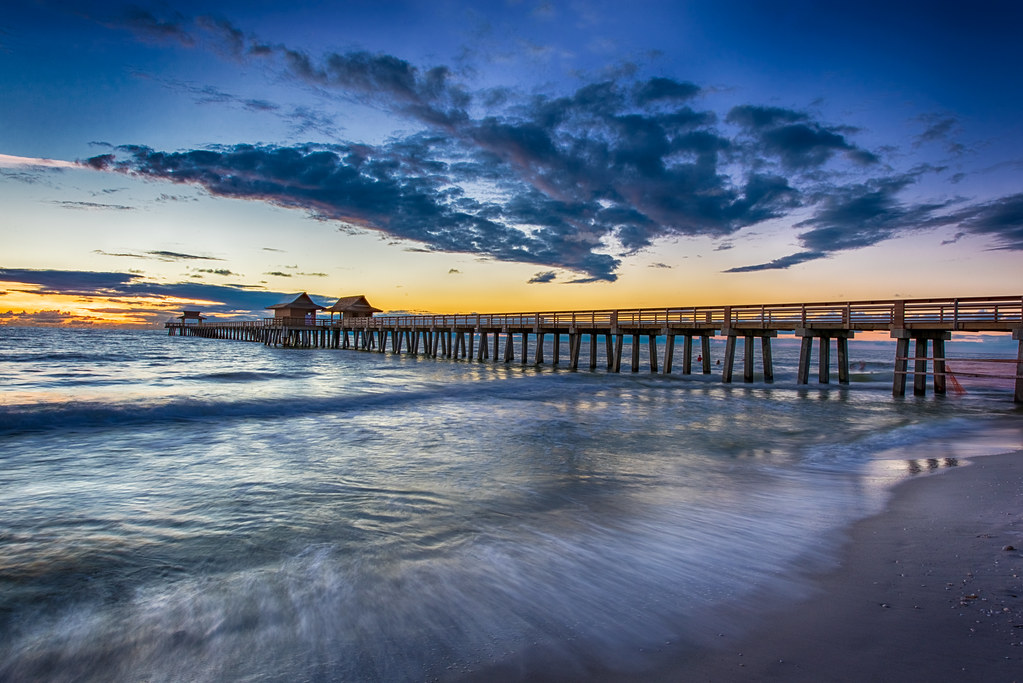
Florida’s allure as a residential destination is multifaceted, drawing a diverse array of individuals with distinct needs and aspirations. Understanding these motivations is key to comprehending the dynamics of its real estate market. From those seeking a tranquil retirement to families prioritizing community and investors aiming for financial growth, Florida offers a spectrum of opportunities. The Sunshine State’s unique blend of climate, lifestyle, and economic factors creates a compelling case for homeownership across various demographics.The profile of a Florida homebuyer is not monolithic; rather, it is a mosaic shaped by life stages, financial goals, and personal preferences.
These individuals are united by a desire for a piece of the Florida dream, whether that dream involves sun-drenched beaches, vibrant city life, or a stable investment. Their decision-making processes are influenced by a confluence of factors, including lifestyle considerations, educational opportunities for children, and the potential for property appreciation.
Retiree Relocation to Florida
Retirees represent a significant segment of Florida’s residential property market, driven by a desire for a comfortable and engaging lifestyle during their golden years. The primary motivations for this demographic often revolve around climate, affordability, and access to healthcare and recreational activities. Many are drawn to Florida’s warm weather, which allows for year-round outdoor enjoyment, a stark contrast to colder climates.
This translates into a preference for single-story homes, low-maintenance properties, and communities with amenities that cater to an active senior lifestyle, such as golf courses, swimming pools, and walking trails.The financial considerations for retirees are also paramount. They often seek to downsize from larger family homes, freeing up equity to supplement retirement income. This leads to an interest in condominiums, townhouses, or smaller single-family residences that offer a manageable cost of living and reduced upkeep.
The availability of property tax exemptions for seniors and the generally lower cost of living compared to some other popular retirement destinations can be significant draws. Furthermore, many retirees are looking for communities that offer a strong social fabric and opportunities for engagement. This includes proximity to cultural attractions, volunteer opportunities, and communities specifically designed for active adults, which often feature organized social events and clubs.Access to quality healthcare is another critical factor.
Retirees often prioritize locations with well-regarded hospitals, specialized medical facilities, and a good network of physicians. Proximity to these services can provide peace of mind and ensure they have access to the care they need as they age. Beyond healthcare, the appeal of Florida’s diverse recreational offerings is undeniable. From pristine beaches and world-class fishing to theme parks and vibrant arts scenes, there is something to cater to every interest.
This desire for an active and fulfilling retirement is a powerful driver for many individuals choosing to make Florida their permanent home.
Family Relocation to Florida Communities
Families looking to establish roots in Florida communities are primarily motivated by the prospect of a safe, nurturing environment for their children, coupled with access to quality education and a range of family-friendly amenities. The educational landscape is a critical consideration, with parents actively researching school districts, individual school ratings, and the availability of specialized programs. This often leads them to specific neighborhoods or towns known for their strong public school systems or reputable private institutions.
The proximity of schools to their potential homes is a significant factor, aiming to minimize commute times for children and facilitate involvement in school activities.Beyond academics, families seek communities that offer a wealth of amenities designed to support an active and engaging lifestyle for all members. This includes access to parks, playgrounds, sports facilities, and recreational centers. The availability of community events, libraries, and family-oriented entertainment venues also plays a crucial role in their decision-making process.
Many families are drawn to neighborhoods with a strong sense of community, where children can play safely outdoors and neighbors form supportive relationships. The presence of community pools, splash pads, and organized youth sports leagues can be particularly appealing.The cost of living, while important for all homebuyers, takes on a particular dimension for families. They are often looking for a balance between affordability and access to the resources that contribute to a high quality of life.
This might involve seeking homes in areas with reasonable property taxes and utility costs, while still being within reach of desirable school districts and amenities. The long-term prospect of raising a family in a particular area, including opportunities for children to grow and thrive, is a fundamental consideration. This often leads to a focus on established neighborhoods with a track record of family-friendliness and a commitment to community development.
For descriptions on additional topics like home houses, please visit the available home houses.
Investment Strategies for Second Homes and Rental Income
Individuals purchasing Florida properties as second homes or rental income generators employ a variety of investment strategies, driven by the state’s robust tourism industry and attractive real estate market. A primary motivation for second home buyers is often the desire for a personal vacation retreat, a place to escape to and enjoy Florida’s climate and attractions. However, many also recognize the potential to offset ownership costs by renting out the property when not in use.
This dual purpose requires careful consideration of location, property type, and rental demand. Properties in high-demand tourist areas, such as those near theme parks, beaches, or major event venues, are particularly sought after for their rental income potential.For those focused primarily on rental income, the strategy often involves purchasing properties in areas with strong year-round rental demand, not just seasonal.
This can include urban centers with thriving business districts, university towns, or areas with a consistent flow of visitors for conventions and sporting events. The type of property also plays a role; condominiums and townhouses can be attractive to short-term renters seeking convenience and amenities, while single-family homes might appeal to longer-term vacationing families or corporate rentals. Investors carefully analyze potential rental yields, occupancy rates, and property management costs to ensure a positive return on investment.
“The key to successful rental property investment in Florida lies in thorough market research and a clear understanding of your target renter demographic.”
The decision-making process for these investors often involves a deep dive into local rental market data, including average rental rates, vacancy trends, and the competitive landscape. They may also consider the potential for property appreciation over the long term, viewing the rental income as a bonus to capital gains. Factors such as proximity to transportation hubs, local attractions, and essential services are crucial for attracting and retaining renters.
Furthermore, investors must navigate Florida’s regulations regarding short-term rentals, which can vary significantly by county and municipality, impacting their operational strategies and profitability.
First-Time Homebuyers vs. Experienced Property Investors in Florida
The decision-making processes of first-time homebuyers and experienced property investors in Florida, while both aimed at acquiring real estate, are fundamentally different due to their varying levels of knowledge, financial capacity, and objectives. First-time homebuyers are typically driven by personal needs and aspirations, such as establishing a primary residence, starting a family, or achieving the milestone of homeownership. Their focus is often on affordability, location relative to work and amenities, and the emotional appeal of a home.
They tend to be more risk-averse, prioritizing stability and a manageable mortgage payment. Their research may involve understanding credit scores, mortgage pre-approval, and the basic steps of the buying process.Experienced property investors, on the other hand, approach the Florida market with a purely financial lens. Their primary objective is to generate a return on investment, whether through rental income, capital appreciation, or a combination of both.
They possess a deeper understanding of market dynamics, financing options, and property valuation. Their decision-making is data-driven, with a strong emphasis on metrics such as cap rates, cash-on-cash return, and projected appreciation. They are often more willing to take on calculated risks, such as purchasing properties that require renovation or are located in emerging markets, if the potential for profit is high.For first-time homebuyers, the emotional aspect of finding a “dream home” often plays a significant role.
They may spend considerable time exploring different neighborhoods and visiting numerous properties to find one that feels right. The advice of real estate agents and mortgage brokers is crucial for guiding them through the complexities of the transaction. In contrast, experienced investors are less concerned with the emotional attachment to a property and more focused on its investment potential. They may view multiple properties in a short period, making quick decisions based on financial projections rather than personal preference.
“The investor’s goal is to identify undervalued assets with strong income-generating potential, while the first-time buyer seeks a sanctuary and a place to build a life.”
The financing strategies also differ significantly. First-time homebuyers typically rely on traditional mortgages, often with the aid of first-time buyer programs and incentives. Investors, however, may utilize a wider range of financing tools, including hard money loans, private lending, and portfolio loans, to optimize their investment strategy and leverage their capital effectively. Their understanding of tax implications, depreciation, and property management is also far more sophisticated, allowing them to maximize their returns and minimize their liabilities.
Discover the unique lifestyle benefits and considerations of living in various Florida geographical areas.
Florida’s diverse geography offers a tapestry of lifestyles, each woven with unique threads of natural beauty, cultural richness, and community spirit. From the tranquil shores of the Gulf Coast to the vibrant pulse of its metropolitan centers and the untamed allure of its natural landscapes, the Sunshine State provides a compelling array of residential experiences. Understanding these distinct geographical advantages is key to finding a home that perfectly aligns with your aspirations and preferences.
Gulf Coast Communities: A Haven of Coastal Living
The Gulf Coast of Florida is synonymous with a relaxed, sun-drenched lifestyle, characterized by pristine white-sand beaches, calm turquoise waters, and an abundance of outdoor recreational opportunities. Communities along this coastline, from the Panhandle’s quieter stretches to the bustling hubs of Sarasota and Naples, offer a distinct rhythm of life. The primary draw is undeniably the access to the water.
Residents enjoy daily opportunities for swimming, sunbathing, and collecting seashells on some of the nation’s most celebrated beaches. Beyond the shore, a vibrant boating culture thrives, with numerous marinas and opportunities for sailing, fishing, and paddleboarding. The environment is often characterized by lush tropical foliage, swaying palm trees, and a generally slower pace of life compared to inland areas.Activities abound for those who appreciate nature and recreation.
World-class golf courses are a staple in many Gulf Coast communities, often integrated into picturesque residential developments. For anglers, the opportunities are vast, whether it’s deep-sea fishing charters or casting a line from a pier. Birdwatching is also a popular pastime, with diverse avian species inhabiting the coastal ecosystems. The culinary scene often emphasizes fresh seafood, with waterfront restaurants offering stunning sunset views alongside delicious meals.
Furthermore, many Gulf Coast towns boast charming downtown areas with boutique shops, art galleries, and a friendly, welcoming atmosphere. The overall environment fosters a sense of well-being and connection to nature, making it an ideal setting for both active individuals and those seeking peaceful retirement.
Major Metropolitan Areas: Urban Sophistication and Cultural Vibrancy
Florida’s major metropolitan areas, including Miami, Orlando, Tampa, and Jacksonville, present a dynamic contrast to the state’s coastal tranquility, offering a rich tapestry of cultural attractions and urban amenities. These cities are centers of commerce, innovation, and entertainment, attracting a diverse population seeking a fast-paced and stimulating environment. The cultural landscape is exceptionally varied, with world-class museums, theaters, and performance venues.
Miami, for instance, is a global hub for art and design, boasting institutions like the Pérez Art Museum Miami and the vibrant Wynwood Walls. Orlando, beyond its world-renowned theme parks, features a burgeoning performing arts scene and numerous cultural festivals throughout the year.Urban residents benefit from an extensive array of dining options, ranging from Michelin-starred restaurants to diverse international cuisines reflecting the multicultural makeup of these cities.
Shopping experiences are equally varied, from high-end designer boutiques to eclectic local markets. The professional sports scene is robust, with major league teams in baseball, basketball, football, and hockey providing year-round entertainment. Public transportation systems in these larger cities are more developed, offering alternatives to personal vehicle dependence, though traffic can be a significant consideration. Educational institutions, from renowned universities to specialized vocational schools, contribute to a dynamic intellectual environment.
The job market in these metropolitan areas is typically more diverse and robust, offering a wider range of career opportunities. For those who thrive on energy, diversity, and constant stimulation, Florida’s urban centers provide an unparalleled living experience.
Natural Landscapes: An Outdoor Enthusiast’s Paradise
Florida’s natural landscapes are a profound source of appeal for residents, offering unparalleled access to breathtaking beauty and diverse ecosystems. The state’s extensive coastline, featuring miles of sugar-sand beaches, provides endless opportunities for relaxation, recreation, and immersion in the coastal environment. From the powdery white sands of the Gulf Coast to the dramatic dunes of the Atlantic, these beaches are not just for sunbathing; they are vibrant ecosystems teeming with marine life and offering prime locations for shelling, surfing, and simply enjoying the rhythm of the ocean.
Beyond the beaches, Florida’s freshwater springs are a unique treasure. These crystal-clear, often geothermally heated springs, such as those found in the Ocala National Forest, offer refreshing escapes for swimming, snorkeling, and diving in a pristine natural setting.The Everglades, often referred to as the “River of Grass,” represents a truly unique and vital ecosystem. This vast wetland is a UNESCO World Heritage Site and an International Biosphere Reserve, offering unparalleled opportunities for wildlife viewing, including alligators, manatees, and a spectacular array of bird species.
Airboat tours and kayaking expeditions allow residents to experience this incredible wilderness up close. Further inland, numerous state and national parks protect diverse habitats, from ancient cypress swamps to pine flatwoods, offering extensive trail systems for hiking, biking, and nature photography. The abundance of natural waterways, including rivers and lakes, provides further avenues for boating, fishing, and kayaking. For those who value a connection to the natural world, Florida’s diverse landscapes offer a constant source of wonder and outdoor adventure.
Community Aspects and Social Fabric: Diverse Neighborhood Dynamics
The community aspects and social fabric of Florida neighborhoods vary significantly, reflecting the diverse population and geographical characteristics of the state. In bustling cities like Miami or Orlando, neighborhoods often possess a distinct cultural identity, influenced by the dominant ethnic groups and the urban environment. You might find vibrant Latin American enclaves with lively music and authentic cuisine, or more contemporary urban districts characterized by trendy cafes, art studios, and a young professional demographic.
These areas tend to have a faster pace of life, with a strong emphasis on social events, nightlife, and a wide range of organized activities. Community engagement often revolves around shared interests, from local farmers’ markets and cultural festivals to professional networking groups.Moving to quieter enclaves, such as those found in smaller coastal towns or inland retirement communities, reveals a different social dynamic.
Here, the pace is decidedly slower, and community life often centers around shared amenities like community centers, golf courses, or resident-led social clubs. There’s a strong sense of neighborliness, with an emphasis on shared activities like potlucks, book clubs, and organized outings. For many, particularly retirees, these communities offer a supportive and stable social environment, fostering friendships and a sense of belonging.
In more suburban settings, the social fabric is often built around families, with neighborhood parks, schools, and youth sports leagues serving as central gathering points. The sense of community might be more organically developed through casual interactions while walking the dog or at local community events. Regardless of the setting, Florida’s diverse neighborhoods offer a spectrum of social experiences, catering to a wide range of preferences for connection and community engagement.
Examining the Financial Aspects and Potential Return on Investment for Properties Situated in Florida

Florida’s real estate market presents a compelling landscape for both homeowners and investors, offering a unique blend of lifestyle appeal and financial opportunity. Understanding the intricate financial considerations is paramount to making informed decisions. This section delves into the typical costs of ownership, strategies for estimating rental income, historical appreciation trends, and a framework for assessing long-term financial viability. By thoroughly exploring these facets, potential buyers can gain a comprehensive perspective on the financial implications of acquiring property in the Sunshine State.
Typical Costs Associated with Property Ownership in Florida
Owning property in Florida involves a spectrum of recurring expenses that are crucial to factor into any budget. Beyond the initial purchase price, these costs can significantly impact the overall financial burden and profitability of a real estate investment. A clear understanding of these expenses allows for more accurate financial planning and helps avoid unexpected financial strains.The most significant ongoing cost is typically property taxes.
Florida’s property tax rates vary by county and municipality, but they are generally assessed based on the property’s just value. For instance, a $400,000 home might incur annual property taxes ranging from $4,000 to $8,000 or more, depending on local millage rates. Homestead exemptions can offer significant tax relief for primary residences, reducing the taxable value by up to $50,000.
Insurance is another substantial expense, particularly given Florida’s susceptibility to hurricanes and other weather-related events. Homeowners insurance premiums can range from $1,500 to $5,000 annually, or even higher for properties in coastal areas or those with specific risk profiles. Flood insurance, often a separate policy, is also a critical consideration, especially for properties in designated flood zones, with costs potentially adding another $500 to $2,000 per year.For properties within managed communities, Homeowners Association (HOA) fees are a common requirement.
These fees cover the maintenance of common areas, amenities like pools and clubhouses, and sometimes services like landscaping and security. HOA fees can range from as little as $100 per month for basic services to over $1,000 per month for luxury communities with extensive amenities. Utility costs, including electricity, water, and sewer, also contribute to the monthly expenses, with seasonal variations, especially for air conditioning.
Regular maintenance and repairs, while often unpredictable, should also be budgeted for, with a general rule of thumb suggesting setting aside 1% of the property’s value annually for such needs.
Methods for Estimating Potential Rental Income for Investment Properties in Popular Florida Tourist Destinations
Estimating potential rental income is a cornerstone of assessing the financial viability of an investment property, particularly in Florida’s thriving tourist destinations. Accurate projections are vital for determining cash flow, return on investment, and overall profitability. Several methods can be employed to arrive at realistic income figures, ensuring that investment decisions are based on sound data.One primary method involves comparative market analysis (CMA) of similar rental properties.
This involves researching vacation rental platforms like Airbnb, Vrbo, and local property management company websites to identify comparable properties in the same or similar neighborhoods. Key factors to compare include the number of bedrooms and bathrooms, amenities offered (e.g., pool, ocean view, pet-friendly), proximity to attractions, and overall condition and appeal of the property. For example, a three-bedroom condo near a popular beach in Destin might rent for $250-$400 per night during peak season, while a similar property inland might fetch $150-$250.
It’s important to analyze occupancy rates for these comparable properties, as a high nightly rate with low occupancy can be less profitable than a moderate rate with high occupancy.Another effective approach is to consult with local property management companies that specialize in vacation rentals. These professionals possess intimate knowledge of the local market, including average daily rates, occupancy trends, and seasonal fluctuations.
They can provide detailed income projections based on their experience with similar properties in the area. For instance, a property manager might project an annual gross rental income of $60,000 for a well-maintained beachfront villa in Sarasota, taking into account an average occupancy rate of 70% and an average nightly rate of $230.Furthermore, understanding seasonal demand is critical. Florida’s tourist destinations experience distinct peak seasons (e.g., winter months for South Florida, spring break, summer for family vacations) and off-peak periods.
Rental rates and occupancy will fluctuate accordingly. A property in Orlando catering to theme park visitors will see its highest demand and rates during school holidays and summer, while a Gulf Coast property might experience its peak during the cooler winter months. Calculating potential income should involve a weighted average based on projected occupancy and rates for each season. It’s also prudent to factor in potential vacancy periods between bookings and a small buffer for unexpected issues.
Insights into Property Value Appreciation Trends Observed in Florida Real Estate Over the Past Decade
Florida’s real estate market has demonstrated a notable upward trajectory in property values over the past decade, a trend driven by a confluence of factors including population growth, a favorable tax environment, and its appeal as a desirable place to live and vacation. Analyzing these appreciation trends provides valuable context for potential investors and homeowners looking to understand the long-term financial performance of Florida properties.Generally, Florida has experienced consistent, albeit sometimes volatile, property value appreciation.
You also can investigate more thoroughly about Home Bar Wall Decor Ideas to enhance your awareness in the field of Home Bar Wall Decor Ideas.
While the national housing market saw a significant downturn during the 2008 financial crisis, Florida’s market was particularly hard-hit. However, in the decade following, it has seen a robust recovery and sustained growth. For instance, data from sources like the Florida Realtors Association and the S&P CoreLogic Case-Shiller Home Price Index indicate that median home prices across Florida have seen an average annual appreciation rate of approximately 5-8% over the last ten years, with some regions experiencing even higher growth.Certain areas have outperformed others.
Coastal cities and popular tourist hubs, such as Miami-Dade, Broward, Palm Beach, and the Tampa Bay area, have often seen stronger appreciation due to high demand from both domestic and international buyers, as well as significant investment in infrastructure and amenities. For example, Miami-Dade County, a magnet for international investors and affluent residents, has witnessed median home price increases well above the state average, sometimes reaching double-digit annual growth in specific sub-markets during periods of high demand.
Similarly, the Orlando metropolitan area, driven by its robust tourism sector and expanding job market, has also shown consistent appreciation.It’s important to note that appreciation is not always linear. There have been periods of rapid acceleration, particularly in the years leading up to and immediately following the pandemic, where low interest rates and increased demand for housing fueled significant price jumps.
Conversely, periods of economic uncertainty or interest rate hikes can lead to a moderation in the pace of appreciation. For example, a property purchased in Naples in 2014 for $500,000 might have appreciated to over $900,000 by 2024, reflecting an average annual growth rate of roughly 6.2%, but this growth would have been more pronounced in certain years than others.
Understanding these historical patterns, including regional variations and market cycles, is crucial for setting realistic expectations regarding future property value growth.
A Framework for Assessing the Long-Term Financial Viability of Purchasing a Florida Residence, Considering Various Market Scenarios
Assessing the long-term financial viability of purchasing a Florida residence requires a structured approach that accounts for potential market fluctuations and personal financial goals. This framework helps to ensure that the investment aligns with your financial objectives and can withstand various economic conditions.Begin by establishing clear financial objectives. Are you seeking a primary residence, a vacation home, or an investment property intended for rental income and capital appreciation?
Each objective will shape your financial analysis. For a primary residence, the focus might be on affordability, long-term cost of living, and lifestyle benefits. For an investment property, profitability, cash flow, and return on investment become paramount.Next, conduct a thorough cost-benefit analysis. This involves meticulously detailing all anticipated costs, including mortgage payments (principal and interest), property taxes, homeowners and flood insurance, HOA fees, potential maintenance and repair reserves, and utility expenses.
On the revenue side, if applicable, project potential rental income based on conservative occupancy rates and achievable rental prices, as discussed previously. Calculate the net operating income (NOI) by subtracting all operating expenses from the gross rental income.Consider the impact of financing. The interest rate on your mortgage will significantly affect your monthly payments and overall cost of ownership. Explore different loan options and their implications.
For investment properties, a higher down payment can reduce your loan-to-value ratio, potentially leading to better loan terms and increased cash flow.Develop a sensitivity analysis to evaluate how your investment might perform under different market scenarios. This involves modeling outcomes for:
- Optimistic Scenario: Strong economic growth, low interest rates, continued high demand for housing, and robust rental occupancy. In this scenario, property values appreciate significantly, and rental income exceeds projections.
- Moderate Scenario: Stable economic conditions, moderate interest rates, steady demand, and consistent rental occupancy. Property values appreciate at a sustainable pace, and rental income meets projections.
- Pessimistic Scenario: Economic recession, rising interest rates, decreased demand, and lower rental occupancy. Property values may stagnate or decline, and rental income could fall short of expectations.
For example, if your initial analysis projects a positive cash flow of $500 per month in a moderate scenario, a pessimistic scenario might reveal a negative cash flow of -$200 per month, highlighting the importance of having sufficient reserves or a diversified income strategy.Calculate key investment metrics such as the capitalization rate (Cap Rate) for investment properties, which is NOI divided by the property’s market value, and the cash-on-cash return, which is the annual pre-tax cash flow divided by the total cash invested.
These metrics provide a standardized way to compare the potential profitability of different investment opportunities.Finally, factor in the long-term outlook for the specific Florida region you are considering. Research local economic development plans, job growth projections, and demographic trends. Understanding these macro factors can provide insights into the sustained desirability and potential for future appreciation of the area. A property in a region with a growing economy and a steady influx of new residents, for instance, is likely to offer greater long-term financial stability than one in a declining or stagnant area.
Ending Remarks
As we conclude our exploration of homes for sale in Florida, it’s clear that the Sunshine State offers a rich tapestry of opportunities for prospective homeowners. The diverse property types, evolving market conditions, varied buyer profiles, and unique lifestyle advantages all contribute to Florida’s enduring appeal. By understanding these key elements and diligently navigating the purchase process, you can confidently embark on your journey to owning a piece of this desirable paradise.
The dream of Florida living is within reach, supported by careful planning and informed decision-making.
FAQ Guide
What are the typical closing costs for a home purchase in Florida?
Closing costs in Florida can vary but generally include title insurance, appraisal fees, recording fees, attorney fees, and potential lender fees. These typically range from 2% to 5% of the loan amount or purchase price.
How do property taxes work in Florida?
Florida has a homestead exemption that can reduce property taxes for primary residences. Property taxes are assessed by local county property appraisers and vary significantly by location.
Is flood insurance mandatory in Florida?
Flood insurance is typically required by lenders if the property is located in a designated flood zone. Even if not mandatory, it’s highly recommended due to Florida’s susceptibility to hurricanes and heavy rainfall.
What is the average time it takes to close on a home in Florida?
The average closing time in Florida is generally between 30 to 60 days, but this can be influenced by financing, inspections, and any unforeseen issues that may arise during the transaction.
Are there any special programs for first-time homebuyers in Florida?
Yes, Florida offers several programs for first-time homebuyers, such as down payment assistance and low-interest loans, aimed at making homeownership more accessible. These programs often have income and purchase price limitations.