Houses for sale in Florida offer a gateway to a lifestyle of sunshine, diverse landscapes, and thriving communities. Whether you’re drawn to the vibrant energy of its cities, the tranquility of its coastal towns, or the family-friendly atmosphere of its suburbs, the Sunshine State presents an array of residential opportunities to suit every taste and budget. This exploration delves into the unique regions, property types, market dynamics, and essential steps involved in finding your perfect Florida abode.
From the bustling metropolitan hubs to the serene Gulf Coast retreats, Florida’s real estate market is as varied as its geography. Understanding the distinct characteristics of popular regions, the nuances of different property types, and the current economic landscape is crucial for making an informed decision. This guide aims to equip prospective buyers with the knowledge needed to navigate the exciting journey of homeownership in Florida, highlighting the unparalleled advantages and lifestyle benefits that await.
Exploring Florida’s Thriving Real Estate Hotspots
Florida’s allure as a premier destination for homebuyers continues to grow, fueled by its diverse landscapes, vibrant culture, and favorable economic climate. As a result, several geographical regions across the Sunshine State are experiencing significant real estate activity for residential properties. These areas offer unique lifestyles and investment opportunities, attracting a wide spectrum of buyers from retirees seeking a tranquil haven to young families in pursuit of a dynamic community.
Understanding the distinct characteristics of these burgeoning markets is key for anyone considering a property acquisition in Florida.Florida’s real estate market is not monolithic; it’s a mosaic of distinct regions, each with its own economic drivers, lifestyle offerings, and property types. From the bustling metropolises to the serene coastal towns, there’s a Florida locale to suit nearly every preference and budget.
The current market trends in these areas reflect a strong demand, often characterized by appreciating values and a competitive environment for desirable properties.
South Florida: The Dynamic Atlantic Coast
South Florida, encompassing areas like Miami-Dade, Broward, and Palm Beach counties, is a magnet for those seeking an energetic, cosmopolitan lifestyle with a strong international flair. This region boasts a robust economy driven by tourism, international trade, finance, and a growing tech sector. The lifestyle is characterized by world-class dining, high-end shopping, vibrant nightlife, and beautiful beaches. For property acquisition, buyers can expect a wide range of property types, from luxury condominiums and penthouses overlooking the ocean to elegant single-family homes in exclusive communities and charming waterfront villas.The current market trends in South Florida often indicate a strong demand, particularly for properties with ocean views or in desirable urban centers.
While prices can be on the higher end, the investment potential is significant due to continuous economic growth and desirability. Day-to-day living here might involve morning jogs on South Beach, business meetings in Brickell, followed by an evening exploring the arts district in Wynwood or enjoying a quiet dinner in a waterfront restaurant in Fort Lauderdale. The accessibility to international airports also makes it a hub for global connectivity.
Central Florida: The Family-Friendly Entertainment Hub
Central Florida, with Orlando as its epicenter, is a major draw for families and those seeking a blend of entertainment, career opportunities, and a more relaxed pace than South Florida. The economic drivers here are heavily influenced by the theme park industry, tourism, aerospace, and a burgeoning technology and healthcare sector. The lifestyle is family-oriented, offering abundant recreational activities, excellent schools, and a growing culinary scene.
Property types commonly found include single-family homes in master-planned communities, townhouses, and condos, often with access to community amenities like pools and parks.Market trends in Central Florida often show steady growth, with a strong demand for family-sized homes. The price ranges can be more accessible compared to South Florida, making it an attractive option for first-time homebuyers and those looking for value.
A typical day in Central Florida might involve a visit to one of the world-renowned theme parks, a weekend at a local farmers’ market, or enjoying the natural beauty of nearby springs and lakes. The region’s proximity to both coasts also offers convenient access to beach destinations.
Southwest Florida: The Serene Gulf Coast Retreat
Southwest Florida, including areas like Naples, Fort Myers, and Sarasota, is renowned for its pristine beaches, upscale amenities, and a more tranquil, retirement-friendly atmosphere. The economy is driven by tourism, healthcare, and a strong presence of affluent retirees and snowbirds. The lifestyle emphasizes relaxation, outdoor activities such as golf and boating, and a sophisticated cultural scene with art galleries and theaters.
Property types range from luxurious beachfront estates and exclusive golf course villas to charming single-family homes and condos in well-maintained communities.Current market trends in Southwest Florida often indicate a stable and appreciating market, particularly for properties offering waterfront access or situated within prestigious communities. While it can be a higher-priced market, especially in areas like Naples, the quality of life and the consistent appeal to a discerning demographic support property values.
A day-to-day experience here might involve a leisurely morning at a championship golf course, an afternoon exploring boutique shops on Fifth Avenue South in Naples, or enjoying a breathtaking sunset over the Gulf of Mexico from a beachfront balcony. The focus is on a high quality of life and a peaceful environment.
Exploring Florida’s Diverse Residential Property Landscape

Florida’s real estate market is as vibrant and diverse as its landscape, offering a wide array of residential property types to suit every lifestyle and budget. Whether you’re seeking a permanent residence, a seasonal escape, or a lucrative investment, understanding the nuances of each property classification is key to making an informed decision. This exploration delves into the common residential options available across the Sunshine State, highlighting their unique characteristics and benefits.The state boasts a rich tapestry of housing options, from sprawling single-family homes offering privacy and space to low-maintenance condominiums ideal for those prioritizing convenience and community amenities.
Townhouses provide a middle ground, often blending the benefits of homeownership with shared community features, while villas present a more exclusive, often resort-style living experience. Each of these property types comes with its own set of responsibilities and lifestyle implications, making it crucial for buyers to align their choice with their personal needs and financial goals.
Single-Family Homes
Single-family homes are the quintessential American dream for many, and Florida offers them in abundance. These detached residences sit on their own lot, providing the highest degree of privacy and autonomy. Buyers have the freedom to customize their property, from landscaping to renovations, without the need for extensive community approval. They typically feature private yards, driveways, and garages, making them ideal for families, pet owners, and those who enjoy outdoor living.
Maintenance responsibilities for single-family homes fall entirely on the owner, encompassing everything from lawn care and exterior painting to roof repairs and plumbing issues. This can be a significant undertaking, but it also offers complete control over the upkeep and aesthetic of the property.
Condominiums
Condominiums, often referred to as condos, represent a popular choice for individuals and couples seeking a more lock-and-leave lifestyle. A condo is an individual unit within a larger building or complex, where owners share ownership of common areas such as hallways, elevators, pools, gyms, and landscaped grounds. The primary benefit of condo living is the reduced maintenance burden. Exterior upkeep, landscaping, and often the building’s infrastructure are managed by a homeowners’ association (HOA) or condo association, funded by monthly or annual fees.
These fees also contribute to the upkeep of shared amenities. While this offers convenience, it also means owners must adhere to community rules and regulations and pay for services they may not always use.
Townhouses
Townhouses offer a blend of single-family home features and condominium-like community living. These attached homes share one or more walls with neighboring units and typically span multiple levels. They often come with private entrances and sometimes small private outdoor spaces like patios or balconies. Like condos, townhouses are usually part of a homeowners’ association that manages common areas and exterior maintenance, funded by HOA fees.
For descriptions on additional topics like homes mobile homes, please visit the available homes mobile homes.
This can include lawn care for shared green spaces, roof maintenance, and the upkeep of community amenities. Townhouses can be an excellent option for those who want more space than a condo but less maintenance responsibility than a detached single-family home.
Villas, Houses for sale in florida
Villas in Florida often evoke images of luxurious, resort-style living. While the term can be used broadly, it commonly refers to detached or semi-detached homes, often found within master-planned communities or developments that offer extensive amenities. Villas can range from single-story dwellings to multi-level residences and are typically associated with a higher-end market. Ownership often includes access to community pools, clubhouses, golf courses, and other upscale facilities.
Maintenance responsibilities can vary significantly; some villa communities have HOAs that handle exterior upkeep and landscaping, while others may place more responsibility on the individual owner, albeit within the framework of community aesthetics.
Maintenance Responsibilities and Community Living
Understanding maintenance and community living is paramount, especially for condominiums and townhouses. For condos and townhouses, monthly or quarterly HOA fees are a standard component of ownership. These fees cover the upkeep of common elements, which can include landscaping, exterior building maintenance (siding, roofing), swimming pools, fitness centers, security systems, and sometimes even utilities like water and trash removal. Buyers must carefully review the HOA’s financial health and understand its rules and regulations, which can dictate everything from exterior paint colors and pet policies to rental restrictions and noise levels.
This shared governance structure fosters a sense of community but requires residents to be mindful of collective living.
Investment Considerations for Property Types
When considering Florida real estate for investment, whether as a primary residence or a vacation home, different property types present unique advantages and disadvantages. Single-family homes offer the greatest potential for appreciation and rental income flexibility, as owners can often rent them out long-term or short-term with fewer restrictions. However, they also require the most hands-on management and can incur higher maintenance costs.
Condominiums are often attractive to vacation renters due to their proximity to amenities and ease of maintenance for owners, making them a popular choice for short-term rental investors. However, HOA fees can eat into profits, and rental restrictions may apply. Townhouses can offer a good balance for investors, providing rental appeal with manageable maintenance, though they too are subject to HOA rules.
Villas, particularly those in resort communities, can command premium rental rates but come with higher initial investment costs and potentially substantial HOA fees.
Property Type Comparison: Pros and Cons
To further clarify the distinctions, consider this comparative overview:
| Property Type | Pros | Cons |
|---|---|---|
| Single-Family Home | Maximum privacy, full control over property, potential for significant appreciation, ideal for families and pets. | Full maintenance responsibility, higher utility costs, requires more active management. |
| Condominium | Low maintenance, access to amenities, often in prime locations, good for lock-and-leave lifestyles. | Monthly HOA fees, less privacy, subject to HOA rules and restrictions, potential for special assessments. |
| Townhouse | Balance of space and low maintenance, often includes community amenities, can be more affordable than single-family homes. | Shared walls with neighbors, HOA fees and rules, less private outdoor space than single-family homes. |
| Villa | Luxurious living, access to resort-style amenities, can be a strong rental income property, often in exclusive communities. | Higher purchase price, potentially high HOA fees, less flexibility in customization, may have rental restrictions. |
Current Economic Influences and Market Dynamics Shaping Florida Residential Property Purchases
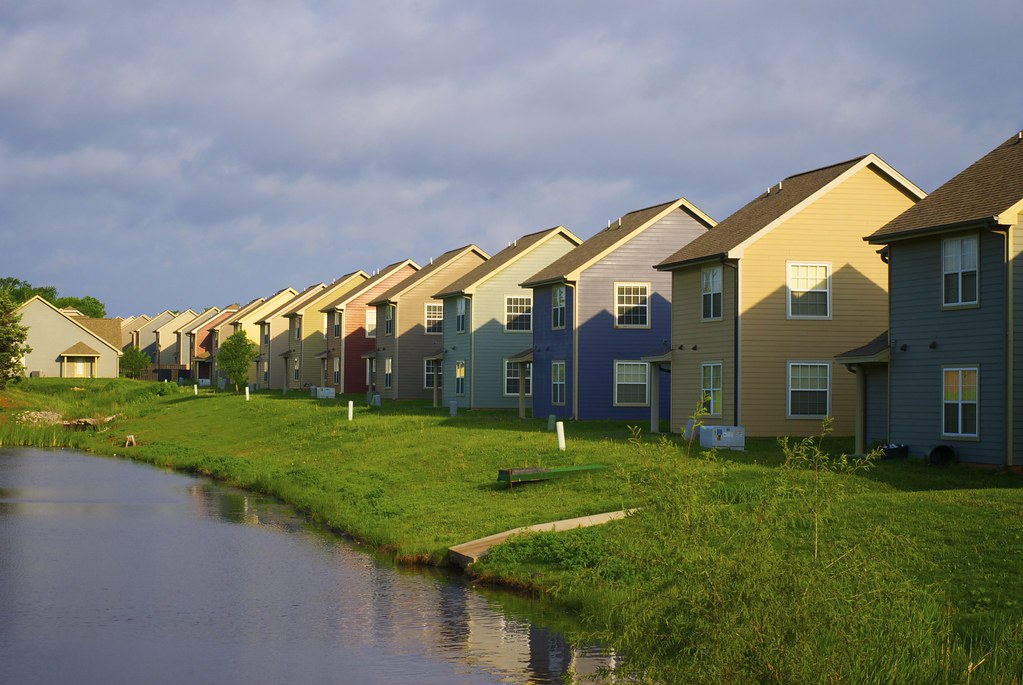
Florida’s real estate market is a dynamic entity, constantly influenced by a confluence of economic factors and shifting market trends. Understanding these undercurrents is crucial for anyone looking to purchase residential property in the Sunshine State. From the cost of borrowing to the ebb and flow of seasonal residents, these elements collectively dictate affordability, negotiation power, and regional demand, ultimately shaping the landscape for potential buyers.The interplay of these economic forces creates a unique environment for real estate transactions in Florida.
Buyers and sellers alike must navigate these influences to make informed decisions. The current climate presents both opportunities and challenges, making a comprehensive understanding of these market dynamics indispensable for successful property acquisition.
Impact of Interest Rate Fluctuations on Mortgage Affordability and Buyer Purchasing Power
Interest rates represent a foundational element in real estate affordability. Fluctuations in these rates directly impact the monthly mortgage payments for prospective homeowners in Florida, thereby influencing their overall purchasing power. When interest rates rise, the cost of borrowing increases, leading to higher monthly mortgage obligations for the same loan amount. This can force buyers to either seek lower-priced properties, increase their down payment, or delay their purchase altogether.
Conversely, a decrease in interest rates makes mortgages more affordable, expanding buyer purchasing power and potentially stimulating demand. For instance, a buyer who could afford a $300,000 home at a 7% interest rate might only be able to afford a $270,000 home at a 9% interest rate, assuming the same monthly payment. This sensitivity highlights the critical role of interest rate stability and predictability for the health of the Florida housing market.
“Mortgage rates act as a gatekeeper to homeownership, with even small shifts significantly altering the financial landscape for buyers.”
The Federal Reserve’s monetary policy plays a pivotal role in setting the benchmark for these rates. Decisions regarding inflation control and economic stimulation can lead to adjustments in the federal funds rate, which in turn influences mortgage rates offered by lenders. Buyers actively monitoring these trends can better position themselves to capitalize on favorable borrowing conditions or prepare for potential increases.
Supply and Demand Principles Affecting Property Values and Negotiation Leverage
The fundamental economic principles of supply and demand are profoundly impacting property values and negotiation leverage within the Florida real estate market. When demand for housing outstrips the available supply, property values tend to rise, and sellers often gain the upper hand in negotiations. Conversely, an oversupply of properties relative to buyer interest can lead to stagnant or declining prices, empowering buyers with greater negotiation leverage.
Florida has experienced periods of robust demand, fueled by population growth and its appeal as a desirable place to live and retire. This sustained demand, coupled with construction challenges and land availability, has often resulted in a seller’s market, characterized by multiple offers, bidding wars, and reduced negotiation flexibility for buyers.For example, in popular coastal areas or growing metropolitan centers like Tampa or Orlando, the limited inventory of desirable homes means buyers may have to act quickly and offer above the asking price to secure a property.
Find out about how Houses for Sale in Dominican Republic can deliver the best answers for your issues.
In such scenarios, contingencies like financing or inspection might be waived by buyers to make their offers more attractive. However, in regions with a higher inventory or slower population growth, buyers might find more room for negotiation, including requesting seller concessions or lower prices.
The Role of Seasonal Migration Patterns in Regional Property Demand
Seasonal migration patterns are a significant driver of demand for residential properties in various Florida regions throughout the year. The state’s appeal as a winter refuge for individuals from colder climates, often referred to as “snowbirds,” creates a predictable surge in demand for rentals and second homes, particularly in the southern and coastal areas. This influx of seasonal residents typically begins in the fall and extends through the spring, impacting rental rates and the availability of properties for sale.Regions like South Florida, including Miami-Dade, Broward, and Palm Beach counties, experience heightened demand for vacation rentals and seasonal residences during these months.
Similarly, the Gulf Coast, from Naples to Sarasota and extending up to the Tampa Bay area, sees a substantial increase in visitors and temporary residents. This seasonal demand can influence property values, with prices often seeing a modest uptick in anticipation of the peak season. For investors, understanding these patterns is crucial for maximizing rental income. Conversely, during the summer months, demand in some of these areas may soften as seasonal residents return north, offering potential opportunities for buyers seeking more favorable terms.
Broader Economic Indicators Contributing to Florida’s Real Estate Health
The overall health of Florida’s real estate sector is intrinsically linked to broader economic indicators, most notably robust job growth and positive population trends. Florida has consistently demonstrated strong job creation across various sectors, including technology, healthcare, and tourism, attracting new residents seeking employment opportunities. This influx of people directly translates into increased demand for housing, supporting property values and market activity.
The state’s business-friendly environment and lack of state income tax further contribute to its attractiveness for both individuals and corporations, fostering a continuous cycle of growth.Population trends are equally significant. Florida has been a leading state in population growth for years, with both domestic and international migration contributing to its expanding demographic base. This sustained population increase underpins the long-term demand for residential properties, providing a stable foundation for the real estate market.
For instance, the growth in tech hubs like Austin, Texas, has seen a spillover effect with companies and individuals relocating to Florida, seeking similar opportunities with a lower cost of living and favorable business climate. This sustained economic vitality and demographic expansion create a fertile ground for real estate investment and homeownership in Florida.
The Essential Steps and Considerations for Individuals Actively Searching for a Home to Buy in Florida
Embarking on the journey to purchase a home in Florida is an exciting prospect, but it requires a structured approach to ensure a smooth and successful transaction. This guide Artikels the crucial steps and considerations prospective buyers should be aware of as they navigate the vibrant Florida real estate market. From understanding your financial capacity to finalizing the purchase, each stage plays a vital role in securing your ideal Florida residence.The process of buying a home is multifaceted, demanding careful planning and execution.
By following a systematic procedure, buyers can mitigate potential challenges and make informed decisions. This involves not only identifying suitable properties but also understanding the financial implications, legal requirements, and market dynamics unique to Florida.
Defining Your Budget and Securing Financing Pre-Approval
The foundational step in any home search is establishing a clear understanding of your financial capabilities. This involves not just identifying a target price range but also factoring in all associated costs beyond the sticker price of the home. A well-defined budget prevents disappointment and ensures you are looking at properties within your realistic means.To effectively define your budget, it is imperative to begin with a pre-approval for financing.
This process involves a lender evaluating your financial situation, including your income, credit history, and existing debts, to determine how much they are willing to lend you. Obtaining pre-approval provides a concrete number, giving you a solid understanding of your purchasing power.
Pre-approval is a crucial step that demonstrates to sellers you are a serious and qualified buyer, often strengthening your position in a competitive market.
Beyond the loan amount, consider all the ancillary costs associated with homeownership. These include:
- Down payment: The initial amount you pay upfront.
- Closing costs: Fees associated with finalizing the mortgage and transferring ownership, typically ranging from 2% to 5% of the loan amount. These can include appraisal fees, title insurance, origination fees, and recording fees.
- Moving expenses: The cost of relocating your belongings.
- Homeowners insurance: Mandatory for most mortgage lenders, this protects against damage to your property. Florida’s unique climate may necessitate specific coverage for wind and flood damage, potentially increasing premiums.
- Property taxes: An annual tax levied by local government, the amount varies significantly by county and municipality.
- Potential for immediate repairs or renovations: Budgeting for any desired upgrades or necessary fixes upon moving in.
By meticulously calculating these expenses, you can create a comprehensive budget that accurately reflects the true cost of homeownership in Florida.
Utilizing Online Search Platforms and Engaging Real Estate Professionals
Once your budget is established, the next phase involves actively searching for suitable properties. The digital age has revolutionized how we find homes, with numerous online platforms offering vast databases of listings. These websites allow you to filter properties based on location, price, size, number of bedrooms and bathrooms, and specific amenities. They often provide high-quality images, virtual tours, and detailed property descriptions, giving you a good initial feel for what’s available.While online platforms are invaluable tools, they are most effective when complemented by the expertise of a local real estate professional.
A licensed agent possesses in-depth knowledge of the Florida market, including neighborhood trends, school districts, and upcoming developments. They can provide personalized guidance, access to listings that may not yet be publicly advertised, and help you navigate the complexities of the transaction.
A skilled real estate agent acts as your advocate, offering invaluable insights and negotiating on your behalf to secure the best possible outcome.
When choosing an agent, look for someone with a proven track record in the specific areas of Florida you are interested in. Interview potential agents to ensure you find a good fit, someone you trust and feel comfortable working with. They can help you schedule showings, offer expert opinions on properties, and guide you through the offer and negotiation process.
Property Inspection and Due Diligence for Florida Residences
After identifying a property you wish to purchase and submitting an offer that is accepted, the critical phase of property inspection and due diligence begins. This is where you thoroughly investigate the condition of the home to ensure there are no hidden issues that could lead to costly repairs or significant problems down the line.A professional home inspection is paramount.
A qualified inspector will examine the property’s structural integrity, electrical systems, plumbing, HVAC, roofing, and other key components. They will identify any existing defects or potential future problems, providing you with a detailed report.
Understanding the findings of a home inspection is crucial; it empowers you to make an informed decision about proceeding with the purchase or renegotiating terms.
When evaluating a Florida residence, several common pitfalls should be carefully avoided:
- Overlooking the importance of a wind mitigation inspection: Given Florida’s susceptibility to hurricanes, a wind mitigation inspection can identify features that reduce wind damage risk, potentially leading to significant savings on homeowners insurance premiums.
- Neglecting to investigate flood zone status: Many areas in Florida are prone to flooding. It is essential to determine if the property is in a flood zone and understand the implications for insurance requirements and potential risks.
- Skipping a thorough pest inspection: Florida’s warm climate makes it a haven for pests like termites and carpenter ants, which can cause extensive structural damage.
- Failing to research local zoning and building codes: Ensure the property complies with current regulations, especially if you plan to make any modifications.
- Not verifying property boundaries and easements: Confirming clear title and understanding any restrictions or rights of way affecting the property is vital.
Thorough due diligence extends beyond the physical inspection to encompass a review of all relevant documentation, including title reports, surveys, and homeowner association (HOA) documents if applicable. This comprehensive approach ensures you are fully aware of any encumbrances or restrictions associated with the property.
Navigating Negotiation and Understanding Florida Contract Contingencies
Once the inspection and due diligence are complete, and assuming no significant issues have arisen or have been satisfactorily addressed, the negotiation phase becomes central. This is where you and the seller come to an agreement on the final purchase price and terms of the sale. Your real estate agent will be instrumental in guiding you through this process, advising on appropriate counter-offers and strategies.The importance of understanding contract contingencies specific to Florida real estate transactions cannot be overstated.
These are conditions that must be met for the contract to remain valid. Common contingencies in Florida include:
- Financing Contingency: This protects the buyer by allowing them to withdraw from the contract if they are unable to secure the necessary financing within a specified timeframe.
- Inspection Contingency: This allows the buyer to renegotiate terms or withdraw from the purchase if the home inspection reveals significant issues that cannot be resolved to their satisfaction.
- Appraisal Contingency: This ensures the property appraises for at least the agreed-upon purchase price. If it appraises for less, the buyer may be able to renegotiate the price or terminate the contract.
- Homeowners Association (HOA) Review Contingency: If the property is part of an HOA, this contingency allows the buyer to review the HOA’s rules, regulations, financial health, and covenants. Dissatisfaction with these can lead to withdrawal.
- Sale of Buyer’s Current Home Contingency: While less common in hot markets, this allows the buyer to back out if they cannot sell their current home by a certain date.
Each contingency provides a safety net, allowing you to exit the contract without penalty if specific conditions are not met, thereby protecting your earnest money deposit.
It is crucial to work closely with your real estate agent and potentially a real estate attorney to ensure all contingencies are clearly defined, understood, and have appropriate deadlines. This meticulous approach to negotiation and understanding contract specifics is vital for a secure and successful home purchase in Florida.
Exploring the Distinct Lifestyle Advantages and Community Features in Florida Homeownership
Florida offers a unique tapestry of lifestyle advantages and community features that consistently draw individuals and families to its diverse residential landscapes. Beyond the allure of the sun and sand, the Sunshine State boasts a rich array of experiences catering to a wide spectrum of preferences, from the laid-back rhythm of coastal towns to the dynamic pulse of urban centers.
This appeal is not merely superficial; it is deeply rooted in the tangible benefits of climate, recreation, culture, and a strong sense of community, all of which contribute significantly to the decision-making process for prospective homeowners. Understanding these elements is key to appreciating why Florida continues to be a premier destination for real estate investment and personal relocation.The state’s unparalleled access to natural beauty, coupled with its commitment to fostering vibrant communities, creates an environment where residents can truly thrive.
Whether one seeks the tranquility of a beachfront retreat, the intellectual stimulation of a cultural hub, or the nurturing environment of a family-oriented neighborhood, Florida presents a compelling proposition. The following exploration delves into these distinct advantages, illuminating the multifaceted reasons behind Florida’s enduring real estate magnetism.
Coastal Living and Its Practical Manifestations
Florida’s extensive coastline is arguably its most celebrated asset, offering a lifestyle characterized by relaxation, recreation, and a profound connection to the ocean. This translates into tangible benefits for homeowners, including immediate access to pristine beaches that serve as natural playgrounds for sunbathing, swimming, and leisurely strolls. The vibrant marine environment also supports a thriving water sports culture, with opportunities for surfing, paddleboarding, kayaking, boating, and fishing readily available.
Many coastal communities are designed with this lifestyle in mind, featuring beachfront properties with direct access, marinas for boat owners, and a plethora of waterfront dining and entertainment options. The atmosphere in these areas is often described as laid-back and unhurried, with a focus on enjoying the natural surroundings and a slower pace of life. For instance, towns like Siesta Key on the Gulf Coast are renowned for their powdery white sand beaches and calm waters, fostering a serene environment ideal for relaxation and family outings.
Conversely, areas along the Atlantic coast, such as Cocoa Beach, offer a more active surf culture and a bustling boardwalk scene. The proximity to the water also influences local economies and social interactions, with many businesses and community events revolving around the ocean.
Vibrant Cultural Scenes and Recreational Opportunities
Beyond its beaches, Florida’s metropolitan areas and smaller towns offer a rich tapestry of cultural experiences and recreational pursuits that cater to diverse interests. Major cities like Miami, Orlando, Tampa, and Jacksonville are cultural melting pots, boasting world-class museums, art galleries, theaters, and live music venues. Miami, for example, is celebrated for its vibrant Latin American influence, evident in its art deco architecture, diverse culinary scene, and energetic nightlife.
Orlando, while famous for its theme parks, also hosts numerous performing arts centers and cultural festivals. Smaller towns often contribute their unique charm through local festivals, farmers’ markets, historical sites, and community theaters, fostering a strong sense of local identity. Recreational opportunities abound, ranging from professional sports teams and championship golf courses to extensive park systems and nature preserves. The Everglades National Park, for instance, offers unparalleled opportunities for wildlife viewing and eco-tourism, while state parks across the state provide hiking, camping, and birdwatching.
This blend of urban sophistication and natural beauty ensures that residents have a wealth of options for entertainment, education, and active engagement throughout the year.
Climate Benefits and Outdoor Activity Advantages
Florida’s subtropical to tropical climate is a significant draw for individuals seeking an active and healthy lifestyle, as it facilitates year-round outdoor engagement. The warm temperatures and abundant sunshine mean that residents can enjoy outdoor activities for most of the year, minimizing the seasonal limitations often experienced in other parts of the country. This encourages a lifestyle focused on physical well-being and connection with nature.
Popular outdoor pursuits include cycling along scenic trails, jogging through lush parks, playing tennis, and engaging in water-based activities like swimming and fishing, which are accessible regardless of the season. The climate also supports a thriving agricultural sector, with fresh, locally grown produce readily available at markets, contributing to healthier eating habits. For those with health concerns or who simply wish to maintain an active lifestyle, Florida’s climate provides an ideal setting.
The prevalence of outdoor fitness classes, walking clubs, and community sports leagues further underscores the state’s commitment to promoting health and wellness among its residents.
Family-Friendly Communities and Their Contributing Factors
Florida’s appeal extends significantly to families, with numerous communities prioritizing educational facilities, safe environments, and engaging activities that foster child development and family bonding. The state offers a wide range of public and private school options, many of which are highly rated and provide specialized programs. Beyond academics, Florida communities are rich in family-oriented amenities such as well-maintained parks, playgrounds, splash pads, and recreational centers that offer structured activities and summer camps.
Community events, from local festivals and holiday celebrations to youth sports leagues and library programs, play a crucial role in creating a sense of belonging and providing opportunities for families to connect with one another. For example, towns often organize annual events like “Movies in the Park” or “Community Fun Days,” which are low-cost, high-engagement activities for all ages. The emphasis on outdoor living also means that families have ample opportunities for healthy recreation, whether it’s exploring nature trails, visiting local zoos, or enjoying the numerous family-friendly beaches.
The combination of strong educational infrastructure, abundant recreational facilities, and a consistent calendar of community-focused events makes Florida an attractive choice for families looking to establish roots and raise children in a supportive and engaging environment.
Unique Advantages of Purchasing Residential Property in Florida Compared to Other Popular Relocation States
Florida presents a compelling case for prospective homebuyers seeking a distinct set of advantages that set it apart from other popular relocation destinations. Beyond its renowned sunshine and beaches, the Sunshine State offers a unique financial and lifestyle proposition that can significantly impact the long-term benefits of homeownership. These advantages are rooted in its fiscal policies, regulatory framework, and diverse environmental offerings, making it a prime choice for those considering a significant life change and property investment.When evaluating where to invest in real estate, understanding the nuances of property taxes, income taxes, and insurance costs is paramount.
Florida’s approach to these financial aspects, coupled with its specific consumer protections and unparalleled lifestyle diversity, creates a particularly attractive environment for residential property acquisition. This makes a thorough examination of these factors essential for anyone contemplating a move and a home purchase in the state.
Florida’s Property Tax Structure and Homeowner’s Insurance Considerations
Florida’s property tax system offers several advantages, notably the Save Our Homes amendment, which caps annual property tax increases on homesteaded properties at 3% or the Consumer Price Index, whichever is less. This provides significant predictability and protection against rapid tax escalations, a stark contrast to some other states where property taxes can rise unpredictably year over year, sometimes by double-digit percentages, impacting affordability and long-term financial planning for homeowners.
While Florida does have property taxes, the mechanisms in place aim to stabilize these costs for residents.Homeowner’s insurance in Florida, however, can be a more complex consideration due to the state’s susceptibility to hurricanes and other weather-related events. Premiums can be higher than in many inland states. Nevertheless, the state has implemented various programs and regulations designed to ensure the availability and affordability of insurance.
For instance, the Florida Hurricane Catastrophe Fund plays a crucial role in reinsuring insurance companies, helping to mitigate the impact of major storms on premiums. It’s also important to note that while some states might have lower insurance premiums, they may compensate with higher property taxes or other fees. Buyers in Florida are encouraged to thoroughly research insurance options and factor these costs into their overall budget.
Absence of State Income Tax and its Financial Implications
One of the most significant financial incentives for relocating to Florida is the absence of a state income tax. This means that residents do not pay a percentage of their earnings to the state government. For individuals and families relocating from states with progressive income tax systems, such as California or New York, this can translate into substantial annual savings.
For example, a household earning $100,000 in a state with a 5% income tax would save $5,000 annually by moving to Florida, and this saving is perpetual, compounding over the years. This retained income can be directly applied to mortgage payments, home improvements, savings, or discretionary spending, significantly enhancing the financial well-being of new residents and making homeownership more attainable and sustainable.
Regulatory Environment and Consumer Protections in Florida Real Estate Transactions
Florida’s real estate market is governed by a robust regulatory environment designed to protect consumers. The Florida Real Estate Commission (FREC) oversees the licensing and conduct of real estate professionals, ensuring they adhere to ethical standards and legal requirements. Key consumer protections include mandatory disclosures from sellers regarding property condition, such as flood zones, past structural issues, and lead-based paint hazards.
You also can investigate more thoroughly about Home Bar Wall Decor Ideas to enhance your awareness in the field of Home Bar Wall Decor Ideas.
The Florida Residential Property Disclosure Act mandates that sellers provide buyers with a comprehensive disclosure statement. Furthermore, escrow accounts are strictly regulated, ensuring that earnest money deposits are held securely and are disbursed according to the terms of the purchase agreement. This framework provides buyers with a higher degree of confidence and security throughout the transaction process, minimizing the risk of unexpected issues or fraudulent practices.
Diverse Lifestyle Offerings and Climate Variations in Florida Homeownership
Florida’s appeal extends far beyond its financial advantages, offering an unparalleled diversity of lifestyle opportunities and climate variations that cater to a wide array of preferences. From the vibrant cultural hubs of South Florida with its international flair and bustling nightlife to the tranquil, nature-focused experiences of the Panhandle with its pristine beaches and abundant wildlife, there is a distinct Florida lifestyle for everyone.
The state boasts a spectrum of climates, from the subtropical warmth of the Keys, ideal for year-round outdoor activities, to the slightly more temperate zones in the north, offering a pleasant balance for those who prefer milder winters.This climatic diversity directly influences homeownership by enabling a wide range of architectural styles and property types. Coastal properties benefit from designs that embrace indoor-outdoor living, while inland areas might feature homes suited for cooler evenings.
The consistent warm weather in many parts of the state supports active lifestyles, encouraging activities like boating, fishing, golfing, and exploring numerous state and national parks. Furthermore, the strong sense of community in many Florida neighborhoods, whether in active adult communities, family-oriented suburbs, or urban enclaves, fosters a welcoming environment for new residents. The combination of a desirable climate, diverse recreational opportunities, and varied community settings makes Florida a uniquely attractive state for owning a home.
Conclusion

Embarking on the quest for houses for sale in Florida is an exciting endeavor, promising not just a property but a lifestyle. From the sun-drenched beaches of the coast to the dynamic cultural scenes inland, Florida offers a unique blend of opportunity and leisure. By understanding the diverse regions, property options, market trends, and the straightforward process of acquisition, prospective buyers can confidently secure a piece of this desirable state.
The allure of no state income tax, coupled with a vibrant economy and abundant recreational activities, solidifies Florida’s position as a top destination for those seeking a new home.
Question & Answer Hub: Houses For Sale In Florida
What are the most popular regions for real estate activity in Florida?
Currently, areas like South Florida (Miami-Dade, Broward, Palm Beach counties) are highly active due to their international appeal and economic diversity. Central Florida (Orlando, Tampa Bay) remains popular for its family-friendly attractions and growing job market. The Gulf Coast (Sarasota, Naples) is sought after for its upscale living and beautiful beaches.
What is the typical price range for a single-family home in Florida?
Price ranges vary significantly by region. In desirable coastal areas or major metropolitan centers, you might see median prices well over $500,000, sometimes reaching into the millions. In more inland or developing areas, starter homes can be found in the $200,000s to $300,000s. It’s essential to research specific neighborhoods for accurate pricing.
Are there specific seasons when it’s better to buy a house in Florida?
While you can buy a home year-round, the peak season for real estate activity in Florida is generally from January to April, coinciding with the influx of “snowbirds” and a generally pleasant climate. However, the off-season (late summer/fall) can sometimes present more negotiation opportunities due to lower demand.
What are the main differences in property taxes between Florida and other states?
Florida has a relatively moderate property tax rate compared to some other states. Additionally, Florida offers a homestead exemption for primary residences, which can significantly reduce the taxable value of your home. It’s always advisable to consult with a local tax professional for specifics.
How does the absence of state income tax impact homeowners in Florida?
The absence of state income tax means that residents keep more of their earned income, which can be a significant financial advantage. This extra disposable income can be allocated towards mortgage payments, home improvements, or other personal financial goals, making homeownership more accessible and sustainable.