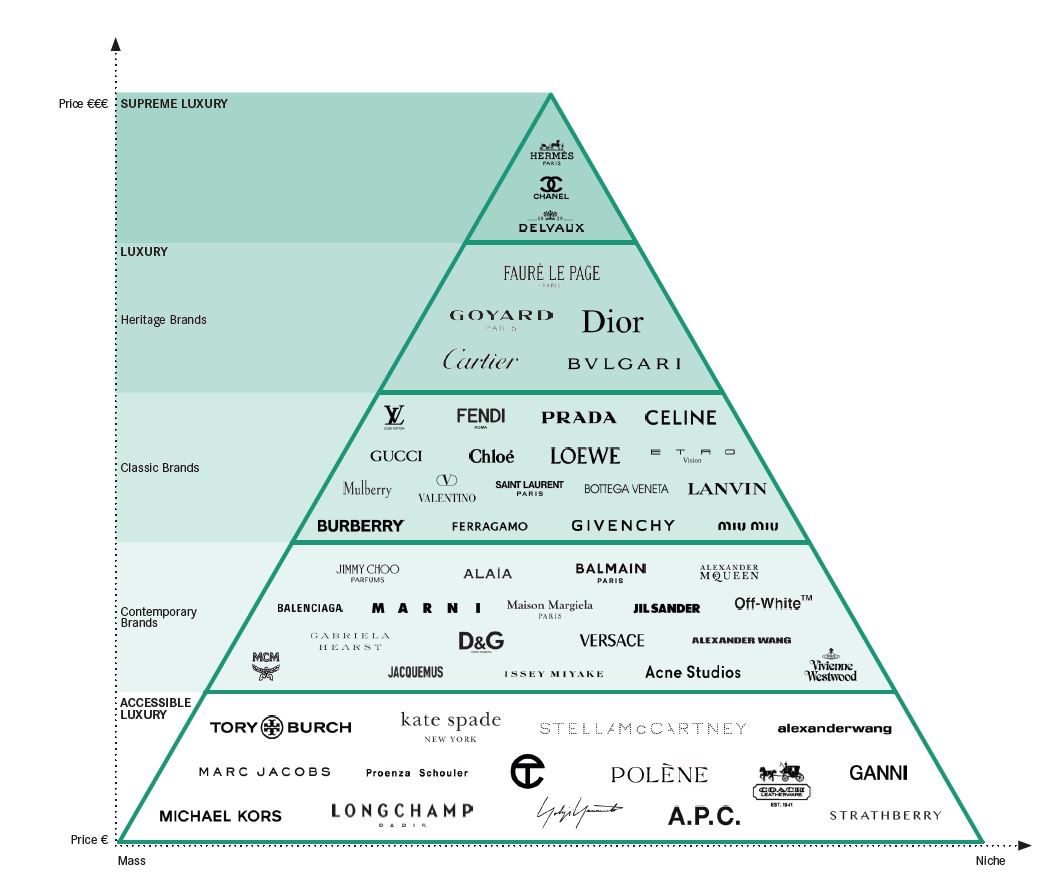
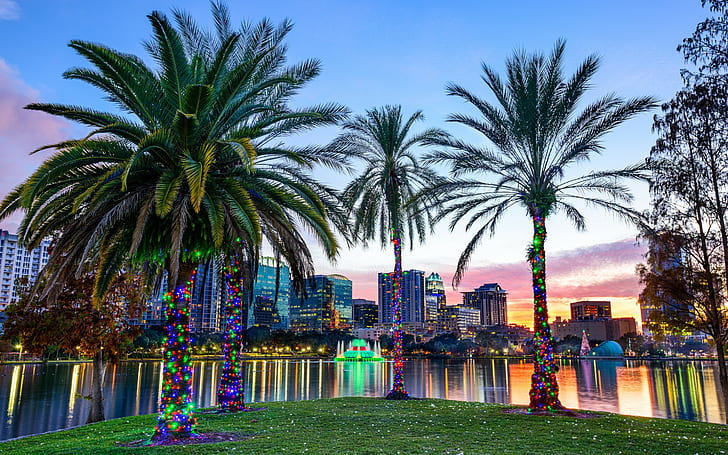
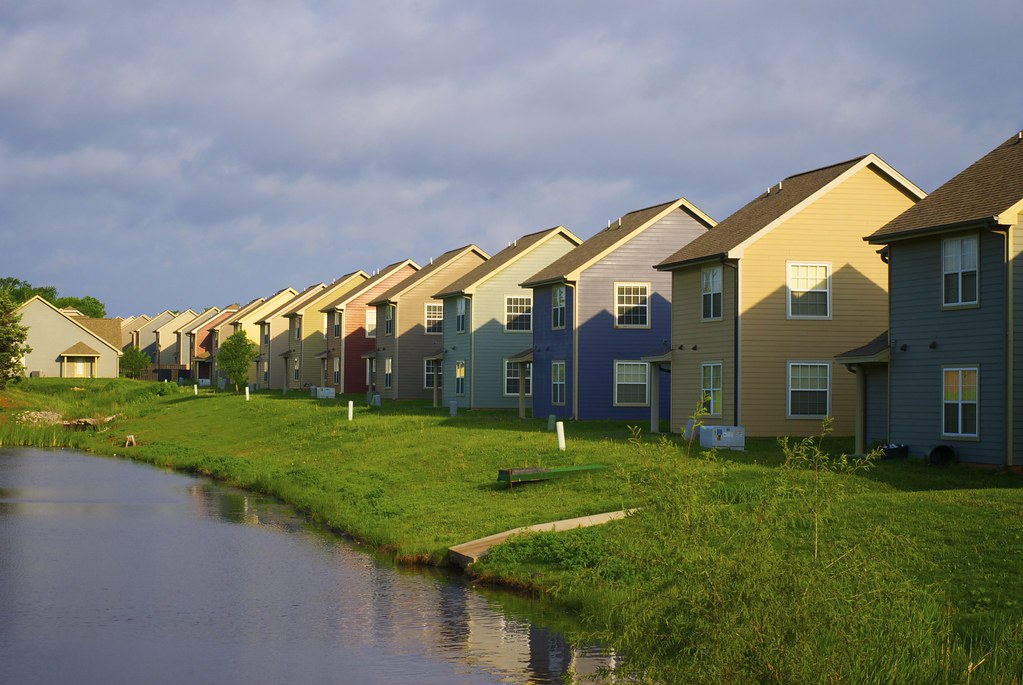
Luxury home beach offers an unparalleled lifestyle, blending opulence with the soothing embrace of the ocean. This exploration delves into the multifaceted allure of owning a high-end residence by the sea, from the profound psychological benefits to the intricate details of design and acquisition.

We will uncover the unique psychological draw of coastal living, explore the distinctive architectural features of these exclusive properties, and examine the sophisticated lifestyle and amenities that accompany such an investment. Furthermore, the complexities of acquiring and maintaining a prestigious seaside dwelling will be addressed, alongside the crucial connection between these homes and their surrounding natural ecosystems.

The Irresistible Psychology of Luxury Beachfront Living

The allure of owning a luxury home where the land meets the sea is a deeply ingrained aspiration, tapping into fundamental human desires for peace, beauty, and a connection to nature. This isn’t merely about acquiring a property; it’s about embracing a lifestyle that profoundly impacts one’s psychological well-being. The decision to invest in such a residence is often driven by a complex interplay of sensory engagement, emotional fulfillment, and the subtle yet powerful influence of societal aspirations and personal life achievements.

It represents a pinnacle of personal success, a sanctuary designed to both impress and deeply comfort its inhabitants.The unique psychological draw of a luxury home by the ocean stems from its capacity to engage multiple senses in a harmonious and often transformative way. This sensory immersion is a cornerstone of its appeal, offering a constant, gentle reminder of nature’s grandeur and the profound tranquility it can bestow.

The experience is not passive; it actively shapes our perception and mood, creating an environment conducive to relaxation and rejuvenation.

Profound Sensory Experiences of Beachfront Luxury

The sensory tapestry woven by a luxury beachfront home is exceptionally rich, providing a continuous, multi-dimensional experience that nourishes the soul. The sounds, smells, and visual panoramas are not merely pleasant background elements; they are integral to the very essence of this lifestyle, fostering a deep sense of connection to the natural world and an escape from the cacophony of urban life.The auditory landscape is perhaps the most immediate and pervasive sensory delight.

The rhythmic ebb and flow of the waves provide a constant, soothing soundtrack. This natural cadence, ranging from a gentle lapping to a more vigorous crash depending on the tide and weather, has a scientifically recognized calming effect. It can mask disruptive urban noises, creating an acoustic shield that promotes focus and relaxation. Beyond the waves, one might hear the cries of seagulls, the rustling of palm fronds in the sea breeze, or the distant hum of a passing boat, each sound contributing to an immersive, natural symphony.

This sonic environment is inherently therapeutic, offering a consistent presence that anchors the mind and promotes a state of mindfulness.The olfactory experience is equally compelling. The air is perpetually infused with the crisp, clean scent of salt and sea spray, a natural aroma that is invigorating and purifying. This scent is often accompanied by the subtle fragrance of coastal flora, such as blooming jasmine or sea lavender, adding layers of natural perfume.

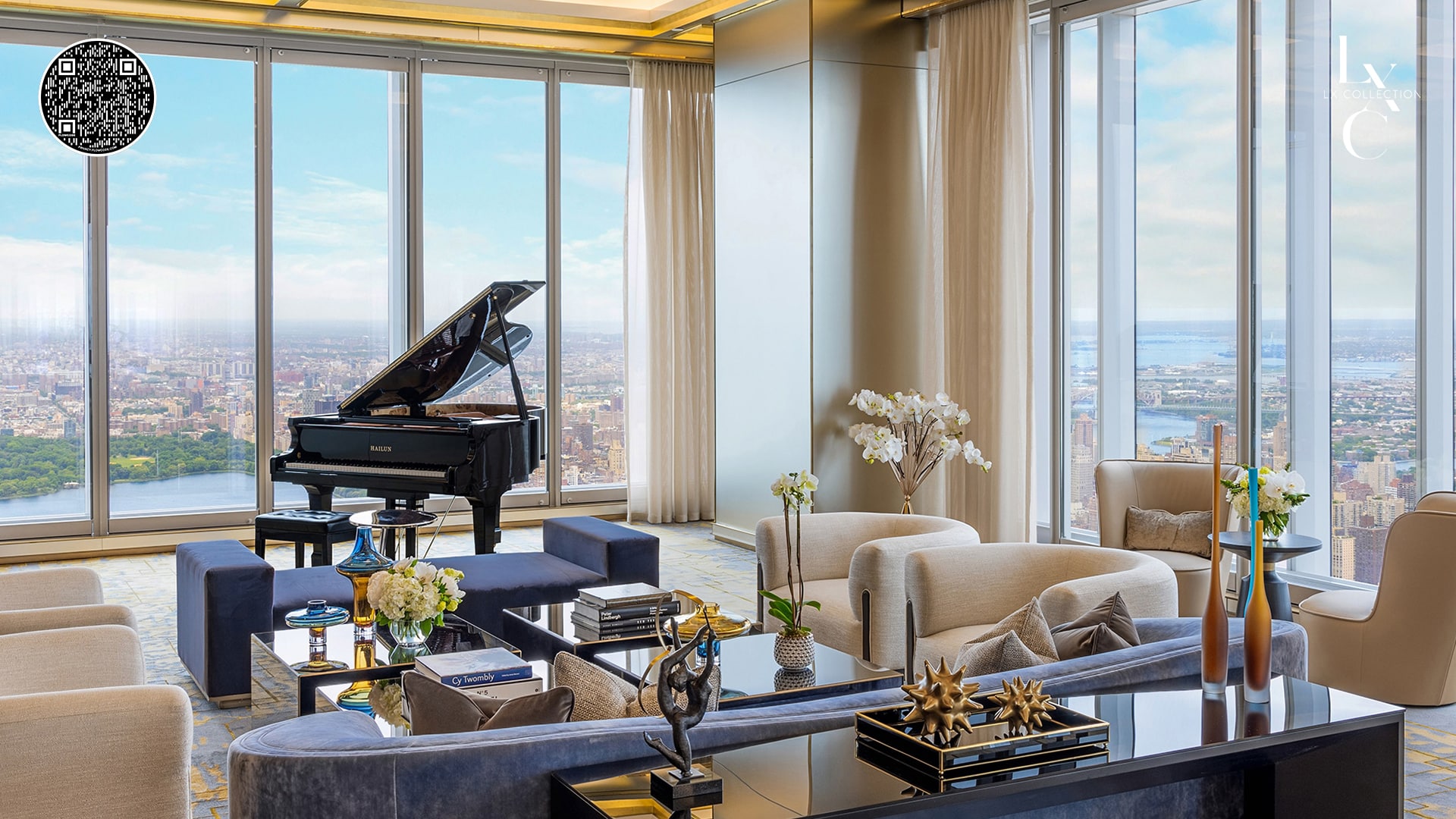
Unlike artificial scents, these are authentic and ever-changing, reflecting the nuances of the environment. The absence of urban pollution means the air is not just clean but vibrant, carrying the essence of the ocean and contributing to a feeling of well-being and vitality.Visually, the panoramas are breathtaking and dynamic. Floor-to-ceiling windows and expansive balconies offer unobstructed views of the ocean, the sky, and the coastline.

The ever-shifting colors of the sea, from deep blues and greens to shimmering aquamarines, are a constant source of visual pleasure. Sunrises and sunsets paint the sky with spectacular hues, offering daily spectacles that inspire awe and gratitude. The vastness of the horizon can foster a sense of perspective, making personal worries seem smaller against the backdrop of the immense ocean.

Observing the play of light on the water, the distant silhouettes of ships, or the graceful flight of seabirds provides a continuous stream of visual stimulation that is both beautiful and calming. This constant visual engagement with nature’s artistry is a powerful antidote to visual monotony.

Emotional Benefits and Stress Reduction from Sea Access

Owning a high-end property with direct sea access cultivates a profound sense of emotional well-being and offers significant stress-reduction benefits, largely due to the inherent restorative qualities of the marine environment and the elevated sense of security and luxury it provides. This connection to the ocean acts as a natural balm for the mind and spirit.The constant proximity to the ocean fosters a unique sense of peace and tranquility.

The rhythmic sound of the waves has a deeply meditative quality, capable of lowering cortisol levels and promoting a state of calm. This natural white noise can drown out intrusive thoughts and anxieties, allowing the mind to settle. Furthermore, the visual spectacle of the sea—its vastness, its changing moods, and its vibrant colors—can evoke feelings of awe and wonder, shifting focus away from daily stressors and towards a broader perspective.

This exposure to natural beauty is a well-documented mood enhancer.Direct access to the sea also encourages an active, healthy lifestyle, which is intrinsically linked to emotional health. Opportunities for swimming, walking along the beach, water sports, or simply enjoying the fresh sea air contribute to physical well-being, which in turn positively impacts mental health. Regular physical activity releases endorphins, the body’s natural mood boosters, combating feelings of depression and anxiety.

The simple act of stepping onto the sand or feeling the sea breeze can be an instant stress reliever, a tangible escape from the pressures of modern life.The sense of privacy and exclusivity often associated with luxury beachfront homes also plays a crucial role in stress reduction. These properties are typically situated in serene, less crowded locations, offering a personal sanctuary away from the hustle and bustle.

This privacy allows for uninterrupted relaxation and a feeling of control over one’s environment, which is vital for mental well-being. The feeling of security and the ability to retreat to a beautiful, calming space provides a powerful buffer against life’s challenges. It allows for a consistent opportunity to recharge and reconnect with oneself, fostering resilience and a greater sense of overall happiness.

The ownership of such a property is not just an asset; it is a continuous investment in one’s mental and emotional health.

Societal Trends and Personal Milestones Shaping Luxury Beach Home Aspirations

The aspiration for a luxury beach home is intricately shaped by evolving societal trends and the significant milestones individuals achieve throughout their lives. It represents not just a material possession but a symbol of success, a reward for hard work, and a vision for a desired future lifestyle, often influenced by cultural narratives and personal growth.Societal trends have increasingly emphasized experiences and well-being over mere material accumulation.

This shift has elevated the desire for homes that offer not just comfort but also a connection to nature and opportunities for rejuvenation. The “wellness lifestyle” movement, for instance, highlights the importance of environments that promote health and happiness, making beachfront properties, with their inherent natural beauty and therapeutic qualities, highly desirable. Furthermore, the rise of remote work has blurred the lines between home and vacation, allowing individuals to prioritize living in locations that offer a superior quality of life, such as coastal areas.

Social media also plays a role, showcasing aspirational lifestyles and normalizing the pursuit of such residences.Personal milestones are significant catalysts for this aspiration. Reaching a certain level of financial success, such as achieving a senior executive position, successfully launching a business, or experiencing significant career growth, often prompts individuals to reassess their lifestyle and consider rewards that reflect their achievements.

Retirement is another major milestone; many envision their post-work years spent in a tranquil, beautiful setting, free from the demands of employment, with a beachfront home being the ultimate dream destination. The birth of children or grandchildren can also inspire the desire for a family retreat, a place where memories can be created across generations, with the beach offering a natural playground.

Major life transitions, such as divorce or the passing of a spouse, can also trigger a desire for a fresh start and a new environment that offers solace and renewal. These milestones, coupled with the prevailing societal emphasis on work-life balance and experiential living, create a powerful impetus to pursue the dream of a luxury beach home.

Uncover the distinctive architectural and design elements that define opulent residences along coastlines.

Luxury home beach

Opulent coastal residences are more than just homes; they are curated experiences, seamlessly blending sophisticated design with the raw beauty of their seaside locations. These properties transcend typical luxury, embodying a lifestyle defined by tranquility, exclusivity, and an intimate connection with the ocean. The architecture and interior design work in concert to create spaces that are both breathtakingly beautiful and remarkably functional, catering to the unique demands of a saline environment while exuding an air of timeless elegance.The defining characteristics of these high-end coastal homes stem from a deep understanding of their environment and a commitment to unparalleled quality.

They are designed to maximize natural light, frame expansive ocean vistas, and offer a sanctuary from the elements, all while incorporating the latest advancements in comfort and technology. The selection of materials, the flow of spaces, and the integration of indoor and outdoor living are all meticulously considered to create an environment that is both visually stunning and deeply livable.

Conceptual Luxury Beach Home Design: “Azure Haven”

Azure Haven is conceived as a testament to modern coastal luxury, a residence that embraces its breathtaking surroundings while offering unparalleled comfort and sophisticated design. The architectural form is inspired by the gentle curves of the coastline and the dynamic interplay of light and water. Its low-profile, sprawling layout ensures it harmonizes with the natural landscape, avoiding an imposing presence.

The primary structure utilizes reinforced concrete for its inherent strength and resilience against coastal winds and saltwater corrosion, clad in large, precisely cut slabs of natural limestone. This stone, with its subtle variations in tone, mimics the texture of sand and rock formations, allowing the home to blend organically with its environment.The roofline features deep overhangs crafted from sustainably sourced teak, providing shade and protection from the elements while adding a warm, natural counterpoint to the cool stone.

Expansive, floor-to-ceiling windows and sliding glass doors are a paramount feature, constructed with marine-grade aluminum frames and triple-glazed, impact-resistant glass to withstand harsh weather and ensure optimal insulation. These are strategically placed to capture panoramic ocean views from virtually every room. Interior spaces flow effortlessly into one another, promoting an open-plan living experience that is further enhanced by the integration of indoor and outdoor living areas.

The material palette emphasizes natural textures and muted tones, creating a serene and calming atmosphere.Key Features of Azure Haven:

  • Foundation and Structure: Deep-set, reinforced concrete pilings and a robust concrete slab foundation, engineered to withstand high winds and potential storm surges. The primary structure employs reinforced concrete walls and beams for maximum durability.
  • Exterior Cladding: Large-format, honed limestone panels for a sophisticated, natural finish that is resistant to salt spray and UV degradation. Accents of weathered copper detailing on certain architectural elements, designed to develop a beautiful patina over time.
  • Roofing: A combination of a low-pitch, standing-seam metal roof (titanium-zinc alloy for extreme corrosion resistance) on primary structures and a green roof system on lower sections to enhance insulation and blend with the landscape. Deep teak wood overhangs for sun and rain protection.
  • Fenestration: Custom-designed, oversized sliding glass doors and casement windows with frames made from anodized marine-grade aluminum. Glass is triple-glazed, low-E coated, and features an impact-resistant interlayer for enhanced security and energy efficiency.
  • Outdoor Living Spaces: Expansive terraces and balconies constructed with durable, non-slip porcelain tiles that mimic natural stone. Integrated outdoor kitchens with marine-grade stainless steel appliances and natural stone countertops. Infinity-edge swimming pool with a saltwater chlorination system, designed to appear as an extension of the ocean.
  • Interior Materials: Wide-plank, engineered oak flooring treated for moisture resistance in main living areas. Bathrooms and wet areas feature large-format porcelain tiles and natural marble. Custom cabinetry crafted from sustainably sourced, lacquered wood with brushed nickel hardware.
  • Resilience Features: Integrated storm shutters that can be deployed automatically or manually. Advanced drainage systems to manage heavy rainfall and prevent water ingress. Use of corrosion-resistant fasteners and fixtures throughout the property.

Smart Home Technology Integration for Enhanced Convenience and Security

The integration of smart home technology in luxury coastal residences is no longer a mere amenity but a fundamental component of sophisticated living, significantly enhancing both convenience and security. These systems are meticulously designed to operate seamlessly, offering intuitive control over a multitude of functions while providing robust protection against environmental challenges and potential threats. The core principle is to create an environment that anticipates the needs of its inhabitants, automating routine tasks and offering peace of mind through advanced monitoring and response capabilities.From managing climate control and lighting to ensuring the security of the property, smart technology provides a layer of effortless control.

Imagine arriving home to perfectly pre-conditioned interiors, with ambient lighting set to your preference, all initiated by your vehicle’s proximity. Security systems go far beyond traditional alarms, incorporating intelligent sensors that can differentiate between environmental factors like wind gusts and genuine security breaches. Furthermore, the resilience of the home itself can be bolstered by smart technology, with systems capable of monitoring weather patterns and proactively securing vulnerable areas.

The ability to remotely manage and monitor the property from anywhere in the world adds an unparalleled level of reassurance for owners, whether they are traveling or simply away for the day.Key aspects of smart home integration in luxury coastal properties include:

  • Automated Climate Control: Sophisticated HVAC systems linked to smart thermostats learn occupant preferences and external weather conditions to optimize temperature and humidity, ensuring comfort while minimizing energy consumption. These systems can also monitor and adjust humidity levels, crucial in coastal environments prone to dampness.
  • Integrated Security Systems: Multi-layered security encompassing smart locks, motion detectors, door/window sensors, and high-definition surveillance cameras with facial recognition capabilities. These systems are often integrated with a central monitoring service that can dispatch authorities if necessary. Remote access allows homeowners to view live feeds and receive real-time alerts on their mobile devices.
  • Advanced Lighting Control: Smart lighting systems allow for complete customization of ambiance and functionality. This includes scheduling lights to turn on and off automatically, dimming to specific levels, and color temperature adjustments. Scene creation enables one-touch activation of pre-set lighting configurations for various activities, such as “entertaining” or “reading.”
  • Environmental Monitoring and Alerts: Sensors can monitor water intrusion, smoke, carbon monoxide, and even extreme wind speeds. In the event of a detected anomaly, the system can trigger alarms, send notifications to the homeowner, and in some cases, initiate automated responses like closing smart blinds or shutting off water mains.
  • Seamless Entertainment Integration: Multi-room audio and video systems are centrally controlled, allowing for personalized entertainment experiences in any part of the home. This can be synchronized with lighting and climate for immersive experiences.
  • Remote Access and Control: A dedicated mobile application provides comprehensive control over all smart home features, allowing homeowners to manage their property from anywhere in the world. This includes adjusting thermostats, arming/disarming security, checking camera feeds, and receiving notifications.
  • Energy Management: Smart meters and energy monitoring devices provide insights into energy consumption patterns, enabling homeowners to identify areas for efficiency improvements and optimize the use of solar power or other renewable energy sources.

Innovative Approaches to Maximizing Natural Light and Ocean Views

Maximizing natural light and preserving unobstructed ocean views are paramount in the design of high-end coastal dwellings, transforming mere residences into breathtaking observatories of the sea. Architects and designers employ a range of innovative strategies to ensure that sunlight permeates every corner of the home and that the captivating panorama of the ocean is a constant, immersive presence. This is achieved through careful consideration of the building’s orientation, the strategic placement and scale of fenestration, and the thoughtful manipulation of interior spaces to enhance the perception of light and space.The fundamental goal is to dissolve the boundaries between the interior and the vast expanse of the ocean, creating a harmonious dialogue between the built environment and its natural setting.

This involves not only large windows but also an understanding of how light behaves throughout the day and across seasons. Techniques such as light shelves, strategically placed mirrors, and open-plan layouts contribute to a brighter, more expansive feel. Furthermore, the careful selection of interior finishes plays a crucial role; reflective surfaces and light-colored materials amplify natural light, making spaces feel larger and more luminous.

The integration of architectural elements that frame views, like carefully designed balconies or extended rooflines, ensures that the ocean remains the focal point, a living artwork that changes with the tides and the time of day.Innovative approaches include:

  • Expansive Glazing and Clerestory Windows: Utilizing floor-to-ceiling windows and sliding glass walls on primary facades to capture the widest possible ocean vistas. Clerestory windows, positioned high on walls, allow natural light to penetrate deeper into the interior spaces, illuminating areas that might otherwise be shadowed, and offering glimpses of the sky and surrounding trees without compromising privacy.
  • Light Shelves and Reflective Surfaces: Incorporating light shelves, which are horizontal surfaces placed above eye level inside a window, to bounce daylight deeper into a room. These shelves redirect sunlight onto the ceiling, distributing light more evenly and reducing glare. The use of high-gloss finishes on select interior surfaces, such as lacquered cabinetry or polished stone, also reflects ambient light, further brightening the space.

  • Open-Plan Layouts and Sightlines: Designing open-plan living, dining, and kitchen areas that are oriented towards the ocean. This minimizes interior walls that could obstruct views and light flow, creating a sense of spaciousness and allowing the ocean vista to be enjoyed from multiple vantage points within the home.
  • Courtyards and Atriums: Integrating internal courtyards or atriums within the home’s footprint. These open-air spaces bring natural light and ventilation into the heart of the residence, creating internal gardens or tranquil water features that also serve to break up large volumes and offer visual relief.
  • Framed Views and Architectural Elements: Employing architectural elements such as deep-set windows, cantilevered balconies, and strategically placed columns to frame specific views of the ocean, creating a curated visual experience. These elements can also provide shade, preventing excessive solar gain while still allowing light and views to enter.
  • Material Selection for Light Reflection: Choosing interior finishes such as white or light-colored natural stone for floors and walls, along with pale wood tones and reflective metals for accents, to maximize the diffusion and reflection of natural light throughout the home.
  • Skylights and Solar Tubes: Installing skylights in areas where direct windows are not feasible, such as hallways or bathrooms, to introduce natural light from above. Solar tubes, which are highly reflective conduits, can channel sunlight from the roof down into interior spaces, providing a natural light source even in deep or windowless areas.

Explore the sophisticated lifestyle and amenities that accompany ownership of a luxury beach property.
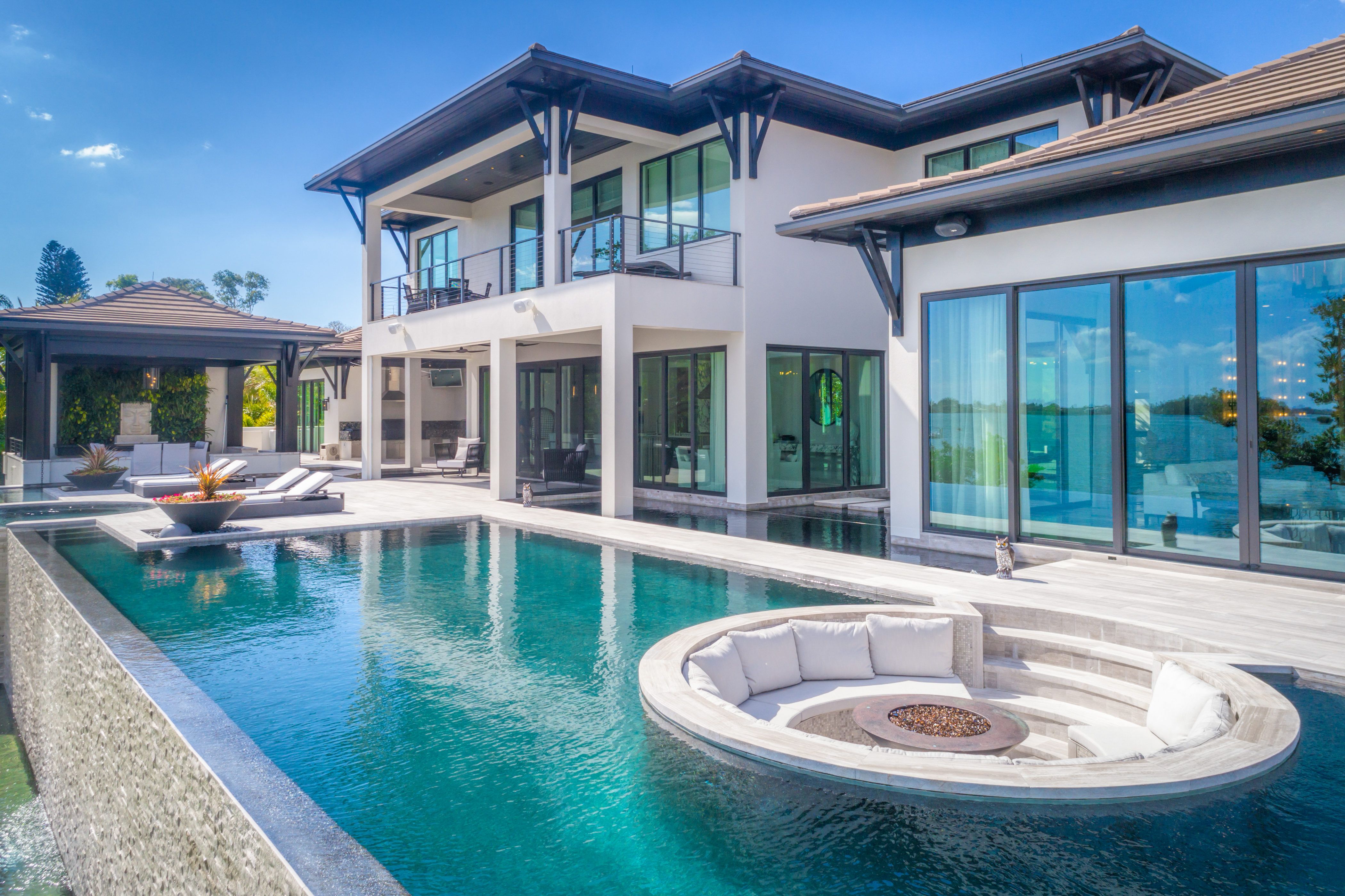
Luxury home beach

Owning a luxury beach property transcends mere real estate acquisition; it signifies an immersion into a lifestyle characterized by unparalleled comfort, exclusivity, and curated experiences. This elevated way of living is meticulously crafted through a symphony of sophisticated services and personalized attention, designed to anticipate and fulfill every resident’s desire. From the moment one considers such an investment, the promise extends far beyond the walls of the residence itself, encompassing a world of convenience and indulgence that seamlessly integrates with the natural beauty of the coastal environment.

The allure of luxury beachfront living is deeply rooted in the bespoke services and personalized experiences that cater to a discerning clientele. These are not simply conveniences; they are integral components of an exclusive lifestyle, ensuring that every aspect of a resident’s life is as effortless and enjoyable as the gentle lapping of waves on the shore. This commitment to exceptional service transforms everyday living into a continuous vacation, where needs are met proactively and desires are anticipated with an almost intuitive understanding.

Exclusive Services and Personalized Experiences

The ecosystem surrounding luxury beach properties thrives on an array of exclusive services and deeply personalized experiences, setting them apart from conventional residences. Residents often gain access to dedicated concierge teams, available around the clock, to manage everything from securing reservations at the most sought-after local restaurants and booking private yacht charters to arranging personal chefs for intimate gatherings or coordinating specialized spa treatments within the comfort of their homes.

This level of personalized attention ensures that residents can fully embrace the relaxed pace of coastal living without the burden of logistical planning.

Furthermore, many premium beachfront communities offer private membership clubs, granting access to world-class amenities such as private beach clubs with attentive service staff ready to set up lounge chairs and umbrellas, gourmet dining venues, and exclusive social events. For families, childcare services and curated children’s activities are often part of the package, allowing parents to enjoy their leisure time with peace of mind.

The management of the property itself is also typically handled with utmost professionalism, from meticulous landscaping and maintenance of common areas to security services that ensure privacy and safety. Imagine returning from a day of exploring to find your residence impeccably maintained, with personalized touches like your preferred beverages stocked and any requested arrangements already in place. This proactive approach to service fosters a sense of belonging and effortless living, where the environment is as nurturing as it is beautiful.

Beyond the tangible services, the true luxury lies in the creation of unique, memorable experiences. This can range from private sunset cruises with champagne and canapés to guided nature tours led by local experts, or even bespoke art installations commissioned for private residences. For those who appreciate fine wine, cellars can be curated with rare vintages, and private tastings can be arranged.

You also can investigate more thoroughly about beach houses for sale in florida to enhance your awareness in the field of beach houses for sale in florida.

Fitness enthusiasts might enjoy personalized training sessions with ocean views or access to state-of-the-art wellness centers. The emphasis is always on tailoring the offerings to the individual preferences of each resident, transforming a residence into a sanctuary that perfectly reflects their lifestyle and aspirations.

Comparison of Luxury Coastal Living Options, Luxury home beach

The spectrum of luxury coastal living offers diverse environments, each catering to distinct preferences and lifestyles. Whether one gravitates towards the expansive privacy of a secluded estate or the vibrant, amenity-rich atmosphere of a high-rise condominium, the core appeal of beachfront access remains. Understanding the nuances between these options is key to selecting the ideal sanctuary.

Feature/Benefit Private Estates High-Rise Condominiums
Privacy & Exclusivity Unparalleled privacy with extensive grounds, often gated, offering a secluded personal oasis. Ideal for those who value absolute solitude and control over their environment. Private living spaces with shared common areas. While offering personal residences, the proximity to neighbors is greater. Security is often a strong feature with controlled access.
Space & Customization Vast interior and exterior spaces allowing for extensive customization, including private gardens, pools, and even helipads. Perfect for large families or those who entertain extensively. Thoughtfully designed living spaces with efficient layouts. Customization is typically limited to interior finishes and furnishings.
Amenities & Services Amenities are often privately developed and maintained by the owner, offering complete control over their quality and scope. Services are typically managed by private staff. Extensive, resort-style amenities managed by the development, such as infinity pools, fitness centers, spas, and private dining rooms, often with dedicated staff.
Maintenance & Management Full responsibility for all maintenance, landscaping, security, and staff management falls on the owner, requiring significant personal involvement or delegation. Property management handles all exterior maintenance, security, and common area upkeep, offering a lower-touch ownership experience.
Views & Accessibility Direct, unobstructed access to the beach and ocean. Views can be panoramic depending on the estate’s positioning. Typically offer breathtaking, panoramic ocean and coastline views from elevated vantage points. Direct beach access may be via private elevators or walkways.
Community & Social Life Can be more isolated, with social interactions often dictated by personal choices and proximity to neighbors. Often foster a strong sense of community through shared amenities and organized events, appealing to those who enjoy social interaction.

The choice between a private estate and a high-rise condominium hinges on individual priorities regarding privacy, space, maintenance, and the desired level of community engagement. Private estates offer the ultimate in seclusion and customization, akin to owning a personal coastal kingdom, where every detail is tailored to the owner’s vision. This often involves significant responsibility for upkeep and management. Conversely, high-rise condominiums provide a more integrated, amenity-rich lifestyle with the convenience of professional management.

They offer stunning vistas and a sense of belonging within a curated community, making them ideal for those who seek a lock-and-leave ease of living combined with readily available leisure facilities.

Recreational Opportunities in a Luxury Beach Environment

The very essence of luxury beach living is inextricably linked to a wealth of unique recreational opportunities that capitalize on the stunning natural surroundings and the sophisticated infrastructure designed to enhance them. Beyond simply having access to the sand and sea, these properties often boast amenities that elevate leisure activities to an art form, fostering a lifestyle of active enjoyment and refined relaxation.

One of the most significant advantages is the provision of private watercraft access. This can manifest in various forms, from private docks and moorings for yachts and sailboats to dedicated boat lifts and private access ramps for jet skis and smaller vessels. Imagine the ease of embarking on a spontaneous fishing trip or a sunset sail directly from your property, without the need for public marinas or the hassle of transportation.

This direct connection to the water encourages a deeper engagement with the marine environment, facilitating exploration of hidden coves, neighboring islands, or simply enjoying the thrill of navigating the open sea at your leisure. For enthusiasts, dedicated storage for water sports equipment like paddleboards, kayaks, and surfboards is often integrated into the property’s design, ensuring everything is readily at hand for a day of aquatic adventure.

Curated outdoor living spaces are another hallmark of luxury beach properties. These are not mere patios or balconies; they are meticulously designed extensions of the home that seamlessly blend indoor comfort with the beauty of the outdoors. Think of expansive, multi-level terraces featuring infinity-edge pools that appear to merge with the ocean horizon, complete with submerged loungers and integrated water features.

Outdoor kitchens equipped with high-end grills, pizza ovens, and full-service bars are common, perfect for al fresco dining and entertaining under the stars. Fire pits and elegant lounge areas provide intimate settings for evening conversations, while shaded pergolas and cabanas offer respite from the sun. Some properties even feature private beach access with custom-built fire pits for evening bonfires or dedicated areas for beach volleyball and other recreational activities.

The integration of smart technology allows for the control of lighting, sound systems, and climate within these outdoor sanctuaries, creating an ambiance for every occasion. These thoughtfully crafted spaces transform the natural beauty of the coastline into an extension of the living experience, providing endless opportunities for enjoyment and rejuvenation.

The recreational possibilities extend to activities that leverage the unique coastal climate and landscape. Many luxury developments offer private tennis courts, state-of-the-art fitness centers with ocean views, and dedicated yoga or meditation pavilions overlooking the water. For those who appreciate nature, guided eco-tours, bird watching excursions, and access to nearby nature preserves can be arranged. The emphasis is on providing a holistic approach to well-being, where physical activity and connection with nature are seamlessly integrated into the daily rhythm of life.

Whether it’s a morning paddleboard session as the sun rises, an afternoon of sailing, or an evening spent stargazing from a private terrace, the recreational opportunities are as boundless as the ocean itself.

Examine the intricate process of acquiring and maintaining a prestigious seaside dwelling.
Luxury Bag Hierarchy - Mastro Luxe

The allure of owning a luxury beachfront property is undeniable, but the journey from aspiration to ownership, and subsequently, to its meticulous preservation, involves a sophisticated and nuanced approach. This section delves into the critical stages of acquiring such a prized asset and the ongoing dedication required to maintain its unparalleled splendor against the backdrop of coastal living.

Acquiring a Prestigious Seaside Dwelling: A Step-by-Step Guide

Navigating the luxury coastal real estate market demands more than a simple property search; it requires a strategic and informed process. Understanding each step is crucial for a successful acquisition, ensuring both personal satisfaction and sound investment potential. This guide Artikels the key considerations for prospective buyers aiming to secure their piece of paradise.

  1. Define Your Vision and Criteria: Begin by clearly articulating your desires. Consider the specific location, desired architectural style, number of bedrooms and bathrooms, required amenities (e.g., private beach access, infinity pool, boat dock), and the overall lifestyle you envision. Researching different coastal regions and their unique offerings will refine these criteria.
  2. Engage a Specialized Luxury Real Estate Agent: Partnering with an agent who has extensive experience in the luxury beachfront market is paramount. These professionals possess in-depth knowledge of exclusive listings, understand local market dynamics, have established networks, and can expertly guide you through negotiations and legal complexities.
  3. Secure Financing Pre-Approval: For high-value properties, obtaining pre-approval for financing demonstrates your seriousness and financial capability to sellers. This step streamlines the offer process and provides a clear understanding of your budget.
  4. Conduct Thorough Due Diligence: Beyond a standard home inspection, luxury coastal properties require specialized investigations. This includes assessing structural integrity against storm damage, reviewing flood zone certifications and insurance costs, examining environmental factors like erosion and water quality, and verifying any historical or conservation easements.
  5. Evaluate Investment Potential: Luxury beachfront homes are significant investments. Consider factors like historical appreciation rates in the area, rental income potential (if applicable), and the long-term desirability of the location. Consult with financial advisors and real estate appraisers to assess the property’s investment viability.
  6. Negotiate the Offer and Contract: Work closely with your agent to craft a compelling offer that reflects the property’s value and your financial position. Pay close attention to the contract’s contingencies, including financing, inspection, and appraisal clauses.
  7. Navigate the Closing Process: This final stage involves title searches, insurance arrangements, and the transfer of ownership. Ensure all legal documentation is meticulously reviewed by your legal counsel to protect your interests.

Preserving the Pristine Condition of a High-Value Beach Home

The unique environment of a beachfront location, while offering unparalleled beauty, also presents distinct challenges to maintaining a luxury residence. Proactive and comprehensive strategies are essential to safeguard the property’s integrity and aesthetic appeal against the relentless forces of nature and the passage of time. Effective preservation ensures that your investment remains a sanctuary of comfort and style for years to come.

  • Saltwater and Humidity Management: The high salt content in the air and constant humidity are primary adversaries. Regular washing of exterior surfaces, including windows, doors, and metal fixtures, with fresh water is crucial. Utilizing marine-grade or corrosion-resistant materials for all exterior components, such as stainless steel, brass, or specialized treated woods, significantly extends their lifespan. Interior humidity control through robust HVAC systems with dehumidification capabilities and proper ventilation in bathrooms and kitchens is equally important to prevent mold and mildew growth.

  • Coastal Storm Preparedness: Beachfront properties are susceptible to severe weather. This necessitates a proactive approach to storm preparedness. Installing impact-resistant windows and doors, reinforced roofing systems, and potentially deployable storm shutters provides vital protection. Regularly inspecting and maintaining the foundation and any sea walls or erosion control measures is also critical. Having a comprehensive disaster preparedness plan in place, including emergency contact information and evacuation routes, is a prudent measure.

  • Regular Maintenance and Inspections: A rigorous schedule of preventative maintenance is non-negotiable. This includes frequent inspections of the roof, siding, decks, and balconies for any signs of wear, damage, or corrosion. Professional cleaning of gutters and drainage systems ensures proper water runoff, preventing water damage. Landscaping should be managed to prevent root intrusion near the foundation and to utilize salt-tolerant plants that require minimal irrigation.

  • Material Selection and Upkeep: When undertaking renovations or repairs, selecting materials specifically designed for coastal environments is key. This includes durable, weather-resistant decking materials, high-quality paints and sealants with UV protection, and robust fencing. Regular reapplication of protective coatings to wood elements and periodic professional cleaning of façade materials will maintain their appearance and structural integrity.
  • Pest Control: Coastal areas can attract specific pests, such as termites and carpenter ants, which can cause significant structural damage. Implementing a regular professional pest control program, focusing on preventative measures and early detection, is essential.

Ongoing Financial Commitments of Luxury Beachfront Property Ownership

Owning a luxury property in a prime beachfront location represents a significant financial commitment that extends well beyond the initial purchase price. Understanding these ongoing costs is vital for budgeting and ensuring the sustainable enjoyment of your investment. These financial obligations are multifaceted, encompassing direct property-related expenses, insurance, and potential lifestyle costs.

The primary ongoing financial commitment is property taxes. These are typically assessed based on the property’s market value, which in desirable beachfront areas tends to be high and can appreciate over time. Therefore, an annual increase in property tax liability is a common expectation. Homeowners insurance is another substantial cost, particularly for beachfront properties. Premiums are significantly influenced by the risk of natural disasters such as hurricanes, flooding, and coastal erosion.

Comprehensive coverage often includes windstorm, flood, and general liability insurance, leading to higher annual outlays compared to inland properties. It is also prudent to consider umbrella insurance policies for added liability protection, given the high value of the asset.

Maintenance and repair costs are inherently higher for luxury coastal homes due to the harsh environmental conditions. This includes routine upkeep such as exterior washing to combat salt and sand, regular servicing of HVAC systems to manage humidity, and the potential need for specialized cleaning and sealing of materials. Unexpected repairs due to storm damage or the corrosive effects of saltwater can also be substantial.

Engaging professional property management services, which can range from a few hundred to several thousand dollars per month depending on the level of service, is often necessary for absentee owners or those who prefer to outsource the upkeep and oversight of their property. These services can include coordinating repairs, managing rentals if applicable, and ensuring the property remains in pristine condition.

Utilities can also represent a significant expense, especially with features like large swimming pools, extensive landscaping requiring irrigation, and advanced climate control systems. The cost of electricity, water, and gas can be amplified by the property’s size and the energy demands of its amenities. Furthermore, potential costs associated with community or homeowners association (HOA) fees, if applicable, must be factored in.

These fees often cover shared amenities, landscaping of common areas, and private road maintenance, contributing to the overall desirability and value of the community.

Check what professionals state about Cheap Mobile Homes for Sale in Palm Beach County and its benefits for the industry.

The true cost of luxury beachfront ownership lies not just in acquisition, but in the sustained investment in its preservation and the ongoing commitment to its upkeep.

Finally, while not a direct property expense, owners should also budget for potential lifestyle-related costs that often accompany such prestigious residences, such as private club memberships, enhanced security systems, and the general upkeep of a high-standard of living expected in such exclusive locales. Understanding and planning for these diverse financial commitments is essential for responsible and enjoyable ownership of a luxury seaside dwelling.

The Profound Connection Between Luxury Homes and Their Coastal Ecosystems: Luxury Home Beach

Luxury beachfront living is far more than just owning a beautiful property; it’s an immersion into a dynamic natural world. These residences are not merely structures imposed upon the landscape but are often designed to harmonize with, and benefit from, their stunning coastal surroundings. This symbiotic relationship fosters a deep appreciation for the environment and inspires a commitment to its stewardship.

Explore the different advantages of houses for sale in florida that can change the way you view this issue.

The very essence of such a home is intrinsically linked to the health and beauty of the marine and terrestrial ecosystems it graces.The unparalleled allure of a luxury beach home is amplified by its intimate relationship with the natural world. Residents find themselves privy to daily spectacles of nature, from the rhythmic ebb and flow of the tides to the vibrant life teeming beneath the waves.

This constant interaction cultivates a profound sense of place and responsibility, moving beyond mere enjoyment to active participation in the preservation of these precious environments.

Resident Engagement and Contribution to Coastal Ecosystem Preservation

The discerning owners of luxury beachfront properties often recognize their unique position as custodians of the natural beauty that defines their homes. This understanding translates into tangible actions, demonstrating a commitment that extends beyond personal enjoyment to encompass the well-being of the surrounding marine and terrestrial environments. These individuals frequently invest in, and actively participate in, initiatives aimed at safeguarding these delicate ecosystems.Many residents become patrons of local marine conservation organizations, providing crucial funding for research, habitat restoration, and the protection of endangered species.

This can manifest in supporting coral reef regeneration projects, which not only enhance the underwater biodiversity visible from their homes but also contribute to coastal defense against erosion. Similarly, contributions to sea turtle nesting programs are common, with residents often volunteering their time to monitor beaches and ensure the safe passage of hatchlings to the ocean. Beyond financial support, some homeowners implement sustainable landscaping practices on their properties, opting for native, drought-resistant plants that require minimal irrigation and support local pollinator populations.

They also champion the use of eco-friendly building materials and energy-efficient technologies in their homes, minimizing their environmental footprint.Furthermore, the education and advocacy roles adopted by these residents are significant. They often host informational events for their communities, raising awareness about coastal conservation challenges and inspiring others to take action. This can include organizing beach clean-ups, participating in citizen science projects to monitor water quality or bird populations, and advocating for responsible tourism practices in their locales.

The philosophy here is one of giving back to the environment that provides such immense pleasure and value, ensuring its health and vitality for future generations.

Sensory Immersion Upon Arrival at a Luxury Beach Home

The experience of arriving at a luxury beach home is a meticulously orchestrated symphony of sensory delights, designed to immediately transport one into a state of tranquil opulence and profound connection with the coastal environment. As you approach, the first sensation is the unmistakable scent of the ocean – a bracing, clean aroma of salt, damp sand, and distant, blooming coastal flora.

It’s an olfactory welcome that instantly signals a departure from the everyday.Visually, the panorama unfolds with breathtaking clarity. The azure expanse of the ocean stretches to meet a horizon painted with soft, shifting hues of blue and white. Sunlight glints off the water’s surface, creating a dazzling, dynamic spectacle. The architecture of the home itself often complements this view, with expansive glass walls and open-air terraces designed to maximize the visual sweep of the coastline.

Native landscaping, meticulously maintained yet wild in its essence, frames the property, featuring swaying palms, hardy dune grasses, and perhaps vibrant bursts of bougainvillea or hibiscus.The soundscape is equally captivating. The dominant melody is the rhythmic, soothing cadence of waves breaking on the shore – a constant, natural soundtrack that washes away stress. Interspersed are the calls of seabirds, the gentle rustling of palm fronds in the sea breeze, and perhaps the distant, melodic chime of a ship’s bell.

Upon stepping onto the property, the tactile sensations become immediate and grounding. The warmth of the sun on your skin, tempered by the cool, refreshing sea breeze, is a welcome embrace. Bare feet might meet the smooth, cool tiles of a patio, the soft, yielding sand of a private pathway leading to the beach, or the polished, natural wood of a deck that feels both solid and inviting.

The texture of a perfectly placed outdoor cushion, the cool, smooth surface of a stone water feature, all contribute to a feeling of luxurious comfort and effortless integration with the natural world.

Ethical Considerations and Sustainable Practices for High-End Coastal Properties

Discerning owners of prestigious seaside dwellings are increasingly mindful of the ethical implications of their lifestyle and are actively embracing sustainable practices. This commitment stems from a deep respect for the fragile coastal ecosystems that provide the backdrop to their luxurious lives, recognizing that true opulence lies not just in material possessions but in the preservation of natural beauty. The acquisition and maintenance of these properties come with an inherent responsibility to minimize their environmental impact and, where possible, contribute positively to ecological health.A cornerstone of ethical coastal living is the adoption of environmentally conscious building and design principles.

This includes prioritizing the use of sustainable, locally sourced materials that have a low embodied energy and are resistant to the harsh coastal climate, thereby reducing the need for frequent replacements. Architects and designers often work with the natural topography of the land, minimizing excavation and preserving existing vegetation to prevent erosion and maintain natural drainage patterns. Furthermore, the integration of renewable energy sources, such as solar panels discreetly incorporated into the roofline, and advanced water conservation systems, including rainwater harvesting and greywater recycling, are becoming standard practice.Beyond the physical structure, owners are dedicated to preserving the biodiversity of their immediate surroundings.

This often involves creating and maintaining natural habitats that support local wildlife, such as planting native species that provide food and shelter for birds and insects, and implementing responsible landscaping that avoids invasive plants. Strict adherence to waste reduction and management protocols, including comprehensive recycling programs and the avoidance of single-use plastics, is also paramount. Many owners actively participate in or fund local conservation efforts, supporting initiatives that protect marine life, restore sand dunes, or combat coastal pollution.

The ethos is one of living in harmony with nature, ensuring that their presence enhances, rather than detracts from, the ecological integrity of the coastline. This proactive approach to sustainability demonstrates a sophisticated understanding that long-term value and true luxury are intrinsically linked to environmental stewardship.

Last Point

In essence, a luxury home beach is more than just a property; it’s a sanctuary that nurtures the soul, stimulates the senses, and provides a gateway to a life of exquisite experiences. From the calming rhythm of the waves to the breathtaking ocean vistas, these residences offer a profound connection to nature and a refined existence. The careful consideration of design, technology, and sustainable practices ensures that these coastal havens are not only beautiful but also enduring and responsible, creating a legacy of enjoyment and environmental stewardship for generations to come.

Answers to Common Questions

What are the typical maintenance challenges for a luxury beach home?

Maintenance challenges include salt corrosion on materials, sand intrusion, humidity control, and potential storm damage. Regular professional cleaning, specialized coatings, and robust building materials are essential.

How does smart home technology enhance security in a luxury beach property?

Smart home technology offers advanced security features like remote monitoring via cameras, smart locks, motion sensors, and integrated alarm systems, providing peace of mind whether residents are home or away.

Are there specific financing options for luxury beach homes?

While standard mortgages apply, luxury properties may involve specialized lenders or private banking services that understand the unique valuation and financing needs of high-net-worth individuals and premium real estate.

What is the investment potential of a luxury beach home?

Luxury beach homes often hold strong investment potential due to their desirable locations, limited supply, and consistent demand, potentially offering both capital appreciation and rental income opportunities.

Luxury home price is the gateway to understanding the pinnacle of real estate value. This exploration delves into the multifaceted elements that contribute to the extraordinary worth of high-end residences, offering a comprehensive view of what truly defines and influences their market standing. Prepare to uncover the intricate details that elevate a house to a luxurious abode.

We will meticulously examine the intrinsic qualities that designate a residence as “luxury,” including architectural design, premium materials, and unique amenities. Furthermore, we will dissect the geographical factors that significantly shape valuation, such as proximity to desirable locations and neighborhood prestige. The intricate interplay between economic indicators like interest rates and inflation, alongside the forces of supply and demand in the high-end market, will be thoroughly investigated.

Additionally, the evolving lifestyle trends and buyer aspirations that redefine desirability, the historical context and provenance of properties, and the sophisticated marketing strategies employed will all be brought to light. Finally, we will present a detailed table illustrating how various lifestyle features command price premiums.

The Intrinsic Elements Defining a Luxury Residence

A residence transcends mere shelter to become a statement of affluence, discernment, and a curated lifestyle when it is defined as “luxury.” This elevated status is not an arbitrary designation but a carefully constructed interplay of architectural brilliance, the selection of superlative materials, and the integration of unique, often bespoke, amenities. These elements, working in concert, create an environment that speaks of quality, comfort, and an unparalleled living experience, setting these properties apart in the real estate landscape.The essence of luxury in a home is deeply rooted in its foundational design and the tangible quality of its construction.

Architectural design is paramount, moving beyond mere functionality to embrace aesthetic sophistication and innovative spatial planning. This can manifest in soaring ceilings, expansive open-plan living areas that seamlessly connect different zones, or meticulously designed private retreats that offer sanctuary. The exterior often features striking façades, perhaps utilizing natural stone, custom-milled wood, or expansive glass walls that blur the lines between indoor and outdoor living.

Inside, the layout is thoughtfully conceived to optimize flow, natural light, and views, often incorporating elements like grand entryways, sweeping staircases, and dedicated wings for entertaining or private pursuits.

Premium Materials and Bespoke Craftsmanship

The tactile and visual appeal of a luxury home is profoundly influenced by the materials chosen and the skill with which they are implemented. High-end finishes are not simply applied; they are integral to the design narrative, contributing to a sensory experience that is both opulent and enduring. Think of the cool, smooth touch of polished marble countertops in a gourmet kitchen, the rich, warm grain of hand-scraped hardwood floors underfoot, or the subtle shimmer of silk or linen wall coverings that add depth and texture.

These materials are selected not only for their inherent beauty but also for their durability and the way they age gracefully.Bespoke craftsmanship elevates these premium materials to an art form. This involves custom-built cabinetry with intricate joinery, hand-carved architectural details, and meticulously laid tilework that showcases the artisan’s skill. It’s the seamless integration of a fireplace surround crafted from a single slab of rare stone, the perfectly fitted bespoke closets that maximize space and organization, or the custom-designed lighting fixtures that cast a warm, inviting glow.

The sensory experience is one of refined elegance; the subtle scent of fine wood, the visual harmony of expertly matched textures, and the satisfying solidity of well-crafted elements all contribute to a feeling of permanence and superior quality.

Innovative Smart Home Technology

Modern luxury residences are increasingly defined by their seamless integration of cutting-edge smart home technology, designed to enhance comfort, convenience, and security. These systems are not merely gadgets but sophisticated networks that anticipate and respond to the needs of the homeowner. For instance, integrated climate control systems can learn occupants’ preferences and adjust temperature and humidity zones automatically, ensuring optimal comfort in every part of the house.

Advanced lighting control allows for mood setting, energy efficiency, and automated sequences, such as lights dimming for a movie or gently illuminating pathways at night.Security is another critical area where smart technology excels. Comprehensive systems can include intelligent surveillance cameras with facial recognition capabilities, discreetly integrated alarm systems that communicate directly with homeowners and security services, and smart locks that allow for remote access and monitoring.

Automated blinds and window treatments can provide privacy and energy savings, while integrated audio-visual systems offer immersive entertainment experiences. The true luxury lies in the intuitive and unobtrusive nature of these technologies, working harmoniously in the background to create an environment of effortless control and peace of mind.

The Psychological Impact of Exclusive Environments

Living in an environment that signifies exclusivity and prestige has a profound psychological impact on its inhabitants. Such residences are more than just physical spaces; they become extensions of personal identity and markers of achievement. The meticulous attention to detail, the unparalleled quality of materials, and the sophisticated design elements all contribute to a sense of pride and accomplishment. This environment can foster a feeling of well-being and contentment, as it reflects the owner’s success and refined taste.The inherent prestige associated with a luxury home can also influence social interactions and professional networks.

It often serves as a backdrop for entertaining, facilitating connections with like-minded individuals and reinforcing a sense of belonging to an elite community. Furthermore, residing in such an environment can cultivate a mindset of aspiration and continued success, reinforcing the idea that one is living at the pinnacle of comfort and sophistication. This psychological reinforcement of status and well-being is a subtle yet powerful aspect of luxury living, contributing to an overall sense of fulfillment and elevated lifestyle.

The Geographical Canvas: Where Location Dictates Luxury Valuation: Luxury Home Price

Luxury home price

The intrinsic elements of a luxury residence are undeniably significant, but their market value is profoundly shaped by their surroundings. Geography, in its myriad forms, acts as a powerful determinant in the valuation of opulent homes, transforming a beautiful structure into a truly coveted asset. This section delves into the critical geographical factors that elevate or temper the worth of high-end properties.The allure of a luxury residence is inextricably linked to its placement.

This is not merely about having a physical address; it’s about the quality of life, the exclusivity, and the inherent prestige that a particular location bestows. Understanding these geographical nuances is paramount for anyone involved in the luxury real estate market, from discerning buyers to astute investors.

Proximity to Desirable Urban Centers, Natural Landscapes, and Exclusive Enclaves

The desirability of a luxury home is intrinsically tied to its accessibility and its relationship with its immediate environment. Proximity to vibrant urban centers offers unparalleled access to cultural amenities, fine dining, high-end retail, and global business hubs, all of which contribute to a higher perceived value. For instance, a penthouse overlooking a city skyline in New York, London, or Tokyo commands a premium due to the constant pulse of activity and opportunity it represents.

Conversely, properties nestled within breathtaking natural landscapes, such as beachfront estates in the Maldives, secluded mountain retreats in the Swiss Alps, or sprawling vineyards in Tuscany, derive their value from tranquility, privacy, and the inherent beauty of their surroundings. These locations appeal to those seeking an escape from the urban bustle and a connection with nature. Exclusive enclaves, often gated communities or historically significant neighborhoods, offer a curated living experience characterized by security, meticulously maintained common areas, and a sense of belonging among like-minded individuals.

The presence of a strong community of affluent residents can itself become a significant draw, bolstering property values through collective prestige.

The Significance of Neighborhood Reputation and Social Capital

The reputation of a neighborhood is a potent, albeit intangible, asset that significantly influences luxury home valuations. Prestigious districts are often associated with a rich history, architectural significance, and a certain established social order. Residing in such areas bestows social capital upon its inhabitants, a form of intangible wealth derived from one’s social connections and standing within a community. This social capital can translate into networking opportunities, access to exclusive clubs and events, and a general sense of belonging to an elite stratum.

For example, homes in neighborhoods like Mayfair in London, Beverly Hills in Los Angeles, or the Upper East Side in New York are valued not only for their physical attributes but also for the social currency they represent. The perception of safety, the quality of local schools (even if the owners do not have children, it signals a certain demographic and commitment to upkeep), and the presence of other high-profile residents all contribute to this powerful reputation effect, driving demand and, consequently, prices higher.

Price Differentials in Varying Regional Economic Climates

The economic climate of a region plays a pivotal role in shaping the price differentials for similar luxury properties. A magnificent villa with identical specifications will command a vastly different price when situated in a booming economic hub versus a region experiencing economic stagnation. For instance, a coastal mansion in a region with a strong, diversified economy, robust job market, and high disposable income among its residents will likely fetch a significantly higher price than an equivalent property in an area with limited economic opportunities and a lower average income.

Consider the stark contrast between luxury coastal properties in California, known for its tech and entertainment industries, and those in a more economically challenged coastal region. The former benefits from a continuous influx of wealth and demand, while the latter may struggle to attract buyers, leading to lower valuations. This disparity underscores the importance of local economic vitality in supporting and driving the luxury real estate market.

The Role of Local Infrastructure Development and Planned Amenities

The foresight in local infrastructure development and the planning of future amenities are crucial drivers of desirability and cost for luxury homes. Investments in high-quality public transportation, well-maintained road networks, and advanced utility services signal a commitment to maintaining and enhancing the living environment. Furthermore, the introduction of planned amenities such as world-class golf courses, marinas, private schools, upscale shopping centers, and cultural institutions can dramatically increase the appeal and, therefore, the value of surrounding luxury properties.

For example, the development of a new luxury resort with associated amenities in a previously underdeveloped area can rapidly transform its real estate market. Similarly, the announcement of a major infrastructure project, like a high-speed rail link connecting a suburban luxury enclave to a major city, can pre-emptively boost property values as buyers anticipate improved connectivity and convenience. These developments create a positive feedback loop, making an area more attractive to affluent buyers and investors, thereby driving up demand and prices.

The intricate relationship between economic indicators and the pricing dynamics of premium properties will be explored.

Luxury home price

The valuation of luxury residences is not solely dictated by their inherent features or prime locations; it is profoundly intertwined with the broader economic landscape. Understanding these macroeconomic forces is crucial for discerning the true value and potential appreciation of high-end real estate. Fluctuations in key economic indicators can significantly sway affordability, demand, and ultimately, the price ceiling for exclusive homes, creating a dynamic market that requires careful observation.

Economic Indicators Influencing Luxury Home Affordability and Demand

Interest rate fluctuations, inflation, and employment trends are fundamental pillars that directly shape the affordability and subsequent demand for luxury residences. When interest rates are low, the cost of borrowing decreases, making it more attractive for affluent buyers to finance substantial real estate purchases. This increased affordability often translates into heightened demand, pushing prices upward. Conversely, a rise in interest rates makes mortgages more expensive, potentially dampening demand as fewer buyers can comfortably afford the same level of investment.

Inflation, while seemingly abstract, directly impacts purchasing power. High inflation erodes the value of savings, and if wage growth doesn’t keep pace, potential buyers may find their capacity to acquire high-value assets diminished. Furthermore, sustained periods of high inflation can lead central banks to increase interest rates as a countermeasure, creating a double whammy effect on affordability. Employment trends are equally critical.

A robust job market with low unemployment rates signifies economic stability and increased disposable income among the populace, including the affluent segment. This financial security fosters confidence, encouraging investment in luxury real estate. Conversely, rising unemployment and economic uncertainty can lead to a contraction in demand as individuals, even those with significant wealth, become more cautious with their spending and investments.

Global Investment Flows and Foreign Buyer Activity

The price ceiling for exclusive homes is also heavily influenced by global investment flows and the activity of foreign buyers. In many prime luxury markets, international capital plays a significant role. Wealthy individuals from abroad often view high-value real estate as a stable and attractive investment, a safe haven for their assets, or a means to diversify their portfolios. When global economic conditions are favorable, and certain regions are perceived as politically or economically stable, capital tends to flow into these markets, driving up demand and consequently, prices.

Foreign buyer activity can create a distinct demand segment that may be less sensitive to local economic fluctuations, thus establishing a higher price ceiling. For instance, a surge in demand from emerging market millionaires seeking to invest in established global cities can significantly inflate property values beyond what domestic buyers alone could sustain.

Stock Market Performance and Affluent Investment Behavior

The correlation between stock market performance and the willingness of affluent individuals to invest in high-value real estate is undeniable. For many wealthy individuals, their primary wealth is often tied to their investment portfolios, particularly in equities. A strong and consistently performing stock market generates capital gains and increases overall wealth, fostering a sense of financial security and optimism. This prosperity makes them more inclined to deploy capital into tangible assets like luxury homes, viewing them as a hedge against market volatility or as a lifestyle enhancement.

Conversely, a significant stock market downturn can erode a substantial portion of their net worth, leading to a more conservative investment approach. In such scenarios, the appetite for large real estate acquisitions typically wanes, and some may even opt to liquidate assets, including luxury properties, to shore up their financial positions.

Hypothetical Scenario: Economic Downturn’s Impact on Luxury Valuations

Consider a hypothetical scenario where a sudden, severe economic downturn grips a nation, triggered by a global pandemic or a geopolitical crisis. Initially, luxury home valuations might remain somewhat insulated due to the wealth of their owners. However, as the downturn deepens, several factors would begin to reshape the landscape. Rising unemployment would lead to a reduction in consumer spending and a decrease in overall wealth.

International investors, facing economic uncertainty in their home countries or seeking more liquid assets, might divest from foreign real estate. Furthermore, the stock market would likely experience a significant slump, depleting the liquid wealth of many potential luxury buyers. This confluence of factors would lead to a contraction in demand. Fewer buyers would be in a position to afford or willing to commit to the substantial investment required for a luxury residence.

As a result, the number of transactions would decrease, and sellers, facing reduced demand, would be compelled to lower their asking prices to attract the dwindling pool of buyers. Properties that were once considered prime and commanding top dollar might see their valuations decline by 10-20% or even more, depending on the severity and duration of the economic shock. The market would shift from a seller’s market to a buyer’s market, with greater negotiation power resting with those still in a financial position to purchase.

An in-depth exploration of the supply and demand forces specifically impacting the high-end real estate market will be presented.

The dynamics of the luxury real estate market are distinctly shaped by the interplay of supply and demand, often operating with unique sensitivities compared to the broader housing sector. Understanding these forces is crucial for comprehending the valuation and investment potential of opulent properties. Unlike mass-market housing, luxury real estate is characterized by a finite supply of desirable assets and a discerning, often international, buyer pool whose demand can fluctuate based on global economic conditions and lifestyle aspirations.The scarcity inherent in prime locations and the pursuit of singular architectural achievements are fundamental drivers of upward price pressure in the luxury segment.

When a property boasts an unparalleled address—think waterfront vistas, exclusive enclaves, or proximity to cultural landmarks—its inherent value is amplified. Similarly, homes that showcase innovative, bespoke architectural designs, using premium materials and featuring unique amenities, are not easily replicated. This limited availability of truly exceptional properties means that when demand arises, buyers are often willing to pay a significant premium to secure such rare assets, as there are few, if any, comparable alternatives.

This scarcity principle is a cornerstone of luxury valuation.

Learn about more about the process of Houses for Sale in Dominican Republic in the field.

New Construction Trends and Development Pace

The role of new construction and the speed at which opulent homes are brought to market play a pivotal part in balancing or exacerbating the demand for high-end properties. In areas with robust economic growth and a strong influx of affluent individuals, developers often respond by creating sophisticated residential projects. However, the pace of development for ultra-luxury properties can be slower due to the complexity of design, construction, and obtaining necessary approvals for bespoke features and high-end finishes.

If the rate of new, desirable inventory entering the market lags behind the growing appetite for opulent living, the existing supply becomes even more coveted, driving prices higher. Conversely, an oversupply of new luxury construction, particularly if it fails to capture unique selling propositions or cater to evolving buyer preferences, can lead to stagnation or even price corrections in specific sub-markets.

Inventory Limitations and Bidding Wars

Limited inventory in highly sought-after luxury markets is a frequent catalyst for intense competition among buyers, often resulting in bidding wars and inflated sale prices. Consider a scenario in a prime coastal city where only a handful of beachfront penthouses are available, each offering breathtaking ocean views and exclusive amenities. If several affluent individuals or families are simultaneously seeking such a residence, the limited options compel them to compete aggressively.

This competition can drive the final sale price significantly above the initial asking price, as buyers waive contingencies, offer above asking, and engage in rapid decision-making to secure the property. These situations highlight how a severe imbalance in supply and demand can lead to prices that exceed initial valuations.

Market Behavior: High Demand vs. Oversupply

The market behavior of luxury homes differs markedly during periods of high demand versus periods of oversupply. During times of high demand, fueled by economic prosperity, favorable investment climates, or a surge in international buyers, luxury properties can experience rapid appreciation. Inventory moves quickly, and sellers often benefit from multiple offers and strong negotiating power. Properties that are well-positioned and priced appropriately are likely to sell at or above their appraised value.In contrast, periods of oversupply in the luxury market can lead to a more challenging environment for sellers.

If the number of available high-end homes outstrips the number of qualified buyers, properties may linger on the market longer. Sellers might need to adjust their pricing expectations, offer incentives, or undertake significant renovations to attract interest. The competitive nature of an oversupplied market can lead to price reductions and a more protracted sales process, emphasizing the importance of unique features and strategic marketing to stand out.

The subtle yet significant impact of lifestyle trends and buyer aspirations on the perceived worth of high-end abodes will be investigated.

The modern luxury home is no longer just a statement of wealth; it’s a meticulously crafted environment that reflects and enhances a sophisticated lifestyle. As societal values evolve, so too do the expectations of discerning buyers, pushing the boundaries of what constitutes a desirable and valuable residence. This section delves into the profound influence of emerging lifestyle trends and the deep-seated aspirations of affluent individuals on the pricing dynamics of premium properties.

The emphasis is shifting from mere opulence to a more holistic and integrated living experience, where well-being, environmental consciousness, and personal fulfillment are paramount.The growing emphasis on wellness, sustainability, and integrated living spaces is fundamentally redefining what constitutes a desirable luxury home. Buyers are increasingly seeking sanctuaries that promote physical and mental well-being. This translates into demand for homes featuring dedicated wellness suites, including private gyms, yoga studios, saunas, and steam rooms.

The integration of smart home technology that monitors air quality, optimizes lighting for circadian rhythms, and provides personalized climate control further enhances the wellness quotient. Sustainability is no longer a niche concern but a core expectation; properties incorporating renewable energy sources, advanced water conservation systems, and the use of eco-friendly, non-toxic building materials are commanding significant premiums. Integrated living spaces, characterized by seamless transitions between indoor and outdoor areas, flexible room layouts, and multi-functional zones, cater to a desire for adaptable and harmonious living.

These homes are designed to support a balanced life, offering spaces for relaxation, rejuvenation, and productivity.

Evolving Preferences in Property Design and Pricing

Evolving preferences for entertaining, private retreats, and work-from-home environments are profoundly influencing property design and subsequent pricing. The traditional notion of a large, formal dining room is giving way to more adaptable and intimate entertaining spaces, such as gourmet kitchens with expansive islands that double as social hubs, and sophisticated outdoor living areas complete with al fresco dining setups and built-in barbecue stations.

The desire for private retreats is also a significant driver. This manifests in the demand for master suites that are true sanctuaries, featuring expansive walk-in closets, spa-like bathrooms with soaking tubs and rainfall showers, and private balconies or terraces. Homeowners are also investing in dedicated media rooms, wine cellars, and even private art galleries. Furthermore, the persistent trend of remote and hybrid work has elevated the importance of functional and aesthetically pleasing home office spaces.

These are no longer mere desks in a spare room but well-appointed studies or libraries, often with built-in cabinetry, ergonomic design, and excellent connectivity, contributing to a higher perceived value.

Aspirational Value of Unique Features and Views

The aspirational value attached to properties that offer unique recreational facilities or unparalleled views directly translates into significant cost. Buyers are willing to pay a premium for features that enhance their quality of life and provide exclusive experiences. This includes private amenities like home cinemas, bowling alleys, indoor climbing walls, or even personal golf simulators. Properties boasting breathtaking, unobstructed views – whether of city skylines, serene natural landscapes, or tranquil bodies of water – carry an inherent prestige and emotional appeal that commands a higher price.

These views are often considered irreplaceable assets, contributing to a sense of exclusivity and escape. The integration of these features is not just about functionality; it’s about fulfilling deep-seated desires for leisure, status, and a connection to the extraordinary, which luxury buyers are actively seeking and are prepared to invest in.

Lifestyle Features and Price Premiums in the Luxury Market, Luxury home price

The inclusion of specific lifestyle features in a luxury residence can significantly influence its market value, often translating into substantial price premiums. These features cater to the discerning tastes and evolving priorities of affluent buyers, reflecting a shift towards homes that offer more than just shelter, but also enhance well-being, facilitate social engagement, and provide opportunities for personal enrichment. The following table illustrates how various lifestyle features contribute to varying price premiums in the luxury real estate market, alongside the types of properties where they are commonly found and the primary motivations of buyers seeking them.

Lifestyle Feature Average Price Premium (%) Example Property Type Buyer Motivation
Private Spa & Wellness Suite 15-25% Modern Villa Health-conscious affluent individuals
Infinity Pool with Panoramic Views 10-20% Coastal Estate Entertainers and those seeking tranquility
Dedicated Home Office & Library 5-15% Urban Penthouse Remote professionals and avid readers
Sustainable & Eco-Friendly Design 8-18% Eco-conscious Residence Environmentally aware buyers
Home Cinema/Entertainment Room 7-17% Luxury Apartment Complex Families and individuals seeking private leisure
Private Vineyard or Orchard 20-30%+ Country Estate Gourmands and those seeking self-sufficiency
Smart Home Integration (Advanced) 5-12% Futuristic Residence Tech-savvy buyers prioritizing convenience and efficiency

An examination of how the historical context and the provenance of a luxury property contribute to its market valuation will be conducted.

Beyond the tangible aspects of square footage, premium finishes, and prime location, the narrative woven around a luxury residence can be its most compelling asset. The historical context and the provenance of a grand estate imbue it with an intangible value that often transcends mere bricks and mortar, significantly elevating its market price. This narrative isn’t just about age; it’s about the stories, the people, and the events that have shaped the property over time, creating a unique allure for discerning buyers.The intrinsic desirability of owning a piece of history is a powerful motivator in the luxury real estate market.

Buyers are not just purchasing a home; they are acquiring a legacy, a connection to the past, and a unique story to tell. This sentiment is particularly potent for properties that boast significant architectural heritage, have been home to notable figures, or have witnessed pivotal historical moments. These elements transform a house into an estate, a dwelling into a landmark, and a transaction into an investment in cultural heritage.

The meticulous preservation of such properties further amplifies their appeal, signaling a commitment to maintaining their historical integrity and ensuring their continued relevance for future generations.

Architectural Heritage and Past Residents as Value Multipliers

The architectural heritage of a luxury property serves as a foundational element of its historical significance and, consequently, its market valuation. Estates designed by renowned architects, showcasing distinctive stylistic periods like Beaux-Arts, Art Deco, or Palladian, possess an inherent prestige. The craftsmanship, materials, and innovative design principles employed in their construction represent a bygone era of opulence and artistic expression, which are highly sought after by collectors of fine homes.

For instance, a sprawling Georgian manor, meticulously maintained with its original period features intact, will command a far higher price than a modern construction of similar size and quality. The provenance, referring to the history of ownership, adds another layer of value. A property that was once the residence of a celebrated artist, a prominent political figure, or a titan of industry carries with it an aura of prestige and association.

This connection to a significant past resident can make a property exceptionally desirable, transforming it into a coveted trophy asset.Notable events associated with an estate further enhance its historical narrative and market appeal. A property that hosted important social gatherings, served as a backdrop for significant historical events, or played a role in local or national lore gains a unique distinction.

This narrative enrichment creates an emotional connection for potential buyers, allowing them to envision themselves as custodians of this history. The cumulative effect of these elements—architectural brilliance, distinguished past occupants, and significant historical occurrences—can dramatically elevate a property’s price beyond what its physical attributes alone would justify. It’s the intangible value of prestige, exclusivity, and a tangible link to the past that drives these premiums.

Discover how home houses has transformed methods in this topic.

The Enduring Allure of “Curb Appeal” for Historic Luxury Homes

For historic luxury homes, “curb appeal” transcends the immediate aesthetic impression; it encapsulates the perceived value derived from a property’s historical integrity and the visible commitment to its preservation. Meticulous restoration and ongoing maintenance efforts are not merely cosmetic; they are critical investments that communicate respect for the property’s heritage and enhance its desirability. This includes the careful restoration of original facades, the preservation of period landscaping, and the thoughtful integration of modern amenities that do not detract from the historical character.

A well-preserved historic home presents a narrative of enduring quality and timeless elegance, immediately signaling to potential buyers that they are acquiring something of profound and lasting value.The visual cues of a historic property that has been lovingly cared for—gleaming stonework, impeccably manicured gardens that echo historical design, or original architectural details that remain pristine—create an immediate emotional resonance. This “curb appeal” acts as a powerful silent salesman, drawing buyers in and fostering a deeper appreciation for the property’s story.

It suggests that the current custodians have understood and honored the estate’s legacy, making it a more attractive prospect for those who wish to continue that tradition. In essence, the outward appearance of a historic luxury home becomes a tangible representation of its historical significance and the care it has received, directly impacting its perceived worth and marketability.

Illustrative Narratives of Historically Significant Properties Achieving Premium Prices

The real estate market frequently provides compelling examples of properties whose historical significance has propelled their valuations, even amidst economic fluctuations. Consider, for instance, the case of a historic country estate in the English countryside, once owned by a prominent literary figure. Despite needing substantial renovation, its direct association with the author and its picturesque, historically significant grounds led to a bidding war, ultimately selling for a price significantly above comparable, but less storied, properties in the area.

The buyers were not just acquiring land and a structure; they were purchasing a piece of literary history, a tangible connection to a beloved cultural icon.Another illustrative example is a grand Art Deco penthouse in a major metropolitan city, which had been the residence of a Hollywood legend in the mid-20th century. While its physical amenities might have been surpassed by newer constructions, its provenance as the former home of a cinematic icon, complete with original interior details preserved from that era, made it an object of intense desire.

This historical cachet allowed it to command a premium price, attracting buyers who valued the unique story and the prestige associated with its past occupant. These properties demonstrate that when historical significance is authentically preserved and communicated, it can create a powerful market advantage, allowing them to achieve premium prices even in challenging market conditions where other assets might struggle.

The Intangible Value of Owning a Piece of History in Property Pricing

The intangible value derived from owning a piece of history is a critical, albeit often understated, factor in the pricing of unique luxury dwellings. This value is rooted in the sentiment of stewardship and the desire to connect with a lineage of distinguished ownership or significant events. Buyers are often drawn to the idea of becoming the next chapter in a property’s long and storied existence.

This emotional connection translates into a willingness to pay a premium, as the property offers something that cannot be replicated: a tangible link to the past. This is particularly true for properties that are considered cultural landmarks or possess a unique architectural legacy.This sentiment is factored into pricing through several mechanisms. Firstly, the rarity of such properties; historically significant estates are finite resources, and their availability is limited.

This scarcity, combined with high demand from a niche market of affluent buyers seeking unique assets, naturally drives up prices. Secondly, the perceived prestige and social capital associated with owning such a property play a significant role. It’s about more than just a home; it’s about belonging to an exclusive group of custodians who appreciate and preserve history. This intangible value is often assessed through comparative analysis with other historically significant properties that have come to market, allowing appraisers and sellers to gauge the market’s appetite for such unique offerings.

The narrative of the property, its historical associations, and the demonstrable efforts in its preservation all contribute to this calculable, yet profoundly intangible, asset.

The sophisticated strategies employed in marketing and presenting luxury homes to discerning buyers will be illuminated.

THE LUXURY MARKET AS A TRENDSETTER FOR THE RETAIL WORLD - ACROSS

Marketing a luxury residence is an art form, demanding a nuanced approach that transcends conventional real estate practices. It’s about creating an experience, a narrative, and an aspirational vision that resonates deeply with an elite clientele. This involves meticulously crafting a presentation that not only showcases the physical attributes of a property but also encapsulates its inherent value, exclusivity, and the lifestyle it affords.

Browse the multiple elements of florida homes to gain a more broad understanding.

The goal is to capture the attention of sophisticated buyers who seek more than just a house; they are investing in a legacy, a sanctuary, and a statement of their success.The journey from listing to sale in the luxury market is paved with strategic marketing initiatives. These strategies are designed to evoke desire, build trust, and ultimately, facilitate a seamless transaction.

They are tailored to a demographic that values privacy, exclusivity, and impeccable quality. Understanding the psychological drivers behind high-net-worth individuals’ purchasing decisions is paramount. This involves recognizing that their criteria extend beyond square footage and amenities to encompass intangible qualities like provenance, design integrity, and the overall sense of belonging a property can offer.

Capturing the Essence of Opulent Living through Visual Storytelling

In the realm of luxury real estate, the adage “a picture is worth a thousand words” takes on amplified significance. High-quality photography is not merely about documenting a property; it’s about articulating its soul and the unparalleled lifestyle it offers. Professional photographers with a keen eye for detail and an understanding of luxury aesthetics are essential. They employ sophisticated lighting techniques, precise framing, and an acute awareness of architectural nuances to transform spaces into aspirational images.

These visuals must convey not just the size of rooms or the materials used, but the feeling of spaciousness, the quality of light, and the ambiance of each area. Imagine a sun-drenched living room with meticulously arranged bespoke furniture, bathed in a warm, inviting glow, or a master suite that exudes tranquility and sophistication, with sweeping views of the landscape.Virtual tours have evolved from a novelty to an indispensable tool in the luxury market.

These immersive experiences allow potential buyers, often from distant locations or with demanding schedules, to explore a property with an unprecedented level of detail and engagement. Advanced 360-degree videography and high-definition imaging create a sense of presence, enabling viewers to virtually walk through the home, examine finishes, and appreciate the flow between rooms. This technology is particularly crucial for international buyers or those who require a preliminary assessment before committing to a physical visit.

Exclusive showings, whether in-person or virtual, are carefully orchestrated events. For in-person viewings, this might involve a private appointment with a dedicated agent, perhaps accompanied by a chef preparing canapés or a sommelier offering fine wines, further enhancing the experience and subtly reinforcing the lifestyle associated with the property. These showings are not transactional; they are curated experiences designed to foster an emotional connection.

The Role of Curated Digital Content and Targeted Advertising

Reaching the ideal demographic for high-value properties requires a sophisticated digital strategy that prioritizes precision and exclusivity. Curated digital content is the bedrock of this approach. This involves developing a rich tapestry of materials that go beyond standard property listings. Think of beautifully produced short films that highlight the architectural narrative, interviews with the architects or designers that delve into the inspiration behind the property, or articles that detail the local amenities and the unique community the residence is a part of.

This content is not just informative; it’s aspirational, designed to pique the interest of individuals who are accustomed to a certain level of quality and sophistication.Targeted advertising plays a crucial role in ensuring this content reaches the right eyes. Instead of broad-stroke campaigns, luxury marketing leverages data analytics and sophisticated targeting algorithms to identify and engage potential buyers. This might involve advertising on platforms frequented by high-net-worth individuals, such as luxury lifestyle publications, exclusive financial news websites, or social media platforms where engagement with luxury brands is prevalent.

Advertisements are often subtle and sophisticated, designed to intrigue rather than overtly sell. For instance, a visually stunning advertisement might feature a single, exquisite detail of the property with a discreet call to action for a private viewing, or a brief, evocative video showcasing a unique feature with a link to learn more. The aim is to create a sense of discovery and exclusivity, drawing in prospects who are actively seeking or are receptive to high-end opportunities.

Lifestyle Branding and Storytelling: Conveying Unique Benefits and Emotional Appeal

The true essence of a luxury residence lies not just in its tangible assets but in the intangible lifestyle it embodies. Lifestyle branding and storytelling are therefore paramount in conveying the unique benefits and emotional appeal of a high-end abode. This involves crafting a narrative that transcends the physical structure and speaks to the aspirations and desires of the target buyer.

It’s about painting a picture of the life one can live within these walls – the quiet mornings on a private terrace overlooking a serene landscape, the effortless entertaining of esteemed guests in a grand salon, or the rejuvenation found in a meticulously designed spa.The storytelling aspect is crucial. Instead of simply listing features, marketers weave a compelling narrative that highlights the provenance of the property, its architectural significance, or the unique experiences it facilitates.

For example, a beachfront villa might be presented not just as a property with ocean views, but as a gateway to a life of sun-kissed relaxation, exhilarating water sports, and intimate gatherings under the stars. This narrative taps into the emotional drivers of luxury buyers, appealing to their desire for status, comfort, privacy, and a life well-lived. It’s about creating an emotional connection that makes the property feel not just like a house, but like a dream realized.

This approach fosters a deeper appreciation for the property’s value, moving beyond mere financial considerations to encompass the profound personal fulfillment it offers.

Hypothetical Marketing Plan for an Ultra-Luxury Property

For an ultra-luxury property, such as a sprawling penthouse with panoramic city views or a secluded estate with extensive grounds, a multi-faceted and highly exclusive marketing plan is essential. Property Profile: A 10,000 sq ft modern architectural masterpiece perched atop a prestigious urban skyline, featuring bespoke finishes, private helipad access, and unparalleled city vistas. Target Demographic: Ultra-high-net-worth individuals, international investors, C-suite executives, and discerning collectors of fine residences.

Key Channels and Creative Approaches:

  • Digital Presence & Content Creation:
    • Cinematic Property Film: A 3-5 minute high-production value film showcasing the property’s architecture, interior design, amenities, and the surrounding lifestyle. This film will be strategically placed on the property’s dedicated microsite, exclusive real estate platforms, and shared via targeted digital campaigns.
    • Immersive Virtual Tour: A state-of-the-art 3D virtual tour accessible via desktop and VR headsets, allowing for detailed exploration from anywhere in the world.
    • Exquisite Photography Portfolio: A collection of editorial-quality photographs emphasizing mood, light, and detail, including twilight shots capturing the city lights.
    • Dedicated Microsite: A beautifully designed, password-protected website for the property, featuring all marketing collateral, detailed specifications, and an inquiry form.
    • Targeted Social Media Campaigns: Highly curated advertising on platforms like Instagram, LinkedIn, and Facebook, targeting users based on wealth indicators, interests in luxury goods, and geographic location. Ads will feature teaser content leading to the microsite.
    • Partnerships with Luxury Lifestyle Publications: Featured articles and premium placements in prestigious online and print magazines focused on luxury living, art, and finance.
  • Exclusive Experiential Marketing:
    • Private, Invitation-Only Showings: Limited, by-appointment-only viewings for pre-qualified prospects. These showings will be meticulously orchestrated, potentially including a private chef tasting or a curated art display within the residence.
    • Partnerships with Luxury Brands: Collaborations with high-end automotive brands, private jet companies, or luxury watchmakers for co-hosted exclusive events or promotional materials.
    • Concierge Service: A dedicated concierge team to manage all inquiries and facilitate seamless viewing experiences, offering personalized attention and discretion.
  • Public Relations & Media Outreach:
    • Strategic Media Placements: Targeted outreach to reputable real estate journalists and luxury lifestyle bloggers for exclusive features and interviews.
    • Press Releases: Dissemination of highly selective press releases to key media outlets, highlighting unique aspects of the property.
  • Offline Marketing:
    • Direct Mail to Select Clientele: Beautifully designed, personalized brochures sent to a carefully curated list of potential buyers and their advisors.
    • High-Profile Event Sponsorship: Discreet sponsorship of select high-profile events attended by the target demographic, such as art auctions or philanthropic galas, to enhance brand visibility.

The overarching creative approach will be one of understated elegance and sophisticated storytelling, emphasizing the unique value proposition and the aspirational lifestyle the property offers. The goal is to create an aura of exclusivity and desirability that resonates with the discerning buyer.

Final Conclusion

In conclusion, the luxury home price is a dynamic interplay of intrinsic quality, prime location, robust economic conditions, market forces, evolving lifestyle preferences, historical significance, and effective marketing. Understanding these interconnected factors provides a profound appreciation for the valuation of these exceptional properties. The journey through the elements that define and drive the cost of luxury homes reveals a sophisticated market where value is sculpted by a confluence of tangible assets and intangible prestige.

Question Bank

What are the biggest factors driving up luxury home prices?

The biggest drivers typically include unique architectural design, prime locations with desirable views or amenities, high-quality premium materials, advanced smart home technology, and strong neighborhood desirability, all amplified by market demand and economic conditions.

How does inflation specifically affect luxury home prices?

Inflation can increase the cost of construction materials and labor, potentially pushing up the price of new luxury homes. For existing luxury properties, inflation can also lead to higher valuations as owners seek to preserve wealth in assets that tend to hold their value during inflationary periods.

Are smart home features a significant factor in luxury home pricing?

Yes, innovative and seamlessly integrated smart home technology, which enhances comfort, security, and convenience, is increasingly becoming a significant factor and a sought-after amenity that can command a premium in the luxury home market.

What is the role of sustainability in the current luxury home market?

Sustainability and eco-friendly design are rapidly becoming crucial factors. Buyers are increasingly prioritizing homes that incorporate energy-efficient systems, sustainable materials, and environmentally conscious features, which can significantly enhance a property’s perceived value and desirability.

How do international buyers influence luxury home prices?

International buyers can significantly influence luxury home prices, especially in global cities. Their demand can drive up prices, particularly for unique or prime properties, and their investment strategies can create upward pressure on the market ceiling.

Luxury home sale in Florida marks a significant segment of the real estate market, characterized by high-value transactions and discerning clientele. This exploration delves into the multifaceted aspects of this exclusive domain, offering a comprehensive overview of its current landscape, key drivers, and the unique dynamics that shape it.

We will navigate through the economic forces that make Florida a prime destination for opulent residences, examining the architectural marvels and amenities that command premium prices. Furthermore, we will uncover the profiles of those investing in these prestigious properties and compare the distinct market behaviors of coastal versus inland luxury real estate. This journey promises to illuminate the sophisticated strategies, legal intricacies, and lifestyle appeals that define the Sunshine State’s high-end housing market.

The Flourishing Florida Luxury Real Estate Market: Trends, Drivers, and Buyer Demographics

Luxury home sale in florida

Florida’s high-value residential property market is experiencing a dynamic period, characterized by sustained demand, evolving buyer preferences, and distinct geographical concentrations of affluence. Beyond the well-established hubs, new areas are emerging as prime locations for luxury acquisitions, driven by a confluence of economic, lifestyle, and tax-related factors. Understanding these shifts is crucial for both discerning buyers and astute sellers navigating this sophisticated sector of the real estate landscape.The Sunshine State continues to solidify its position as a premier destination for high-net-worth individuals seeking premium residential properties.

This sustained appeal is not accidental; it’s a direct result of a multifaceted economic and lifestyle proposition that resonates strongly with affluent buyers. Emerging trends indicate a continued emphasis on waterfront living, smart home technology integration, and an increasing demand for properties that offer both privacy and unparalleled access to world-class amenities. Geographical hotspots are evolving, with established markets like Miami-Dade, Palm Beach, and Naples continuing their strong performance, while areas like Sarasota, Tampa Bay, and even parts of the Panhandle are witnessing significant growth in high-value transactions.

These shifts are often dictated by the availability of prime land, developing infrastructure, and the unique lifestyle offerings each region provides.

Economic Drivers of Florida Luxury Home Desirability

Florida’s allure for luxury home purchases is propelled by a potent combination of economic advantages, an enviable lifestyle, and significant tax benefits. These factors collectively create a compelling environment for investment and personal enjoyment, drawing a global clientele to its shores.The primary economic driver remains the robust investment potential inherent in Florida’s real estate market. Historically, Florida has demonstrated consistent property value appreciation, particularly in its desirable coastal and metropolitan areas.

This upward trajectory is fueled by strong population growth, a thriving tourism industry, and an expanding business sector, all of which contribute to sustained demand for high-quality housing. For investors, Florida luxury properties represent not just a tangible asset but also a hedge against inflation and a potential source of significant capital gains. The state’s status as a safe haven for capital, especially from regions experiencing economic or political instability, further bolsters its investment appeal.Beyond pure financial returns, the lifestyle appeal of Florida is undeniable.

The state offers a unique blend of warm climate, abundant recreational opportunities, and a sophisticated cultural scene. Residents enjoy access to pristine beaches, championship golf courses, world-class dining, and vibrant arts and entertainment districts. This idyllic setting provides an unparalleled quality of life, making Florida a highly sought-after location for those seeking to escape harsher climates and embrace a more relaxed yet enriched lifestyle.

The presence of top-tier educational institutions and advanced healthcare facilities further enhances its attractiveness to families and individuals prioritizing well-being and future prosperity.Perhaps one of the most significant economic incentives is Florida’s favorable tax environment. The state boasts no state income tax, a substantial advantage for high-earning individuals and those with significant investment portfolios. This absence of income tax translates into considerable savings, allowing residents to retain a larger portion of their earnings and investment returns.

Furthermore, Florida offers robust homestead exemptions and a relatively favorable property tax structure compared to many other high-cost-of-living states. The absence of estate or inheritance taxes also makes it an attractive destination for wealth transfer and long-term family planning. These tax advantages, combined with the economic growth and lifestyle benefits, create a powerful synergy that underpins the sustained desirability of Florida for luxury home acquisitions.

Architectural Styles and Desirable Amenities in Exclusive Florida Neighborhoods

In Florida’s most exclusive neighborhoods, premium prices are commanded by properties that not only showcase exceptional architectural design but also integrate a suite of highly desirable amenities. These elements are meticulously crafted to cater to the sophisticated tastes and specific needs of affluent homeowners, contributing significantly to a property’s overall value and market desirability.Modern and Contemporary designs are currently at the forefront, emphasizing clean lines, open-concept living spaces, and an abundance of natural light.

These styles often feature expansive floor-to-ceiling windows and sliding glass doors that seamlessly connect indoor and outdoor living areas, maximizing the enjoyment of Florida’s climate and scenic vistas. The use of premium materials such as imported stone, sustainable hardwoods, and high-performance glass is a hallmark of these residences. Examples include the sleek, minimalist villas found in Miami Beach’s exclusive enclaves or the architectural marvels overlooking the Gulf Coast in Naples, often designed by renowned architects who prioritize a harmonious integration with the natural environment.For those who prefer a more traditional aesthetic, Mediterranean Revival and Coastal Chic styles remain highly sought after.

Mediterranean Revival homes, with their terracotta roofs, stucco exteriors, arched doorways, and ornate ironwork, evoke a timeless elegance. These properties often feature courtyards, fountains, and lush landscaping that create private oases. Coastal Chic designs, on the other hand, embrace a lighter, airier feel, utilizing natural materials like reclaimed wood, rattan, and crisp white palettes, often complemented by nautical-inspired accents. These styles are prevalent in areas like Palm Beach and the Florida Keys, where they resonate with the historical charm and laid-back luxury of the region.The amenities offered are as crucial as the architectural design in driving premium pricing.

Smart home technology is no longer a luxury but an expectation, with integrated systems controlling lighting, climate, security, and entertainment. This includes advanced security features like biometric access, comprehensive surveillance systems, and remote monitoring capabilities. Outdoor living spaces are meticulously designed and often include features like infinity-edge pools with integrated spas, outdoor kitchens equipped with professional-grade appliances, al fresco dining areas, and fire pits, all designed for ultimate relaxation and entertainment.Waterfront access, whether direct oceanfront, intracoastal, or on a private lake, is a paramount amenity that significantly elevates property value.

This often includes private docks, boat lifts, and expansive decks or terraces offering panoramic views. For properties not directly on the water, proximity to exclusive beach clubs, marinas, and golf courses is a significant draw. Additionally, many luxury homes now feature private wellness facilities such as home gyms, yoga studios, and even spa-like bathrooms with saunas and steam rooms. For families, amenities like dedicated home theaters, game rooms, and meticulously landscaped private grounds with children’s play areas are highly valued.

The integration of these architectural elements and high-end amenities creates a holistic living experience that justifies the premium pricing in Florida’s most exclusive markets.

Demographic Profiles of Florida Luxury Real Estate Acquirers

The individuals actively engaging in luxury real estate acquisitions across Florida represent a diverse yet distinct demographic, united by substantial financial capacity and specific motivations for investing in premium properties. Understanding these profiles is key to comprehending the nuances of the luxury market.A significant segment comprises successful entrepreneurs and C-suite executives, typically aged 45-65. These individuals have often built substantial wealth through their businesses or corporate careers and are looking for a primary residence, a vacation home, or an investment property that reflects their success and offers a high quality of life.

Their motivations often include a desire for privacy, security, and access to exclusive amenities and social circles. They value properties that offer sophisticated design, state-of-the-art technology, and ample space for entertaining. Many are drawn to Florida for its favorable business environment and tax advantages, which allow them to optimize their financial strategies.Another prominent group consists of retirees and semi-retired individuals, generally aged 55 and above, who are relocating to Florida to enjoy its climate and lifestyle.

Discover the crucial elements that make homes for sale in florida the top choice.

These buyers often seek well-appointed, lower-maintenance properties, such as luxury condominiums or villas, that offer convenience and access to resort-style amenities like golf, tennis, and fine dining. Their primary motivation is often a desire for a relaxed, active, and secure retirement. They appreciate communities that offer social engagement and a sense of belonging. Many are drawn to the established luxury enclaves in areas like Naples, Palm Beach, and Sarasota, where they can find established communities and a high standard of living.International buyers constitute a substantial and growing portion of the luxury real estate market in Florida.

This group includes individuals from Canada, Latin America, Europe, and Asia, attracted by the state’s strong property rights, relatively stable economy, and lifestyle offerings. Their motivations vary, ranging from seeking a second home for vacationing and investment purposes to relocating permanently to escape political or economic uncertainty in their home countries. They often favor properties with strong rental income potential and are influenced by currency exchange rates and global economic trends.

Miami, in particular, is a global gateway for international luxury real estate investment.Finally, younger affluent individuals and families, often in their late 30s to early 50s, are increasingly entering the luxury market. These are typically individuals in tech, finance, or other high-growth industries who have achieved financial success at an earlier age. They are often looking for modern, technologically advanced homes in vibrant, amenity-rich communities.

Their preferences lean towards contemporary architecture, smart home features, and access to outdoor recreational activities. They may be purchasing a primary residence or a vacation home that allows for a flexible lifestyle, often seeking properties that can accommodate remote work and family needs. Their engagement with the market is often driven by a desire for a sophisticated urban or coastal lifestyle combined with investment acumen.

Comparative Overview: Coastal vs. Inland Luxury Property Sectors in Florida

Florida’s luxury real estate market presents a fascinating dichotomy between its coastal and inland sectors, each possessing distinct market dynamics that influence demand, pricing, and inventory. While both offer premium living experiences, the fundamental differences in location and associated lifestyle offerings create unique investment landscapes.Coastal luxury properties, encompassing beachfront estates, waterfront villas, and properties with direct access to the Atlantic Ocean or the Gulf of Mexico, consistently command the highest price points in Florida.

The primary driver of this premium is the inherent desirability of oceanfront or waterfront living – the panoramic views, direct access to recreational activities like boating and swimming, and the prestige associated with such locations. Demand in these areas is exceptionally strong, often outstripping supply, especially for prime parcels. Inventory is naturally limited by geographical constraints, making these properties rare and highly coveted.

Consequently, pricing in coastal luxury markets is characterized by significant appreciation potential and a strong resale market. Popular hotspots include Miami Beach, Naples, Palm Beach, the Florida Keys, and various barrier islands along the state’s extensive coastline. The amenities associated with these properties often include private docks, boat slips, expansive terraces, and direct beach access, further enhancing their value.Inland luxury properties, while offering a different set of advantages, generally exhibit more moderate pricing compared to their coastal counterparts.

These properties are often found in exclusive enclaves within larger metropolitan areas, golf course communities, or equestrian estates situated on sprawling acreage. The demand for inland luxury homes is driven by factors such as privacy, space, access to championship golf, equestrian facilities, and a more tranquil, less exposed lifestyle. While they may not offer the immediate allure of the ocean, they often provide larger land parcels, greater architectural flexibility, and a sense of seclusion that appeals to a specific segment of affluent buyers.

Inventory in inland markets can be more varied, with opportunities for new construction on larger lots, allowing for a more diverse range of property types and price points. Key inland luxury markets include areas surrounding Orlando, Tampa, and Jacksonville, as well as exclusive communities in Central Florida known for their large estates and country clubs. Amenities often focus on private recreational facilities, extensive landscaping, and spacious interiors designed for grand-scale living and entertaining.The differences in market dynamics are also reflected in the pace of transactions and the buyer profiles.

Coastal luxury properties often attract a more international and speculative buyer, looking for both a lifestyle investment and a potential capital gain. Transactions can be swift for highly desirable properties. Inland luxury markets, while also attracting international buyers, tend to see more local or regional buyers, including families seeking space and established professionals looking for a refined lifestyle away from the immediate coast.

The decision-making process for inland properties might be more deliberate, with buyers prioritizing the specific lifestyle amenities and privacy offered. Both sectors are influenced by Florida’s overall economic health and tax advantages, but the unique attributes of coastal versus inland locations create distinct opportunities and investment considerations for those seeking high-value residential real estate.

Illuminating Lifestyle Attributes and Community Features in Florida’s Coveted Luxury Enclaves: Luxury Home Sale In Florida

Florida’s luxury real estate market extends far beyond the impressive square footage of its residences. The true allure of its most coveted enclaves lies in the rich tapestry of lifestyle attributes and community features that cultivate an unparalleled living experience. These elements, from exclusive recreational pursuits to vibrant cultural scenes and world-class dining, significantly influence property desirability, shaping a sense of belonging and elevating daily life to an art form.

The integration of these aspects creates environments where residents can thrive, enjoying both personal fulfillment and sophisticated living.

Exclusive Recreational Opportunities, Cultural Attractions, and Dining Experiences

Leading luxury communities across Florida, including the sun-drenched shores of South Florida, the tranquil beauty of the Gulf Coast, and other prestigious locales, offer a curated selection of experiences that define their appeal. These enclaves are meticulously designed to cater to a discerning clientele, providing access to activities that foster both active engagement and refined relaxation.In South Florida, for instance, residents of communities like Palm Beach and Boca Raton often find themselves with proximity to championship golf courses, private yacht clubs with deep-water access, and exclusive beach clubs offering pristine sands and personalized service.

The cultural landscape is equally rich, with access to renowned art museums, performance halls hosting international artists, and a vibrant gallery scene. Dining is an elevated affair, ranging from Michelin-starred restaurants helmed by celebrity chefs to intimate, members-only establishments offering bespoke culinary journeys.The Gulf Coast, with areas such as Naples and Sarasota, boasts a different, yet equally captivating, lifestyle. Here, the emphasis often leans towards water-based activities, with opportunities for world-class fishing, sailing, and kayaking through protected mangrove estuaries.

The cultural offerings include acclaimed theaters, live music venues, and a burgeoning culinary scene that celebrates fresh, local seafood and international flavors. Many communities feature private marinas, allowing for effortless exploration of the coastline.Beyond these well-known regions, other luxury enclaves might be nestled within rolling hills, offering equestrian facilities and a more serene, countryside ambiance. Regardless of the specific location, the common thread is an unwavering commitment to providing residents with a lifestyle that is both exclusive and deeply enriching, ensuring that property desirability is intrinsically linked to the quality of life it affords.

Environmental Advantages and Potential Challenges of Luxury Residences

Florida’s diverse environments present unique advantages and considerations for luxury homeowners, particularly when comparing different types of residences. The choice between an oceanfront villa and a private golf course estate, for example, highlights distinct characteristics that shape the resident experience.Oceanfront villas offer unparalleled access to the mesmerizing beauty of the Atlantic Ocean or the Gulf of Mexico. The primary environmental advantage is the constant connection to the sea – the soothing sounds of waves, breathtaking sunrises and sunsets, and direct access to beach activities.

These properties often benefit from cooling sea breezes, reducing reliance on air conditioning. However, this proximity to the water also presents significant challenges. The most prominent is the increased vulnerability to hurricanes and storm surges, necessitating robust construction, advanced storm protection systems, and often higher insurance premiums. Coastal erosion can also be a long-term concern, requiring ongoing management and potentially impacting property lines.

Saltwater intrusion can affect landscaping and infrastructure, and the constant exposure to the elements demands diligent maintenance.In contrast, private golf course estates, typically located inland, offer a different set of environmental benefits. Residents enjoy meticulously manicured landscapes, serene views of verdant fairways, and a sense of tranquility away from the immediate coast. The environmental advantages include a lower risk of direct storm surge damage compared to beachfront properties.

The established infrastructure within these communities often includes sophisticated irrigation systems that maintain the lush surroundings. However, challenges can arise. These estates are often dependent on community-wide water management systems, and drought conditions can impact the aesthetic appeal of the golf courses and surrounding grounds. The use of pesticides and fertilizers on golf courses, while regulated, is a consideration for environmentally conscious residents.

Furthermore, while less exposed to direct hurricane impacts, heavy rainfall and associated flooding can still be a concern in low-lying areas.Ultimately, the environmental appeal of each type of luxury residence is subjective, depending on individual priorities. Oceanfront living offers a dramatic, elemental connection, while golf course estates provide a cultivated, tranquil environment. Both require an understanding of their unique environmental dynamics and the preparedness measures necessary to safeguard these valuable assets.

Infrastructure and Service Enhancements in High-End Florida Communities

Residents of high-end Florida communities expect a level of infrastructure and service that transcends the ordinary, ensuring comfort, security, and convenience. These enhancements are not merely amenities but integral components of the luxury living experience, seamlessly integrated into daily life.A cornerstone of these expectations is private security. This often manifests as gated entrances with 24/7 manned security personnel, advanced surveillance systems covering common areas, and sometimes even dedicated security patrols.

The goal is to provide residents with an unparalleled sense of safety and privacy, allowing them to enjoy their homes and community amenities with complete peace of mind. Advanced smart home technology is another critical expectation. This encompasses integrated systems for climate control, lighting, entertainment, and security, all controllable via smartphones or tablets. High-end residences often feature sophisticated home automation that learns residents’ preferences, optimizing energy efficiency and enhancing convenience.

You also will receive the benefits of visiting beach houses for sale in florida today.

This can include features like automated blinds, integrated audio-visual systems, and sophisticated security cameras with remote access.Furthermore, bespoke concierge services are a hallmark of luxury living. These services go beyond basic assistance, offering personalized support for a wide range of needs. This can include arranging private chef dinners, securing reservations at exclusive restaurants, booking travel and transportation, coordinating household maintenance and repairs, and even managing personal errands.

The aim is to anticipate residents’ needs and provide proactive, discreet, and efficient service, freeing up their time to focus on personal pursuits and enjoyment.Other anticipated infrastructure and service enhancements often include:

  • Private clubhouses with state-of-the-art fitness centers, spas, and social lounges.
  • Meticulously maintained landscaping and common areas.
  • Dedicated property management services for maintenance and upkeep.
  • Access to private docks and marinas for waterfront properties.
  • High-speed internet and advanced telecommunications infrastructure.

These integrated systems and services collectively contribute to a lifestyle of effortless sophistication and unparalleled comfort, defining the standard for luxury living in Florida.

A Narrative of Daily Life for a Prestigious Florida Residence Owner

Imagine waking to the gentle symphony of waves lapping against the shore, the first rays of the Florida sun painting the horizon in hues of orange and pink. For the owner of a prestigious Florida residence, this is not a fleeting dream but the commencement of a typical day, characterized by a seamless integration of personal enjoyment and sophisticated living.As the morning unfolds, a leisurely breakfast is enjoyed on a spacious, waterfront terrace, perhaps accompanied by a freshly squeezed juice and the morning news delivered via a sleek, integrated tablet.

The residence itself is a testament to intelligent design and comfort, with ambient lighting adjusting automatically and the climate perfectly regulated. A quick glance at a smart home interface reveals the day’s schedule, perhaps a tee time at a nearby championship golf course or a private yoga session overlooking the ocean.Mid-morning might involve a visit to a private beach club, where a dedicated attendant has already reserved a shaded cabana, complete with chilled towels and refreshments.

The afternoon could be dedicated to cultural enrichment, perhaps an impromptu visit to a world-class art gallery in a nearby cultural district, followed by a gourmet lunch at a renowned restaurant where reservations are effortlessly secured by a personal concierge.As the sun begins its descent, casting a golden glow across the landscape, the owner might find themselves on their private yacht, cruising along the coastline, or perhaps hosting an intimate gathering of friends on their expansive lanai, catered by a private chef.

The evening is often capped with a performance at a local symphony hall or a quiet moment of reflection on their balcony, the gentle sea breeze a constant companion.This is a life where convenience meets indulgence, where every detail is thoughtfully curated to enhance well-being and pleasure. It is a lifestyle that offers both vibrant social engagement and serene personal retreat, all within the confines of a meticulously crafted and beautifully situated home.

The prestige of the residence is not merely in its physical attributes but in the quality of life it unlocks – a life of effortless sophistication, abundant leisure, and profound contentment.

Analyzing Global Economic and Geopolitical Influences on Florida Luxury Real Estate for International Buyers

Luxury home sale in florida

The allure of Florida’s luxury real estate market extends far beyond its borders, attracting a significant influx of international buyers. However, the purchasing power and investment decisions of these global individuals are intricately tied to the ebb and flow of worldwide economic conditions and geopolitical shifts. Understanding these external forces is paramount for both discerning buyers and astute real estate professionals operating within this dynamic sector.

Fluctuations in global markets can create both opportunities and challenges, necessitating a nuanced approach to navigating the acquisition of high-end Florida properties.

Impact of Currency Exchange Rates and International Investment Policies

Fluctuating currency exchange rates and evolving international investment policies directly influence the purchasing power and decision-making of foreign nationals seeking luxury homes in Florida. When a buyer’s home currency strengthens against the US dollar, Florida properties become more affordable, effectively increasing their purchasing power. Conversely, a weaker home currency translates to a higher cost for the same property, potentially deterring some buyers or prompting them to seek lower-priced options.

For instance, a significant appreciation of the Euro against the dollar could make a $5 million Miami penthouse suddenly accessible for a European buyer who previously found it out of reach. This dynamic is particularly sensitive in the luxury segment, where substantial sums are involved.International investment policies, including capital controls, taxation treaties, and foreign ownership restrictions in a buyer’s home country, also play a critical role.

Governments may implement measures to encourage or discourage capital outflow, impacting the ease with which funds can be transferred for real estate investments abroad. For example, a country might impose higher taxes on offshore investments, making Florida properties less attractive. Conversely, bilateral investment treaties between the US and other nations can offer protections and incentives, fostering greater confidence among foreign investors.

Real estate professionals must stay abreast of these policy shifts, as they can rapidly alter the investment landscape. Furthermore, the perception of political stability in both the buyer’s home country and the United States influences risk assessment. Geopolitical tensions or economic instability in a buyer’s nation can accelerate the desire to diversify assets by investing in stable markets like Florida, while instability in the US could cause hesitation.

Legal Frameworks and Residency Pathways for International Purchasers, Luxury home sale in florida

International purchasers exploring Florida’s premium real estate market typically navigate common legal frameworks and residency pathways, each presenting potential hurdles. A primary consideration is the legal structure of ownership. Many foreign nationals opt for direct ownership of the property, which requires understanding Florida’s property laws, including title insurance, closing procedures, and property taxes. Alternatively, some may establish a limited liability company (LLC) or a foreign corporation to hold the property.

This can offer benefits related to asset protection and estate planning, but it introduces additional legal and accounting complexities. Understanding the implications of foreign ownership regulations, such as those related to agricultural land or properties near critical infrastructure, is also crucial.Residency pathways are a significant driver for many international investors. The EB-5 Immigrant Investor Program is a popular route, allowing foreign nationals to obtain a US Green Card by investing a significant amount in a new commercial enterprise that creates at least ten full-time jobs for US workers.

While real estate can be part of the investment, it’s often through a regional center that pools capital for larger projects. This pathway requires substantial capital, often $800,000 or $1,050,000 depending on the targeted employment area, and involves a lengthy and complex application process. Another pathway, though less direct for real estate investment, is the E-2 Treaty Investor Visa, which allows individuals from treaty countries to invest a substantial amount of capital in a US business and reside in the US.

While not a direct path to permanent residency, it allows for extended stays and can facilitate the management of property investments. Potential hurdles include the stringent requirements of these programs, the lengthy processing times, and the need for expert legal and financial guidance to ensure compliance. Navigating international tax implications, such as US estate taxes for non-resident aliens, also presents a significant challenge that requires careful planning.

Luxury Property Investment Preferences by International Investor Profiles

Different international investor profiles exhibit distinct preferences for luxury property investments in Florida, driven by varying objectives such as capital appreciation, rental income, and personal use. Investors primarily focused on capital appreciation often target areas experiencing rapid growth and development, with a strong demand for high-end properties. This includes burgeoning urban centers like Miami and Tampa, as well as desirable coastal communities along the Gulf and Atlantic coasts.

They look for properties with unique architectural features, prime locations, and potential for future value enhancement, often in new construction projects or well-established, prestigious neighborhoods. The goal is to acquire assets that will significantly increase in market value over time.For those prioritizing rental income, properties in popular tourist destinations or areas with strong long-term rental markets are most attractive. This includes luxury condominiums in South Beach, waterfront villas in Naples, or high-end single-family homes in Orlando that can command premium short-term or long-term rental rates.

Investors in this category often seek properties that offer amenities attractive to renters, such as proximity to beaches, entertainment, and business districts. The potential for a strong return on investment through consistent rental yields is the primary motivator. Investors seeking personal use often prioritize lifestyle attributes. This might involve acquiring a winter residence in a golf community in Palm Beach, a beachfront escape in the Florida Keys, or a sophisticated urban dwelling in a vibrant city center.

Discover the crucial elements that make Houses for Sale in Dominican Republic the top choice.

These buyers are drawn to properties that offer a high quality of life, access to recreational activities, cultural attractions, and a sense of community. They value privacy, security, and the ability to enjoy the Florida lifestyle to its fullest. Some investors may even combine these objectives, seeking properties that offer a balance of capital appreciation potential, rental income opportunities, and personal enjoyment.

Evolution of International Real Estate Expos and Specialized Marketing Channels

International real estate expos and specialized marketing channels play a pivotal role in connecting global investors with prime Florida luxury home opportunities, and these platforms are continuously evolving to meet the demands of a sophisticated market. Traditional international property exhibitions, held in major global financial hubs like London, Dubai, Hong Kong, and Shanghai, have long served as crucial meeting points.

These events allow developers, brokers, and investment firms to showcase high-end Florida properties to a concentrated audience of potential international buyers. They offer a direct avenue for face-to-face interactions, allowing for relationship building and immediate feedback. However, the nature of these expos is shifting. There is an increasing emphasis on curated, invitation-only events that cater to ultra-high-net-worth individuals, providing a more exclusive and personalized experience.The digital landscape has also transformed how global investors discover and engage with Florida luxury real estate.

Sophisticated online portals, virtual tours, and augmented reality experiences are becoming standard. Websites dedicated to luxury international properties, often featuring high-quality photography, cinematic video presentations, and detailed market analysis, are indispensable. Social media platforms, particularly those favored by affluent demographics like Instagram and LinkedIn, are utilized for targeted advertising campaigns that reach specific investor profiles based on their interests and online behavior.

Furthermore, the rise of specialized digital marketing agencies that focus on international luxury real estate allows for highly tailored outreach. These agencies leverage data analytics to identify potential buyers and employ multi-channel marketing strategies that include search engine optimization (), content marketing, and influencer collaborations. The integration of artificial intelligence (AI) in property matching and personalized recommendations is also an emerging trend, offering investors a more efficient and customized search experience.

The emphasis is shifting from broad exposure to highly targeted, data-driven engagement, ensuring that prime Florida luxury homes reach the most qualified and interested global buyers.

End of Discussion

Ranking Of Luxury Hotel Brands at Marie Dillon blog

In conclusion, the luxury home sale in Florida is a vibrant and complex arena, driven by a confluence of economic incentives, unparalleled lifestyle offerings, and sophisticated market strategies. From the architectural grandeur of waterfront estates to the exclusive community amenities, every element contributes to the enduring appeal of Florida’s most coveted properties. Understanding the nuances of this market, including the motivations of its global investors and the specialized services that facilitate transactions, is key to navigating its opportunities successfully.

The Sunshine State continues to offer a compelling proposition for those seeking not just a residence, but a statement of prestige and an exceptional quality of life.

FAQ Compilation

What are the current popular locations for luxury home sales in Florida?

Currently, South Florida, particularly areas like Miami, Palm Beach, and Fort Lauderdale, along with the Gulf Coast regions such as Naples and Sarasota, are experiencing significant luxury home sales. Emerging hotspots are also seen in areas offering unique lifestyle benefits or development potential.

Are there specific tax advantages for purchasing luxury homes in Florida?

Yes, Florida offers significant tax advantages, most notably the absence of state income tax, which is a major draw for high-net-worth individuals. Property taxes, while present, are generally considered competitive compared to other states, and there are no taxes on intangible personal property.

What are the most sought-after amenities in Florida luxury homes?

Beyond spacious layouts and high-end finishes, sought-after amenities include private docks and waterfront access, chef’s kitchens, smart home technology, resort-style pools and outdoor living spaces, home theaters, wine cellars, and private gyms. For golf course properties, access to championship courses is paramount.

How do international buyers typically finance luxury home purchases in Florida?

International buyers often utilize a combination of cash purchases, international financing from their home countries, or U.S.-based mortgages. Building relationships with international banks or specialized U.S. lenders familiar with foreign national loans is common.

What is the average timeframe for selling a luxury home in Florida?

The timeframe can vary significantly based on the property’s price point, condition, location, and market demand. However, luxury homes, especially those priced at the higher end, often take longer to sell than standard residential properties, potentially ranging from several months to over a year.

Sell from home presents a transformative opportunity for individuals seeking to build a thriving enterprise from the comfort of their residence. This comprehensive guide delves into the foundational principles, digital strategies, operational efficiencies, and innovative avenues essential for success in the burgeoning world of home-based businesses. We’ll explore how to transform personal strengths into marketable offerings, navigate the complexities of legal requirements, and establish a productive workspace that fosters consistent output.

Beyond the initial setup, we will navigate the dynamic digital landscape, equipping you with strategies to attract and engage a loyal customer base. From crafting compelling social media content and building a robust online presence to leveraging the power of email marketing and targeted advertising, this exploration ensures your home-based venture captures the attention it deserves. Furthermore, we will address the crucial aspects of cultivating strong customer relationships, managing operations with precision, and mastering financial stewardship, all while working from your personal dwelling.

Unearthing the foundational principles of establishing a home-based enterprise for generating income.

Sell from home

Embarking on the journey of establishing a home-based enterprise is an exciting prospect, offering flexibility and the potential for significant income generation without the daily commute. This endeavor, however, requires a strategic and well-thought-out approach to ensure its success. The initial phase involves a deep dive into understanding your own capabilities and identifying opportunities within the market that align with these strengths.

This foundational step is crucial for building a business that is not only viable but also sustainable and fulfilling. It’s about marrying personal passion with market demand, creating a synergy that drives motivation and long-term growth.The process of launching a home-based business begins with a thorough self-assessment. It’s imperative to identify your core competencies, skills, and passions. What are you exceptionally good at?

What activities do you genuinely enjoy? Reflecting on past experiences, both professional and personal, can reveal hidden talents and interests that can be monetized. For instance, someone with a knack for organization might excel at virtual assistance or home decluttering services. A skilled writer could offer freelance content creation or editing. The key is to be honest and objective.

Once you have a clear picture of your strengths, the next step is to research the market. This involves identifying unmet needs, existing gaps, or areas where you can offer a superior solution or a unique perspective. Look for trends, analyze competitor offerings, and understand the pain points of potential customers. A successful home-based enterprise often arises from solving a problem or fulfilling a desire that is currently underserved.

Consider your target audience: who are they, what are their demographics, and what are their purchasing habits? This market research will inform your business idea, ensuring it has a genuine demand and a clear path to profitability. By carefully considering both your internal capabilities and external market opportunities, you lay a robust groundwork for your home-based income-generating venture.

Legal and Administrative Prerequisites for Home-Based Businesses

Operating a business from your residence, while offering unparalleled convenience, necessitates adherence to a specific set of legal and administrative requirements. These prerequisites are not merely bureaucratic hurdles; they are fundamental to ensuring your business operates legally, ethically, and avoids potential pitfalls. Understanding and fulfilling these obligations from the outset provides a solid foundation, fostering trust with clients and stakeholders, and safeguarding your personal assets.

Neglecting these crucial steps can lead to significant penalties, operational disruptions, and even the closure of your business. Therefore, a proactive approach to legal and administrative compliance is an indispensable component of establishing a successful home-based enterprise.The initial legal step for most home-based businesses involves deciding on a business structure. Common options include sole proprietorship, partnership, limited liability company (LLC), or corporation.

Each structure has different implications for liability, taxation, and administrative complexity. A sole proprietorship is the simplest, with the owner and business being legally the same entity. An LLC offers personal liability protection, separating your personal assets from business debts. Registration with the relevant government authorities is typically required. This might involve registering your business name, often referred to as a “Doing Business As” (DBA) or fictitious name registration, especially if you are operating under a name different from your own legal name.

Depending on your industry and location, obtaining specific licenses and permits is also essential. These can range from general business licenses issued by your city or county to specialized permits related to your specific service or product, such as health permits for food-related businesses or professional licenses for consultants.Understanding your tax obligations is paramount. As a business owner, you will likely be responsible for paying federal, state, and local taxes.

This includes income tax on your business profits, and potentially self-employment taxes to cover Social Security and Medicare contributions. You may also need to collect and remit sales tax if you are selling tangible goods or certain services. It’s advisable to consult with a tax professional or accountant early on to understand your specific tax liabilities, set up appropriate bookkeeping systems, and plan for estimated tax payments to avoid penalties.

Keeping meticulous records of all income and expenses is crucial for accurate tax filing and for demonstrating compliance if audited. Furthermore, if your home business involves interacting with the public or storing inventory, zoning laws and home-based business regulations in your local area must be investigated to ensure compliance with residential property use guidelines.

Setting Up a Dedicated Workspace for Optimal Productivity

The physical environment in which you conduct your home-based business plays a pivotal role in your productivity, efficiency, and overall well-being. Establishing a dedicated workspace is not merely about having a desk; it’s about creating an environment that fosters focus, minimizes distractions, and supports ergonomic health. This dedicated area should be treated as a professional office, distinct from personal living spaces, to cultivate a clear mental separation between work and leisure.

The design and organization of this space directly impact your ability to concentrate, manage your time effectively, and maintain a healthy work-life balance, all of which are critical for the sustained success of a home-based enterprise.The first consideration in setting up your workspace is location. Ideally, choose a space that can be physically separated from the rest of your home, such as a spare room, a converted garage, or even a well-defined corner in a larger living area.

This separation helps in mentally “clocking in” and “clocking out” of work, reducing the temptation to be pulled into household chores or family activities. Natural light is a significant asset; if possible, position your workspace near a window. Natural light can boost mood, reduce eye strain, and improve overall alertness. Ventilation is also important for maintaining a fresh and conducive atmosphere.

Ensure the space is well-lit, whether through natural or artificial light, to prevent fatigue.Ergonomics is a critical aspect of workspace setup, directly impacting your physical health and ability to work comfortably for extended periods. Invest in a comfortable, supportive chair that promotes good posture. Your desk should be at a height that allows your arms to rest at a 90-degree angle while typing, with your feet flat on the floor or a footrest.

Monitor placement is also key; the top of your screen should be at or slightly below eye level to avoid neck strain. Cable management is often overlooked but contributes significantly to a tidy and organized workspace, reducing visual clutter and potential tripping hazards. This can be achieved with cable ties, sleeves, or desk grommets. Minimizing distractions is paramount. This involves not only physical separation but also implementing strategies to manage noise and interruptions.

Consider noise-canceling headphones if your environment is noisy. Communicate your work hours and the need for uninterrupted time to family members or housemates. Keeping your workspace organized, with essential supplies within easy reach, further enhances efficiency and reduces time spent searching for items. A clutter-free desk promotes a clutter-free mind, enabling you to focus more effectively on your tasks.

Comprehensive Overview of Home-Based Business Models

The landscape of home-based businesses is incredibly diverse, offering a multitude of models that cater to various skills, interests, and market demands. These models can broadly be categorized into service-based ventures and product-based ventures, each with its own unique operational considerations and revenue streams. Understanding these different approaches is crucial for aspiring entrepreneurs to identify the model that best aligns with their personal strengths, available resources, and long-term business objectives.

The flexibility of working from home allows for innovative business structures that might not be feasible in a traditional office setting.Service-based businesses leverage expertise, skills, and time to provide solutions or assistance to clients. These ventures often have lower startup costs as they typically don’t require significant inventory or physical product development. Examples include:

  • Virtual Assistant Services: Offering administrative, technical, or creative assistance to clients remotely. This can encompass tasks like scheduling appointments, managing emails, social media management, data entry, and customer support.
  • Freelance Writing and Editing: Providing content creation for websites, blogs, marketing materials, or academic papers, as well as proofreading and editing services for various written works.
  • Online Tutoring and Coaching: Sharing knowledge and expertise in academic subjects, professional skills, or personal development through online platforms, often via video conferencing.
  • Web Design and Development: Creating and maintaining websites for businesses or individuals, requiring technical skills in coding, design, and user experience.
  • Digital Marketing Services: Assisting businesses with their online presence through search engine optimization (), social media marketing, content marketing, and pay-per-click (PPC) advertising.

Product-based businesses involve the creation, sourcing, or selling of physical or digital goods. These models often require more upfront investment in inventory, manufacturing, or digital asset creation, but can offer scalability and tangible assets. Examples include:

  • E-commerce and Online Retail: Selling products through an online store, which can be self-hosted or through platforms like Etsy, Amazon, or Shopify. This can involve selling handmade items, curated products, or dropshipping.
  • Handmade Crafts and Artisanal Products: Creating unique items such as jewelry, artwork, soaps, candles, or custom clothing and selling them directly to consumers or through online marketplaces.
  • Digital Products: Developing and selling items like e-books, online courses, software, templates, graphic design assets, or music. These have the advantage of being created once and sold repeatedly with minimal additional cost.
  • Subscription Box Services: Curating and delivering a selection of products to customers on a recurring basis, tailored to specific themes or interests (e.g., beauty products, snacks, books).
  • Print-on-Demand: Designing graphics or artwork that are printed on products like t-shirts, mugs, or posters only when an order is placed, minimizing inventory risk.

Both service and product-based models can be further enhanced by incorporating elements of each, such as offering consulting services alongside digital products or selling complementary physical goods with a service. The key is to choose a model that aligns with your passion, skills, and market opportunities, and to be adaptable as your business evolves.

When investigating detailed guidance, check out homes mobile homes now.

Navigating the Digital Landscape to Attract and Engage Potential Customers for Your Home-Based Business.: Sell From Home

Sell from home

Establishing a successful home-based enterprise in today’s interconnected world hinges on effectively harnessing the power of digital channels. This involves a multifaceted approach, from crafting compelling social media narratives to building a robust online presence and nurturing customer relationships through strategic communication. The digital landscape offers unparalleled opportunities to reach, engage, and convert a global audience, provided the right strategies are implemented with precision and consistency.The journey of attracting and engaging customers online requires a deliberate and well-planned strategy.

It’s about more than just having a presence; it’s about creating meaningful interactions that build trust, showcase value, and ultimately drive conversions. This section delves into the core components of a successful digital engagement strategy for home-based businesses, equipping you with the knowledge to thrive in the online marketplace.

Social Media Content Strategy for Home-Based Businesses

A well-defined social media content strategy is paramount for showcasing home-based products or services and fostering genuine engagement with potential customers. The goal is to create a consistent flow of valuable, relevant, and visually appealing content that resonates with your target audience, encouraging interaction and driving them towards your offerings. This strategy should be tailored to the specific platforms you choose, acknowledging the unique audience demographics and content formats that perform best on each.To effectively showcase your home-based business, a diverse range of post types should be incorporated.

These include:

  • Product/Service Spotlights: High-quality images or short videos demonstrating your products in use or highlighting the benefits of your services. For a handmade jewelry business, this could be a carousel of close-up shots of intricate designs, or for a freelance graphic designer, a montage of past projects with client testimonials.
  • Behind-the-Scenes Glimpses: Authentic content that offers a peek into your workspace, your creative process, or the people behind the business. This humanizes your brand and builds a stronger connection. For instance, a baker could share a time-lapse video of them decorating a cake, or a virtual assistant could post a picture of their organized home office setup.
  • Educational Content: Posts that provide value and establish you as an expert in your niche. This could be tips, tutorials, industry insights, or answers to frequently asked questions. A home-based consultant might share a blog post excerpt on productivity hacks, or a craft supplier could offer a DIY tutorial using their materials.
  • User-Generated Content (UGC): Encouraging customers to share their experiences with your products or services. Reposting these with credit not only provides social proof but also fosters a sense of community. A clothing boutique could repost customers wearing their outfits, or a pet groomer could share photos of happy, freshly groomed pets.
  • Interactive Content: Polls, quizzes, Q&A sessions, and live streams to encourage direct participation. A home-based tutor could host a live Q&A session on a specific subject, or a craft business could run a poll asking followers which new product they’d like to see next.

Engagement tactics are crucial for turning passive viewers into active participants and potential customers. These include:

  • Prompt Responses: Actively monitor comments and direct messages, responding promptly and thoughtfully to inquiries, feedback, and compliments. This shows you value customer interaction.
  • Asking Questions: Conclude your posts with open-ended questions to encourage comments and discussions. For example, “What’s your favorite way to use [product]?” or “What challenges do you face with [service]?”
  • Running Contests and Giveaways: These are excellent for boosting engagement and reach. Ensure the entry requirements align with your business goals, such as tagging friends or sharing your post.
  • Collaborations: Partner with complementary home-based businesses or influencers for cross-promotion. This exposes your brand to new audiences.
  • Utilizing Platform Features: Leverage features like Instagram Stories polls, Facebook Live, and Twitter Spaces to create dynamic and interactive experiences.

Cultivating robust customer relationships and ensuring operational efficiency when working from home.

Stock market business scene. Pushing green buy button on smartphone ...

Establishing a thriving home-based business hinges not only on attracting customers but also on nurturing those relationships and streamlining operations. This section delves into the essential strategies for delivering exceptional customer service remotely, managing the logistics of product-based businesses from a home environment, mastering time management and productivity, effectively handling finances, and building a vital support network. These elements are interconnected, each contributing to the overall sustainability and growth of your entrepreneurial venture.

Remote Customer Service Excellence

Providing exceptional customer service when operating remotely requires a proactive and empathetic approach, leveraging technology to bridge the physical distance. The key is to be consistently accessible, responsive, and solution-oriented. This involves establishing clear communication channels that cater to diverse customer preferences and implementing robust problem-solving methodologies. For instance, a small online boutique selling handmade jewelry might utilize a combination of email, a dedicated chat feature on their website, and social media direct messaging to interact with customers.

Timely responses are paramount; aiming for a response within a few business hours for emails and near real-time for chat can significantly enhance customer satisfaction. When a customer has an issue, such as a delayed shipment or a damaged product, the process should be clearly defined. This often begins with an apology and an acknowledgment of the inconvenience, followed by a prompt investigation.

Offering solutions, such as a replacement, a refund, or a discount on a future purchase, should be part of the standard operating procedure. Utilizing a customer relationship management (CRM) system, even a free or low-cost one, can be invaluable for tracking customer interactions, purchase history, and any previous issues, allowing for personalized and informed service. This not only helps resolve current problems efficiently but also builds a history of positive interactions, fostering loyalty.

Furthermore, actively soliciting feedback through post-purchase surveys or review requests provides insights into areas for improvement and demonstrates a commitment to customer satisfaction. Transparency about business hours and expected response times can also manage customer expectations effectively.

Inventory and Order Fulfillment Best Practices for Home-Based Shipping

Managing inventory and fulfilling orders directly from a residential location demands meticulous organization and efficient processes to maintain customer satisfaction and operational sanity. The goal is to ensure that products are accurately tracked, stored safely, and dispatched promptly and professionally. For businesses shipping physical products, a well-defined inventory management system is crucial. This can range from a simple spreadsheet for very small inventories to specialized inventory management software as the business scales.

Key aspects include tracking stock levels, identifying low-stock items for reordering, and managing expiration dates if applicable. Storage is another critical consideration; dedicating a specific, organized space within the home, such as a spare room or a well-equipped garage, is essential to prevent damage, mix-ups, and to maintain a professional appearance if clients ever visit (though this is rare for home-based businesses).

When an order is placed, the fulfillment process needs to be streamlined. This typically involves: verifying the order details, picking the correct item(s) from inventory, carefully packaging them to prevent damage during transit, and generating shipping labels. Utilizing shipping software that integrates with e-commerce platforms can automate label creation and provide tracking information directly to the customer. Offering various shipping options, from standard to expedited, can cater to different customer needs.

For example, a home-based seller of artisanal soaps might store their finished products in labeled bins, organized by scent and size. When an order comes in, they would pick the soaps, wrap them securely in bubble wrap and tissue paper, place them in a sturdy box with appropriate padding, and then print a pre-paid shipping label generated through their online store’s shipping integration.

Establishing a routine for order processing and shipping, such as dedicating specific times each day or week for these tasks, helps ensure consistency and prevents backlogs. Implementing quality control checks at each stage, from inventory receipt to final packaging, minimizes errors and returns.

Time Management and Productivity for Independent Work

Sustaining consistent output and productivity when working independently from home necessitates disciplined time management strategies and the effective utilization of productivity tools. The inherent flexibility of a home-based work environment can be both a blessing and a curse; without structure, distractions can easily derail progress. A fundamental strategy is to establish a dedicated workspace, free from household interruptions, which signals to both yourself and others that it’s a professional zone.

Time blocking, a technique where specific blocks of time are allocated to particular tasks or types of work, is highly effective. For instance, a freelance writer might block out 9 AM to 11 AM for client work, 11 AM to 12 PM for administrative tasks, and 1 PM to 3 PM for content creation. This structured approach helps prioritize tasks and ensures that all aspects of the business receive adequate attention.

The Pomodoro Technique, which involves working in focused 25-minute intervals followed by short breaks, can enhance concentration and prevent burnout. Utilizing productivity tools can further amplify these strategies. Project management software like Asana, Trello, or Monday.com can help organize tasks, set deadlines, and track progress, especially for businesses with multiple ongoing projects. Calendar applications, such as Google Calendar or Outlook Calendar, are indispensable for scheduling appointments, setting reminders, and visualizing your time blocks.

Task management apps like Todoist or Microsoft To Do can help break down larger projects into smaller, manageable steps and keep track of daily to-do lists. For individuals prone to digital distractions, website blockers or focus apps can be beneficial. Regular review of your schedule and task list at the end of each day or week allows for adjustments and ensures that you are on track to meet your goals.

Prioritizing tasks using methods like the Eisenhower Matrix (urgent/important) can also guide your efforts effectively.

Financial Management Approaches for Home-Based Businesses

Effective financial management is the bedrock of any sustainable home-based business, encompassing budgeting, invoicing, and diligent expense tracking. Without a clear understanding of your financial health, it’s impossible to make informed decisions about growth, investment, or even profitability. Budgeting involves creating a detailed plan for how money will be earned and spent. This typically includes projecting income based on sales forecasts and outlining anticipated expenses, such as software subscriptions, marketing costs, supplies, and home office deductions.

A realistic budget acts as a roadmap, helping to prevent overspending and ensuring that sufficient funds are available for operational needs. Invoicing is the process of formally requesting payment from clients for goods or services rendered. For home-based businesses, especially those offering services or selling products on credit, timely and accurate invoicing is critical for cash flow. Invoices should clearly state the services or products provided, the amount due, payment terms, and due date.

Utilizing accounting software like QuickBooks, Xero, or Wave (which offers a free tier) can automate invoice generation, sending, and payment reminders, significantly reducing administrative burden. Expense tracking involves meticulously recording all business-related expenditures. This is vital not only for monitoring spending against the budget but also for tax purposes, as many home office expenses are deductible. Keeping receipts organized, whether digitally or physically, is paramount.

Many accounting software solutions allow for direct integration with bank accounts and credit cards, automating the process of categorizing transactions. For example, a freelance graphic designer might use a budgeting tool to allocate a certain percentage of their projected income to marketing and software. They would then send out invoices promptly after completing projects, using software that automatically tracks which invoices have been paid and which are overdue.

All software subscriptions, design assets purchased, and any home office utility expenses allocated to business use would be diligently recorded and categorized within their accounting system.

Get the entire information you require about houses for sale in florida on this page.

The Importance of a Supportive Network

Building a supportive network of peers or mentors is not merely a beneficial addition for individuals engaged in home-based income generation; it is often a crucial element for long-term success and personal well-being. The solitary nature of working from home can lead to feelings of isolation, a lack of external validation, and a limited perspective on challenges and opportunities. A strong network provides a vital source of encouragement, shared experiences, and practical advice.

Peers can offer insights into common hurdles, share best practices for marketing or operational efficiency, and provide a sounding board for new ideas. Mentors, individuals who have successfully navigated similar entrepreneurial paths, can offer invaluable guidance, drawing from their experience to help avoid common pitfalls and accelerate growth. For instance, a new e-commerce entrepreneur might join online forums or local business meetups where they can connect with other home-based business owners.

Through these connections, they might learn about effective shipping carriers, discover new marketing strategies, or receive constructive feedback on their website design. A mentor could help them refine their business plan, navigate complex legal or financial matters, or provide motivation during challenging periods. Participating in industry-specific groups, whether online or offline, allows for specialized knowledge sharing. These networks can also be a source of referrals, collaborations, and even potential clients.

The psychological benefits are equally significant; knowing that others understand the unique challenges and triumphs of running a business from home can reduce stress and boost confidence. Actively seeking out and nurturing these relationships, through regular interaction and a willingness to both give and receive support, fosters resilience and a more holistic approach to entrepreneurial endeavors.

Exploring Innovative Avenues and Scaling Opportunities for Home-Based Income Streams

The journey of generating income from home is dynamic, requiring continuous adaptation and forward-thinking. As the digital landscape evolves and consumer needs shift, home-based entrepreneurs must remain agile, identifying new opportunities and strategically scaling their ventures to ensure sustained growth and profitability. This involves not only refining existing offerings but also exploring entirely new revenue streams and adopting innovative business models.

Identifying Emerging Trends and Adapting Home-Based Business Offerings, Sell from home

The ability to discern and act upon emerging market trends is a cornerstone of success for any home-based business. This proactive approach allows entrepreneurs to stay ahead of the curve, ensuring their products and services remain relevant and in demand. To effectively identify these trends, a multifaceted strategy is essential, combining diligent research with keen observation of consumer behavior and technological advancements.

One of the primary methods involves consistent monitoring of industry publications, reputable news sources, and specialized blogs that cover your niche. These resources often highlight shifts in consumer preferences, technological disruptions, and new market segments. Furthermore, engaging with online communities, forums, and social media groups relevant to your business can provide invaluable insights into what potential customers are discussing, seeking, and complaining about.

Observing user-generated content, popular hashtags, and recurring questions can reveal unmet needs or emerging desires.Technological advancements also play a crucial role. Keeping abreast of new software, platforms, or digital tools can unlock innovative ways to deliver services or create products. For instance, the rise of AI has opened doors for personalized content creation, automated customer service, and data analysis services, all of which can be offered from a home-based setup.

Similarly, shifts in sustainability awareness are driving demand for eco-friendly products and services, creating opportunities for businesses focused on ethical sourcing, upcycling, or offering digital alternatives to physical goods. To adapt offerings, a business might pivot its service delivery model, such as moving from in-person consultations to virtual sessions, or redevelop a product line to incorporate sustainable materials. For example, a handcrafted jewelry maker might introduce a line made from recycled metals or ethically sourced gemstones, thereby aligning with growing consumer demand for conscious consumption.

Analyzing competitor strategies, not to replicate them, but to understand their successes and identify gaps they may have overlooked, is also a valuable practice. This holistic approach to trend identification empowers home-based businesses to not only survive but thrive by consistently aligning their offerings with the evolving demands of the market, thereby securing a competitive advantage and fostering long-term viability.

Developing Passive Income Strategies Complementing Active Earning

While actively working from home forms the bedrock of many successful home-based businesses, the integration of passive income streams can significantly enhance financial stability and provide greater flexibility. Passive income, in essence, is revenue generated with minimal ongoing effort after the initial investment of time and resources. Developing these streams can transform a single-income source into a diversified portfolio, mitigating risks associated with market fluctuations or personal limitations.

A key strategy for developing passive income involves creating digital products that can be sold repeatedly without requiring direct involvement for each transaction. This includes e-books, online courses, stock photos, music, software templates, or digital art. The initial effort lies in content creation and marketing, but once established, these products can generate revenue around the clock. For instance, an expert in graphic design could create a comprehensive course on mastering a specific design software and sell it on platforms like Udemy or Teachable, earning income long after the course is created.Another effective avenue is affiliate marketing, where you promote other companies’ products or services and earn a commission on sales generated through your unique affiliate link.

This requires building an audience through a blog, social media, or YouTube channel where you can authentically recommend products that align with your niche and audience interests. For example, a home-based baker could partner with a kitchenware brand, reviewing and recommending their products to their followers, earning a percentage of any sales made through their link. Investing in dividend-paying stocks or real estate investment trusts (REITs) can also provide a passive income stream, although this typically requires a larger initial capital outlay.

For those with creative talents, licensing intellectual property, such as music for commercials or photography for stock agencies, can yield ongoing royalties. Furthermore, creating a membership site or a subscription box service, where customers pay a recurring fee for exclusive content, products, or services, builds predictable recurring revenue. The success of these passive income strategies hinges on understanding your target audience, providing genuine value, and employing effective marketing to drive traffic and conversions.

By strategically layering these passive income streams onto an active home-based business, entrepreneurs can build a more resilient and scalable financial future.

Leveraging Partnerships and Collaborations to Expand Reach and Impact

Strategic partnerships and collaborations are powerful catalysts for home-based enterprises seeking to amplify their reach and deepen their market impact. In the digital realm, where physical boundaries are less relevant, the potential for synergistic alliances is immense. These collaborations allow businesses to tap into new customer bases, leverage complementary expertise, and share resources, thereby accelerating growth beyond what might be achievable independently.

One effective approach is co-marketing with businesses that serve a similar target audience but offer non-competing products or services. For instance, a home-based web designer could partner with a home-based copywriter to offer bundled services, cross-promoting each other to their respective clients. This expands both businesses’ visibility and provides a more comprehensive solution to customers. Another valuable strategy involves joint ventures or creating co-branded products or services.

A home-based baker specializing in artisanal bread might collaborate with a local home-based cheesemonger to create a “perfect pairing” gift basket, marketed jointly and shared across both their social media channels and email lists.Influencer marketing, when approached authentically, can also be a form of collaboration. Partnering with micro-influencers or established personalities whose audience aligns with your brand can introduce your business to a highly engaged segment of potential customers.

This could involve sponsoring content, offering products for review, or co-creating content. For businesses offering online courses or digital services, guest lecturing or hosting webinars for other established platforms or organizations can significantly boost brand awareness and lead generation. Furthermore, forming strategic alliances with complementary service providers, such as a home-based virtual assistant partnering with a home-based bookkeeper, can create a referral network that benefits all parties involved.

The key to successful partnerships lies in identifying collaborators with shared values and complementary strengths, clearly defining roles and responsibilities, and establishing mutually beneficial agreements. Open communication and a commitment to shared success are paramount. By actively seeking and nurturing these collaborative relationships, home-based businesses can unlock new growth trajectories, enhance their credibility, and achieve a broader market presence than they could on their own.

Designing a Growth Roadmap for a Home-Based Business

Establishing a clear and actionable growth roadmap is essential for any home-based business aiming to systematically increase revenue and market share. This roadmap acts as a strategic blueprint, guiding decisions and resource allocation towards defined objectives. The initial step involves a thorough assessment of the current business performance, including a detailed analysis of revenue streams, profit margins, customer acquisition costs, and customer lifetime value.

This diagnostic phase helps identify areas of strength to capitalize on and weaknesses that require improvement. Based on this assessment, the next crucial step is setting specific, measurable, achievable, relevant, and time-bound (SMART) growth goals. These goals might include increasing monthly recurring revenue by a certain percentage, expanding into a new geographic market, or launching a new product line within a specified timeframe.Following goal setting, the roadmap should Artikel specific strategies and tactics to achieve these objectives.

For revenue growth, this could involve implementing tiered pricing strategies, introducing premium service packages, or developing upsell and cross-sell opportunities. To increase market share, strategies might include enhancing digital marketing efforts through targeted and content marketing, expanding social media presence, or exploring new advertising channels. The roadmap should also detail the operational adjustments required to support growth. This could involve investing in new software to improve efficiency, hiring freelance support for specific tasks, or refining customer service processes to handle increased volume.

Furthermore, a critical component of the roadmap is financial planning, including budgeting for growth initiatives, forecasting revenue, and securing necessary funding if required. For example, a home-based e-commerce business might plan to increase revenue by 25% in the next year by investing 10% of their current revenue into targeted Facebook advertising campaigns and optimizing their website for conversions. The roadmap should also incorporate mechanisms for tracking progress, such as regular performance reviews and key performance indicator (KPI) monitoring, allowing for agile adjustments as market conditions or business performance dictates.

This structured approach transforms ambition into tangible progress, paving the way for sustainable expansion.

You also can investigate more thoroughly about Home Bar Wall Decor Ideas to enhance your awareness in the field of Home Bar Wall Decor Ideas.

Psychological Benefits, Challenges, and Fostering Work-Life Balance

The decision to center one’s career around generating income from home offers a unique blend of profound psychological benefits and distinct challenges, all of which are intrinsically linked to the cultivation of a healthy work-life balance. On the positive side, the autonomy and control inherent in a home-based enterprise are significant psychological boosters. This independence fosters a sense of empowerment and ownership, reducing the stress often associated with rigid corporate structures and demanding commutes.

The flexibility to set one’s own schedule can lead to improved well-being, allowing for better integration of personal responsibilities, hobbies, and family time. This can result in reduced burnout and a greater sense of life satisfaction. For many, the ability to create a work environment tailored to their personal preferences, free from office politics or distractions, contributes to enhanced focus and productivity.

The direct correlation between effort and reward is often more visible in a home-based setup, providing a strong sense of accomplishment and motivation.However, the very autonomy that brings benefits can also present challenges. The lack of a physical separation between work and personal life can lead to a blurring of boundaries, making it difficult to switch off and leading to overwork.

This “always-on” mentality can contribute to stress and isolation, as the spontaneous social interactions of a traditional office are absent. The responsibility for all aspects of the business, from marketing and sales to operations and administration, can be overwhelming, potentially leading to feelings of inadequacy or burnout if not managed effectively. Procrastination can also be a significant hurdle, as the absence of direct supervision requires a high degree of self-discipline.

To foster a healthy work-life balance amidst these dynamics, establishing clear boundaries is paramount. This involves designating a specific workspace, even if it’s a corner of a room, and adhering to set working hours as much as possible. Implementing routines, such as a dedicated morning ritual to start the workday and a clear shutdown process to end it, can signal a transition between work and personal time.

Prioritizing self-care activities, including regular exercise, mindfulness, and social connections, is crucial for maintaining mental and physical health. Seeking support from other home-based entrepreneurs through online communities or local meetups can combat isolation and provide a valuable network for sharing experiences and advice. Regular breaks throughout the day, stepping away from the workspace, are essential for preventing mental fatigue and maintaining productivity.

Ultimately, navigating the psychological landscape of home-based work requires conscious effort in setting boundaries, prioritizing well-being, and actively seeking a harmonious integration of professional and personal life.

Epilogue

In conclusion, the journey of selling from home is an intricate yet profoundly rewarding endeavor, demanding a blend of strategic planning, digital acumen, and unwavering dedication. By mastering the art of establishing a solid foundation, effectively navigating the online sphere, cultivating exceptional customer relationships, and continuously seeking innovative growth opportunities, individuals can build sustainable and prosperous home-based businesses. Embracing the flexibility and potential of working from home, while diligently addressing its unique challenges, paves the way for a fulfilling and financially independent future.

Quick FAQs

What are the best types of products to sell from home?

The best products often leverage your skills or passions, such as handmade crafts, digital products like courses or templates, or curated items that fill a niche market. Consider items with low overhead and easy shipping.

How can I ensure I’m legally allowed to run a business from my home?

Research local zoning laws, obtain necessary business licenses and permits, and understand your tax obligations. Consulting with a legal professional or small business advisor is highly recommended.

What if I don’t have a lot of startup capital?

Start with service-based businesses that require minimal investment, such as freelance writing, virtual assistance, or consulting. Utilize free or low-cost marketing strategies like social media and content marketing.

How do I balance work and personal life when my office is my home?

Establish clear boundaries by setting dedicated work hours, creating a distinct workspace, and scheduling regular breaks. Communicate these boundaries with household members.

What are effective ways to market my home-based business without a large budget?

Focus on organic social media marketing, content creation (blogging, videos), email list building, networking within online communities, and encouraging customer reviews and referrals.

Luxury home Florida represents the pinnacle of sophisticated living, offering an unparalleled blend of exquisite design, prime locations, and an elevated lifestyle. This exploration delves into what truly defines opulence in the Sunshine State, moving far beyond simple square footage or hefty price tags to uncover the essence of high-end residences.

We will journey through the distinctive characteristics that set these properties apart, examining the unique architectural styles that grace Florida’s most affluent neighborhoods and the role of exclusive communities in enhancing their desirability. Furthermore, we will immerse ourselves in the sensory experiences that await within these magnificent dwellings, painting a vivid picture of the sights, sounds, and textures that contribute to their allure.

Unveiling the Allure of Florida’s High-End Residences

Luxury home florida

Florida’s luxury homes are more than just opulent structures; they represent a lifestyle deeply intertwined with the state’s unique geography, climate, and cultural influences. Moving beyond the superficial markers of size and price, these residences are defined by a sophisticated blend of bespoke design, unparalleled amenities, and an intrinsic connection to their environment. The true allure lies in the thoughtful integration of indoor and outdoor living, the meticulous attention to detail in every finish, and the exclusive access they provide to a world of comfort and leisure.

These properties often boast cutting-edge technology seamlessly integrated into their design, offering smart home features that enhance convenience and security without compromising aesthetic appeal. Furthermore, the emphasis on privacy and tranquility is paramount, with expansive grounds, advanced security systems, and strategic landscaping creating serene sanctuaries. The very essence of a Florida luxury home is its ability to offer an escape, a personal paradise that caters to the discerning tastes of its inhabitants, providing a backdrop for both grand entertaining and intimate relaxation.

This holistic approach, where every element is curated for an exceptional living experience, sets these residences apart in the global luxury real estate market.The distinctive characteristics that define a luxury home in the Sunshine State extend far beyond mere square footage or a hefty price tag. At its core, a Florida luxury residence embodies a harmonious fusion of sophisticated design, state-of-the-art functionality, and an intimate connection with the state’s natural beauty.

These homes are often characterized by their expansive open-concept living spaces, designed to maximize natural light and airflow, a crucial element in Florida’s warm climate. High ceilings, grand foyers, and oversized windows are common, creating an immediate sense of grandeur and spaciousness. The materials used are invariably of the highest caliber, from imported marble and exotic hardwoods to custom cabinetry and designer fixtures, all contributing to an atmosphere of refined elegance.

Outdoor living is not an afterthought but an integral component, with properties featuring lavishly appointed patios, outdoor kitchens, infinity-edge pools, and meticulously landscaped gardens that blur the lines between the interior and the vibrant Floridian landscape. Technology plays a pivotal role, with integrated smart home systems controlling everything from climate and lighting to entertainment and security, offering unparalleled convenience and customization.

Moreover, the emphasis on privacy and exclusivity is a defining trait, often achieved through expansive lot sizes, sophisticated security measures, and strategic placement within prestigious communities. These homes are not merely dwellings; they are meticulously crafted environments designed to offer an unparalleled lifestyle, where every detail is considered to enhance comfort, beauty, and personal well-being.

Architectural Styles in Florida’s Affluent Neighborhoods

Florida’s affluent neighborhoods are a tapestry of architectural styles, each reflecting a unique blend of historical influences, regional adaptations, and contemporary luxury. These styles are not simply aesthetic choices; they are deeply rooted in the state’s history, climate, and the aspirations of its discerning residents. The prevalence of certain styles speaks to a desire for both timeless elegance and modern functionality, often incorporating elements that celebrate the Sunshine State’s unique environment.One of the most enduring and popular styles is the Mediterranean Revival.

This architectural approach draws heavily from the coastal regions of Spain, Italy, and North Africa, featuring characteristic red-tiled roofs, stucco exteriors, arched windows and doorways, and wrought-iron details. These homes often boast courtyards, loggias, and decorative tile work, evoking a sense of Old World charm and romance. The style is particularly well-suited to Florida’s climate, with its thick stucco walls providing insulation and the covered arcades offering shade.

Think of the historic Vizcaya Museum & Gardens in Miami, which exemplifies the grandeur and intricate detailing of this style.Another prominent style is the Coastal Contemporary. This design philosophy embraces clean lines, expansive glass walls, and open floor plans, designed to maximize ocean or water views and capture the abundant natural light. Materials often include concrete, steel, and large expanses of glass, creating a sleek and modern aesthetic.

Balconies and terraces are prominent features, extending living spaces outdoors and providing seamless transitions to the surrounding environment. This style emphasizes a connection with the sea, often incorporating nautical elements and a light, airy color palette. Examples can be found along the coastlines of South Florida, where architects strive to create homes that are both visually striking and harmoniously integrated with the seascape.The British Colonial style also holds a significant presence, particularly in older, established communities.

This style is characterized by its pitched roofs, wide verandas, shutters, and often a symmetrical façade. It reflects the influence of British settlement in the Caribbean, designed for tropical climates with features like high ceilings and large windows to promote ventilation. These homes often possess a classic, understated elegance, with a focus on comfortable, livable spaces.More recently, Modernist and Ultra-Modern designs have gained traction, pushing the boundaries of form and material.

These residences often feature sharp angles, geometric shapes, minimalist aesthetics, and a sophisticated use of glass, metal, and concrete. The emphasis is on creating a bold statement, with innovative layouts and cutting-edge technology. These homes are designed for those who appreciate avant-garde design and a stark, sophisticated aesthetic.Finally, the Florida Vernacular style, while perhaps less overtly opulent, forms the bedrock of many luxury renovations and new builds.

This style emphasizes practicality and adaptation to the local climate, often incorporating elements like wide eaves, screened porches, and raised foundations. Luxury interpretations of this style enhance these functional aspects with premium materials and refined detailing, creating homes that are both beautiful and perfectly suited to their environment.

The Role of Exclusive Communities and Gated Enclaves, Luxury home florida

The desirability and perceived value of Florida’s premium properties are significantly amplified by the presence and design of exclusive communities and gated enclaves. These meticulously planned developments offer more than just a prestigious address; they provide a curated lifestyle, a heightened sense of security, and an environment where luxury is not just an attribute of the individual home but a characteristic of the entire neighborhood.One of the primary roles of these enclaves is the enhancement of security and privacy.

Gated entrances, often staffed by security personnel, act as a first line of defense, controlling access and ensuring that only residents and their authorized guests can enter. This controlled environment provides a profound sense of peace of mind for homeowners, allowing them to live without the constant worry of unsolicited visitors or intrusions. The perimeter fencing and advanced surveillance systems further bolster this security, creating a sanctuary where residents can relax and enjoy their homes and amenities.Beyond security, these communities foster a strong sense of exclusivity and prestige.

Owning a home within a renowned gated enclave instantly confers a certain status. These neighborhoods are often home to individuals of similar financial standing and lifestyle aspirations, creating a community of like-minded peers. This shared demographic can lead to a cohesive social fabric, with opportunities for networking and building relationships within a comfortable and familiar setting. The reputation of these communities is carefully cultivated, often through stringent architectural review boards and homeowner association guidelines, which ensure that all properties maintain a high standard of aesthetic appeal and architectural integrity, thus preserving and enhancing the overall value of the enclave.The provision of world-class amenities is another cornerstone of exclusive communities.

Many gated enclaves are designed around a central hub of luxurious facilities, offering residents unparalleled convenience and leisure opportunities without ever having to leave the neighborhood. These amenities can include championship golf courses, private marinas, state-of-the-art fitness centers, serene spas, multiple swimming pools, tennis courts, and private clubhouses. For families, there are often beautifully maintained parks, playgrounds, and organized activities.

This integrated approach to living means that residents have access to a resort-style experience on a daily basis, contributing significantly to the perceived value and desirability of the properties within.Furthermore, these communities are often situated in prime locations, offering convenient access to upscale shopping, fine dining, cultural attractions, and top-tier healthcare facilities, while still maintaining their secluded ambiance. The careful selection of sites, often along waterfronts, golf courses, or in areas of natural beauty, ensures that residents enjoy both the advantages of proximity and the tranquility of their private surroundings.

The collective maintenance and upkeep of common areas, landscaping, and infrastructure are handled by professional management, ensuring that the community remains immaculate and visually appealing, further solidifying its luxury appeal.

Browse the implementation of Home Bar Wall Decor Ideas in real-world situations to understand its applications.

Sensory Experiences in a High-End Florida Dwelling

Stepping into a high-end Florida dwelling is an immersive experience that engages all the senses, creating an atmosphere of refined comfort and sophisticated tranquility. The initial impression is often one of light and space, where the vibrant Floridian sunshine is artfully channeled throughout the residence, illuminating exquisite finishes and creating a welcoming ambiance.The visual experience is immediately striking. Imagine walking through a grand foyer with soaring ceilings, where the sunlight streams through oversized windows, reflecting off polished marble floors.

The color palette is often serene, incorporating soft neutrals, calming blues, and greens that echo the surrounding natural beauty. The architectural lines are clean and elegant, whether in a modern minimalist design or a classic Mediterranean revival. Custom artwork adorns the walls, and meticulously selected furnishings exude both comfort and style. From the vantage point of a living room with floor-to-ceiling glass doors, one might gaze out at a meticulously manicured garden, a sparkling infinity pool, or the breathtaking expanse of the ocean, a panorama that is itself a work of art.

The textures are equally captivating: the cool, smooth touch of polished stone countertops, the plush softness of high-pile carpets, the natural grain of exotic wood cabinetry, and the crispness of fine linens on a perfectly made bed. Even the hardware, from door handles to cabinet pulls, is often crafted from premium materials, adding a subtle yet significant tactile dimension.The auditory experience is one of curated serenity.

The absence of external noise is a hallmark of luxury. Advanced soundproofing ensures that the hustle and bustle of the outside world remains at bay. Instead, the dominant sounds are often those that enhance relaxation: the gentle trickle of a water feature in the garden, the distant, soothing rhythm of waves if near the coast, or the soft melody of curated background music played through an integrated sound system.

The quiet hum of efficient climate control systems is barely perceptible, a testament to the home’s advanced engineering. When desired, the sounds of laughter and conversation during gatherings are amplified by the acoustics of well-designed spaces, creating a vibrant yet comfortable atmosphere.The olfactory experience is equally refined. The air is fresh and clean, often subtly infused with the natural scents of the Floridian environment.

Imagine the faint, sweet fragrance of jasmine or gardenia wafting in from an open window, or the clean, invigorating scent of sea salt carried on a gentle breeze. Inside, the aroma might be of freshly brewed coffee, a hint of high-quality wood polish, or the delicate fragrance of fresh flowers strategically placed throughout the home. The absence of any harsh or artificial odors is a testament to the quality of materials and the meticulous upkeep.Finally, the tactile experience extends beyond sight.

Discover more by delving into homes mobile homes further.

The feel of a cool, smooth stone underfoot, the luxurious embrace of a velvet sofa, the crispness of high-thread-count sheets, or the smooth, substantial weight of a designer faucet all contribute to an overall sense of quality and indulgence. Even the temperature is precisely controlled, offering a consistent, comfortable climate that is a pleasure to experience year-round. This holistic engagement of the senses transforms a house into a true home, a sanctuary where every element is designed to delight and comfort.

Navigating the Prime Locations for Opulent Florida Living: Luxury Home Florida

Luxury home florida

Florida, a state synonymous with sunshine and sophisticated living, offers a diverse array of premier destinations for those seeking the pinnacle of luxury real estate. From the azure waters of its coastlines to the serene landscapes of its interior, the Sunshine State caters to a discerning clientele with an array of opulent residences and exclusive lifestyles. Understanding these prime locations is key to unlocking the door to your dream Florida home.

Sought-After Coastal Regions for Prestigious Residences

Florida’s coastline is its crowning jewel, drawing affluent buyers with its unparalleled beauty, vibrant lifestyle, and a plethora of world-class amenities. These regions offer not just homes, but entire ecosystems of luxury living, from exclusive yacht clubs to private beach access and championship golf courses. The allure of waking up to the sound of the waves and having the ocean as your backyard is a powerful draw for many.

The western coast, often referred to as the “Paradise Coast,” boasts areas like Naples and Sarasota. Naples, renowned for its pristine white-sand beaches, upscale shopping on Fifth Avenue South, and a sophisticated dining scene, offers a tranquil yet elegant lifestyle. Its real estate market features magnificent beachfront estates, sprawling golf course villas, and exclusive penthouses with breathtaking Gulf views. Sarasota, further north, is celebrated for its vibrant arts and culture scene, including the Sarasota Opera and the Ringling Museum, alongside its stunning barrier islands like Siesta Key and Longboat Key, which are home to some of the most coveted waterfront properties in the state.

These areas provide a refined living experience with a strong sense of community among their affluent residents.

On the eastern coast, the Gold Coast stretches from Palm Beach to Fort Lauderdale and Miami. Palm Beach is the epitome of old-world glamour and exclusivity, with its historic mansions, designer boutiques, and the iconic Breakers Hotel. It’s a haven for those who appreciate privacy and unparalleled service. Further south, Fort Lauderdale, often called the “Venice of America” due to its extensive network of canals, offers a dynamic mix of waterfront estates, contemporary penthouses, and luxurious villas.

Miami, a global metropolis, presents a different flavor of coastal luxury, characterized by its cosmopolitan energy, cutting-edge architecture, and a thriving cultural scene. Areas like Miami Beach, South Beach, and the exclusive enclaves of Indian Creek Village and Fisher Island are magnets for international buyers seeking a vibrant, sophisticated urban-coastal lifestyle, complete with world-class dining, entertainment, and art galleries.

The Florida Keys offer a unique island paradise, with Key West providing a bohemian charm alongside luxury waterfront properties, and the Upper and Middle Keys offering more serene, secluded estates. These locations are ideal for those who crave a laid-back, tropical lifestyle with immediate access to boating, fishing, and diving in crystal-clear waters. The advantages of these coastal regions are manifold: direct access to pristine beaches, abundant water-based recreational activities, a sophisticated infrastructure catering to luxury living, and a strong sense of community among like-minded individuals.

The constant presence of the ocean contributes to a unique sense of tranquility and well-being, making these areas highly desirable for permanent residences or exclusive vacation homes.

The Appeal of Inland Luxury Enclaves

While Florida’s coastlines command significant attention, its inland regions are steadily emerging as desirable enclaves for luxury living, offering a distinct set of advantages and a lifestyle that appeals to those seeking a different kind of opulence. These areas often provide greater privacy, expansive land parcels, and a connection to nature that is harder to find along the more densely populated coast.

The appeal lies in the tranquility, the sense of space, and the unique amenities that are cultivated away from the immediate hustle of the oceanfront.

Central Florida, particularly areas around Orlando and its surrounding counties, is home to exclusive communities that leverage the region’s natural beauty and its proximity to world-renowned attractions. These enclaves often feature sprawling estates with meticulously landscaped grounds, private lakes, and equestrian facilities. The lifestyle here is characterized by a blend of serene country living and convenient access to high-end shopping, fine dining, and cultural events in nearby urban centers.

For instance, communities in areas like Windermere and Winter Park offer a sophisticated ambiance, with tree-lined streets, historic architecture, and a strong emphasis on community and privacy. These areas provide a stark contrast to the beach-centric lifestyle, offering a more grounded and spacious living experience.

The appeal of these inland luxury enclaves extends beyond just the size of the properties. They often boast exclusive country clubs with championship golf courses, private airports for seamless travel, and a strong focus on security and privacy. Residents can enjoy the peace of expansive acreage, the beauty of rolling hills, and the tranquility of lakeside living, all while remaining within a reasonable drive of major metropolitan areas and their amenities.

This contrast with coastal living is significant; while the coast offers the allure of the ocean and its associated activities, inland enclaves provide a retreat from the salt air and the constant activity of beach towns, favoring instead a more grounded, expansive, and often more private existence. The lifestyle is typically more focused on land-based recreation, such as golf, horseback riding, and enjoying large private gardens, or on accessing the cultural and entertainment offerings of nearby cities without the direct exposure to the coastal environment.

Furthermore, the real estate in these inland areas can sometimes offer more value in terms of land size and buildable area compared to prime coastal locations. This allows for the creation of truly bespoke residences, from grand estates with private amenities like home theaters and wine cellars to properties designed for entertaining on a grand scale. The privacy afforded by larger land parcels is a significant draw for high-net-worth individuals and families seeking to escape the public eye.

The inland luxury market is not about sacrificing amenities, but rather about reinterpreting them in a setting that prioritizes space, serenity, and a different kind of exclusivity. It’s a lifestyle choice for those who appreciate the finer things in life, but prefer them nestled within a landscape of rolling hills, mature trees, and expansive skies rather than the endless horizon of the sea.

Emerging Hotspots for Luxury Real Estate Development

Florida’s luxury real estate landscape is continually evolving, with new areas gaining prominence as hubs for sophisticated development and investment. These emerging hotspots are often characterized by strategic infrastructure improvements, a growing influx of affluent residents and businesses, and a visionary approach to urban planning that integrates high-end living with modern conveniences and lifestyle amenities. Identifying these areas early can offer significant advantages for discerning buyers and investors.

One such emerging hotspot is the region around the Tampa Bay area, particularly cities like St. Petersburg and Clearwater, which are experiencing a renaissance. St. Petersburg, with its revitalized downtown, burgeoning arts scene, and beautiful waterfront parks, is attracting significant investment in luxury condominiums and townhomes. The city’s proximity to stunning beaches and its growing reputation as a cultural destination are key drivers of its appeal.

Clearwater, known for its award-winning beaches, is also seeing an increase in high-end residential developments catering to those seeking a sophisticated coastal lifestyle with a slightly more relaxed pace than its larger neighbors. The influx of tech companies and a growing job market are also contributing to the demand for luxury housing in these areas.

Another area to watch is the space between Orlando and Tampa, often referred to as the “I-4 Corridor.” Towns like Lakeland and Winter Haven are experiencing growth due to their central location, relatively affordable land prices, and developing infrastructure. Developers are recognizing the potential for creating master-planned communities that offer luxury living with access to both major metropolitan centers and the natural beauty of Central Florida’s lakes and parks.

The appeal here lies in the opportunity to build or acquire properties in a growing market, often with more land and a greater sense of community development than in more established, saturated markets.

The factors driving the growth of these emerging hotspots are multifaceted. Firstly, affordability relative to established luxury markets plays a significant role. Developers and buyers can often acquire prime real estate at more accessible price points, allowing for greater customization and potential for appreciation. Secondly, strategic investments in infrastructure, such as new transportation links, improved public spaces, and enhanced amenities, are transforming these areas into desirable places to live and work.

Thirdly, the migration of remote workers and businesses seeking a lower cost of living and a higher quality of life, coupled with Florida’s favorable tax environment, continues to fuel demand. These areas are appealing to discerning buyers who are looking for value, growth potential, and the opportunity to be part of a developing luxury market, often offering a more contemporary and forward-thinking approach to residential design and community planning.

Comparison of Lifestyle Amenities in Different Luxury Florida Markets

The lifestyle amenities available in Florida’s luxury real estate markets are as diverse as the state itself, offering a spectrum of experiences tailored to the preferences of affluent residents. From world-class dining and vibrant cultural scenes to unparalleled recreational opportunities, each prime location presents a unique blend of offerings that contribute to its distinct allure. Understanding these differences is crucial for aligning personal preferences with the ideal Florida lifestyle.

Coastal markets, particularly those in South Florida like Miami and Palm Beach, are renowned for their exceptional culinary landscapes. Miami boasts an international array of Michelin-starred restaurants, trendy rooftop bars, and vibrant culinary districts like Wynwood and South Beach, offering everything from avant-garde fusion to classic Cuban cuisine. Palm Beach provides a more refined and exclusive dining experience, with intimate, high-end establishments catering to a sophisticated palate, often featuring fresh, locally sourced seafood and gourmet international fare.

Culturally, these areas are powerhouses, with Miami hosting major art fairs like Art Basel, numerous galleries, and a thriving music and performing arts scene. Palm Beach offers a more traditional cultural experience, with renowned museums, historic theaters, and a calendar of elegant social events.

Recreational opportunities along the coast are heavily influenced by the ocean. Boating, sailing, deep-sea fishing, and various water sports are paramount. Exclusive yacht clubs and marinas are common, providing access to some of the world’s most impressive fleets. Golf is also a significant draw, with numerous championship courses integrated into coastal communities. For instance, the Naples area is celebrated for its extensive selection of high-end golf courses and its proximity to protected nature preserves offering kayaking and nature walks.

In contrast, inland luxury enclaves, such as those in the Orlando and Tampa Bay regions, offer a different, yet equally compelling, set of amenities. The culinary scene, while perhaps less internationally renowned than Miami’s, is robust, with excellent fine dining establishments, particularly in areas like Winter Park and Tampa’s Hyde Park Village. These areas often feature farm-to-table restaurants and sophisticated eateries that emphasize regional flavors.

Culturally, these inland cities are developing rapidly, with significant art museums, performing arts centers, and a growing number of live music venues. The theme park attractions in the Orlando area also contribute to a unique entertainment landscape, offering world-class family experiences and entertainment for all ages.

Recreational opportunities inland often focus on land-based activities. Championship golf courses are abundant, and many communities are built around exclusive golf clubs offering unparalleled playing experiences and social opportunities. Equestrian facilities, expansive parks, and nature trails for hiking and biking are also common. For example, communities near lakes in Central Florida offer opportunities for boating and fishing on freshwater lakes, providing a different aquatic experience than the saltwater coast.

The appeal of these inland markets lies in their ability to offer a blend of sophisticated urban amenities with spacious, serene living, often at a more accessible price point for comparable luxury, and with a strong emphasis on privacy and a connection to the natural landscape.

Experiencing the Pinnacle of Domestic Comfort and Sophistication

Florida’s luxury residences are more than just beautiful structures; they are meticulously crafted environments designed to offer an unparalleled living experience. This commitment to excellence permeates every aspect, from the seamless integration of cutting-edge technology to the selection of the finest materials and the creation of extraordinary outdoor sanctuaries. The result is a lifestyle that redefines comfort, entertainment, and personal well-being, setting a new standard for opulent living.The essence of modern luxury lies in its ability to anticipate needs and enhance daily life through intelligent design and sophisticated systems.

In Florida’s high-end homes, this translates into environments that are both intuitively functional and exceptionally comfortable, reflecting a harmonious blend of advanced innovation and refined aesthetics.

Cutting-Edge Smart Home Technologies and Integrated Systems

The integration of smart home technologies has moved beyond mere convenience to become a fundamental component of luxury living in Florida. These advanced systems are designed to provide homeowners with effortless control over their environment, enhancing security, energy efficiency, and overall comfort. At the forefront are comprehensive automation platforms that unify lighting, climate control, entertainment, and security systems into a single, intuitive interface accessible via smartphones, tablets, or dedicated wall panels.

“The future of home is intelligent, intuitive, and seamlessly integrated.”

These systems often feature sophisticated climate control that learns resident preferences and adjusts temperature and humidity proactively, ensuring optimal comfort while minimizing energy consumption. Advanced lighting systems offer customizable ambiances for any occasion, from bright, energizing light for mornings to warm, subdued hues for evenings, all controlled with a simple voice command or pre-programmed scene. Security is paramount, with integrated systems including high-definition surveillance cameras, smart locks, motion sensors, and alarm systems that can be monitored remotely, providing peace of mind whether residents are at home or away.

Entertainment systems are equally advanced, with whole-home audio and video distribution, integrated home theaters featuring immersive sound and high-resolution displays, and smart connectivity for seamless streaming. Furthermore, energy management is a key focus, with smart thermostats, automated blinds, and integrated solar power monitoring systems working in concert to reduce utility costs and environmental impact. The sophistication extends to automated irrigation systems that monitor weather patterns and soil moisture to optimize landscape care, and even smart appliances that can be controlled and monitored remotely.

This holistic approach to home automation creates an environment that is not only luxurious but also remarkably efficient and responsive to the needs of its occupants.

High-End Finishes and Bespoke Materials

The selection of finishes and materials in Florida’s luxury residences is a testament to an unwavering commitment to quality, durability, and aesthetic appeal. These choices are not merely decorative; they contribute significantly to the home’s character, longevity, and overall sense of opulence. Architects and designers meticulously select materials that offer both visual richness and tactile pleasure, creating spaces that are as beautiful to the touch as they are to the eye.The flooring in these homes often features a diverse array of premium options.

This can include large-format, rectified porcelain tiles that mimic the look of natural stone with remarkable realism, offering a sleek and durable surface. Alternatively, wide-plank, engineered hardwood floors in rich, exotic wood species like walnut or white oak provide warmth and timeless elegance. For areas demanding ultimate luxury, hand-scraped or reclaimed wood floors add a unique, artisanal touch.In kitchens and bathrooms, countertops are typically crafted from exquisite natural stones such as honed or polished marble, granite, or quartzite, known for their unique veining and inherent beauty.

For a more contemporary feel, high-performance solid surface materials or engineered quartz are often chosen for their durability and seamless appearance.

The integration of bespoke elements is a hallmark of these exclusive properties. This includes custom-designed cabinetry with intricate detailing, often made from premium hardwoods and finished with hand-applied lacquers or veneers. Built-in features, such as wine cellars with climate control, custom closets with integrated lighting and drawer systems, and elaborate millwork like crown molding and wainscoting, are common. Natural stone accents, such as travertine or limestone, are frequently used for accent walls, fireplace surrounds, and outdoor patio areas, connecting the interior and exterior spaces with a sense of organic luxury.

High-end hardware, from designer faucets and door handles to custom-made light fixtures, are selected for their superior craftsmanship and aesthetic harmony, completing the sophisticated palette of materials that define these exceptional homes.

Elaborate Outdoor Living Spaces and Resort-Style Amenities

Florida’s idyllic climate naturally lends itself to an emphasis on outdoor living, and its luxury residences elevate this concept to an art form. These homes transform exterior spaces into extensions of the interior, offering unparalleled opportunities for relaxation, entertainment, and recreation that rival any five-star resort. The design philosophy centers on creating seamless transitions between indoor and outdoor environments, blurring the lines and maximizing the enjoyment of the tropical surroundings.

“The backyard is no longer just a patch of grass; it’s a private oasis of entertainment and relaxation.”

The centerpiece of many of these outdoor retreats is the meticulously designed pool area. These are often expansive, freeform pools with features like infinity edges that offer breathtaking views, integrated spas, waterfalls, and tanning ledges. Custom lighting systems illuminate the water and surrounding landscape, creating a magical ambiance after sunset. Adjacent to the pool, one typically finds lavish outdoor kitchens, fully equipped with professional-grade grills, refrigeration, sinks, and ample counter space, perfect for al fresco dining and entertaining.

Covered loggias and pergolas provide shaded areas for comfortable seating and dining, often featuring ceiling fans and outdoor heating or cooling systems to extend usability throughout the year.Entertainment is further amplified by features such as outdoor fireplaces or fire pits, creating cozy gathering spots on cooler evenings. High-fidelity outdoor audio systems are integrated to provide immersive sound without compromising the tranquility of the setting.

For those seeking active pursuits, private sports courts, such as tennis or pickleball courts, and state-of-the-art home gyms are often incorporated. Landscaping is an integral part of the design, with lush, tropical gardens, mature trees, and manicured lawns creating a private and serene environment. Some estates even boast private docks for boating enthusiasts, direct beach access, or meticulously designed putting greens.

These elaborate outdoor spaces are not just amenities; they are integral components of a lifestyle that prioritizes comfort, entertainment, and the enjoyment of Florida’s beautiful natural environment.

Examine how Houses for Sale in Dominican Republic can boost performance in your area.

Dream Luxury Bathroom and Kitchen in a Florida Mansion

Imagine stepping into a master bathroom within a Florida mansion, a sanctuary designed for ultimate rejuvenation. The space is bathed in soft, natural light filtering through large, frosted impact-resistant windows, illuminating expansive countertops of pure white Calacatta marble with subtle grey veining. A custom-built vanity, crafted from rich, dark walnut, features integrated, touch-sensitive LED lighting beneath its floating structure, offering a sleek, modern aesthetic.

Two vessel sinks, sculpted from hand-carved travertine, are adorned with brushed gold, waterfall-style faucets that deliver a gentle cascade of water.

“The bathroom is a personal spa, a retreat from the world.”

Dominating one wall is a freestanding soaking tub, a magnificent, deep basin carved from a single piece of polished onyx, its surface cool and smooth to the touch. Beside it, a thermostatic control panel allows for precise temperature and fill-level settings, accessible even from a comfortable lounge chair upholstered in a plush, water-resistant velvet. The shower enclosure is a masterpiece of glass and tile.

A sprawling, multi-head steam shower features chromotherapy lighting, allowing occupants to select from a spectrum of colors to enhance their mood. The floor is laid with mosaic tiles that subtly shift in color, and a built-in bench crafted from teak provides a place to relax. Heated floors ensure warmth underfoot, and a discreet, integrated sound system plays calming music. The toilet is a wall-mounted, smart bidet model with a heated seat and customizable cleansing options.

The overall impression is one of serene luxury, where every detail is considered for comfort and aesthetic perfection.Transitioning to the kitchen, picture a culinary haven designed for both the professional chef and the discerning entertainer. A massive island, topped with a single slab of honed black granite featuring striking white quartz veins, serves as the central hub. It incorporates a built-in induction cooktop, a prep sink with a touchless faucet, and ample seating for casual gatherings.The cabinetry is a symphony of clean lines and premium materials, a combination of matte white lacquer on the upper cabinets and rich, dark espresso wood on the lower units and pantry.

Integrated, handleless doors and drawers create a seamless, minimalist look. High-end appliances are a given: a full-height, dual-zone wine refrigerator, a professional-grade, built-in gas range with a six-burner cooktop and double ovens, and a smart refrigerator with an integrated touchscreen display that can manage grocery lists and recipes.A dedicated coffee station features a built-in espresso machine and a warming drawer.

The backsplash is a striking, custom-designed mosaic of mother-of-pearl tiles, reflecting light and adding a touch of iridescence. Under-cabinet lighting and strategically placed spotlights ensure perfect illumination for food preparation. A walk-in pantry offers extensive storage, organized with a smart shelving system. The flooring is a durable yet elegant large-format porcelain tile that mimics the look of polished concrete. This kitchen is not just a place to cook; it’s a sophisticated space that blends cutting-edge functionality with breathtaking design, embodying the pinnacle of domestic comfort and culinary artistry.

Understanding the Investment Landscape of Florida’s Premium Real Estate

Investing in Florida’s luxury real estate market presents a compelling proposition, blending aspirational living with sound financial strategy. This segment delves into the intricate economic forces, diverse investor profiles, unique legal frameworks, and the long-term financial viability that define this thriving sector. Understanding these elements is crucial for anyone looking to acquire or divest in the state’s most exclusive properties, ensuring informed decisions and maximizing potential returns.

The allure of Florida’s sunshine and vibrant lifestyle is amplified by a robust economic environment that consistently supports high-value real estate.

Economic Drivers and Market Trends in Florida’s Luxury Property Valuation

The valuation and appreciation potential of luxury properties in Florida are significantly influenced by a confluence of robust economic drivers and dynamic market trends. A primary catalyst is the state’s consistent population growth, fueled by both domestic migration and international influx, seeking a favorable tax environment and desirable lifestyle. This sustained demand for high-end residences naturally drives up property values.

Furthermore, Florida’s thriving tourism industry, a global magnet, underpins the demand for vacation homes and investment properties, often translating into strong rental yields and capital appreciation for luxury waterfront estates, penthouses, and exclusive golf course residences.The presence of major international airports and a well-developed infrastructure network facilitates accessibility, making Florida an attractive destination for global investors. The state’s commitment to business-friendly policies and its diverse economic base, encompassing technology, healthcare, finance, and aerospace, contribute to a stable and growing economy, which directly benefits the real estate sector.

Emerging economic hubs and ongoing development projects in key metropolitan areas like Miami, Tampa, and Orlando also create pockets of significant growth and investment opportunity. Moreover, the limited supply of prime coastal land, coupled with the increasing costs of construction and stringent environmental regulations, inherently increases the scarcity and thus the value of existing luxury properties. Market trends also show a growing preference for smart home technology, sustainable design, and wellness-focused amenities, which are becoming key differentiators and value enhancers in the ultra-luxury segment.

The appreciation potential is further bolstered by the perception of Florida as a safe haven for capital, especially during times of global economic uncertainty, attracting significant foreign investment seeking tangible assets.

Diverse Clientele and Their Investment Strategies in Florida’s High-End Housing Market

The clientele investing in Florida’s ultra-luxury housing market is remarkably diverse, each group bringing distinct motivations and investment strategies to the table. A significant segment comprises affluent domestic buyers, often from colder climates, seeking to escape harsh winters and embrace the Sunshine State’s lifestyle. Their primary motivations typically revolve around second homes, retirement havens, or a desire for enhanced quality of life, with investment appreciation being a secondary, though welcome, benefit.

Their strategies often involve purchasing move-in-ready properties in established luxury enclaves, prioritizing convenience and immediate enjoyment.Another crucial demographic is international investors, particularly from Latin America, Europe, and Canada. For these buyers, Florida real estate often represents a stable and tangible asset in a world of fluctuating currencies and geopolitical uncertainties. Their motivations can range from wealth preservation and diversification to securing a vacation property or a base for business operations.

Their investment strategies are often more calculated, involving thorough due diligence, sometimes leveraging local real estate expertise to navigate market nuances and legalities. They may also be more inclined towards properties with strong rental potential, aiming to offset ownership costs while awaiting capital appreciation.High-net-worth individuals and families also invest with a long-term perspective, often viewing these properties as legacy assets to be passed down through generations.

Their strategies might involve acquiring multiple properties across different desirable locations, building a diversified portfolio of luxury real estate. They are often less concerned with short-term market fluctuations and more focused on the enduring value and prestige associated with owning prime Florida real estate. Furthermore, a growing number of successful entrepreneurs and tech innovators are entering the market, drawn by Florida’s burgeoning business ecosystem and its appeal as a vibrant place to live and work.

Their investment strategies can be more opportunistic, seeking unique architectural gems or properties in up-and-coming luxury districts, often with a keen eye for future development potential.

Legal and Financial Considerations for Ultra-Luxury Property Acquisition in Florida

Purchasing and owning ultra-luxury properties in Florida involves a unique set of legal and financial considerations that demand meticulous attention. Foremost among these is the transactional process itself, which, while similar in broad strokes to standard real estate deals, often involves higher stakes and more complex negotiations. Contracts for luxury properties can be highly customized, with specific clauses addressing unique features, intricate financing arrangements, and potential future development rights.

Due diligence extends beyond typical property inspections to encompass thorough title searches, environmental assessments, and zoning verification, especially for waterfront or expansive estates.Financially, securing financing for ultra-luxury properties can differ from conventional mortgages. While many ultra-high-net-worth individuals opt for all-cash purchases, those requiring financing may encounter specialized lenders offering bespoke loan products. These often involve larger down payments, more rigorous asset verification, and potentially higher interest rates due to the significant capital involved.

Tax implications are also a critical area. Florida’s property tax system, while not levying a state income tax, still requires careful consideration. Property taxes are assessed based on market value, and for high-value assets, these can represent a substantial annual expense. Furthermore, understanding capital gains tax upon resale is essential for long-term financial planning.

“Florida’s real estate market, particularly at the luxury tier, benefits from a favorable tax environment for residents, but robust due diligence on property-specific taxes and potential assessments remains paramount for investors.”

Insurance for ultra-luxury homes is another significant financial consideration. These properties, often featuring extensive amenities, waterfront locations prone to hurricanes, and high-value art or collections, require comprehensive and often specialized insurance policies. The cost of such coverage can be substantial, and it’s imperative to ensure adequate protection against perils like hurricanes, flooding, and theft. Legal structures for ownership also warrant attention.

Depending on the buyer’s intentions and residency status, options like personal ownership, trusts, or limited liability companies (LLCs) might be employed to optimize tax liabilities, asset protection, and estate planning. Navigating these legal and financial intricacies often necessitates engaging experienced legal counsel, tax advisors, and specialized real estate professionals well-versed in the nuances of Florida’s high-end market.

Long-Term Financial Outlook for Prime Florida Real Estate Investments

The long-term financial outlook for investing in prime Florida real estate remains exceptionally positive, underpinned by sustained demand, favorable economic conditions, and inherent market strengths, though tempered by ongoing costs. The state’s consistent appeal as a premier destination for both domestic and international buyers, driven by its desirable climate, lifestyle, and robust economy, ensures a steady demand for high-end properties.

This sustained demand is a fundamental driver of long-term capital appreciation. For instance, luxury waterfront properties in areas like Miami Beach or Naples have historically demonstrated consistent growth, outpacing many other asset classes.However, potential investors must factor in the ongoing financial commitments associated with ownership. Property taxes in Florida, while generally considered reasonable compared to some other states, can be significant for high-value assets and are subject to annual reassessment.

For example, a $5 million beachfront estate could incur tens of thousands of dollars in annual property taxes, depending on the specific municipality and millage rates. Insurance costs, particularly for coastal properties, are another substantial consideration. Hurricane premiums and flood insurance can add considerably to the annual carrying costs, and these can fluctuate based on climate events and insurer risk assessments.Rental yields for luxury properties in prime Florida locations can be attractive, especially in high-demand tourist areas or for corporate relocation markets.

Properties in South Florida, for example, can command significant nightly or weekly rates, providing a potential income stream that can offset ownership expenses and contribute to overall returns. Successful investors often leverage professional property management services to maximize occupancy and rental income.

“The long-term financial viability of prime Florida real estate hinges on balancing appreciation potential with the management of recurring costs like property taxes and insurance, while strategically capitalizing on rental income opportunities.”

Considering the long-term trajectory, factors such as continued population growth, ongoing infrastructure development, and Florida’s attractive business environment are likely to sustain property values. While market corrections can occur, the fundamental drivers of demand in Florida’s luxury sector are robust. The potential for capital gains, coupled with the lifestyle benefits and potential rental income, positions prime Florida real estate as a compelling long-term investment, provided that a thorough understanding and strategic management of associated costs are maintained.

The scarcity of prime beachfront land, for instance, acts as a natural barrier to oversupply, supporting enduring value.

Embracing the Unparalleled Lifestyle Afforded by Florida’s Elite Homes

Owning a luxury residence in Florida is far more than acquiring a beautiful property; it’s an invitation to a lifestyle that is as vibrant and diverse as the Sunshine State itself. This segment delves into the rich tapestry of experiences, from exhilarating outdoor adventures to sophisticated cultural immersions and the ultimate convenience of personalized services, all designed to elevate everyday living to an art form.

Recreational Pursuits and Leisure Activities

Florida’s premier residences are often situated to maximize access to an array of world-class recreational pursuits and leisure activities, catering to every whim and passion. For the maritime enthusiast, the allure of the open water is paramount. Many luxury homes boast private docks and direct access to the Gulf of Mexico or the Atlantic Ocean, making yachting an effortless extension of home.

Imagine stepping from your veranda onto your vessel, ready to explore secluded coves, charter a deep-sea fishing expedition for marlin and tuna, or simply cruise along the coastline, watching the sunset paint the sky. The boating culture is deeply ingrained, with exclusive marinas and vibrant yacht clubs offering a sense of community and access to regattas and social events.Beyond the water, the manicured greens of Florida’s renowned golf courses beckon.

The state is a golfer’s paradise, featuring championship courses designed by legendary architects, often just a short drive or even a golf cart ride from these opulent homes. Residents can enjoy daily rounds, hone their skills at state-of-the-art practice facilities, and participate in exclusive member tournaments. The social aspect of golf, with its accompanying clubhouses and dining, further enhances the leisure experience.For those who prefer the tranquility of nature, Florida offers unparalleled opportunities for nature exploration.

From the unique ecosystems of the Everglades, accessible for kayaking and airboat tours, to the pristine beaches perfect for shelling and paddleboarding, the natural beauty is a constant source of enjoyment. Wildlife viewing, birdwatching, and nature photography are popular pastimes, with many communities bordering protected preserves or offering guided eco-tours. Tennis, equestrian activities, and a burgeoning pickleball scene also contribute to the diverse recreational landscape, ensuring that every resident can find their perfect outlet for activity and relaxation.

Unique Cultural Experiences and Community Engagements

The fabric of affluent Florida living is interwoven with a rich tapestry of unique cultural experiences and engaging community activities, extending far beyond the typical residential offerings. These locales often serve as hubs for arts, entertainment, and intellectual stimulation, fostering a sophisticated and connected way of life. Residents find themselves immersed in a dynamic cultural scene, with world-class museums and galleries showcasing both classic and contemporary art.

Major cities like Miami, Sarasota, and Naples are renowned for their vibrant arts districts, hosting exhibitions, artist talks, and studio tours that provide a constant source of inspiration.Performing arts thrive in these communities, with residents having privileged access to symphony orchestras, opera companies, ballet troupes, and a plethora of live theater productions. Prestigious venues often feature touring Broadway shows, renowned musicians, and independent film festivals, creating a sophisticated entertainment calendar.

Beyond formal performances, many luxury enclaves are home to private art collections and exclusive viewing events, offering intimate encounters with artistic masterpieces.Community engagement is also a cornerstone of the affluent Florida lifestyle. Many high-end developments feature private clubhouses that serve as social epicenters, hosting a diverse range of events from wine tastings and gourmet dinners to lectures by notable authors and thought leaders.

Philanthropy plays a significant role, with residents actively participating in and supporting numerous charitable organizations. Exclusive galas, fundraising events, and volunteer opportunities allow individuals to contribute to causes they care about while connecting with like-minded individuals.The social calendar is often punctuated by exclusive sporting events, such as polo matches, equestrian competitions, and professional tennis tournaments, offering both entertainment and networking opportunities.

Furthermore, the proximity to diverse populations and international influences enriches the cultural landscape, providing access to unique culinary experiences, ethnic festivals, and global perspectives that are rarely found elsewhere. This blend of artistic appreciation, intellectual curiosity, and active community participation creates a truly enriching and stimulating environment for those who call these elite Florida residences home.

Advantages of a Concierge Lifestyle and Personalized Services

The hallmark of luxury living in Florida is the seamless integration of a concierge lifestyle and a suite of personalized services, designed to anticipate and fulfill every resident’s need. This elevated level of service transforms a residence from a mere dwelling into a meticulously managed sanctuary, freeing up valuable time and enhancing overall quality of life. At the forefront is the dedicated concierge team, often available 24/7, acting as a personal assistant for a myriad of tasks.

This can range from securing reservations at the most sought-after restaurants and obtaining tickets to sold-out performances to arranging private transportation, booking spa appointments, and even planning intricate travel itineraries.Beyond basic assistance, these services extend to highly specialized needs. For homeowners who travel frequently, comprehensive property management is a significant advantage. This includes regular maintenance checks, security monitoring, handling deliveries, and ensuring the residence is impeccably prepared for their return.

For those who entertain, a private chef service can be arranged, offering bespoke culinary experiences tailored to specific tastes and dietary requirements, complete with professional service staff.Household management is also streamlined, with services often encompassing housekeeping, laundry, and personal shopping. Many developments offer access to private tutors for children, personal trainers for fitness routines, and even specialized healthcare coordination. The aim is to remove the friction from daily life, allowing residents to focus on their passions, family, and leisure.The psychological benefit of such a service-oriented environment is profound.

It fosters a sense of being truly cared for and catered to, reducing stress and maximizing enjoyment. This bespoke approach to living ensures that every detail is handled with discretion and efficiency, creating an environment where convenience and comfort are not just expected, but consistently delivered. It is this commitment to personalized service that truly distinguishes Florida’s elite residences, offering a level of ease and sophistication that is unparalleled.

Comparative Overview of Luxury Florida Locations and Lifestyle Preferences

Florida’s luxury real estate market offers a diverse spectrum of locations, each meticulously catering to distinct lifestyle preferences, whether one seeks an active family environment or a serene retirement haven. For active families, the areas surrounding Orlando and Tampa Bay present compelling options. These regions are characterized by their proximity to world-renowned theme parks, family-friendly attractions, and excellent educational institutions.

Luxury homes here often feature larger properties with ample space for children to play, private swimming pools, and access to community amenities like sports courts and playgrounds. The lifestyle is dynamic, with a constant stream of entertainment and activities suitable for all ages, fostering a vibrant family-centric atmosphere.Conversely, for those seeking a tranquil retirement, the Gulf Coast cities of Naples, Sarasota, and Fort Myers offer an idyllic setting.

These locations are renowned for their pristine beaches, sophisticated dining scenes, and a slower pace of life. Luxury residences in these areas often emphasize accessibility to nature, with waterfront properties offering stunning ocean views and easy access to boating and fishing. The emphasis is on relaxation, wellness, and cultural enrichment. Residents can enjoy leisurely strolls along the beach, explore art galleries, attend classical music concerts, and engage in activities like golf and tennis at exclusive clubs.

The community here tends to be more mature, with a strong focus on social interaction and shared interests among retirees.The Southeast Florida corridor, encompassing areas like Palm Beach, Fort Lauderdale, and Miami, appeals to a different demographic, often attracting professionals and those who appreciate a cosmopolitan and energetic lifestyle. These locations boast a vibrant nightlife, high-end shopping, international cuisine, and a thriving arts and culture scene.

Luxury homes might be found in sleek high-rise condominiums with unparalleled city or ocean views, or in exclusive gated communities offering privacy and security. The lifestyle here is fast-paced and sophisticated, with a constant buzz of activity and a global flair.For those who value exclusivity and a more understated elegance, areas like the Florida Panhandle, particularly around Rosemary Beach and Alys Beach, offer a unique charm.

These New Urbanist communities are designed for walkability and a strong sense of neighborhood, with stunning architecture and a focus on community events and outdoor living. The lifestyle is more laid-back than South Florida but still offers a sophisticated experience, with boutique shopping, fine dining, and a strong emphasis on family-friendly recreation. Each of these distinct regions within Florida provides a tailored luxury living experience, ensuring that discerning buyers can find a home that perfectly aligns with their personal aspirations and desired way of life.

Last Point

Luxury home florida

In essence, a luxury home in Florida is more than just a property; it’s an investment in an exceptional lifestyle. From the cutting-edge technology and bespoke finishes to the sprawling outdoor living spaces and resort-style amenities, every element is meticulously crafted to offer unparalleled comfort and sophistication. Whether seeking a serene coastal retreat or a vibrant inland enclave, Florida’s elite residences provide a gateway to a world of exclusive experiences, making them a truly compelling choice for discerning individuals.

Essential FAQs

What are the typical property taxes for a luxury home in Florida?

Property taxes in Florida vary significantly by county and municipality, but luxury homes are generally subject to higher tax assessments due to their increased value. It’s crucial to consult with a local real estate agent or tax advisor for precise figures based on specific locations and property values.

Are there specific insurance considerations for luxury homes in Florida?

Yes, insuring a luxury home in Florida often requires specialized policies due to the high value of the property and its contents. Coverage for windstorms, flood, and high-value personal property is particularly important, and comprehensive policies are recommended.

What is the average appreciation potential for luxury homes in Florida?

The appreciation potential for luxury homes in Florida is influenced by various economic factors, including market demand, interest rates, and the overall economic health of the region. Historically, prime Florida real estate has shown strong appreciation, particularly in desirable coastal and metropolitan areas, though past performance is not indicative of future results.

Can I expect rental yields from a luxury home in Florida?

Yes, many luxury homes in Florida are suitable for high-end rental markets, especially in tourist destinations or areas with strong seasonal demand. The potential rental yield depends on the property’s location, amenities, and the local rental market conditions. Consulting with a property management specialist is advisable.

What are the main differences in lifestyle between coastal and inland luxury enclaves in Florida?

Coastal luxury enclaves typically offer direct access to beaches, boating, and water sports, along with a vibrant social scene centered around the ocean. Inland luxury enclaves might provide more expansive land, equestrian facilities, golf course access, and a potentially more serene or private environment, often with a focus on different recreational activities.

As florida homes takes center stage, this opening passage beckons readers into a world crafted with good knowledge, ensuring a reading experience that is both absorbing and distinctly original. This exploration delves into the multifaceted allure of residences across Florida’s diverse landscapes, from sun-drenched coastal havens to serene inland retreats and vibrant retirement communities. We’ll uncover the unique architectural styles, community vibes, and environmental considerations that shape living in the Sunshine State, setting the stage for a comprehensive understanding of what makes Florida homes so sought after.

Beyond the picturesque settings, we will navigate the intricate financial landscape of acquiring property in Florida. This includes a thorough examination of current market trends, average price points, and appreciation rates, alongside a detailed breakdown of financing options, mortgage considerations, and the often-overlooked closing costs and ongoing expenses. For those embarking on their homeownership journey, a hypothetical budget for a first-time buyer in a mid-sized Florida city will provide practical insights into savings and investment strategies.

Unveiling the Diverse Appeal of Residences Across Florida’s Varied Landscapes

Florida homes

Florida, a state celebrated for its sunshine and diverse geography, offers a remarkable spectrum of residential living. From the shimmering coastlines to the tranquil inland communities and specialized retirement enclaves, each region presents a unique housing proposition tailored to distinct lifestyles and preferences. Understanding these variations is key to appreciating the full breadth of Florida’s real estate market and the opportunities it presents for homeowners and investors alike.

This exploration delves into the distinct characteristics, advantages, and considerations that define residences across these varied Florida landscapes.

Coastal Region Residences: A Symphony of Sun, Sand, and Sea

Florida’s extensive coastline, a defining feature of its allure, hosts a vibrant array of residential properties, each reflecting the unique rhythm of life by the ocean. Architectural styles along the coast are often a blend of practicality and aesthetic appeal, designed to embrace the climate and capitalize on breathtaking views. Many homes feature elevated foundations to mitigate flood risks, a crucial consideration in these low-lying areas.

Common architectural elements include expansive windows and sliding glass doors to maximize natural light and ocean vistas, open-concept floor plans that facilitate a breezy, indoor-outdoor living experience, and the use of durable, weather-resistant materials such as concrete block construction, stucco exteriors, and impact-resistant glass. Balconies, patios, and lanais are ubiquitous, serving as extensions of living space where residents can enjoy the ocean air and stunning sunsets.The lifestyle supported by coastal residences is inherently tied to recreation and relaxation.

Proximity to beaches, boating, fishing, and water sports is a primary draw. Many coastal communities are designed with a resort-like feel, featuring amenities such as private beach access, swimming pools, marinas, and community clubhouses. This environment appeals to a broad demographic, including families seeking a vacation-like atmosphere year-round, professionals drawn to the active lifestyle, and retirees looking for a serene and engaging coastal existence.

Architectural trends also lean towards maximizing views and capturing the gentle sea breezes, with styles like Mediterranean Revival, Coastal Contemporary, and Mid-Century Modern often adapted to suit the environment. For instance, the Mediterranean Revival style, with its red-tiled roofs, arched doorways, and stucco facades, not only offers a timeless aesthetic but also provides excellent protection against harsh sun and wind.

Coastal Contemporary homes often feature clean lines, large expanses of glass, and natural materials, emphasizing a seamless connection with the surrounding marine environment. The lifestyle is characterized by a slower pace, with ample opportunities for outdoor activities and social gatherings centered around the water. Many neighborhoods boast walkable access to local shops, restaurants, and entertainment, further enhancing the convenience and desirability of coastal living.

The integration of smart home technology is also becoming more prevalent, allowing residents to manage climate control and security remotely, a valuable feature given the potential for rapid weather changes. The emphasis on natural light and airflow is paramount, with many homes incorporating courtyards, screened porches, and ceiling fans to enhance comfort and reduce reliance on air conditioning. The sound of the waves often becomes a natural soundtrack to daily life, contributing to a sense of tranquility and well-being.

Navigating the Financial Landscape of Acquiring Property in the Sunshine State

Embarking on the journey to own a piece of Florida real estate involves understanding its dynamic financial ecosystem. This section delves into the crucial financial considerations, from market trends and financing avenues to the ongoing costs of ownership, providing a clear roadmap for potential buyers. A well-informed approach to these financial aspects is paramount to making a sound investment and enjoying your Florida home without undue stress.

Florida Real Estate Market Trends and Investment Potential

The Florida real estate market has demonstrated remarkable resilience and consistent growth over the past decade, attracting a diverse range of buyers, from retirees and vacationers to investors seeking robust returns. Average price points vary significantly across the state, reflecting regional economic health, proximity to attractions, and the type of property. For instance, coastal areas like Miami and Naples often command higher prices due to their desirability and limited supply, while inland cities and more rural areas offer more accessible entry points.

Recent appreciation rates have been a significant draw, with many Florida markets experiencing annual appreciation exceeding national averages, though this can fluctuate based on economic cycles and specific local demand. Factors such as population growth, job creation, and tourism continue to fuel this demand. For example, areas along the Gulf Coast, such as Sarasota and Fort Myers, have seen substantial appreciation driven by their lifestyle appeal and developing infrastructure.

Similarly, Central Florida, with its proximity to theme parks and growing tech sector, has also experienced consistent price increases. Understanding these trends allows buyers to identify opportune moments and locations for their investment. It’s important to note that while appreciation is a positive indicator, it also means that initial purchase prices may be higher than in previous years. Buyers should research specific neighborhood trends and consult with local real estate professionals to gain a nuanced understanding of the market dynamics in their target area.

Discover how homes mobile homes has transformed methods in this topic.

The state’s favorable tax environment, with no state income tax, also contributes to its appeal for both residents and investors, further bolstering property values.

Financing Options and Mortgage Considerations for Florida Homes

Securing financing is a cornerstone of purchasing a Florida home, and understanding the available options and associated considerations is crucial for a smooth transaction. Buyers typically face a range of mortgage products, each with its own set of requirements and benefits. Traditional conventional loans, often requiring a down payment of 20% to avoid private mortgage insurance (PMI), are widely available.

Federal Housing Administration (FHA) loans offer a lower down payment option, typically around 3.5%, making them accessible to first-time homebuyers or those with less cash upfront, though they come with mortgage insurance premiums. Department of Veterans Affairs (VA) loans are a fantastic option for eligible veterans, often requiring no down payment and no PMI. When considering a mortgage, the pre-approval process is a critical first step.

This involves a lender reviewing your financial history, including credit score, income, and debt-to-income ratio, to determine how much you can borrow. Potential challenges can include a lower credit score impacting interest rates or loan eligibility, or a high debt-to-income ratio limiting borrowing capacity. Interest rates are a significant factor, and locking in a favorable rate can save thousands over the life of the loan.

Buyers should shop around with multiple lenders to compare rates and terms. For those purchasing in flood-prone areas, which are prevalent in Florida, flood insurance will be a mandatory addition to your mortgage, adding to the overall monthly cost. Understanding the nuances of each loan type, the importance of a strong credit profile, and the impact of interest rates will empower buyers to make informed decisions and secure the most suitable financing for their Florida home.

Typical Closing Costs and Ongoing Expenses of Florida Homeownership

Beyond the purchase price, a Florida home comes with a set of closing costs and recurring expenses that must be factored into a buyer’s budget. Closing costs are the fees and expenses incurred at the time of sale, typically ranging from 2% to 5% of the loan amount. These can include appraisal fees, title insurance, lender fees, recording fees, and attorney fees.

For instance, a $300,000 home might incur closing costs between $6,000 and $15,000. Ongoing expenses are equally important to consider for long-term affordability. Property taxes are a significant recurring cost, with rates varying by county and municipality. Florida property taxes are generally based on the assessed value of the property, and homestead exemptions can reduce this burden for primary residences.

Insurance is another critical expense, especially in Florida, due to its susceptibility to hurricanes and other natural disasters. Homeowners insurance is mandatory, and in coastal or flood-prone areas, separate flood insurance policies are often required, significantly increasing the annual premium. Homeowner Association (HOA) fees are common in many Florida communities, particularly in condominium complexes and master-planned developments. These fees cover the maintenance of common areas, amenities like pools and clubhouses, and sometimes even basic cable or internet.

They can range from under $100 to several hundred dollars per month, depending on the services provided. Utilities, such as electricity, water, and sewer, also contribute to monthly expenses, and these can be higher in Florida’s warmer climate due to increased air conditioning usage. Regular maintenance and potential repairs, such as roof upkeep or HVAC servicing, should also be budgeted for.

Hypothetical Budget for a First-Time Homebuyer in Florida

Let’s consider a hypothetical first-time homebuyer, Sarah, looking to purchase a modest residence in a mid-sized Florida city like Lakeland. Sarah has saved $30,000 for a down payment and closing costs. She’s targeting a home priced at $250,000. With a 10% down payment ($25,000), her loan amount would be $225,000. Assuming a 6.5% interest rate on a 30-year mortgage, her principal and interest payment would be approximately $1,422 per month.Here’s a breakdown of potential savings and investment strategies for Sarah:* Down Payment Strategy: Sarah could aim for a 20% down payment ($50,000) to avoid PMI.

This would mean saving an additional $20,000, but it would lower her monthly mortgage payment and overall interest paid. Alternatively, she could explore FHA loans, which allow for a 3.5% down payment ($8,750), freeing up more of her savings for closing costs and an emergency fund, though she would incur mortgage insurance premiums.

Closing Costs Estimation

For a $250,000 home, closing costs might range from 3% to 4% of the loan amount, roughly $6,750 to $9,000. Sarah’s initial $30,000 savings would comfortably cover this, leaving her with a substantial emergency fund.

Monthly Expenses Projection

Mortgage (P&I)

$1,422 (for 10% down)

Property Taxes

Estimating 1.2% of home value annually, roughly $250 per month.

Homeowners Insurance

Assuming $1,500 annually, approximately $125 per month.

Flood Insurance

If required, an additional $600 annually, or $50 per month.

HOA Fees

Let’s assume $50 per month for a community with basic amenities.

Utilities

Estimating $250 per month for electricity, water, and sewer.

Total Estimated Monthly Housing Cost

Approximately $2,147.* Investment Strategy: Sarah could consider investing a portion of her remaining savings in a low-risk, short-term investment vehicle while she saves for a larger down payment. Alternatively, she could explore first-time homebuyer programs offered by the state of Florida or local municipalities, which may provide down payment assistance or closing cost grants. She should also diligently track her spending to maximize her savings rate for future home improvements or to pay down her mortgage faster.

For example, reducing discretionary spending by $200 per month could allow her to make an extra principal payment annually, saving significant interest over time.

Exploring the Lifestyle and Community Benefits of Florida Living

1366x768px | free download | HD wallpaper: Lake Eola Park, Orlando ...

Florida, often envisioned as a sun-drenched paradise, offers a lifestyle that extends far beyond its picturesque beaches and vibrant sunsets. For residents of Florida homes, this state presents a rich tapestry of recreational pursuits, cultural experiences, and a palpable sense of community, all contributing to a diverse and fulfilling way of life. The Sunshine State is a playground for those who love the outdoors, with an abundance of opportunities catering to every interest.

From the thrill of water sports on the Gulf Coast to the serene beauty of the Everglades, outdoor enthusiasts find their haven here.The recreational activities available to Florida homeowners are as varied as the state’s landscapes. Along the coastlines, activities like swimming, sunbathing, and building sandcastles are perennial favorites, but the options quickly expand. Boating and sailing are integral to the Florida experience, with countless marinas and waterways providing access to the Atlantic Ocean and the Gulf of Mexico.

Fishing, whether deep-sea angling for marlin and tuna or inshore fishing for redfish and snook, is a passion for many. For those who prefer land-based activities, Florida boasts world-class golf courses, many with challenging layouts and stunning views. Hiking and biking trails wind through state parks and nature preserves, offering opportunities to discover the state’s unique flora and fauna. Beyond the active pursuits, Florida’s cultural scene is thriving.

Major cities like Miami, Orlando, Tampa, and Jacksonville are hubs for arts and entertainment, featuring renowned museums, art galleries, theaters, and live music venues. Residents can enjoy Broadway shows, opera performances, and a diverse array of musical acts. The state also hosts numerous festivals throughout the year, celebrating everything from food and music to art and heritage, providing constant opportunities for engagement and enjoyment.The lifestyle possibilities are truly diverse.

Imagine starting your day with a sunrise jog on the beach, followed by an afternoon exploring a historic downtown district, and concluding with an evening at a sophisticated restaurant or a lively outdoor concert. For families, the allure often lies in the abundance of theme parks, zoos, and aquariums, offering endless entertainment for children and adults alike. The presence of numerous springs, rivers, and lakes also opens up opportunities for kayaking, paddleboarding, and freshwater fishing.

For those seeking a more tranquil existence, the numerous retirement communities offer a relaxed pace of life with access to social activities and amenities. The sheer variety ensures that whether one is an adrenaline junkie, a culture vulture, a nature lover, or simply seeking a peaceful retreat, Florida can accommodate and enrich their chosen lifestyle.

Factors Contributing to Community Desirability

The appeal of a specific Florida community for homeowners is a multifaceted equation, influenced by a confluence of practical considerations and lifestyle enhancements. It’s not just about the climate; it’s about how well a community integrates essential services, educational opportunities, and the inherent beauty of its surroundings to create an environment where residents can truly thrive. These elements combine to form a compelling proposition for prospective homeowners, influencing their decision-making process and ultimately their satisfaction with their chosen abode.

The desirability of a Florida community is a carefully balanced interplay of tangible assets and intangible qualities.Several key factors consistently emerge as critical determinants of a community’s attractiveness. Proximity to amenities is paramount. This includes convenient access to shopping centers, diverse dining options, healthcare facilities, and major transportation routes. A community that offers a wide array of services within a short driving distance significantly enhances the daily lives of its residents, reducing commute times and increasing convenience.

For families, the quality of school districts is a non-negotiable consideration. Highly-rated public and private schools often draw families to specific areas, contributing to a stable and engaged community demographic. Beyond the immediate necessities, the natural beauty of a location plays a crucial role. This can manifest in various forms: the pristine sands and clear waters of coastal towns, the lush greenery and mature trees of inland suburbs, or the proximity to protected natural areas like state parks and wildlife refuges.

Access to these natural assets provides opportunities for recreation and a higher quality of life.Furthermore, the sense of community itself is a significant draw. This can be fostered through well-maintained common areas, organized neighborhood events, and a general atmosphere of friendliness and safety. The presence of active homeowner associations that are responsive to resident needs can also contribute to a desirable living environment.

For those who value a particular lifestyle, the availability of specific recreational facilities, such as golf courses, tennis clubs, marinas, or fitness centers, can be a deciding factor. The economic vitality of an area, indicated by job opportunities and a stable local economy, also contributes to long-term desirability and property value appreciation. Finally, the architectural style and overall aesthetic of a community, whether it’s a charming historic district or a modern, master-planned development, can significantly influence its appeal to a broad range of buyers.

The best communities often strike a harmonious balance between these diverse elements, creating a place that is not only functional but also fosters a strong sense of belonging and well-being.

Advantages of Investing in Florida Real Estate for Long-Term Wealth Building and Personal Enjoyment

Investing in Florida real estate presents a compelling dual opportunity: the potential for substantial long-term wealth accumulation and the immediate gratification of personal enjoyment. The Sunshine State’s robust economy, growing population, and attractive lifestyle factors create a fertile ground for property value appreciation and consistent rental income. This makes it a strategically sound choice for both seasoned investors and individuals looking to secure their financial future while simultaneously enjoying the benefits of property ownership in a desirable location.

The allure of Florida real estate lies in its ability to deliver on multiple fronts, offering a tangible asset that can grow in value over time.The advantages of investing in Florida for long-term wealth building are manifold. Firstly, Florida has historically demonstrated strong property value growth, driven by consistent demand from both domestic and international buyers, as well as a favorable business climate that attracts new residents and companies.

This sustained appreciation means that the initial investment is likely to increase in value over the years, providing a significant return on capital. Secondly, the state’s popularity as a tourist destination and a retirement haven creates substantial rental potential. This is particularly true for properties located in popular coastal areas, near major attractions, or in communities catering to seniors. The ability to generate consistent rental income can offset mortgage payments, cover maintenance costs, and provide a steady stream of passive income, further enhancing the investment’s profitability.Moreover, Florida’s landlord-friendly regulations and tax advantages, such as the absence of state income tax, can make it a more attractive market for real estate investors compared to other states.

The continuous influx of new residents, seeking both economic opportunities and a desirable lifestyle, ensures a steady demand for housing, both for purchase and for rent. This sustained demand is a critical factor in maintaining property values and rental rates. Beyond the financial returns, investing in Florida real estate offers the invaluable benefit of personal enjoyment. Owning a property in Florida allows for a vacation home, a seasonal retreat, or even a future retirement residence, providing a tangible asset that can be enjoyed by the owner and their family.

The ability to use the property for personal vacations can lead to significant savings on travel and accommodation costs, adding another layer of value to the investment. For instance, a family might purchase a condo in Orlando, using it for their annual theme park visits and renting it out for the rest of the year, thereby generating income and enjoying their own vacation spot.

This dual purpose of investment and personal use is a significant draw for many.

Obtain a comprehensive document about the application of Cheap Mobile Homes for Sale in Palm Beach County that is effective.

Finding and Securing a Suitable Rental Property in Florida for Individuals or Families Considering a Temporary Stay, Florida homes

For individuals or families considering a temporary stay in Florida, navigating the rental market to find a suitable property requires a systematic approach. The process involves understanding the available options, identifying key criteria, and executing a search that aligns with specific needs and timelines. Whether for a short vacation, a temporary work assignment, or an extended visit, securing a comfortable and convenient rental is essential for a positive experience in the Sunshine State.

The diverse nature of Florida’s rental market means there are options to suit almost any preference or budget.The initial step in finding a rental property is to define the requirements. This includes determining the desired location, which might be dictated by proximity to work, family, attractions, or specific amenities. Consider the type of property needed – an apartment, a house, a townhouse, or perhaps a vacation rental with specific features.

Remember to click home houses to understand more comprehensive aspects of the home houses topic.

The duration of the stay is also crucial, as it will influence the type of rental agreement available, with options ranging from short-term vacation rentals to longer-term leases. Budget is, of course, a primary consideration, and it’s important to factor in not just the monthly rent but also potential utility costs, security deposits, and any associated fees.Once these parameters are established, the search can commence.

A multitude of resources are available for finding rental properties in Florida. Online rental platforms and real estate websites are excellent starting points, offering extensive listings with detailed descriptions, photos, and often virtual tours. These platforms allow users to filter searches based on location, price, property type, and amenities. For vacation rentals, specialized websites catering to short-term stays are invaluable.

Local real estate agents who specialize in rentals can also be a great asset, providing expert knowledge of specific areas and access to listings that may not be widely advertised. Engaging with a local agent can streamline the process, especially for those unfamiliar with the Florida rental market.When a potential property is identified, it’s important to arrange a viewing, either in person or virtually.

During the viewing, pay close attention to the condition of the property, the functionality of appliances and systems, and the overall neighborhood atmosphere. Reviewing the lease agreement carefully is paramount before signing. This document Artikels the terms and conditions of the rental, including rent payment schedules, security deposit policies, rules regarding pets or smoking, and the duration of the lease.

Understanding these terms will prevent future misunderstandings. Securing the property typically involves submitting a rental application, which may require providing personal information, proof of income, and references. A security deposit and the first month’s rent are usually required upfront to finalize the rental agreement. For those seeking very short-term stays, such as a week or two, vacation rental platforms offer a more direct booking process, often with immediate confirmation and clear payment instructions.

Last Word: Florida Homes

Florida homes

In essence, Florida homes offer a compelling blend of lifestyle, investment potential, and diverse living environments. Whether you’re drawn to the coastal breeze, the tranquility of inland suburbs, or the active social scene of a retirement community, understanding the nuances of the market, the legal processes, and the financial commitments is key to making an informed decision. This comprehensive overview aims to equip you with the knowledge to confidently navigate the path to owning a piece of paradise in the Sunshine State, ensuring your Florida living experience is as rewarding as it is well-founded.

FAQ Section

What are the most common architectural styles for Florida homes?

Common styles include Mediterranean Revival, Coastal, Ranch, and Mid-Century Modern, often featuring elements like stucco exteriors, tile roofs, open floor plans, and large windows to embrace the climate.

Are flood and hurricane insurance mandatory for Florida homes?

While not always legally mandated by the state, lenders typically require flood insurance for properties in designated flood zones. Hurricane coverage is often included in standard homeowners’ policies, but it’s crucial to verify the specifics and consider separate windstorm insurance in high-risk coastal areas.

What is the typical property tax rate in Florida?

Property tax rates vary significantly by county and municipality, but Florida generally has relatively low property taxes compared to other states, often ranging from 0.8% to 2% of the property’s assessed value.

How long does the home buying process typically take in Florida?

The process can vary, but generally, from offer acceptance to closing, it takes approximately 30 to 60 days, depending on financing, inspections, and any specific contingencies.

What are the advantages of buying a home in a Florida retirement community?

These communities often offer a wealth of amenities like golf courses, pools, fitness centers, and social activities, along with maintenance-free living and a built-in social network for active seniors.

Florida beach houses for sale in florida sets the stage for this enthralling narrative, offering readers a glimpse into a story that is rich in detail with casual formal language style and brimming with originality from the outset.

This comprehensive exploration delves into the allure and practicalities of owning a slice of paradise along Florida’s famed coastline. From the unique characteristics of its diverse shorelines to the architectural ingenuity and crucial legal considerations, we provide a thorough overview for prospective buyers. Discover the financial landscape, the intricacies of the acquisition process, and the unparalleled lifestyle benefits that await those who choose to call a Florida beach house home.

Delve into the diverse coastal environments that define Florida’s beach house landscape.

Free photo: Maldives, Sea, Blue, Palm, Ocean - Free Image on Pixabay ...

Florida’s allure as a premier destination for beach house ownership is intrinsically linked to its extensive and varied coastline. From the tranquil, powdery shores of the Gulf to the dynamic, wave-swept stretches of the Atlantic, each coastal environment presents unique characteristics that shape not only the natural beauty but also the very essence of beachfront living and the properties that grace these shores.

Understanding these distinctions is paramount for anyone considering investing in or residing in a Florida beach house.The state’s geography offers a remarkable duality in its coastal experiences. The Gulf Coast, often lauded for its calmer waters and exceptionally soft, white sand, provides a more serene beachfront atmosphere. This tranquility is largely a result of the Gulf of Mexico’s shallower depths and less intense wave action compared to the open Atlantic.

Consequently, properties along the Gulf Coast often feature designs that prioritize capturing gentle breezes and maximizing panoramic ocean views without the need for extreme structural fortifications against powerful surf. The sand here, typically composed of finely ground quartz, is renowned for its cool touch even on the hottest days, contributing to the region’s reputation for pristine and inviting beaches. Prevailing winds on the Gulf Coast tend to be more moderate, influencing less aggressive erosion patterns and allowing for a wider range of architectural approaches, from charming bungalows to elegant estates.

Gulf Coast versus Atlantic Coast Beachfront Properties

The contrast between Florida’s Gulf Coast and its Atlantic Coast is pronounced, impacting everything from the daily experience of the waves to the long-term resilience of beachfront homes. The Gulf Coast, as mentioned, is characterized by its gentler wave action, a direct consequence of the Gulf’s enclosed nature and shallower waters. This translates to calmer seas, ideal for swimming, paddleboarding, and enjoying a more tranquil beach experience.

The sand on the Gulf side, particularly in areas like the Sarasota and Fort Myers regions, is famously fine and white, offering a soft, almost powdery texture underfoot. This unique sand composition, largely derived from quartz, is a significant draw for many buyers. Architectural styles here often lean towards maximizing views and capturing natural light, with features like expansive balconies, large windows, and open-plan living spaces being common.

Property resilience is generally less of a concern regarding direct wave impact, though hurricane preparedness remains a vital consideration for all coastal properties in Florida.Conversely, the Atlantic Coast of Florida is known for its more dynamic and robust wave action. The open ocean brings a consistent swell, attracting surfers and those who appreciate a more energetic coastal environment. The sand here can vary significantly, often being coarser and darker than its Gulf counterparts, with a greater presence of shells and other marine detritus.

This energetic environment means that beachfront properties on the Atlantic side often require more robust construction and protective measures. Architectural designs may incorporate elevated foundations, reinforced structures, and storm shutters as standard features to withstand the more significant forces of wind and waves. The prevailing winds from the east can also contribute to coastal erosion, necessitating careful consideration of lot placement and landscaping for long-term property stability.

Investment potential and property values can differ, with Atlantic properties sometimes commanding higher prices due to their direct ocean access and the appeal of more active water sports, while Gulf properties might offer a premium for their serenity and exceptionally soft sands.

Ecological Considerations for Beach Houses in the Florida Keys

The Florida Keys represent a unique and exceptionally sensitive coastal environment, demanding a specialized approach to beach house development and ownership. This chain of islands, stretching southwest from the Florida mainland, is characterized by its coral reefs, mangrove forests, and shallow, crystal-clear waters. Understanding the delicate marine ecosystem is paramount. Beach houses here are not merely structures on sand; they are situated within an environment teeming with diverse marine life, from vibrant coral formations to a myriad of fish species and marine mammals.

Construction and maintenance practices must be mindful of minimizing any negative impact on these fragile habitats. This includes careful management of wastewater to prevent pollution of the surrounding waters, responsible landscaping that avoids invasive species, and awareness of the importance of preserving seagrass beds which are vital nurseries for many marine organisms.Saltwater intrusion is another significant ecological consideration in the Keys.

The low-lying nature of the islands means that freshwater lenses, which are crucial for drinking water and supporting terrestrial vegetation, are highly susceptible to contamination by saltwater. This can occur naturally due to tidal influences and storm surges, but also through improper management of groundwater. Beach house owners must be aware of their reliance on potentially vulnerable freshwater sources and consider sustainable water management practices.

Furthermore, the Keys are situated in a hurricane-prone region, and their island geography makes them particularly vulnerable to the devastating effects of these storms. Hurricane preparedness in the Keys goes beyond standard storm shutters; it involves understanding the specific risks of storm surge, high winds, and potential for significant coastal erosion. Building codes are stringent, often requiring elevated structures on pilings designed to withstand extreme weather events.

The ecological fragility means that recovery efforts after a storm must also be undertaken with great care to avoid further damage to the natural environment.

Varying Property Values and Investment Potential Across Florida Coastal Regions

The investment potential and property values of beach houses across Florida’s vast coastline exhibit considerable variation, influenced by a confluence of factors that appeal to different buyer demographics and investment strategies. Accessibility plays a crucial role; coastal areas that are easily reachable from major metropolitan areas or international airports tend to command higher property values. For instance, beach towns in South Florida, such as those in Palm Beach County or Miami-Dade, benefit from excellent transportation links, driving demand and consequently, prices.

Proximity to amenities further enhances a property’s desirability and investment appeal. Beach houses located near vibrant downtown areas, upscale shopping districts, renowned dining establishments, and cultural attractions often see a premium on their value. The presence of marinas, golf courses, and world-class resorts also contributes significantly to the appeal and investment potential of a coastal community.Natural beauty is, of course, a primary driver of value.

Regions known for their exceptionally pristine beaches, unique geological formations, or abundant wildlife will naturally attract higher valuations. The exclusive enclaves along the Gulf Coast, with their soft white sands and calm waters, often fetch premium prices due to their idyllic settings. Similarly, areas on the Atlantic Coast with dramatic dune systems or proximity to protected state parks offer a unique allure that translates into higher investment potential.

Accessibility to these natural assets, such as direct beach access or proximity to boating channels, further amplifies property worth. Investment potential is also shaped by market trends, rental income opportunities, and the long-term appreciation prospects of a particular region. Areas with a strong tourism industry and a consistent demand for vacation rentals often present a more robust investment case, offering a blend of capital appreciation and passive income.

Conversely, more remote or less developed coastal areas might offer a more affordable entry point but could have slower appreciation rates.

The true value of a beach house lies not only in its physical structure but in its connection to the unique coastal environment it inhabits and the lifestyle it affords.

Uncover the prevalent architectural styles and construction techniques favored for Florida beach residences.

Beach houses for sale in florida

Florida’s coastline is a vibrant tapestry of architectural expressions, each designed to harmonize with its unique environmental demands and aesthetic aspirations. From the sun-drenched shores of the Panhandle to the turquoise waters of the Keys, beach houses are more than just structures; they are testaments to a lifestyle dictated by sun, sand, and sea. Understanding the prevalent architectural styles and construction techniques is key to appreciating the enduring appeal and functionality of these coastal homes.The construction of Florida beach residences is a sophisticated interplay between enduring tradition and innovative adaptation.

Builders and architects must contend with a challenging environment characterized by high humidity, intense solar radiation, frequent rainfall, and the ever-present threat of tropical storms. Consequently, the choice of materials and construction methodologies is paramount to ensuring longevity, structural integrity, and occupant comfort. This focus on resilience and livability shapes every aspect of a Florida beach home, from its foundation to its rooftop.

Building Materials for Coastal Florida

The selection of building materials for Florida beach homes is a critical decision, directly impacting a property’s durability, maintenance requirements, and overall resistance to the harsh coastal environment. The pervasive combination of high humidity, salty air, and intense sun necessitates materials that can withstand corrosion, rot, and UV degradation. A comparative analysis reveals the strengths and weaknesses of common choices.Concrete, particularly reinforced concrete, stands as a cornerstone of coastal construction in Florida.

Its inherent mass and strength offer excellent resistance to wind loads and impact from debris during storms. Furthermore, concrete is largely impervious to moisture and salt, making it an ideal choice for foundations, structural walls, and even exterior finishes. The primary advantage of concrete lies in its longevity and low maintenance; it does not rot, rust, or succumb to termites, significantly reducing long-term upkeep costs.

However, the initial cost of concrete construction can be higher than that of wood-framed structures, and its thermal mass can contribute to heat absorption if not properly insulated and managed.Treated lumber, often pressure-treated pine or cedar, remains a popular choice for framing, decking, and trim work, especially in more traditional or cottage-style homes. The treatment process imbues the wood with chemicals that protect it from rot, fungal decay, and insect infestation, crucial in Florida’s humid climate.

Cedar, in particular, possesses natural oils that offer some resistance to moisture and insects. However, even treated lumber requires regular maintenance, including sealing and staining, to prevent warping, cracking, and eventual degradation from prolonged exposure to salt spray and UV rays. Its susceptibility to moisture, despite treatment, means that proper ventilation and drainage are essential to prevent hidden rot.Advanced composite materials are increasingly finding their place in Florida beach house construction, offering a blend of performance and reduced maintenance.

These materials, often made from recycled plastics and wood fibers, mimic the appearance of natural wood but possess superior resistance to moisture, rot, and salt corrosion. Composite decking, for instance, is a popular alternative to traditional wood, requiring minimal upkeep and resisting fading and staining. Similarly, composite siding and structural components offer enhanced durability and a longer lifespan compared to conventional materials.

The main drawback of composites can be their higher initial cost and, in some cases, a less natural aesthetic compared to real wood. Their thermal expansion and contraction rates also need careful consideration during installation.

  • Concrete:
    • Pros: Excellent durability, high resistance to wind and impact, low maintenance, impervious to moisture and salt.
    • Cons: Higher initial cost, potential for heat absorption if not insulated, can be prone to cracking if not properly reinforced.
  • Treated Lumber:
    • Pros: Cost-effective for framing, readily available, good resistance to rot and insects with proper treatment.
    • Cons: Requires regular maintenance (sealing, staining), susceptible to warping and cracking over time, can still be damaged by prolonged extreme moisture.
  • Composite Materials:
    • Pros: Highly resistant to moisture, rot, and salt; low maintenance; often made from recycled materials; long lifespan.
    • Cons: Higher initial cost, can have a less natural aesthetic, thermal expansion needs careful management during installation.

Design Principles for Livability and Resilience

The design of Florida beach houses is intrinsically linked to maximizing livability while ensuring robust resilience against the environmental challenges inherent to coastal living. These principles are not merely aesthetic considerations but functional necessities that protect the home and its occupants. Elevated foundations, for instance, are a cornerstone of beach house design, serving a dual purpose of flood mitigation and improved airflow.

By raising the living spaces above the ground, homes are better protected from storm surges and tidal flooding, a common threat along Florida’s coast. This elevation also allows for natural ventilation beneath the house, helping to keep the structure cooler and drier.Large verandas and screened porches are another hallmark of effective beach house design. These outdoor living spaces extend the usable area of the home, providing shaded retreats from the intense Florida sun.

They offer a seamless transition between indoor and outdoor living, allowing residents to enjoy the coastal breeze and ocean views while being protected from insects and the elements. The strategic placement and generous size of these areas contribute significantly to the overall comfort and enjoyment of beachside living.Impact-resistant windows and doors are non-negotiable features for any beach home in Florida.

Engineered to withstand the force of wind-borne debris during hurricanes, these specialized glazing systems significantly enhance the safety and structural integrity of the house. Traditional windows are highly vulnerable to breakage, which can lead to catastrophic pressure differentials within the home, potentially causing roof uplift and structural failure. Impact-resistant options, often made with laminated glass and reinforced frames, provide a critical layer of protection.Effective ventilation systems are paramount in combating the pervasive humidity of Florida’s coastal climate.

Proper airflow helps to prevent moisture buildup within the walls and attics, which can lead to mold, mildew, and the degradation of building materials. This includes features like strategically placed operable windows to encourage cross-ventilation, attic vents to allow hot air to escape, and often whole-house fan systems. Some modern designs also incorporate specialized HVAC systems designed to manage humidity levels efficiently.

“Resilience in coastal architecture is not an afterthought; it is the foundation upon which comfortable and enduring beach living is built.”

Popular Architectural Themes in Florida Beach Houses

Florida’s beach house architecture is as diverse as its coastline, reflecting a range of influences from historical styles to contemporary design philosophies. Each theme offers a unique interpretation of coastal living, harmonizing with its environment and catering to different lifestyle preferences.Modern beachfront villas epitomize a sleek, minimalist aesthetic that prioritizes open-plan living and expansive views. These homes often feature clean lines, large expanses of glass, and flat or low-pitched roofs.

The emphasis is on maximizing natural light and integrating indoor and outdoor spaces through sliding glass doors that open onto spacious decks or infinity-edge pools. Materials like stucco, concrete, and metal are common, contributing to a contemporary and durable finish. The airy, open layouts are designed to capture the ocean breeze and create a sense of spaciousness, making them ideal for entertaining and sophisticated coastal living.Classic coastal cottages evoke a sense of timeless charm and relaxed informality.

These homes often feature a more traditional vernacular, with steeply pitched roofs, dormer windows, and welcoming front porches. The aesthetic is frequently characterized by weathered wood siding, often painted in light, breezy colors, and shutters. Inside, these cottages typically offer cozier, more intimate living spaces, though many have been updated with modern amenities while retaining their historical character. Their design often emphasizes a connection to the natural surroundings, with an emphasis on natural materials and a relaxed, unpretentious feel.The Bahamian or Caribbean influence is also prominent, particularly in the Florida Keys and South Florida.

These styles often feature brightly colored exteriors, wide verandas, louvered windows for maximum ventilation, and hipped roofs. The design is heavily influenced by the need to stay cool and comfortable in tropical climates, with a strong emphasis on outdoor living and natural airflow. These homes exude a vibrant, laid-back atmosphere, perfectly suited to the island-like ambiance of many Florida coastal communities.

Architectural Theme Key Characteristics Environmental Adaptation Aesthetic Appeal
Modern Beachfront Villas Open-plan layouts, large glass expanses, clean lines, minimalist design, flat roofs. Maximizes natural light and views, integrates indoor/outdoor living, uses durable materials. Sleek, sophisticated, contemporary.
Classic Coastal Cottages Steeply pitched roofs, dormer windows, front porches, weathered wood siding, pastel colors. Traditional forms often lend themselves to natural ventilation and a connection with the landscape. Charming, timeless, relaxed, informal.
Bahamian/Caribbean Style Brightly colored exteriors, wide verandas, louvered windows, hipped roofs. Optimizes cross-ventilation, provides ample shaded outdoor space, built for tropical heat. Vibrant, tropical, laid-back, inviting.

Identify the crucial legal and regulatory considerations for purchasing property along Florida’s shoreline.

Navigating the purchase of a beach house in Florida involves more than just admiring the ocean views and envisioning your dream lifestyle. A critical component of a successful transaction is a thorough understanding of the legal and regulatory landscape that governs coastal properties. These regulations are in place to protect both the natural environment and the interests of property owners, ensuring that development is sustainable and that risks are appropriately managed.

Ignoring these considerations can lead to unexpected costs, limitations on property use, and potential legal challenges. Therefore, a deep dive into these aspects is paramount for any prospective beach house buyer in the Sunshine State.

Understanding Flood Zone Designations and Their Impact

One of the most significant factors influencing beach house ownership in Florida is the designation of flood zones. These zones are determined by the Federal Emergency Management Agency (FEMA) and are crucial for understanding the risk of flooding associated with a particular property. The designation directly impacts building codes, insurance premiums, and even the feasibility of certain construction or renovation projects.

It is imperative for buyers to be aware of their property’s flood zone classification and the implications it carries.FEMA categorizes flood zones into several types, each with specific risk levels and associated requirements.

Obtain access to Houses for Sale in Dominican Republic to private resources that are additional.

  • Zone A: These are areas with a 1% annual chance of flooding. Properties in Zone A generally require flood insurance.
  • Zone AE: This is the most common designation for areas with a 1% annual chance of flooding, and it also includes specific Base Flood Elevations (BFEs), which are crucial for construction standards.
  • Zone AH: These areas are subject to shallow flooding with an average depth of one to three feet.
  • Zone AO: These areas are subject to inundation by the 1% annual chance flood, typically in the form of sheet flow or shallow flooding.
  • Zone V and VE: These are coastal flood zones with a high risk of storm surge and wave action. Properties in these zones face the most significant risks and have the strictest building requirements, often mandating elevated structures on pilings.
  • Zone X (shaded and unshaded): These are areas with reduced flood risk, but flood insurance may still be recommended. Shaded Zone X areas have a 0.2% annual chance of flooding.

The impact of these designations on insurance costs can be substantial. Properties in higher-risk zones (like V and VE) will have significantly higher flood insurance premiums compared to those in lower-risk zones. In some cases, flood insurance may be mandatory for properties with federally backed mortgages. Furthermore, building codes in flood-prone areas are designed to mitigate flood damage. For instance, in Zone AE and higher-risk coastal zones, structures are often required to be elevated above the BFE, with specific requirements for foundation design and materials to withstand potential wave action and storm surge.

Buyers should always consult with a qualified insurance agent and a local building professional to fully understand the implications of a property’s flood zone designation before making an offer.

The Role of Coastal Construction Control Lines and Setback Requirements

Coastal construction control lines (CCCLs) and setback requirements are vital regulatory tools employed by Florida to manage development along its extensive coastline. These regulations are designed to protect the state’s valuable natural resources, including beaches, dunes, and coastal ecosystems, while also safeguarding public access to these areas. Understanding these lines and requirements is essential for any potential beach house buyer, as they can significantly influence where and how a property can be developed or modified.The CCCL is an imaginary line established by the state, generally seaward of the most recent dune system or the vegetation line, which delineates areas subject to coastal storm surge and hurricane damage.

Development seaward of the CCCL is subject to stringent regulations to minimize environmental impact and structural risk. These regulations often involve limiting the size and type of structures, mandating specific construction materials and techniques, and requiring detailed site assessments. The purpose is to prevent development that could exacerbate erosion, damage sensitive habitats, or become a hazard during a storm. For property owners, this means that building or renovating seaward of the CCCL may require extensive permitting and adherence to strict design standards.Setback requirements, on the other hand, dictate the minimum distance a structure must be located from natural features such as the mean high water line, dune lines, or property boundaries.

These requirements are often established at the state, county, or municipal level, and can vary considerably depending on the specific location and the prevailing environmental conditions. Setbacks serve multiple purposes: they help preserve the natural dune systems that act as a buffer against storm surge and erosion, they ensure the health of coastal vegetation, and they maintain open space for public enjoyment and access to the beach.

For a beach house buyer, a property with a significant setback may have less usable land for construction or landscaping but offers greater protection from the elements and preserves a more natural coastal environment. It is crucial for buyers to investigate the applicable setback requirements for any property they are considering, as these can impact the potential for future expansion or even the ability to rebuild in the event of damage.

These regulations collectively aim to strike a balance between private property rights and the imperative to protect Florida’s fragile and valuable coastal zone for present and future generations.

Homeowners Association Covenants and Community-Specific Rules

Beyond state and local regulations, purchasing a beach house in Florida often means becoming part of a homeowners association (HOA) or a similar community association. These organizations govern a specific community and have their own set of covenants, conditions, and restrictions (CC&Rs) that all property owners must adhere to. These rules are designed to maintain a certain standard of living, preserve property values, and ensure harmonious community living, but they can significantly impact how you use and enjoy your beach house.HOA covenants can cover a wide array of aspects related to property ownership and lifestyle.

  • Rental Restrictions: Many HOAs have specific rules regarding short-term rentals (e.g., Airbnb, VRBO) and sometimes even long-term rentals. Some may prohibit rentals altogether, while others might impose minimum rental periods, require special permits, or limit the number of days a property can be rented per year. This is a critical consideration for buyers who plan to use their beach house as an investment property or offset ownership costs through rentals.

  • Aesthetic Guidelines: To maintain a cohesive and attractive community appearance, HOAs often have strict guidelines on exterior aesthetics. This can include rules about paint colors, landscaping, architectural styles for renovations or new construction, and even the types of fences or outdoor furniture allowed. Buyers should review these guidelines carefully to ensure they align with their personal preferences and any planned modifications to the property.

  • Shared Amenity Usage: Beach house communities frequently offer shared amenities such as private beach access, swimming pools, clubhouses, fitness centers, and tennis courts. The HOA CC&Rs will detail the rules for using these amenities, including operating hours, guest policies, and any associated fees or reservation requirements. Understanding these rules ensures you can fully enjoy the community’s offerings.
  • Maintenance and Upkeep: Covenants often Artikel responsibilities for property maintenance, including lawn care, exterior cleaning, and structural upkeep. Failure to comply with these requirements can result in fines or liens against the property.
  • Architectural Review: Any exterior modifications, additions, or new construction typically require approval from an architectural review board (ARB) or the HOA board itself. This process ensures that proposed changes comply with the community’s standards.

It is absolutely essential for prospective buyers to obtain and thoroughly review a copy of the HOA’s CC&Rs before purchasing a beach house. These documents are legally binding, and ignorance of the rules is not a valid defense. Understanding these community-specific regulations will help prevent misunderstandings and ensure that ownership of your Florida beach house aligns with your expectations and lifestyle.

Explore the financial aspects and investment opportunities associated with Florida beach houses.

Investing in a Florida beach house offers a unique blend of personal enjoyment and potential financial returns. Beyond the initial purchase price, understanding the ongoing financial commitments and the various investment avenues is crucial for making informed decisions. This section delves into the typical expenses, rental income potential, and long-term appreciation prospects associated with owning a piece of Florida’s coveted coastline.

Ongoing Expenses for Beach Home Ownership

Owning a beach house in Florida involves a distinct set of financial responsibilities that extend well beyond the mortgage payments or outright purchase price. These recurring costs are essential for maintaining the property, ensuring its insurability, and complying with local regulations. A thorough understanding of these expenses is vital for accurate budgeting and financial planning.The primary ongoing costs typically include property taxes, which vary significantly based on the location and assessed value of the home.

Coastal properties, often in high-demand areas, may carry higher tax burdens. Flood insurance premiums represent another substantial and often mandatory expense, especially for homes located in flood zones designated by FEMA. These premiums can fluctuate based on the property’s elevation, proximity to the coast, and the overall risk assessment of the area.Beyond these, potential special assessments can arise, particularly in communities or condominium associations, to fund major repairs or improvements to shared infrastructure, such as seawalls, dune restoration projects, or community amenities.

These assessments can be significant and are often levied when unexpected issues arise or planned capital improvements are undertaken.Furthermore, ongoing maintenance costs for beach properties are often higher due to the harsh coastal environment. Salt spray, high humidity, and strong winds can accelerate wear and tear on building materials, requiring more frequent painting, sealing, and repairs to roofing, windows, and exteriors.

Landscaping, particularly in sandy or wind-swept areas, also demands specialized attention and cost. Regular pest control is also a necessity to combat the unique challenges presented by a coastal climate.For example, a property owner in a high-risk flood zone might see annual flood insurance premiums range from $2,000 to $10,000 or more, depending on the coverage amount and the property’s specific risk profile.

Similarly, annual maintenance for a beachfront property, including routine upkeep and addressing salt-related damage, could easily add another $3,000 to $8,000 or more to the annual budget, distinct from any unforeseen repairs. Special assessments can range from a few thousand dollars to tens of thousands, depending on the scope of the project.

Rental Income Potential from Beach Properties

Florida’s allure as a vacation destination makes beach houses highly attractive for rental income, offering a compelling avenue for investors to offset ownership costs and generate profits. The decision between short-term and long-term rental strategies significantly impacts potential earnings, occupancy rates, and management requirements.Short-term rentals, often referred to as vacation rentals, typically involve renting the property for periods ranging from a few nights to a few weeks.

This strategy can yield significantly higher nightly rates, especially during peak seasons, leading to substantial revenue. Popular booking platforms and local property management companies facilitate these rentals. However, short-term rentals demand more intensive management, including frequent cleaning, guest communication, check-in/check-out coordination, and addressing guest needs promptly. Occupancy rates for well-marketed properties in desirable locations can range from 60% to 80% annually, with significant spikes during holidays and spring break.Long-term rentals, on the other hand, involve leasing the property for extended periods, typically six months or longer.

In this topic, you find that home houses is very useful.

While the monthly rental income is generally lower than what can be achieved through short-term rentals, this strategy offers more predictable income streams and requires less intensive day-to-day management. Property maintenance is less frequent, and tenant screening becomes the primary operational focus. Occupancy rates for long-term rentals in high-demand Florida coastal areas can often exceed 90% annually.Operational considerations for managing vacation rentals are multifaceted.

This includes marketing the property effectively across various platforms, setting competitive pricing that adjusts with seasonality, managing bookings and calendars, arranging for professional cleaning and linen services between guests, handling maintenance requests, and ensuring compliance with local short-term rental regulations, which can vary by municipality. A property management company can alleviate many of these burdens, typically charging a percentage of the rental income, usually between 15% and 30%.For instance, a three-bedroom beach condo in Destin, Florida, might command $300-$500 per night during peak season for a short-term rental, potentially generating $30,000-$50,000 in annual gross revenue if achieving 70% occupancy.

In contrast, the same property as a long-term rental might lease for $2,500-$3,500 per month, yielding $30,000-$42,000 annually with 95% occupancy, but with significantly less management overhead.

Long-Term Appreciation Potential of Beach House Investments

The enduring appeal of coastal living, coupled with Florida’s robust economic and demographic trends, positions beach houses as strong candidates for long-term capital appreciation. While market fluctuations are inevitable, several factors contribute to the sustained value growth of these desirable properties.Market trends in Florida have consistently shown strong demand for coastal real estate, driven by both domestic and international buyers seeking lifestyle benefits and investment opportunities.

The state’s favorable tax environment, absence of a state income tax, and welcoming climate continue to attract new residents and retirees, further bolstering demand for housing, particularly in prime beachfront locations. Economic factors such as job growth, tourism revenue, and infrastructure development in coastal areas also play a crucial role in supporting property values.The inherent scarcity of beachfront property also contributes to its long-term appreciation.

Check homes mobile homes to inspect complete evaluations and testimonials from users.

Limited developable land along the coastline means that existing properties become increasingly valuable as demand outstrips supply. This scarcity acts as a natural hedge against significant price depreciation, especially in established and desirable coastal communities. Furthermore, ongoing investments in coastal infrastructure, such as improved roadways, public access points, and waterfront amenities, enhance the desirability and value of surrounding properties.Consider the historical performance of beachfront properties in areas like Miami Beach or the Florida Keys.

Over the past few decades, these regions have experienced substantial price increases, often outpacing national averages, driven by factors like international investment, luxury market growth, and the continuous influx of new residents. For example, properties that were purchased in the late 1990s or early 2000s in prime South Florida beachfront locations have seen their values multiply several times over, even after accounting for market corrections.The enduring appeal of coastal living itself is a powerful driver of appreciation.

The lifestyle associated with owning a beach house – the proximity to recreational activities, the serene environment, and the sense of exclusivity – remains a significant draw for many, ensuring consistent demand. This intrinsic value, combined with economic growth and supply constraints, underpins the long-term investment case for Florida beach houses.

Navigating the Practical Steps Involved in the Acquisition Process for a Florida Beach House: Beach Houses For Sale In Florida

Beach houses for sale in florida

Securing your dream beach house in Florida involves a series of well-defined steps, each crucial for a smooth and successful transaction. From identifying the right professionals to understanding the intricate details of the property and the closing itself, a methodical approach ensures you are well-prepared. This section delves into the essential elements of the acquisition journey, empowering you with the knowledge to navigate the process with confidence.

The Indispensable Role of a Coastal Real Estate Agent

Engaging a real estate agent who specializes in Florida’s coastal properties is not merely a recommendation; it is a strategic imperative. These professionals possess an intimate understanding of the unique dynamics of beach real estate, offering invaluable benefits to prospective buyers. Their expertise extends far beyond simply locating available homes. They are adept at identifying properties that align with your specific desires, whether that be direct oceanfront access, proximity to vibrant coastal communities, or a secluded beachfront escape.

They understand the subtle market fluctuations, the impact of seasonal tourism on pricing, and the long-term investment potential of various coastal locations. Furthermore, their negotiation skills are honed by years of experience in this specialized market. They can effectively communicate your offer, highlight the strengths of a property from a buyer’s perspective, and navigate counter-offers with a strategic mindset. This can often lead to securing a better price and more favorable terms than a buyer might achieve independently.

They also act as a vital conduit for information, connecting you with trusted inspectors, legal counsel, and mortgage brokers who are familiar with coastal property transactions. Their established network and industry knowledge can significantly streamline the entire buying process, saving you time, reducing stress, and ultimately contributing to a more satisfying outcome. Without such an agent, buyers risk overlooking key opportunities, misunderstanding market values, or entering into negotiations without the necessary leverage.

The Critical Importance of Thorough Property Inspections for Beach Homes, Beach houses for sale in florida

When acquiring a beach house in Florida, a comprehensive property inspection is paramount, far exceeding the standard checklist for inland properties. The coastal environment presents unique challenges and potential vulnerabilities that require meticulous scrutiny. Structural integrity is a primary concern; agents and inspectors will pay close attention to the foundation, framing, and any signs of stress or damage caused by salt air, high winds, and shifting sands.

The roofing system is another critical area, as it bears the brunt of tropical storms and intense sun exposure. They will assess the age, condition, and material of the roof, looking for any signs of wear, leaks, or potential storm damage. Plumbing systems in coastal areas can be susceptible to corrosion from salt spray and potential issues with septic systems if not properly maintained.

Electrical systems also require careful examination, as salt and humidity can accelerate wear and tear, posing safety risks. Perhaps most importantly for beachfront properties, the condition of seawalls, bulkheads, or any other erosion control measures must be thoroughly evaluated. The rate of coastal erosion can significantly impact property value and long-term stability. An inspector will assess the integrity of these structures, their history of repairs, and any potential risks associated with their current condition.

Understanding these potential issues upfront allows buyers to make informed decisions, negotiate repairs or price adjustments, or even withdraw from a purchase if the risks are deemed too high.

A Step-by-Step Guide to the Closing Process for a Beach House Purchase

The closing process, often referred to as settlement, is the culmination of your beach house acquisition journey, where ownership officially transfers from seller to buyer. This complex but structured phase involves several key players and essential documentation.The initial step typically involves the execution of a purchase agreement, outlining the terms and conditions of the sale. Once contingencies, such as financing and inspection, are met, the contract moves towards closing.

A crucial entity in this process is the title company. They conduct a thorough title search to ensure the seller has clear and marketable title to the property, free from any liens, encumbrances, or claims that could jeopardize your ownership. They will also issue title insurance, protecting both the buyer and the lender against any unforeseen title defects.An escrow agent, often part of the title company or a separate entity, acts as a neutral third party.

They hold all funds and documents related to the transaction in trust until all conditions of the sale are satisfied. This includes the buyer’s earnest money deposit and the mortgage lender’s funds. The escrow agent disburses these funds to the appropriate parties, such as the seller, real estate agents, and any outstanding liens, once the closing is finalized.The documentation required to finalize the transaction is extensive and includes:

  • The Closing Disclosure (CD): This legally mandated document provides a detailed breakdown of all loan terms, projected monthly payments, and a comprehensive list of all closing costs and fees for both the buyer and seller. It must be provided to the buyer at least three business days before closing.
  • The Deed: This is the legal document that transfers ownership of the property from the seller to the buyer. It will be recorded with the county public records.
  • The Mortgage Note: If financing is involved, this is the borrower’s promise to repay the loan.
  • The Mortgage or Deed of Trust: This document secures the loan by pledging the property as collateral.
  • Proof of Homeowners Insurance: Lenders require proof of adequate insurance coverage for the property.
  • Final Walk-Through Inspection: Typically conducted 24-48 hours before closing, this ensures the property is in the agreed-upon condition.

On the day of closing, typically held at the title company’s office, all parties will review and sign the necessary documents. Funds will be transferred, and once all signatures are affixed and funds are verified, the deed is officially recorded, making you the proud owner of your Florida beach house.

Discover the lifestyle advantages and community aspects of living in a Florida beach house.

Living in a Florida beach house offers a unique blend of daily sensory delights and a vibrant community spirit, far beyond just owning a property. It’s an immersion into a lifestyle where the rhythm of the tides often dictates the pace of life, and the sun-drenched shores become an extension of your living space. From the gentle lapping of waves against the sand to the breathtaking hues of a sunset painting the sky, the everyday experience is infused with natural beauty and a sense of well-being.

This idyllic setting fosters a connection to the environment that is both invigorating and profoundly peaceful, making a beach house more than just a residence; it’s a gateway to a life well-lived.The allure of a Florida beach house extends to a wealth of recreational opportunities, catering to every inclination. Mornings might begin with a refreshing swim in the crystal-clear ocean waters, followed by a leisurely paddleboard excursion as the sun climbs higher.

The coastline is a playground for boating enthusiasts, offering access to tranquil bays for sailing or the open sea for deep-sea fishing adventures. Imagine casting a line from your own dock or embarking on a chartered fishing trip, returning with a fresh catch to be prepared for a delightful meal. Waterfront dining is a cornerstone of the beach lifestyle, with numerous restaurants offering fresh seafood and stunning ocean views, perfect for romantic dinners or lively gatherings with friends.

Evenings can be spent strolling along the beach, collecting seashells, or simply gazing at the stars, a nightly spectacle amplified by the absence of city lights. The constant proximity to the water provides endless opportunities for relaxation, exercise, and enjoyment, ensuring that boredom is rarely an option.

Daily Experiences and Recreational Opportunities

The daily rhythm of life in a Florida beach house is intrinsically tied to the natural environment, offering a constant stream of engaging activities. Waking up to the sound of the ocean is a common, yet always special, experience. Many residents begin their day with a walk or jog on the beach, feeling the soft sand underfoot and breathing in the fresh, salty air.

Swimming is a year-round activity in many parts of Florida, with the warm waters providing a perfect escape from the everyday. For those who prefer to be on the water rather than in it, boating is a significant part of the beach house lifestyle. Whether it’s a small sailboat gliding across a calm bay or a powerful motorboat heading out for a day of fishing, the access to the water is unparalleled.

Fishing, in particular, is a cherished pastime, with opportunities ranging from surf fishing to chartering a boat for a deep-sea adventure. The bounty of the ocean often finds its way to local tables, with many residents enjoying freshly caught fish prepared at home or at one of the many waterfront restaurants. These establishments are more than just places to eat; they are social hubs where the community gathers to share stories and enjoy the breathtaking views.

The vibrant marine life also offers opportunities for snorkeling and diving, exploring colorful coral reefs and swimming alongside diverse aquatic species. Sunset cruises are another popular way to experience the coastline, offering a serene and picturesque end to the day. The sheer abundance of water-based activities ensures that life in a Florida beach house is dynamic, healthy, and deeply connected to the surrounding natural beauty.

Social Fabric and Community Engagement

Florida beach towns are renowned for their strong sense of community and active social engagement, fostering a welcoming environment for residents. This isn’t just about shared proximity to the ocean; it’s about a genuine connection that develops among people who choose to embrace the coastal way of life. Local events are the lifeblood of these communities, ranging from lively farmers’ markets and art festivals to holiday parades and charity fundraisers.

These gatherings provide ample opportunities for residents to meet, socialize, and strengthen their bonds. Many beach communities have active resident associations that play a crucial role in maintaining the quality of life, organizing neighborhood watch programs, advocating for local improvements, and planning social events. These associations often serve as a central point of communication and collaboration, ensuring that the unique character of the town is preserved.

The sense of belonging is palpable; neighbors often know each other by name, offering a helping hand or a friendly chat. This camaraderie is especially prevalent in smaller, more established beach enclaves where a shared history and a common appreciation for the coastal lifestyle create a powerful sense of unity. It’s common to see impromptu gatherings on porches, shared gardening efforts, or collective efforts to protect local natural resources.

This active engagement contributes to a feeling of security and mutual support, making Florida beach towns not just desirable places to live, but also places where genuine friendships flourish and a true sense of home is found.

Comparison of Beach House Living Experiences

The experience of living in a Florida beach house varies significantly depending on the specific location, offering a spectrum from bustling tourist hubs to tranquil, secluded enclaves. Popular tourist destinations, such as parts of Miami Beach or Clearwater, offer a vibrant, high-energy lifestyle. Here, residents are immersed in a constant buzz of activity, with an abundance of restaurants, shops, nightlife, and entertainment options readily available.

The proximity to world-class amenities and a diverse international population contributes to a dynamic and cosmopolitan atmosphere. This environment is ideal for those who thrive on excitement, enjoy constant social interaction, and appreciate the convenience of having everything at their doorstep. However, this vibrancy can also mean more crowds, higher property values, and a faster pace of life.In contrast, more secluded coastal enclaves, like those found on the Forgotten Coast or in certain areas of the Florida Keys, offer a serene and tranquil existence.

These areas are characterized by pristine natural beauty, abundant wildlife, and a slower pace of life. Residents often seek out these locations for peace, privacy, and a deep connection with nature. Daily life might revolve around fishing, kayaking, birdwatching, or simply enjoying the quiet solitude of a private beach. The social fabric here is often tighter-knit, with a strong emphasis on neighborly relationships and a shared appreciation for the unspoiled environment.

While these areas offer unparalleled tranquility, they may have fewer amenities and require longer drives to access larger shopping centers or entertainment venues.Another distinct experience is found in planned beach communities, which often blend aspects of both. These developments typically offer a range of amenities, such as private beach access, swimming pools, golf courses, and community centers, fostering a sense of belonging and organized recreation.

They can provide a structured environment with built-in social opportunities while still offering a degree of privacy and access to natural beauty. The choice between these different types of beach house living ultimately depends on individual preferences for lifestyle, desired level of activity, and tolerance for crowds versus a preference for quiet solitude.

Last Point

In conclusion, securing a beach house in Florida is a multifaceted endeavor, blending dreams with practical realities. Understanding the distinct coastal environments, embracing resilient architectural styles, navigating complex regulations, and planning for financial commitments are all vital steps. The journey, while detailed, culminates in the reward of a lifestyle that is both exhilarating and profoundly tranquil, offering a unique opportunity to invest in not just property, but in an enduring vision of coastal living.

Key Questions Answered

What are the typical maintenance challenges for Florida beach houses?

Beach houses in Florida face unique maintenance demands due to salt spray, high humidity, and intense sun. Regular cleaning of exterior surfaces to prevent corrosion and mildew, checking for signs of rust on metal components, and inspecting roofing and siding for damage from wind and sand are crucial. Wood elements require frequent sealing or treatment, and HVAC systems need diligent upkeep to combat humidity and salt air.

How do hurricanes affect beach house insurance in Florida?

Hurricane risk significantly impacts insurance costs for Florida beach houses. Insurers assess flood zone designations, elevation certificates, and the home’s construction materials and features (like impact-resistant windows and reinforced roofs). Buyers can expect higher premiums and may need separate flood insurance policies, often through the National Flood Insurance Program (NFIP) or private insurers, with deductibles that can be substantial, especially for wind damage.

Are there specific restrictions on short-term rentals for beach houses in Florida?

Yes, Florida has varying regulations on short-term rentals. While some areas are very permissive, others have strict limitations or outright bans, often dictated by local ordinances or homeowner association (HOA) rules. It’s essential for buyers to research the specific rules of the municipality and any applicable HOA covenants before purchasing a beach house with the intention of renting it out short-term.

What is an elevation certificate, and why is it important for beach house buyers?

An elevation certificate is a document that verifies the elevation of a building’s lowest floor relative to the base flood elevation (BFE). It’s critical for beach house buyers because it directly influences flood insurance premiums. A higher elevation generally leads to lower insurance costs, and the certificate is often required by lenders and insurance companies.

Homes for sale in Florida beckon with the promise of sunshine, vibrant communities, and diverse living options. This comprehensive exploration delves into the multifaceted world of Florida real estate, offering insights into property types, market dynamics, buyer motivations, the acquisition process, lifestyle benefits, and financial considerations. Whether you’re a retiree seeking tranquility, a family aiming for growth, or an investor eyeing returns, Florida presents a compelling landscape for property ownership.

From the bustling energy of its major cities to the serene beauty of its coastlines, Florida offers a unique blend of opportunities and experiences for homeowners. This guide is designed to equip you with the knowledge needed to navigate this dynamic market successfully, ensuring your journey towards finding the perfect Florida abode is both informed and rewarding.

Exploring Florida’s Diverse Residential Property Landscape: Homes For Sale In Florida

Florida’s real estate market is as varied as its sunshine, offering a vast array of residential property types to suit every lifestyle and budget. From the sprawling single-family homes nestled in quiet suburban enclaves to the vibrant, amenity-rich condominiums gracing city skylines and coastal shores, there’s a dwelling to match almost any dream. Understanding these different property types is crucial for anyone looking to purchase a home in the Sunshine State, as each offers a unique living experience, investment potential, and set of responsibilities.

This exploration delves into the characteristics of common Florida housing options and the factors shaping their prevalence across the state’s diverse regions.

Typical Characteristics of Florida Residential Property Types

Florida’s housing market is dominated by several key residential property types, each with distinct features that appeal to different buyers. Single-family homes are perhaps the most traditional and widely sought-after. These are detached structures, typically built on their own lot, offering the most privacy and freedom. In Florida, single-family homes often feature spacious yards, screened-in lanais or patios perfect for enjoying the warm climate, and sometimes private swimming pools.

Their architectural styles can range from classic Florida ranch homes with low-pitched roofs and wide eaves to modern designs incorporating hurricane-resistant features and energy-efficient materials. Condominiums, or condos, represent a significant portion of Florida’s housing stock, particularly in urban centers and along the coast. These are individual units within a larger building or complex, where residents own their interior space but share ownership of common areas like hallways, elevators, pools, fitness centers, and grounds.

Condo living often comes with a monthly homeowners association (HOA) fee that covers maintenance of these shared amenities and the building’s exterior. Townhouses offer a middle ground between single-family homes and condos. They are typically attached units, sharing one or more walls with neighbors, but usually possess their own front door and often a small private outdoor space, such as a patio or balcony.

Townhouses often come with HOA fees that cover exterior maintenance and sometimes amenities, providing a balance of private living and shared community. Villas, a term often used interchangeably with townhouses or sometimes referring to detached single-family homes within a planned community, usually imply a more luxurious or resort-style living experience. They can be found in gated communities or golf course developments, offering upscale amenities and a strong sense of community.

The prevalence of these types is influenced by factors like density regulations, land availability, and the desired lifestyle of the target demographic.

Factors Influencing Housing Styles in Coastal Versus Inland Communities

The distinct environments of Florida’s coastal and inland communities profoundly influence the prevalence and characteristics of residential property types. Coastal areas, driven by tourism, retirement, and a desire for ocean views and beach access, often see a higher concentration of condominiums and townhouses. These properties are designed to maximize views and capitalize on the limited and often expensive land. High-rise condominiums are a common sight along the Atlantic and Gulf coasts, offering residents direct access to beaches, marinas, and vibrant boardwalks.

The demand for vacation rentals also fuels the development of condo-hotels and resort-style complexes. Maintenance considerations are also a factor; in areas prone to hurricanes and saltwater corrosion, the shared responsibility for exterior maintenance in condos and townhouses can be appealing to those who prefer to minimize their direct involvement with property upkeep. Inland communities, on the other hand, often feature a greater abundance of single-family homes.

These areas tend to offer more land per property, allowing for larger lots, more extensive gardens, and greater privacy. The affordability of land inland often makes single-family home construction more economically viable. Furthermore, inland areas might cater more to families seeking a suburban lifestyle, with access to good schools and community parks, which are more easily integrated into single-family neighborhoods.

However, this is not a rigid division; many inland areas also have thriving condo and townhouse developments, especially in growing urban centers and retirement communities that prioritize convenience and amenities. Conversely, some coastal towns retain a charm with older, single-family beach bungalows. Ultimately, zoning laws, development costs, and the specific lifestyle aspirations of the local population play significant roles in shaping the dominant housing styles in any given Florida locale.

Architectural Nuances Differentiating Florida Property Styles

Florida’s architectural landscape is a fascinating blend of regional influences, climate considerations, and historical styles, creating distinct visual identities for properties across its different regions. South Florida, characterized by its tropical climate and vibrant culture, often showcases architecture that embraces indoor-outdoor living and withstands intense sun and humidity. Expect to see Mediterranean Revival influences with stucco exteriors, red tile roofs, arched doorways, and decorative ironwork, particularly in older, established neighborhoods.

Modern and contemporary designs are also prevalent, featuring clean lines, expansive glass windows to capture ocean or city views, and flat roofs. Many South Florida homes incorporate elements like screened lanais, private courtyards, and lush landscaping designed to thrive in the subtropical environment. The emphasis is often on bright colors, open floor plans, and a seamless transition between interior and exterior spaces.

Central Florida, often referred to as the “theme park capital” and a hub for families and retirees, presents a more diverse architectural tapestry. While Spanish Colonial and Mediterranean Revival styles are still present, there’s a strong prevalence of Florida Ranch-style homes, characterized by their single-story layout, low-pitched roofs, and often a screened porch or patio. Newer developments frequently feature contemporary designs with a focus on energy efficiency and family-friendly layouts.

You’ll also find a significant number of homes designed for the retirement market, often in planned communities with an emphasis on accessibility and low-maintenance living. North Florida, with its closer proximity to the Southeast’s more traditional architectural vernacular and a slightly milder climate, often exhibits influences from Southern Colonial and Craftsman styles. Properties might feature wider front porches, clapboard or brick exteriors, and gabled roofs.

Historic districts in cities like St. Augustine and Pensacola showcase centuries-old Spanish and British colonial architecture. In newer developments, you’ll find a mix of traditional and modern designs, but often with a greater emphasis on shade trees and a more traditional neighborhood feel compared to the more tropical aesthetics of the south. The materials used also vary, with concrete block construction being a standard for durability and hurricane resistance across the state, but the finishing touches, rooflines, and overall design language clearly delineate the regional architectural identities.

In this topic, you find that Houses for Sale in Dominican Republic is very useful.

Lifestyle Implications of Owning Different Florida Property Types, Homes for sale in florida

The choice of residential property type in Florida carries significant lifestyle implications, impacting everything from daily routines and maintenance responsibilities to social interactions and financial commitments. Owning a single-family home typically offers the highest degree of autonomy and privacy. Residents have the freedom to customize their property, landscape their yards as they please, and enjoy their own private outdoor spaces without direct oversight from a governing body.

However, this freedom comes with the full responsibility for all maintenance, repairs, and upkeep, from mowing the lawn and cleaning gutters to addressing major structural issues. This can be time-consuming and costly. For those who value their independence and enjoy hands-on home management, this is an ideal scenario. Condominium living, conversely, is often associated with a more communal and less maintenance-intensive lifestyle.

The monthly HOA fees cover the upkeep of common areas, exterior building maintenance, and often amenities like pools, fitness centers, and security. This frees up residents’ time, allowing them to pursue hobbies, travel, or simply relax. However, it also means relinquishing a degree of control over the property’s exterior and common spaces, and being subject to HOA rules and regulations.

Community living is a core aspect of condo life, with shared amenities fostering social interaction, though it may also mean less personal space and potential for neighborly disputes. Townhouses offer a middle ground, providing more privacy than a condo with less responsibility than a single-family home. Residents typically manage their interior spaces and often a small private outdoor area, while the HOA handles exterior maintenance and common grounds.

This balance appeals to individuals and families who want a sense of homeownership without the full burden of extensive property management. Villa living, particularly in resort-style communities, often emphasizes a luxury lifestyle with access to high-end amenities and services. These communities are designed for convenience and leisure, with maintenance often being handled by a management company. The lifestyle here is often geared towards relaxation, social activities, and a pampered living experience, though this typically comes with higher costs associated with HOA fees and property values.

Understand the current market dynamics influencing the availability and pricing of residences in Florida.

Homes for sale in florida

Navigating Florida’s real estate market requires a keen understanding of the forces that shape both what’s available and what it costs. Over the past year, a confluence of factors, from shifting inventory levels to evolving economic conditions, has created a dynamic landscape for prospective homeowners and investors alike. This section delves into these key market drivers, providing a comprehensive overview to help you make informed decisions when exploring the diverse residential property landscape of Florida.

Supply and Demand Trends

The Florida housing market has experienced a noticeable recalibration in its supply and demand dynamics over the past year. Initially, many areas saw a persistent shortage of available homes, a carryover from previous years characterized by robust buyer interest and limited new construction. This scarcity drove prices upward significantly. However, as the year progressed, several shifts began to emerge. In some of the more sought-after coastal regions and metropolitan areas, inventory has started to cautiously increase.

This is partly due to a slight cooling of buyer demand as affordability challenges became more pronounced and, in some cases, due to an uptick in new construction projects finally coming to market after pandemic-related delays.Conversely, other regions, particularly those experiencing significant population influx, continue to grapple with low inventory. The demand in these areas remains exceptionally high, fueled by both domestic migration and international interest.

This disparity means that while some markets might offer more choices, others remain highly competitive, with homes selling quickly and often above asking price. The overall trend indicates a market that is gradually normalizing, moving away from the extreme seller’s market conditions of recent years, but still exhibiting pockets of intense competition and limited supply. This evolving balance directly impacts pricing, with stabilization in some areas and continued pressure in others.

Interest Rates and Mortgage Availability

The influence of interest rates and mortgage availability on buyer purchasing power in Florida cannot be overstated. For a significant portion of the past year, rising interest rates have acted as a primary brake on buyer affordability. As the Federal Reserve implemented measures to combat inflation, mortgage rates climbed steadily. This increase directly translates to higher monthly payments for borrowers, even if the principal loan amount remains the same.

For instance, a buyer looking at a $400,000 mortgage at 3% interest would have a significantly lower monthly payment than the same buyer at 6% or 7% interest. This substantial difference can push properties out of reach for many potential buyers, forcing them to either reduce their budget, seek smaller homes, or delay their purchase altogether.Furthermore, the availability of mortgage products has also played a role.

While traditional fixed-rate and adjustable-rate mortgages remain widely accessible, lenders have, at times, tightened their lending standards in response to economic uncertainty. This can mean requiring higher credit scores, larger down payments, or more stringent income verification. For first-time homebuyers or those with less substantial savings, these tighter conditions can present additional hurdles. The interplay between higher borrowing costs and potentially stricter lending criteria collectively shrinks the pool of eligible buyers and limits their capacity to spend, thereby shaping the demand side of the housing equation and influencing price ceilings for many properties across Florida.

Key Economic Indicators

Several key economic indicators are currently exerting a notable influence on Florida’s real estate landscape. Foremost among these is inflation, which, while showing signs of moderating, has contributed to increased construction costs for new homes and elevated operating expenses for property owners. This can indirectly impact pricing as developers pass on higher material and labor costs, and existing homeowners factor in increased maintenance and utility expenses.Another critical indicator is employment growth and wage trends.

Florida has generally seen strong job creation in recent years, attracting new residents and bolstering demand for housing. However, the nature of this employment growth, whether it consists of high-paying professional jobs or lower-wage service sector positions, influences the type of housing in demand and the price points that are sustainable. Wage growth that outpaces housing cost increases is a positive sign for market health, while the opposite can lead to affordability crises.Consumer confidence also plays a significant role.

When individuals feel secure about their financial future and the overall economic outlook, they are more likely to make major investments like purchasing a home. Conversely, uncertainty or pessimism can lead to a pullback in buyer activity. Finally, the performance of the broader stock market and investment portfolios can influence the decisions of cash buyers and investors, who may shift capital into real estate during periods of market volatility, thereby impacting demand and pricing for certain property types.

Seasonal Variations in Activity

Florida’s distinct climate and lifestyle create pronounced seasonal variations that significantly influence both the number of listings and buyer activity across different areas of the state. The winter months, typically from November through April, represent peak season for much of Florida’s real estate market. This period coincides with the influx of “snowbirds” – seasonal residents and tourists who escape colder climates.

These visitors often engage in property tours, research available homes, and may even make purchasing decisions during their stay, leading to a surge in buyer interest and a higher volume of showings.Consequently, many homeowners in popular tourist destinations and retirement communities strategically choose to list their properties during this time to capitalize on the increased pool of potential buyers. This often results in a higher number of new listings entering the market.

As the weather warms and summer approaches, typically from May through October, buyer activity tends to wane in many parts of the state. This slowdown is often attributed to the departure of seasonal residents, the return of families with children who are out of school, and the general discomfort of house hunting in Florida’s hotter, more humid months.However, it’s important to note that these seasonal trends can vary by region.

For example, in areas that are less reliant on seasonal tourism and more driven by year-round job growth, such as major metropolitan centers, the seasonal fluctuations might be less dramatic. Furthermore, the demand for specific property types can also be influenced by seasonality; for instance, vacation rental properties might see heightened interest and activity leading up to and during holiday periods, regardless of the broader market’s seasonal ebb and flow.

Understanding these cyclical patterns is crucial for both sellers looking to time their market entry and buyers seeking to navigate periods of potentially less competition.

Identifying the Primary Motivations and Profiles of Individuals Seeking to Purchase Residences in Florida

Elevating Living: The Rise of Luxury Manufactured Housing in North ...

Florida’s allure as a residential destination is multifaceted, drawing a diverse array of individuals with distinct needs and aspirations. Understanding these motivations is key to comprehending the dynamics of its real estate market. From those seeking a tranquil retirement to families prioritizing community and investors aiming for financial growth, Florida offers a spectrum of opportunities. The Sunshine State’s unique blend of climate, lifestyle, and economic factors creates a compelling case for homeownership across various demographics.The profile of a Florida homebuyer is not monolithic; rather, it is a mosaic shaped by life stages, financial goals, and personal preferences.

These individuals are united by a desire for a piece of the Florida dream, whether that dream involves sun-drenched beaches, vibrant city life, or a stable investment. Their decision-making processes are influenced by a confluence of factors, including lifestyle considerations, educational opportunities for children, and the potential for property appreciation.

Retiree Relocation to Florida

Retirees represent a significant segment of Florida’s residential property market, driven by a desire for a comfortable and engaging lifestyle during their golden years. The primary motivations for this demographic often revolve around climate, affordability, and access to healthcare and recreational activities. Many are drawn to Florida’s warm weather, which allows for year-round outdoor enjoyment, a stark contrast to colder climates.

This translates into a preference for single-story homes, low-maintenance properties, and communities with amenities that cater to an active senior lifestyle, such as golf courses, swimming pools, and walking trails.The financial considerations for retirees are also paramount. They often seek to downsize from larger family homes, freeing up equity to supplement retirement income. This leads to an interest in condominiums, townhouses, or smaller single-family residences that offer a manageable cost of living and reduced upkeep.

The availability of property tax exemptions for seniors and the generally lower cost of living compared to some other popular retirement destinations can be significant draws. Furthermore, many retirees are looking for communities that offer a strong social fabric and opportunities for engagement. This includes proximity to cultural attractions, volunteer opportunities, and communities specifically designed for active adults, which often feature organized social events and clubs.Access to quality healthcare is another critical factor.

Retirees often prioritize locations with well-regarded hospitals, specialized medical facilities, and a good network of physicians. Proximity to these services can provide peace of mind and ensure they have access to the care they need as they age. Beyond healthcare, the appeal of Florida’s diverse recreational offerings is undeniable. From pristine beaches and world-class fishing to theme parks and vibrant arts scenes, there is something to cater to every interest.

This desire for an active and fulfilling retirement is a powerful driver for many individuals choosing to make Florida their permanent home.

Family Relocation to Florida Communities

Families looking to establish roots in Florida communities are primarily motivated by the prospect of a safe, nurturing environment for their children, coupled with access to quality education and a range of family-friendly amenities. The educational landscape is a critical consideration, with parents actively researching school districts, individual school ratings, and the availability of specialized programs. This often leads them to specific neighborhoods or towns known for their strong public school systems or reputable private institutions.

The proximity of schools to their potential homes is a significant factor, aiming to minimize commute times for children and facilitate involvement in school activities.Beyond academics, families seek communities that offer a wealth of amenities designed to support an active and engaging lifestyle for all members. This includes access to parks, playgrounds, sports facilities, and recreational centers. The availability of community events, libraries, and family-oriented entertainment venues also plays a crucial role in their decision-making process.

Many families are drawn to neighborhoods with a strong sense of community, where children can play safely outdoors and neighbors form supportive relationships. The presence of community pools, splash pads, and organized youth sports leagues can be particularly appealing.The cost of living, while important for all homebuyers, takes on a particular dimension for families. They are often looking for a balance between affordability and access to the resources that contribute to a high quality of life.

This might involve seeking homes in areas with reasonable property taxes and utility costs, while still being within reach of desirable school districts and amenities. The long-term prospect of raising a family in a particular area, including opportunities for children to grow and thrive, is a fundamental consideration. This often leads to a focus on established neighborhoods with a track record of family-friendliness and a commitment to community development.

For descriptions on additional topics like home houses, please visit the available home houses.

Investment Strategies for Second Homes and Rental Income

Individuals purchasing Florida properties as second homes or rental income generators employ a variety of investment strategies, driven by the state’s robust tourism industry and attractive real estate market. A primary motivation for second home buyers is often the desire for a personal vacation retreat, a place to escape to and enjoy Florida’s climate and attractions. However, many also recognize the potential to offset ownership costs by renting out the property when not in use.

This dual purpose requires careful consideration of location, property type, and rental demand. Properties in high-demand tourist areas, such as those near theme parks, beaches, or major event venues, are particularly sought after for their rental income potential.For those focused primarily on rental income, the strategy often involves purchasing properties in areas with strong year-round rental demand, not just seasonal.

This can include urban centers with thriving business districts, university towns, or areas with a consistent flow of visitors for conventions and sporting events. The type of property also plays a role; condominiums and townhouses can be attractive to short-term renters seeking convenience and amenities, while single-family homes might appeal to longer-term vacationing families or corporate rentals. Investors carefully analyze potential rental yields, occupancy rates, and property management costs to ensure a positive return on investment.

“The key to successful rental property investment in Florida lies in thorough market research and a clear understanding of your target renter demographic.”

The decision-making process for these investors often involves a deep dive into local rental market data, including average rental rates, vacancy trends, and the competitive landscape. They may also consider the potential for property appreciation over the long term, viewing the rental income as a bonus to capital gains. Factors such as proximity to transportation hubs, local attractions, and essential services are crucial for attracting and retaining renters.

Furthermore, investors must navigate Florida’s regulations regarding short-term rentals, which can vary significantly by county and municipality, impacting their operational strategies and profitability.

First-Time Homebuyers vs. Experienced Property Investors in Florida

The decision-making processes of first-time homebuyers and experienced property investors in Florida, while both aimed at acquiring real estate, are fundamentally different due to their varying levels of knowledge, financial capacity, and objectives. First-time homebuyers are typically driven by personal needs and aspirations, such as establishing a primary residence, starting a family, or achieving the milestone of homeownership. Their focus is often on affordability, location relative to work and amenities, and the emotional appeal of a home.

They tend to be more risk-averse, prioritizing stability and a manageable mortgage payment. Their research may involve understanding credit scores, mortgage pre-approval, and the basic steps of the buying process.Experienced property investors, on the other hand, approach the Florida market with a purely financial lens. Their primary objective is to generate a return on investment, whether through rental income, capital appreciation, or a combination of both.

They possess a deeper understanding of market dynamics, financing options, and property valuation. Their decision-making is data-driven, with a strong emphasis on metrics such as cap rates, cash-on-cash return, and projected appreciation. They are often more willing to take on calculated risks, such as purchasing properties that require renovation or are located in emerging markets, if the potential for profit is high.For first-time homebuyers, the emotional aspect of finding a “dream home” often plays a significant role.

They may spend considerable time exploring different neighborhoods and visiting numerous properties to find one that feels right. The advice of real estate agents and mortgage brokers is crucial for guiding them through the complexities of the transaction. In contrast, experienced investors are less concerned with the emotional attachment to a property and more focused on its investment potential. They may view multiple properties in a short period, making quick decisions based on financial projections rather than personal preference.

“The investor’s goal is to identify undervalued assets with strong income-generating potential, while the first-time buyer seeks a sanctuary and a place to build a life.”

The financing strategies also differ significantly. First-time homebuyers typically rely on traditional mortgages, often with the aid of first-time buyer programs and incentives. Investors, however, may utilize a wider range of financing tools, including hard money loans, private lending, and portfolio loans, to optimize their investment strategy and leverage their capital effectively. Their understanding of tax implications, depreciation, and property management is also far more sophisticated, allowing them to maximize their returns and minimize their liabilities.

Discover the unique lifestyle benefits and considerations of living in various Florida geographical areas.

Florida’s diverse geography offers a tapestry of lifestyles, each woven with unique threads of natural beauty, cultural richness, and community spirit. From the tranquil shores of the Gulf Coast to the vibrant pulse of its metropolitan centers and the untamed allure of its natural landscapes, the Sunshine State provides a compelling array of residential experiences. Understanding these distinct geographical advantages is key to finding a home that perfectly aligns with your aspirations and preferences.

Gulf Coast Communities: A Haven of Coastal Living

The Gulf Coast of Florida is synonymous with a relaxed, sun-drenched lifestyle, characterized by pristine white-sand beaches, calm turquoise waters, and an abundance of outdoor recreational opportunities. Communities along this coastline, from the Panhandle’s quieter stretches to the bustling hubs of Sarasota and Naples, offer a distinct rhythm of life. The primary draw is undeniably the access to the water.

Residents enjoy daily opportunities for swimming, sunbathing, and collecting seashells on some of the nation’s most celebrated beaches. Beyond the shore, a vibrant boating culture thrives, with numerous marinas and opportunities for sailing, fishing, and paddleboarding. The environment is often characterized by lush tropical foliage, swaying palm trees, and a generally slower pace of life compared to inland areas.Activities abound for those who appreciate nature and recreation.

World-class golf courses are a staple in many Gulf Coast communities, often integrated into picturesque residential developments. For anglers, the opportunities are vast, whether it’s deep-sea fishing charters or casting a line from a pier. Birdwatching is also a popular pastime, with diverse avian species inhabiting the coastal ecosystems. The culinary scene often emphasizes fresh seafood, with waterfront restaurants offering stunning sunset views alongside delicious meals.

Furthermore, many Gulf Coast towns boast charming downtown areas with boutique shops, art galleries, and a friendly, welcoming atmosphere. The overall environment fosters a sense of well-being and connection to nature, making it an ideal setting for both active individuals and those seeking peaceful retirement.

Major Metropolitan Areas: Urban Sophistication and Cultural Vibrancy

Florida’s major metropolitan areas, including Miami, Orlando, Tampa, and Jacksonville, present a dynamic contrast to the state’s coastal tranquility, offering a rich tapestry of cultural attractions and urban amenities. These cities are centers of commerce, innovation, and entertainment, attracting a diverse population seeking a fast-paced and stimulating environment. The cultural landscape is exceptionally varied, with world-class museums, theaters, and performance venues.

Miami, for instance, is a global hub for art and design, boasting institutions like the Pérez Art Museum Miami and the vibrant Wynwood Walls. Orlando, beyond its world-renowned theme parks, features a burgeoning performing arts scene and numerous cultural festivals throughout the year.Urban residents benefit from an extensive array of dining options, ranging from Michelin-starred restaurants to diverse international cuisines reflecting the multicultural makeup of these cities.

Shopping experiences are equally varied, from high-end designer boutiques to eclectic local markets. The professional sports scene is robust, with major league teams in baseball, basketball, football, and hockey providing year-round entertainment. Public transportation systems in these larger cities are more developed, offering alternatives to personal vehicle dependence, though traffic can be a significant consideration. Educational institutions, from renowned universities to specialized vocational schools, contribute to a dynamic intellectual environment.

The job market in these metropolitan areas is typically more diverse and robust, offering a wider range of career opportunities. For those who thrive on energy, diversity, and constant stimulation, Florida’s urban centers provide an unparalleled living experience.

Natural Landscapes: An Outdoor Enthusiast’s Paradise

Florida’s natural landscapes are a profound source of appeal for residents, offering unparalleled access to breathtaking beauty and diverse ecosystems. The state’s extensive coastline, featuring miles of sugar-sand beaches, provides endless opportunities for relaxation, recreation, and immersion in the coastal environment. From the powdery white sands of the Gulf Coast to the dramatic dunes of the Atlantic, these beaches are not just for sunbathing; they are vibrant ecosystems teeming with marine life and offering prime locations for shelling, surfing, and simply enjoying the rhythm of the ocean.

Beyond the beaches, Florida’s freshwater springs are a unique treasure. These crystal-clear, often geothermally heated springs, such as those found in the Ocala National Forest, offer refreshing escapes for swimming, snorkeling, and diving in a pristine natural setting.The Everglades, often referred to as the “River of Grass,” represents a truly unique and vital ecosystem. This vast wetland is a UNESCO World Heritage Site and an International Biosphere Reserve, offering unparalleled opportunities for wildlife viewing, including alligators, manatees, and a spectacular array of bird species.

Airboat tours and kayaking expeditions allow residents to experience this incredible wilderness up close. Further inland, numerous state and national parks protect diverse habitats, from ancient cypress swamps to pine flatwoods, offering extensive trail systems for hiking, biking, and nature photography. The abundance of natural waterways, including rivers and lakes, provides further avenues for boating, fishing, and kayaking. For those who value a connection to the natural world, Florida’s diverse landscapes offer a constant source of wonder and outdoor adventure.

Community Aspects and Social Fabric: Diverse Neighborhood Dynamics

The community aspects and social fabric of Florida neighborhoods vary significantly, reflecting the diverse population and geographical characteristics of the state. In bustling cities like Miami or Orlando, neighborhoods often possess a distinct cultural identity, influenced by the dominant ethnic groups and the urban environment. You might find vibrant Latin American enclaves with lively music and authentic cuisine, or more contemporary urban districts characterized by trendy cafes, art studios, and a young professional demographic.

These areas tend to have a faster pace of life, with a strong emphasis on social events, nightlife, and a wide range of organized activities. Community engagement often revolves around shared interests, from local farmers’ markets and cultural festivals to professional networking groups.Moving to quieter enclaves, such as those found in smaller coastal towns or inland retirement communities, reveals a different social dynamic.

Here, the pace is decidedly slower, and community life often centers around shared amenities like community centers, golf courses, or resident-led social clubs. There’s a strong sense of neighborliness, with an emphasis on shared activities like potlucks, book clubs, and organized outings. For many, particularly retirees, these communities offer a supportive and stable social environment, fostering friendships and a sense of belonging.

In more suburban settings, the social fabric is often built around families, with neighborhood parks, schools, and youth sports leagues serving as central gathering points. The sense of community might be more organically developed through casual interactions while walking the dog or at local community events. Regardless of the setting, Florida’s diverse neighborhoods offer a spectrum of social experiences, catering to a wide range of preferences for connection and community engagement.

Examining the Financial Aspects and Potential Return on Investment for Properties Situated in Florida

Homes for sale in florida

Florida’s real estate market presents a compelling landscape for both homeowners and investors, offering a unique blend of lifestyle appeal and financial opportunity. Understanding the intricate financial considerations is paramount to making informed decisions. This section delves into the typical costs of ownership, strategies for estimating rental income, historical appreciation trends, and a framework for assessing long-term financial viability. By thoroughly exploring these facets, potential buyers can gain a comprehensive perspective on the financial implications of acquiring property in the Sunshine State.

Typical Costs Associated with Property Ownership in Florida

Owning property in Florida involves a spectrum of recurring expenses that are crucial to factor into any budget. Beyond the initial purchase price, these costs can significantly impact the overall financial burden and profitability of a real estate investment. A clear understanding of these expenses allows for more accurate financial planning and helps avoid unexpected financial strains.The most significant ongoing cost is typically property taxes.

Florida’s property tax rates vary by county and municipality, but they are generally assessed based on the property’s just value. For instance, a $400,000 home might incur annual property taxes ranging from $4,000 to $8,000 or more, depending on local millage rates. Homestead exemptions can offer significant tax relief for primary residences, reducing the taxable value by up to $50,000.

Insurance is another substantial expense, particularly given Florida’s susceptibility to hurricanes and other weather-related events. Homeowners insurance premiums can range from $1,500 to $5,000 annually, or even higher for properties in coastal areas or those with specific risk profiles. Flood insurance, often a separate policy, is also a critical consideration, especially for properties in designated flood zones, with costs potentially adding another $500 to $2,000 per year.For properties within managed communities, Homeowners Association (HOA) fees are a common requirement.

These fees cover the maintenance of common areas, amenities like pools and clubhouses, and sometimes services like landscaping and security. HOA fees can range from as little as $100 per month for basic services to over $1,000 per month for luxury communities with extensive amenities. Utility costs, including electricity, water, and sewer, also contribute to the monthly expenses, with seasonal variations, especially for air conditioning.

Regular maintenance and repairs, while often unpredictable, should also be budgeted for, with a general rule of thumb suggesting setting aside 1% of the property’s value annually for such needs.

Methods for Estimating Potential Rental Income for Investment Properties in Popular Florida Tourist Destinations

Estimating potential rental income is a cornerstone of assessing the financial viability of an investment property, particularly in Florida’s thriving tourist destinations. Accurate projections are vital for determining cash flow, return on investment, and overall profitability. Several methods can be employed to arrive at realistic income figures, ensuring that investment decisions are based on sound data.One primary method involves comparative market analysis (CMA) of similar rental properties.

This involves researching vacation rental platforms like Airbnb, Vrbo, and local property management company websites to identify comparable properties in the same or similar neighborhoods. Key factors to compare include the number of bedrooms and bathrooms, amenities offered (e.g., pool, ocean view, pet-friendly), proximity to attractions, and overall condition and appeal of the property. For example, a three-bedroom condo near a popular beach in Destin might rent for $250-$400 per night during peak season, while a similar property inland might fetch $150-$250.

It’s important to analyze occupancy rates for these comparable properties, as a high nightly rate with low occupancy can be less profitable than a moderate rate with high occupancy.Another effective approach is to consult with local property management companies that specialize in vacation rentals. These professionals possess intimate knowledge of the local market, including average daily rates, occupancy trends, and seasonal fluctuations.

They can provide detailed income projections based on their experience with similar properties in the area. For instance, a property manager might project an annual gross rental income of $60,000 for a well-maintained beachfront villa in Sarasota, taking into account an average occupancy rate of 70% and an average nightly rate of $230.Furthermore, understanding seasonal demand is critical. Florida’s tourist destinations experience distinct peak seasons (e.g., winter months for South Florida, spring break, summer for family vacations) and off-peak periods.

Rental rates and occupancy will fluctuate accordingly. A property in Orlando catering to theme park visitors will see its highest demand and rates during school holidays and summer, while a Gulf Coast property might experience its peak during the cooler winter months. Calculating potential income should involve a weighted average based on projected occupancy and rates for each season. It’s also prudent to factor in potential vacancy periods between bookings and a small buffer for unexpected issues.

Insights into Property Value Appreciation Trends Observed in Florida Real Estate Over the Past Decade

Florida’s real estate market has demonstrated a notable upward trajectory in property values over the past decade, a trend driven by a confluence of factors including population growth, a favorable tax environment, and its appeal as a desirable place to live and vacation. Analyzing these appreciation trends provides valuable context for potential investors and homeowners looking to understand the long-term financial performance of Florida properties.Generally, Florida has experienced consistent, albeit sometimes volatile, property value appreciation.

You also can investigate more thoroughly about Home Bar Wall Decor Ideas to enhance your awareness in the field of Home Bar Wall Decor Ideas.

While the national housing market saw a significant downturn during the 2008 financial crisis, Florida’s market was particularly hard-hit. However, in the decade following, it has seen a robust recovery and sustained growth. For instance, data from sources like the Florida Realtors Association and the S&P CoreLogic Case-Shiller Home Price Index indicate that median home prices across Florida have seen an average annual appreciation rate of approximately 5-8% over the last ten years, with some regions experiencing even higher growth.Certain areas have outperformed others.

Coastal cities and popular tourist hubs, such as Miami-Dade, Broward, Palm Beach, and the Tampa Bay area, have often seen stronger appreciation due to high demand from both domestic and international buyers, as well as significant investment in infrastructure and amenities. For example, Miami-Dade County, a magnet for international investors and affluent residents, has witnessed median home price increases well above the state average, sometimes reaching double-digit annual growth in specific sub-markets during periods of high demand.

Similarly, the Orlando metropolitan area, driven by its robust tourism sector and expanding job market, has also shown consistent appreciation.It’s important to note that appreciation is not always linear. There have been periods of rapid acceleration, particularly in the years leading up to and immediately following the pandemic, where low interest rates and increased demand for housing fueled significant price jumps.

Conversely, periods of economic uncertainty or interest rate hikes can lead to a moderation in the pace of appreciation. For example, a property purchased in Naples in 2014 for $500,000 might have appreciated to over $900,000 by 2024, reflecting an average annual growth rate of roughly 6.2%, but this growth would have been more pronounced in certain years than others.

Understanding these historical patterns, including regional variations and market cycles, is crucial for setting realistic expectations regarding future property value growth.

A Framework for Assessing the Long-Term Financial Viability of Purchasing a Florida Residence, Considering Various Market Scenarios

Assessing the long-term financial viability of purchasing a Florida residence requires a structured approach that accounts for potential market fluctuations and personal financial goals. This framework helps to ensure that the investment aligns with your financial objectives and can withstand various economic conditions.Begin by establishing clear financial objectives. Are you seeking a primary residence, a vacation home, or an investment property intended for rental income and capital appreciation?

Each objective will shape your financial analysis. For a primary residence, the focus might be on affordability, long-term cost of living, and lifestyle benefits. For an investment property, profitability, cash flow, and return on investment become paramount.Next, conduct a thorough cost-benefit analysis. This involves meticulously detailing all anticipated costs, including mortgage payments (principal and interest), property taxes, homeowners and flood insurance, HOA fees, potential maintenance and repair reserves, and utility expenses.

On the revenue side, if applicable, project potential rental income based on conservative occupancy rates and achievable rental prices, as discussed previously. Calculate the net operating income (NOI) by subtracting all operating expenses from the gross rental income.Consider the impact of financing. The interest rate on your mortgage will significantly affect your monthly payments and overall cost of ownership. Explore different loan options and their implications.

For investment properties, a higher down payment can reduce your loan-to-value ratio, potentially leading to better loan terms and increased cash flow.Develop a sensitivity analysis to evaluate how your investment might perform under different market scenarios. This involves modeling outcomes for:

  • Optimistic Scenario: Strong economic growth, low interest rates, continued high demand for housing, and robust rental occupancy. In this scenario, property values appreciate significantly, and rental income exceeds projections.
  • Moderate Scenario: Stable economic conditions, moderate interest rates, steady demand, and consistent rental occupancy. Property values appreciate at a sustainable pace, and rental income meets projections.
  • Pessimistic Scenario: Economic recession, rising interest rates, decreased demand, and lower rental occupancy. Property values may stagnate or decline, and rental income could fall short of expectations.

For example, if your initial analysis projects a positive cash flow of $500 per month in a moderate scenario, a pessimistic scenario might reveal a negative cash flow of -$200 per month, highlighting the importance of having sufficient reserves or a diversified income strategy.Calculate key investment metrics such as the capitalization rate (Cap Rate) for investment properties, which is NOI divided by the property’s market value, and the cash-on-cash return, which is the annual pre-tax cash flow divided by the total cash invested.

These metrics provide a standardized way to compare the potential profitability of different investment opportunities.Finally, factor in the long-term outlook for the specific Florida region you are considering. Research local economic development plans, job growth projections, and demographic trends. Understanding these macro factors can provide insights into the sustained desirability and potential for future appreciation of the area. A property in a region with a growing economy and a steady influx of new residents, for instance, is likely to offer greater long-term financial stability than one in a declining or stagnant area.

Ending Remarks

As we conclude our exploration of homes for sale in Florida, it’s clear that the Sunshine State offers a rich tapestry of opportunities for prospective homeowners. The diverse property types, evolving market conditions, varied buyer profiles, and unique lifestyle advantages all contribute to Florida’s enduring appeal. By understanding these key elements and diligently navigating the purchase process, you can confidently embark on your journey to owning a piece of this desirable paradise.

The dream of Florida living is within reach, supported by careful planning and informed decision-making.

FAQ Guide

What are the typical closing costs for a home purchase in Florida?

Closing costs in Florida can vary but generally include title insurance, appraisal fees, recording fees, attorney fees, and potential lender fees. These typically range from 2% to 5% of the loan amount or purchase price.

How do property taxes work in Florida?

Florida has a homestead exemption that can reduce property taxes for primary residences. Property taxes are assessed by local county property appraisers and vary significantly by location.

Is flood insurance mandatory in Florida?

Flood insurance is typically required by lenders if the property is located in a designated flood zone. Even if not mandatory, it’s highly recommended due to Florida’s susceptibility to hurricanes and heavy rainfall.

What is the average time it takes to close on a home in Florida?

The average closing time in Florida is generally between 30 to 60 days, but this can be influenced by financing, inspections, and any unforeseen issues that may arise during the transaction.

Are there any special programs for first-time homebuyers in Florida?

Yes, Florida offers several programs for first-time homebuyers, such as down payment assistance and low-interest loans, aimed at making homeownership more accessible. These programs often have income and purchase price limitations.

Houses for sale in Florida offer a gateway to a lifestyle of sunshine, diverse landscapes, and thriving communities. Whether you’re drawn to the vibrant energy of its cities, the tranquility of its coastal towns, or the family-friendly atmosphere of its suburbs, the Sunshine State presents an array of residential opportunities to suit every taste and budget. This exploration delves into the unique regions, property types, market dynamics, and essential steps involved in finding your perfect Florida abode.

From the bustling metropolitan hubs to the serene Gulf Coast retreats, Florida’s real estate market is as varied as its geography. Understanding the distinct characteristics of popular regions, the nuances of different property types, and the current economic landscape is crucial for making an informed decision. This guide aims to equip prospective buyers with the knowledge needed to navigate the exciting journey of homeownership in Florida, highlighting the unparalleled advantages and lifestyle benefits that await.

Exploring Florida’s Thriving Real Estate Hotspots

Florida’s allure as a premier destination for homebuyers continues to grow, fueled by its diverse landscapes, vibrant culture, and favorable economic climate. As a result, several geographical regions across the Sunshine State are experiencing significant real estate activity for residential properties. These areas offer unique lifestyles and investment opportunities, attracting a wide spectrum of buyers from retirees seeking a tranquil haven to young families in pursuit of a dynamic community.

Understanding the distinct characteristics of these burgeoning markets is key for anyone considering a property acquisition in Florida.Florida’s real estate market is not monolithic; it’s a mosaic of distinct regions, each with its own economic drivers, lifestyle offerings, and property types. From the bustling metropolises to the serene coastal towns, there’s a Florida locale to suit nearly every preference and budget.

The current market trends in these areas reflect a strong demand, often characterized by appreciating values and a competitive environment for desirable properties.

South Florida: The Dynamic Atlantic Coast

South Florida, encompassing areas like Miami-Dade, Broward, and Palm Beach counties, is a magnet for those seeking an energetic, cosmopolitan lifestyle with a strong international flair. This region boasts a robust economy driven by tourism, international trade, finance, and a growing tech sector. The lifestyle is characterized by world-class dining, high-end shopping, vibrant nightlife, and beautiful beaches. For property acquisition, buyers can expect a wide range of property types, from luxury condominiums and penthouses overlooking the ocean to elegant single-family homes in exclusive communities and charming waterfront villas.The current market trends in South Florida often indicate a strong demand, particularly for properties with ocean views or in desirable urban centers.

While prices can be on the higher end, the investment potential is significant due to continuous economic growth and desirability. Day-to-day living here might involve morning jogs on South Beach, business meetings in Brickell, followed by an evening exploring the arts district in Wynwood or enjoying a quiet dinner in a waterfront restaurant in Fort Lauderdale. The accessibility to international airports also makes it a hub for global connectivity.

Central Florida: The Family-Friendly Entertainment Hub

Central Florida, with Orlando as its epicenter, is a major draw for families and those seeking a blend of entertainment, career opportunities, and a more relaxed pace than South Florida. The economic drivers here are heavily influenced by the theme park industry, tourism, aerospace, and a burgeoning technology and healthcare sector. The lifestyle is family-oriented, offering abundant recreational activities, excellent schools, and a growing culinary scene.

Property types commonly found include single-family homes in master-planned communities, townhouses, and condos, often with access to community amenities like pools and parks.Market trends in Central Florida often show steady growth, with a strong demand for family-sized homes. The price ranges can be more accessible compared to South Florida, making it an attractive option for first-time homebuyers and those looking for value.

A typical day in Central Florida might involve a visit to one of the world-renowned theme parks, a weekend at a local farmers’ market, or enjoying the natural beauty of nearby springs and lakes. The region’s proximity to both coasts also offers convenient access to beach destinations.

Southwest Florida: The Serene Gulf Coast Retreat

Southwest Florida, including areas like Naples, Fort Myers, and Sarasota, is renowned for its pristine beaches, upscale amenities, and a more tranquil, retirement-friendly atmosphere. The economy is driven by tourism, healthcare, and a strong presence of affluent retirees and snowbirds. The lifestyle emphasizes relaxation, outdoor activities such as golf and boating, and a sophisticated cultural scene with art galleries and theaters.

Property types range from luxurious beachfront estates and exclusive golf course villas to charming single-family homes and condos in well-maintained communities.Current market trends in Southwest Florida often indicate a stable and appreciating market, particularly for properties offering waterfront access or situated within prestigious communities. While it can be a higher-priced market, especially in areas like Naples, the quality of life and the consistent appeal to a discerning demographic support property values.

A day-to-day experience here might involve a leisurely morning at a championship golf course, an afternoon exploring boutique shops on Fifth Avenue South in Naples, or enjoying a breathtaking sunset over the Gulf of Mexico from a beachfront balcony. The focus is on a high quality of life and a peaceful environment.

Exploring Florida’s Diverse Residential Property Landscape

Houses for sale in florida

Florida’s real estate market is as vibrant and diverse as its landscape, offering a wide array of residential property types to suit every lifestyle and budget. Whether you’re seeking a permanent residence, a seasonal escape, or a lucrative investment, understanding the nuances of each property classification is key to making an informed decision. This exploration delves into the common residential options available across the Sunshine State, highlighting their unique characteristics and benefits.The state boasts a rich tapestry of housing options, from sprawling single-family homes offering privacy and space to low-maintenance condominiums ideal for those prioritizing convenience and community amenities.

Townhouses provide a middle ground, often blending the benefits of homeownership with shared community features, while villas present a more exclusive, often resort-style living experience. Each of these property types comes with its own set of responsibilities and lifestyle implications, making it crucial for buyers to align their choice with their personal needs and financial goals.

Single-Family Homes

Single-family homes are the quintessential American dream for many, and Florida offers them in abundance. These detached residences sit on their own lot, providing the highest degree of privacy and autonomy. Buyers have the freedom to customize their property, from landscaping to renovations, without the need for extensive community approval. They typically feature private yards, driveways, and garages, making them ideal for families, pet owners, and those who enjoy outdoor living.

Maintenance responsibilities for single-family homes fall entirely on the owner, encompassing everything from lawn care and exterior painting to roof repairs and plumbing issues. This can be a significant undertaking, but it also offers complete control over the upkeep and aesthetic of the property.

Condominiums

Condominiums, often referred to as condos, represent a popular choice for individuals and couples seeking a more lock-and-leave lifestyle. A condo is an individual unit within a larger building or complex, where owners share ownership of common areas such as hallways, elevators, pools, gyms, and landscaped grounds. The primary benefit of condo living is the reduced maintenance burden. Exterior upkeep, landscaping, and often the building’s infrastructure are managed by a homeowners’ association (HOA) or condo association, funded by monthly or annual fees.

These fees also contribute to the upkeep of shared amenities. While this offers convenience, it also means owners must adhere to community rules and regulations and pay for services they may not always use.

Townhouses

Townhouses offer a blend of single-family home features and condominium-like community living. These attached homes share one or more walls with neighboring units and typically span multiple levels. They often come with private entrances and sometimes small private outdoor spaces like patios or balconies. Like condos, townhouses are usually part of a homeowners’ association that manages common areas and exterior maintenance, funded by HOA fees.

For descriptions on additional topics like homes mobile homes, please visit the available homes mobile homes.

This can include lawn care for shared green spaces, roof maintenance, and the upkeep of community amenities. Townhouses can be an excellent option for those who want more space than a condo but less maintenance responsibility than a detached single-family home.

Villas, Houses for sale in florida

Villas in Florida often evoke images of luxurious, resort-style living. While the term can be used broadly, it commonly refers to detached or semi-detached homes, often found within master-planned communities or developments that offer extensive amenities. Villas can range from single-story dwellings to multi-level residences and are typically associated with a higher-end market. Ownership often includes access to community pools, clubhouses, golf courses, and other upscale facilities.

Maintenance responsibilities can vary significantly; some villa communities have HOAs that handle exterior upkeep and landscaping, while others may place more responsibility on the individual owner, albeit within the framework of community aesthetics.

Maintenance Responsibilities and Community Living

Understanding maintenance and community living is paramount, especially for condominiums and townhouses. For condos and townhouses, monthly or quarterly HOA fees are a standard component of ownership. These fees cover the upkeep of common elements, which can include landscaping, exterior building maintenance (siding, roofing), swimming pools, fitness centers, security systems, and sometimes even utilities like water and trash removal. Buyers must carefully review the HOA’s financial health and understand its rules and regulations, which can dictate everything from exterior paint colors and pet policies to rental restrictions and noise levels.

This shared governance structure fosters a sense of community but requires residents to be mindful of collective living.

Investment Considerations for Property Types

When considering Florida real estate for investment, whether as a primary residence or a vacation home, different property types present unique advantages and disadvantages. Single-family homes offer the greatest potential for appreciation and rental income flexibility, as owners can often rent them out long-term or short-term with fewer restrictions. However, they also require the most hands-on management and can incur higher maintenance costs.

Condominiums are often attractive to vacation renters due to their proximity to amenities and ease of maintenance for owners, making them a popular choice for short-term rental investors. However, HOA fees can eat into profits, and rental restrictions may apply. Townhouses can offer a good balance for investors, providing rental appeal with manageable maintenance, though they too are subject to HOA rules.

Villas, particularly those in resort communities, can command premium rental rates but come with higher initial investment costs and potentially substantial HOA fees.

Property Type Comparison: Pros and Cons

To further clarify the distinctions, consider this comparative overview:

Property Type Pros Cons
Single-Family Home Maximum privacy, full control over property, potential for significant appreciation, ideal for families and pets. Full maintenance responsibility, higher utility costs, requires more active management.
Condominium Low maintenance, access to amenities, often in prime locations, good for lock-and-leave lifestyles. Monthly HOA fees, less privacy, subject to HOA rules and restrictions, potential for special assessments.
Townhouse Balance of space and low maintenance, often includes community amenities, can be more affordable than single-family homes. Shared walls with neighbors, HOA fees and rules, less private outdoor space than single-family homes.
Villa Luxurious living, access to resort-style amenities, can be a strong rental income property, often in exclusive communities. Higher purchase price, potentially high HOA fees, less flexibility in customization, may have rental restrictions.

Current Economic Influences and Market Dynamics Shaping Florida Residential Property Purchases

Rotterdam Cube Houses Free Stock Photo - Public Domain Pictures

Florida’s real estate market is a dynamic entity, constantly influenced by a confluence of economic factors and shifting market trends. Understanding these undercurrents is crucial for anyone looking to purchase residential property in the Sunshine State. From the cost of borrowing to the ebb and flow of seasonal residents, these elements collectively dictate affordability, negotiation power, and regional demand, ultimately shaping the landscape for potential buyers.The interplay of these economic forces creates a unique environment for real estate transactions in Florida.

Buyers and sellers alike must navigate these influences to make informed decisions. The current climate presents both opportunities and challenges, making a comprehensive understanding of these market dynamics indispensable for successful property acquisition.

Impact of Interest Rate Fluctuations on Mortgage Affordability and Buyer Purchasing Power

Interest rates represent a foundational element in real estate affordability. Fluctuations in these rates directly impact the monthly mortgage payments for prospective homeowners in Florida, thereby influencing their overall purchasing power. When interest rates rise, the cost of borrowing increases, leading to higher monthly mortgage obligations for the same loan amount. This can force buyers to either seek lower-priced properties, increase their down payment, or delay their purchase altogether.

Conversely, a decrease in interest rates makes mortgages more affordable, expanding buyer purchasing power and potentially stimulating demand. For instance, a buyer who could afford a $300,000 home at a 7% interest rate might only be able to afford a $270,000 home at a 9% interest rate, assuming the same monthly payment. This sensitivity highlights the critical role of interest rate stability and predictability for the health of the Florida housing market.

“Mortgage rates act as a gatekeeper to homeownership, with even small shifts significantly altering the financial landscape for buyers.”

The Federal Reserve’s monetary policy plays a pivotal role in setting the benchmark for these rates. Decisions regarding inflation control and economic stimulation can lead to adjustments in the federal funds rate, which in turn influences mortgage rates offered by lenders. Buyers actively monitoring these trends can better position themselves to capitalize on favorable borrowing conditions or prepare for potential increases.

Supply and Demand Principles Affecting Property Values and Negotiation Leverage

The fundamental economic principles of supply and demand are profoundly impacting property values and negotiation leverage within the Florida real estate market. When demand for housing outstrips the available supply, property values tend to rise, and sellers often gain the upper hand in negotiations. Conversely, an oversupply of properties relative to buyer interest can lead to stagnant or declining prices, empowering buyers with greater negotiation leverage.

Florida has experienced periods of robust demand, fueled by population growth and its appeal as a desirable place to live and retire. This sustained demand, coupled with construction challenges and land availability, has often resulted in a seller’s market, characterized by multiple offers, bidding wars, and reduced negotiation flexibility for buyers.For example, in popular coastal areas or growing metropolitan centers like Tampa or Orlando, the limited inventory of desirable homes means buyers may have to act quickly and offer above the asking price to secure a property.

Find out about how Houses for Sale in Dominican Republic can deliver the best answers for your issues.

In such scenarios, contingencies like financing or inspection might be waived by buyers to make their offers more attractive. However, in regions with a higher inventory or slower population growth, buyers might find more room for negotiation, including requesting seller concessions or lower prices.

The Role of Seasonal Migration Patterns in Regional Property Demand

Seasonal migration patterns are a significant driver of demand for residential properties in various Florida regions throughout the year. The state’s appeal as a winter refuge for individuals from colder climates, often referred to as “snowbirds,” creates a predictable surge in demand for rentals and second homes, particularly in the southern and coastal areas. This influx of seasonal residents typically begins in the fall and extends through the spring, impacting rental rates and the availability of properties for sale.Regions like South Florida, including Miami-Dade, Broward, and Palm Beach counties, experience heightened demand for vacation rentals and seasonal residences during these months.

Similarly, the Gulf Coast, from Naples to Sarasota and extending up to the Tampa Bay area, sees a substantial increase in visitors and temporary residents. This seasonal demand can influence property values, with prices often seeing a modest uptick in anticipation of the peak season. For investors, understanding these patterns is crucial for maximizing rental income. Conversely, during the summer months, demand in some of these areas may soften as seasonal residents return north, offering potential opportunities for buyers seeking more favorable terms.

Broader Economic Indicators Contributing to Florida’s Real Estate Health

The overall health of Florida’s real estate sector is intrinsically linked to broader economic indicators, most notably robust job growth and positive population trends. Florida has consistently demonstrated strong job creation across various sectors, including technology, healthcare, and tourism, attracting new residents seeking employment opportunities. This influx of people directly translates into increased demand for housing, supporting property values and market activity.

The state’s business-friendly environment and lack of state income tax further contribute to its attractiveness for both individuals and corporations, fostering a continuous cycle of growth.Population trends are equally significant. Florida has been a leading state in population growth for years, with both domestic and international migration contributing to its expanding demographic base. This sustained population increase underpins the long-term demand for residential properties, providing a stable foundation for the real estate market.

For instance, the growth in tech hubs like Austin, Texas, has seen a spillover effect with companies and individuals relocating to Florida, seeking similar opportunities with a lower cost of living and favorable business climate. This sustained economic vitality and demographic expansion create a fertile ground for real estate investment and homeownership in Florida.

The Essential Steps and Considerations for Individuals Actively Searching for a Home to Buy in Florida

Embarking on the journey to purchase a home in Florida is an exciting prospect, but it requires a structured approach to ensure a smooth and successful transaction. This guide Artikels the crucial steps and considerations prospective buyers should be aware of as they navigate the vibrant Florida real estate market. From understanding your financial capacity to finalizing the purchase, each stage plays a vital role in securing your ideal Florida residence.The process of buying a home is multifaceted, demanding careful planning and execution.

By following a systematic procedure, buyers can mitigate potential challenges and make informed decisions. This involves not only identifying suitable properties but also understanding the financial implications, legal requirements, and market dynamics unique to Florida.

Defining Your Budget and Securing Financing Pre-Approval

The foundational step in any home search is establishing a clear understanding of your financial capabilities. This involves not just identifying a target price range but also factoring in all associated costs beyond the sticker price of the home. A well-defined budget prevents disappointment and ensures you are looking at properties within your realistic means.To effectively define your budget, it is imperative to begin with a pre-approval for financing.

This process involves a lender evaluating your financial situation, including your income, credit history, and existing debts, to determine how much they are willing to lend you. Obtaining pre-approval provides a concrete number, giving you a solid understanding of your purchasing power.

Pre-approval is a crucial step that demonstrates to sellers you are a serious and qualified buyer, often strengthening your position in a competitive market.

Beyond the loan amount, consider all the ancillary costs associated with homeownership. These include:

  • Down payment: The initial amount you pay upfront.
  • Closing costs: Fees associated with finalizing the mortgage and transferring ownership, typically ranging from 2% to 5% of the loan amount. These can include appraisal fees, title insurance, origination fees, and recording fees.
  • Moving expenses: The cost of relocating your belongings.
  • Homeowners insurance: Mandatory for most mortgage lenders, this protects against damage to your property. Florida’s unique climate may necessitate specific coverage for wind and flood damage, potentially increasing premiums.
  • Property taxes: An annual tax levied by local government, the amount varies significantly by county and municipality.
  • Potential for immediate repairs or renovations: Budgeting for any desired upgrades or necessary fixes upon moving in.

By meticulously calculating these expenses, you can create a comprehensive budget that accurately reflects the true cost of homeownership in Florida.

Utilizing Online Search Platforms and Engaging Real Estate Professionals

Once your budget is established, the next phase involves actively searching for suitable properties. The digital age has revolutionized how we find homes, with numerous online platforms offering vast databases of listings. These websites allow you to filter properties based on location, price, size, number of bedrooms and bathrooms, and specific amenities. They often provide high-quality images, virtual tours, and detailed property descriptions, giving you a good initial feel for what’s available.While online platforms are invaluable tools, they are most effective when complemented by the expertise of a local real estate professional.

A licensed agent possesses in-depth knowledge of the Florida market, including neighborhood trends, school districts, and upcoming developments. They can provide personalized guidance, access to listings that may not yet be publicly advertised, and help you navigate the complexities of the transaction.

A skilled real estate agent acts as your advocate, offering invaluable insights and negotiating on your behalf to secure the best possible outcome.

When choosing an agent, look for someone with a proven track record in the specific areas of Florida you are interested in. Interview potential agents to ensure you find a good fit, someone you trust and feel comfortable working with. They can help you schedule showings, offer expert opinions on properties, and guide you through the offer and negotiation process.

Property Inspection and Due Diligence for Florida Residences

After identifying a property you wish to purchase and submitting an offer that is accepted, the critical phase of property inspection and due diligence begins. This is where you thoroughly investigate the condition of the home to ensure there are no hidden issues that could lead to costly repairs or significant problems down the line.A professional home inspection is paramount.

A qualified inspector will examine the property’s structural integrity, electrical systems, plumbing, HVAC, roofing, and other key components. They will identify any existing defects or potential future problems, providing you with a detailed report.

Understanding the findings of a home inspection is crucial; it empowers you to make an informed decision about proceeding with the purchase or renegotiating terms.

When evaluating a Florida residence, several common pitfalls should be carefully avoided:

  • Overlooking the importance of a wind mitigation inspection: Given Florida’s susceptibility to hurricanes, a wind mitigation inspection can identify features that reduce wind damage risk, potentially leading to significant savings on homeowners insurance premiums.
  • Neglecting to investigate flood zone status: Many areas in Florida are prone to flooding. It is essential to determine if the property is in a flood zone and understand the implications for insurance requirements and potential risks.
  • Skipping a thorough pest inspection: Florida’s warm climate makes it a haven for pests like termites and carpenter ants, which can cause extensive structural damage.
  • Failing to research local zoning and building codes: Ensure the property complies with current regulations, especially if you plan to make any modifications.
  • Not verifying property boundaries and easements: Confirming clear title and understanding any restrictions or rights of way affecting the property is vital.

Thorough due diligence extends beyond the physical inspection to encompass a review of all relevant documentation, including title reports, surveys, and homeowner association (HOA) documents if applicable. This comprehensive approach ensures you are fully aware of any encumbrances or restrictions associated with the property.

Navigating Negotiation and Understanding Florida Contract Contingencies

Once the inspection and due diligence are complete, and assuming no significant issues have arisen or have been satisfactorily addressed, the negotiation phase becomes central. This is where you and the seller come to an agreement on the final purchase price and terms of the sale. Your real estate agent will be instrumental in guiding you through this process, advising on appropriate counter-offers and strategies.The importance of understanding contract contingencies specific to Florida real estate transactions cannot be overstated.

These are conditions that must be met for the contract to remain valid. Common contingencies in Florida include:

  • Financing Contingency: This protects the buyer by allowing them to withdraw from the contract if they are unable to secure the necessary financing within a specified timeframe.
  • Inspection Contingency: This allows the buyer to renegotiate terms or withdraw from the purchase if the home inspection reveals significant issues that cannot be resolved to their satisfaction.
  • Appraisal Contingency: This ensures the property appraises for at least the agreed-upon purchase price. If it appraises for less, the buyer may be able to renegotiate the price or terminate the contract.
  • Homeowners Association (HOA) Review Contingency: If the property is part of an HOA, this contingency allows the buyer to review the HOA’s rules, regulations, financial health, and covenants. Dissatisfaction with these can lead to withdrawal.
  • Sale of Buyer’s Current Home Contingency: While less common in hot markets, this allows the buyer to back out if they cannot sell their current home by a certain date.

Each contingency provides a safety net, allowing you to exit the contract without penalty if specific conditions are not met, thereby protecting your earnest money deposit.

It is crucial to work closely with your real estate agent and potentially a real estate attorney to ensure all contingencies are clearly defined, understood, and have appropriate deadlines. This meticulous approach to negotiation and understanding contract specifics is vital for a secure and successful home purchase in Florida.

Exploring the Distinct Lifestyle Advantages and Community Features in Florida Homeownership

Florida offers a unique tapestry of lifestyle advantages and community features that consistently draw individuals and families to its diverse residential landscapes. Beyond the allure of the sun and sand, the Sunshine State boasts a rich array of experiences catering to a wide spectrum of preferences, from the laid-back rhythm of coastal towns to the dynamic pulse of urban centers.

This appeal is not merely superficial; it is deeply rooted in the tangible benefits of climate, recreation, culture, and a strong sense of community, all of which contribute significantly to the decision-making process for prospective homeowners. Understanding these elements is key to appreciating why Florida continues to be a premier destination for real estate investment and personal relocation.The state’s unparalleled access to natural beauty, coupled with its commitment to fostering vibrant communities, creates an environment where residents can truly thrive.

Whether one seeks the tranquility of a beachfront retreat, the intellectual stimulation of a cultural hub, or the nurturing environment of a family-oriented neighborhood, Florida presents a compelling proposition. The following exploration delves into these distinct advantages, illuminating the multifaceted reasons behind Florida’s enduring real estate magnetism.

Coastal Living and Its Practical Manifestations

Florida’s extensive coastline is arguably its most celebrated asset, offering a lifestyle characterized by relaxation, recreation, and a profound connection to the ocean. This translates into tangible benefits for homeowners, including immediate access to pristine beaches that serve as natural playgrounds for sunbathing, swimming, and leisurely strolls. The vibrant marine environment also supports a thriving water sports culture, with opportunities for surfing, paddleboarding, kayaking, boating, and fishing readily available.

Many coastal communities are designed with this lifestyle in mind, featuring beachfront properties with direct access, marinas for boat owners, and a plethora of waterfront dining and entertainment options. The atmosphere in these areas is often described as laid-back and unhurried, with a focus on enjoying the natural surroundings and a slower pace of life. For instance, towns like Siesta Key on the Gulf Coast are renowned for their powdery white sand beaches and calm waters, fostering a serene environment ideal for relaxation and family outings.

Conversely, areas along the Atlantic coast, such as Cocoa Beach, offer a more active surf culture and a bustling boardwalk scene. The proximity to the water also influences local economies and social interactions, with many businesses and community events revolving around the ocean.

Vibrant Cultural Scenes and Recreational Opportunities

Beyond its beaches, Florida’s metropolitan areas and smaller towns offer a rich tapestry of cultural experiences and recreational pursuits that cater to diverse interests. Major cities like Miami, Orlando, Tampa, and Jacksonville are cultural melting pots, boasting world-class museums, art galleries, theaters, and live music venues. Miami, for example, is celebrated for its vibrant Latin American influence, evident in its art deco architecture, diverse culinary scene, and energetic nightlife.

Orlando, while famous for its theme parks, also hosts numerous performing arts centers and cultural festivals. Smaller towns often contribute their unique charm through local festivals, farmers’ markets, historical sites, and community theaters, fostering a strong sense of local identity. Recreational opportunities abound, ranging from professional sports teams and championship golf courses to extensive park systems and nature preserves. The Everglades National Park, for instance, offers unparalleled opportunities for wildlife viewing and eco-tourism, while state parks across the state provide hiking, camping, and birdwatching.

This blend of urban sophistication and natural beauty ensures that residents have a wealth of options for entertainment, education, and active engagement throughout the year.

Climate Benefits and Outdoor Activity Advantages

Florida’s subtropical to tropical climate is a significant draw for individuals seeking an active and healthy lifestyle, as it facilitates year-round outdoor engagement. The warm temperatures and abundant sunshine mean that residents can enjoy outdoor activities for most of the year, minimizing the seasonal limitations often experienced in other parts of the country. This encourages a lifestyle focused on physical well-being and connection with nature.

Popular outdoor pursuits include cycling along scenic trails, jogging through lush parks, playing tennis, and engaging in water-based activities like swimming and fishing, which are accessible regardless of the season. The climate also supports a thriving agricultural sector, with fresh, locally grown produce readily available at markets, contributing to healthier eating habits. For those with health concerns or who simply wish to maintain an active lifestyle, Florida’s climate provides an ideal setting.

The prevalence of outdoor fitness classes, walking clubs, and community sports leagues further underscores the state’s commitment to promoting health and wellness among its residents.

Family-Friendly Communities and Their Contributing Factors

Florida’s appeal extends significantly to families, with numerous communities prioritizing educational facilities, safe environments, and engaging activities that foster child development and family bonding. The state offers a wide range of public and private school options, many of which are highly rated and provide specialized programs. Beyond academics, Florida communities are rich in family-oriented amenities such as well-maintained parks, playgrounds, splash pads, and recreational centers that offer structured activities and summer camps.

Community events, from local festivals and holiday celebrations to youth sports leagues and library programs, play a crucial role in creating a sense of belonging and providing opportunities for families to connect with one another. For example, towns often organize annual events like “Movies in the Park” or “Community Fun Days,” which are low-cost, high-engagement activities for all ages. The emphasis on outdoor living also means that families have ample opportunities for healthy recreation, whether it’s exploring nature trails, visiting local zoos, or enjoying the numerous family-friendly beaches.

The combination of strong educational infrastructure, abundant recreational facilities, and a consistent calendar of community-focused events makes Florida an attractive choice for families looking to establish roots and raise children in a supportive and engaging environment.

Unique Advantages of Purchasing Residential Property in Florida Compared to Other Popular Relocation States

Florida presents a compelling case for prospective homebuyers seeking a distinct set of advantages that set it apart from other popular relocation destinations. Beyond its renowned sunshine and beaches, the Sunshine State offers a unique financial and lifestyle proposition that can significantly impact the long-term benefits of homeownership. These advantages are rooted in its fiscal policies, regulatory framework, and diverse environmental offerings, making it a prime choice for those considering a significant life change and property investment.When evaluating where to invest in real estate, understanding the nuances of property taxes, income taxes, and insurance costs is paramount.

Florida’s approach to these financial aspects, coupled with its specific consumer protections and unparalleled lifestyle diversity, creates a particularly attractive environment for residential property acquisition. This makes a thorough examination of these factors essential for anyone contemplating a move and a home purchase in the state.

Florida’s Property Tax Structure and Homeowner’s Insurance Considerations

Florida’s property tax system offers several advantages, notably the Save Our Homes amendment, which caps annual property tax increases on homesteaded properties at 3% or the Consumer Price Index, whichever is less. This provides significant predictability and protection against rapid tax escalations, a stark contrast to some other states where property taxes can rise unpredictably year over year, sometimes by double-digit percentages, impacting affordability and long-term financial planning for homeowners.

While Florida does have property taxes, the mechanisms in place aim to stabilize these costs for residents.Homeowner’s insurance in Florida, however, can be a more complex consideration due to the state’s susceptibility to hurricanes and other weather-related events. Premiums can be higher than in many inland states. Nevertheless, the state has implemented various programs and regulations designed to ensure the availability and affordability of insurance.

For instance, the Florida Hurricane Catastrophe Fund plays a crucial role in reinsuring insurance companies, helping to mitigate the impact of major storms on premiums. It’s also important to note that while some states might have lower insurance premiums, they may compensate with higher property taxes or other fees. Buyers in Florida are encouraged to thoroughly research insurance options and factor these costs into their overall budget.

Absence of State Income Tax and its Financial Implications

One of the most significant financial incentives for relocating to Florida is the absence of a state income tax. This means that residents do not pay a percentage of their earnings to the state government. For individuals and families relocating from states with progressive income tax systems, such as California or New York, this can translate into substantial annual savings.

For example, a household earning $100,000 in a state with a 5% income tax would save $5,000 annually by moving to Florida, and this saving is perpetual, compounding over the years. This retained income can be directly applied to mortgage payments, home improvements, savings, or discretionary spending, significantly enhancing the financial well-being of new residents and making homeownership more attainable and sustainable.

Regulatory Environment and Consumer Protections in Florida Real Estate Transactions

Florida’s real estate market is governed by a robust regulatory environment designed to protect consumers. The Florida Real Estate Commission (FREC) oversees the licensing and conduct of real estate professionals, ensuring they adhere to ethical standards and legal requirements. Key consumer protections include mandatory disclosures from sellers regarding property condition, such as flood zones, past structural issues, and lead-based paint hazards.

You also can investigate more thoroughly about Home Bar Wall Decor Ideas to enhance your awareness in the field of Home Bar Wall Decor Ideas.

The Florida Residential Property Disclosure Act mandates that sellers provide buyers with a comprehensive disclosure statement. Furthermore, escrow accounts are strictly regulated, ensuring that earnest money deposits are held securely and are disbursed according to the terms of the purchase agreement. This framework provides buyers with a higher degree of confidence and security throughout the transaction process, minimizing the risk of unexpected issues or fraudulent practices.

Diverse Lifestyle Offerings and Climate Variations in Florida Homeownership

Florida’s appeal extends far beyond its financial advantages, offering an unparalleled diversity of lifestyle opportunities and climate variations that cater to a wide array of preferences. From the vibrant cultural hubs of South Florida with its international flair and bustling nightlife to the tranquil, nature-focused experiences of the Panhandle with its pristine beaches and abundant wildlife, there is a distinct Florida lifestyle for everyone.

The state boasts a spectrum of climates, from the subtropical warmth of the Keys, ideal for year-round outdoor activities, to the slightly more temperate zones in the north, offering a pleasant balance for those who prefer milder winters.This climatic diversity directly influences homeownership by enabling a wide range of architectural styles and property types. Coastal properties benefit from designs that embrace indoor-outdoor living, while inland areas might feature homes suited for cooler evenings.

The consistent warm weather in many parts of the state supports active lifestyles, encouraging activities like boating, fishing, golfing, and exploring numerous state and national parks. Furthermore, the strong sense of community in many Florida neighborhoods, whether in active adult communities, family-oriented suburbs, or urban enclaves, fosters a welcoming environment for new residents. The combination of a desirable climate, diverse recreational opportunities, and varied community settings makes Florida a uniquely attractive state for owning a home.

Conclusion

Houses for sale in florida

Embarking on the quest for houses for sale in Florida is an exciting endeavor, promising not just a property but a lifestyle. From the sun-drenched beaches of the coast to the dynamic cultural scenes inland, Florida offers a unique blend of opportunity and leisure. By understanding the diverse regions, property options, market trends, and the straightforward process of acquisition, prospective buyers can confidently secure a piece of this desirable state.

The allure of no state income tax, coupled with a vibrant economy and abundant recreational activities, solidifies Florida’s position as a top destination for those seeking a new home.

Question & Answer Hub: Houses For Sale In Florida

What are the most popular regions for real estate activity in Florida?

Currently, areas like South Florida (Miami-Dade, Broward, Palm Beach counties) are highly active due to their international appeal and economic diversity. Central Florida (Orlando, Tampa Bay) remains popular for its family-friendly attractions and growing job market. The Gulf Coast (Sarasota, Naples) is sought after for its upscale living and beautiful beaches.

What is the typical price range for a single-family home in Florida?

Price ranges vary significantly by region. In desirable coastal areas or major metropolitan centers, you might see median prices well over $500,000, sometimes reaching into the millions. In more inland or developing areas, starter homes can be found in the $200,000s to $300,000s. It’s essential to research specific neighborhoods for accurate pricing.

Are there specific seasons when it’s better to buy a house in Florida?

While you can buy a home year-round, the peak season for real estate activity in Florida is generally from January to April, coinciding with the influx of “snowbirds” and a generally pleasant climate. However, the off-season (late summer/fall) can sometimes present more negotiation opportunities due to lower demand.

What are the main differences in property taxes between Florida and other states?

Florida has a relatively moderate property tax rate compared to some other states. Additionally, Florida offers a homestead exemption for primary residences, which can significantly reduce the taxable value of your home. It’s always advisable to consult with a local tax professional for specifics.

How does the absence of state income tax impact homeowners in Florida?

The absence of state income tax means that residents keep more of their earned income, which can be a significant financial advantage. This extra disposable income can be allocated towards mortgage payments, home improvements, or other personal financial goals, making homeownership more accessible and sustainable.

Mobile homes for sale offer a unique and accessible pathway to homeownership, presenting a diverse range of options that cater to various lifestyles and budgets. This guide delves into the multifaceted world of manufactured residences, from understanding their construction and features to navigating the financial and logistical aspects of acquiring one. Whether you’re a first-time buyer or seeking a change of scenery, the journey to finding your perfect mobile home is filled with exciting possibilities.

Exploring the market for mobile homes for sale reveals a landscape rich with variety. From cozy single-wides to spacious double-wides and even triple-wides, each offers distinct advantages in terms of living space, layout, and customization potential. The construction quality, age of the home, and whether you’re buying on owned land or a rented lot are all critical factors influencing affordability and your overall living experience.

Understanding these nuances is key to making an informed decision that aligns with your needs and aspirations.

Unveiling the Diverse Landscape of Manufactured Residences Available for Purchase

Mobile homes for sale

Exploring the market for manufactured homes reveals a rich tapestry of options, each catering to different needs, budgets, and lifestyle preferences. These residences, often referred to as mobile homes, offer a compelling alternative to traditional site-built housing, providing a balance of affordability, customization, and modern amenities. Understanding the variations available is the first crucial step in navigating this diverse landscape and finding the perfect home.The distinctions between manufactured residences lie primarily in their construction methods, dimensions, and the array of features they offer.

These variations directly influence their price points and the overall living experience they provide. For instance, a single-section home, typically smaller and more basic in its amenities, will naturally be more budget-friendly than a multi-section home boasting expansive living spaces and high-end finishes. Similarly, the inclusion of energy-efficient features, advanced appliance packages, or specialized architectural elements can elevate the cost but also enhance comfort and long-term value.

The market is designed to accommodate a wide spectrum of buyers, from first-time homeowners seeking an economical entry into property ownership to families requiring more space and individuals desiring a customized dwelling.

Categories of Manufactured Residences and Their Characteristics

The world of manufactured homes is characterized by a variety of designs and layouts, each offering a unique living experience. These homes are built to stringent federal standards, ensuring safety and quality, but their outward appearance and internal features can vary significantly. Understanding these differences helps buyers visualize their potential lifestyle within each type.Single-section manufactured homes, often referred to as “single-wides,” are the most compact option.

They are built on a single chassis and transported to the site as one unit. These homes are ideal for individuals, couples, or small families looking for an affordable and efficient living solution. They typically feature one to three bedrooms and one to two bathrooms. The architectural style is generally straightforward, prioritizing functionality. For example, a single-wide might offer an open-concept living and kitchen area, maximizing the perceived space, with a compact yet comfortable bedroom layout.

While they may not offer the vastness of larger homes, their affordability and ease of placement make them a popular choice.Double-section manufactured homes, or “double-wides,” are constructed in two sections that are joined together on-site. This significantly increases the living space, often resembling a traditional site-built home in size and layout. Double-wides commonly feature three to four bedrooms and two or more bathrooms, making them suitable for larger families or those who desire more room for entertaining or hobbies.

The architectural styles can range from traditional to more contemporary designs, with options for vaulted ceilings, larger windows, and more elaborate master suites. A double-wide might present a formal living room, a separate family room, a spacious kitchen with an island, and a luxurious master bathroom with a soaking tub.Triple-section and even quadruple-section manufactured homes are also available, offering the most expansive living spaces.

These are essentially multiple double-wides joined together, providing a home that can rival the size and amenities of many custom-built houses. These homes are designed for those who need ample space for a growing family, multi-generational living, or extensive recreational areas. They can include features like multiple living areas, home offices, dedicated dining rooms, and generous storage solutions. The architectural possibilities are virtually limitless, allowing for custom floor plans, unique rooflines, and premium finishes that cater to a discerning buyer.

Key Considerations When Exploring Manufactured Residence Listings

When embarking on the search for a manufactured residence, several critical factors warrant careful attention to ensure a sound investment and a satisfying living experience. These considerations extend beyond the aesthetic appeal and square footage, delving into the structural integrity, ownership models, and long-term implications of the purchase.The age of a manufactured home is a significant indicator of its condition and potential for future maintenance.

Older homes, while often more affordable, may require more immediate repairs or upgrades to meet modern energy efficiency standards and safety codes. For instance, a home built in the 1980s might have outdated plumbing and electrical systems, whereas a newer model from the last decade will likely feature more robust and energy-efficient components. It is advisable to look for homes that have undergone recent inspections and have a documented history of maintenance.The foundation type is another crucial element.

Manufactured homes can be installed on various foundations, including concrete slabs, piers, or crawl spaces. The choice of foundation impacts the home’s stability, durability, and susceptibility to environmental factors like frost heave or flooding. A properly installed permanent foundation, such as a concrete slab or basement, generally offers superior stability and can increase the home’s resale value. Conversely, homes placed on temporary or less robust foundations might require more frequent adjustments and could be more vulnerable to shifting over time.Furthermore, understanding the land ownership situation is paramount.

Manufactured homes are often sold in two primary scenarios: either with the land included, meaning the buyer owns both the home and the parcel it sits on, or as a home situated on leased land, typically within a manufactured home community or park. Owning the land provides greater autonomy and the potential for property appreciation. Lot rental, on the other hand, offers a more predictable monthly housing cost, as it bundles land use fees with community amenities, but it does not build equity in the land itself.

For example, purchasing a double-wide on owned land offers the freedom to landscape and modify the property as desired, whereas renting a lot in a community might include access to a clubhouse or swimming pool, but with monthly fees and community regulations to adhere to.

Amenities and Architectural Styles Differentiating Manufactured Home Categories

The diverse range of manufactured homes available for sale is further defined by the amenities and architectural styles that distinguish them, offering buyers a clear picture of the lifestyle each category affords. These elements contribute not only to the home’s aesthetic appeal but also to its functionality and comfort.In the realm of single-wide homes, amenities are often designed for efficiency and ease of maintenance.

You might find compact, yet functional kitchens with standard appliance packages, often including a refrigerator, range, and dishwasher. Bathrooms typically feature a shower or a shower-tub combination. Architectural styles tend to be more utilitarian, with simple rooflines, such as a gable or a single-slope roof, and a focus on maximizing interior space. For instance, a typical single-wide might showcase a streamlined exterior with minimal decorative elements, while the interior emphasizes an open living area that flows directly into the kitchen and dining space, creating a sense of spaciousness within its compact footprint.Double-wide manufactured homes offer a more substantial array of amenities and a broader spectrum of architectural styles.

These homes often boast larger kitchens with more counter space, potentially including a breakfast bar or an island. Master bathrooms are frequently more elaborate, featuring double vanities, separate shower stalls, and soaking tubs. Architecturally, double-wides can mimic the appearance of traditional homes, with options for dormer windows, covered porches, and varied siding materials like vinyl, wood, or metal. Imagine a double-wide with a prominent front porch, large picture windows, and an interior that includes a formal dining room, a spacious master suite with a walk-in closet, and a well-appointed secondary bathroom for family or guests.Triple-wide and larger manufactured homes present the most luxurious and customizable options, often featuring premium amenities and sophisticated architectural designs.

These homes can include gourmet kitchens with high-end stainless-steel appliances, granite countertops, and custom cabinetry. Bathrooms might be designed as spa-like retreats with jetted tubs, walk-in rain showers, and heated floors. Architecturally, these residences can feature complex rooflines, multiple gables, vaulted ceilings, and an abundance of windows to maximize natural light. Consider a sprawling triple-wide home with a dedicated home office, a media room, a formal living room, and a master suite that feels like a private sanctuary, complete with a fireplace and a private balcony.

Comparison of Single-Wide, Double-Wide, and Triple-Wide Manufactured Homes

A comparative analysis of single-wide, double-wide, and triple-wide manufactured homes reveals distinct advantages and disadvantages that cater to different buyer profiles and financial capabilities. Understanding these differences is key to making an informed decision that aligns with individual needs and long-term goals.Single-wide manufactured homes are the most budget-friendly option. Their smaller size translates to lower purchase prices, reduced utility costs due to less space to heat and cool, and often simpler financing.

Their primary advantage lies in their affordability and ease of placement, making them an excellent entry point into homeownership or a practical choice for individuals or couples with minimal space requirements. However, their disadvantage is their limited living space, which can feel restrictive for families or those who entertain frequently. For a young couple starting out, a single-wide offers an attainable path to owning their home, providing enough space for comfortable living without the financial burden of a larger property.Double-wide manufactured homes strike a balance between affordability and living space.

Find out further about the benefits of Houses for Sale in Dominican Republic that can provide significant benefits.

They offer significantly more room than single-wides, making them suitable for families or individuals who require additional bedrooms, a home office, or more generous living and dining areas. Their advantages include their increased square footage, which allows for more versatile floor plans and a greater sense of spaciousness, often resembling site-built homes. The disadvantage is their higher cost compared to single-wides, both in terms of initial purchase price and potentially higher utility bills.

For a growing family, a double-wide provides the necessary bedrooms and common areas for everyone to live comfortably, offering a step up in space without venturing into the highest price brackets.Triple-wide and larger manufactured homes offer the most expansive living areas and the greatest potential for customization. Their advantage is the sheer volume of space, which can accommodate multi-generational living, extensive entertaining, or specialized hobby areas.

These homes can rival the size and luxury of custom-built houses. The significant disadvantage is their considerably higher cost, both for the home itself and for the land and installation. Transporting and assembling these larger units also involves more complex logistics and higher fees. For a retiree looking to downsize from a large family home but still wanting ample space for visiting grandchildren and hobbies, a triple-wide could offer a luxurious and comfortable solution without the maintenance of a traditional large house.

You also will receive the benefits of visiting homes mobile homes today.

Navigating the Financial Pathways to Owning a Mobile Dwelling: Mobile Homes For Sale

Mobile homes for sale

Securing financing for a mobile home is a crucial step in the ownership journey, and understanding the available options can significantly impact the affordability and accessibility of your dream dwelling. Unlike traditional site-built homes, mobile homes, also known as manufactured homes, may have distinct financing avenues that cater to their unique characteristics. Exploring these pathways thoroughly will equip you with the knowledge to make informed decisions and find the most suitable financial solution.The landscape of mobile home financing is diverse, offering several avenues for prospective buyers.

Each option comes with its own set of eligibility requirements, interest rates, and repayment terms, making it essential to compare and contrast them to find the best fit for your financial situation.

Financing Options and Eligibility Criteria

Several primary financing options are available for purchasing a mobile home. Understanding the nuances of each will help you determine which is most appropriate for your circumstances.

  • Traditional Mortgages: While less common for homes not permanently affixed to owned land, some lenders offer conventional mortgages for manufactured homes, particularly if the home is to be placed on a permanent foundation on land the buyer owns. Eligibility typically requires a strong credit score (often 620 or higher), a stable income, a manageable debt-to-income ratio, and a significant down payment, usually between 10% and 20%.

    The home itself must meet certain standards, often including adherence to HUD (Housing and Urban Development) code.

  • Specialized Manufactured Home Loans: These loans are specifically designed for manufactured homes and are often more accessible than traditional mortgages. They can be secured by the home itself, even if it’s not on owned land (in which case, it might be considered personal property financing). Lenders for these loans may have slightly more flexible credit score requirements, sometimes accepting scores in the high 500s.

    Down payment requirements can also be lower, sometimes as little as 5%. These loans are often available through credit unions, specialized lenders, and sometimes directly from the manufacturer or dealership.

  • Personal Loans: For buyers who may not qualify for a mortgage or specialized loan, or for those purchasing a lower-cost home, personal loans can be an option. These are typically unsecured loans, meaning they don’t require collateral. However, interest rates on personal loans are generally higher than those for mortgages, and loan amounts may be limited. Eligibility is heavily dependent on credit score, income, and existing debt.

    Personal loans are best suited for smaller purchases or when other financing avenues are unavailable.

Associated Costs Beyond the Sticker Price

The initial price tag of a mobile home is just one part of the financial picture. Several other costs are typically involved in the purchase and setup process that buyers must factor into their budget.

  • Closing Costs: Similar to traditional home purchases, mobile homes often incur closing costs. These can include appraisal fees, title insurance, loan origination fees, recording fees, and attorney fees. These costs can range from 2% to 5% of the loan amount.
  • Moving and Transportation Fees: If the mobile home is not already located on your chosen site, you will need to budget for transportation. This involves specialized movers who can safely transport the home from its current location to your property. The cost varies significantly based on the distance and the size of the home, but can range from a few hundred to several thousand dollars.

  • Setup Charges: Once the home arrives at your site, professional setup is required. This includes leveling the home, connecting utilities (water, sewer, electricity, gas), and anchoring it securely. These services are essential for safety and habitability and can add several hundred to a few thousand dollars to the overall expense.
  • Land Acquisition or Rental Expenses: A significant consideration is where the mobile home will be situated. If you plan to purchase land, you’ll need to account for the land’s purchase price, property taxes, and any associated development costs (like preparing the site for utility hookups). Alternatively, many mobile homes are placed in manufactured home communities or parks, which involve monthly lot rental fees. These fees can range from $300 to over $1,000 per month, depending on the location and amenities offered by the park.

  • Permits and Inspections: Depending on local regulations, you may need to obtain permits for placement, utility hookups, and foundation work. Inspections may also be required, adding to the upfront costs.

Essential Documentation and Creditworthiness Factors

Lenders meticulously review a buyer’s financial profile to assess risk before approving financing for a mobile home. Understanding what they look for and how to present yourself favorably can streamline the approval process.Lenders typically scrutinize the following essential documentation and creditworthiness factors:

  • Credit Score: This is a primary indicator of your creditworthiness. A higher credit score (generally 650 and above for specialized loans, and 620+ for traditional mortgages) demonstrates a history of responsible credit management and lowers the perceived risk for the lender.
  • Income Verification: Lenders need to ensure you have a stable and sufficient income to make monthly payments. This usually involves providing pay stubs, tax returns, and bank statements. They will assess your employment history and the consistency of your income.
  • Debt-to-Income Ratio (DTI): This ratio compares your total monthly debt payments (including the proposed mobile home loan, car payments, credit card minimums, etc.) to your gross monthly income. Lenders generally prefer a DTI of 43% or lower.
  • Employment History: A consistent employment history, ideally with the same employer for at least two years, provides lenders with confidence in your financial stability.
  • Assets and Savings: Evidence of savings, such as a down payment or funds for closing costs and emergencies, can significantly strengthen your application.

To strengthen your financial profile for mobile home financing, consider these strategies:

  • Improve your Credit Score: If your credit score is lower than desired, focus on paying bills on time, reducing credit card balances, and avoiding opening new credit accounts before applying for a loan.
  • Reduce Existing Debt: Actively work to pay down outstanding debts, particularly high-interest credit card balances, to lower your DTI ratio.
  • Save for a Larger Down Payment: A larger down payment reduces the loan amount needed, lowers your DTI, and can often secure better interest rates.
  • Gather All Necessary Documentation: Have all your financial documents readily available and organized to present a complete and professional application.
  • Shop Around for Lenders: Different lenders have varying eligibility criteria and loan products. Comparing offers from multiple institutions can help you find the best terms.

Hypothetical Budget Breakdown: Mid-Range Mobile Home Purchase

To provide a clearer picture of the financial commitment, here’s a hypothetical budget breakdown for purchasing a mid-range mobile home. This example assumes a home priced at $80,000 and includes estimated figures for financing, insurance, and ongoing monthly expenses.

Category Estimated Cost Notes
Purchase Price of Mobile Home $80,000 Mid-range, 3-bedroom, 2-bathroom manufactured home.
Financing (Estimated Loan: $72,000 @ 7% interest for 20 years)
Estimated Monthly Loan Payment $532 Principal and Interest (P&I).
Estimated Property Taxes (Annual: $1,200) $100 Varies significantly by location.
Estimated Homeowner’s Insurance (Annual: $800) $67 Covers damage to the home.
Estimated Lot Rent (Monthly) $600 Assumes placement in a manufactured home community.
Total Estimated Monthly Housing Expense $1,300 This is a simplified estimate and excludes utilities.
Estimated Upfront Costs (One-Time)
Down Payment (10%) $8,000 To reduce loan amount and potentially secure better terms.
Closing Costs (3% of loan) $2,160 Includes loan fees, title insurance, etc.
Moving and Setup Fees $3,000 Estimate for transportation and professional installation.
Total Estimated Upfront Costs $13,160 This is a preliminary estimate.

“Understanding the total cost of ownership, beyond the initial purchase price, is paramount to making a sound financial decision when buying a mobile home.”

Find out further about the benefits of Home Bar Wall Decor Ideas that can provide significant benefits.

This hypothetical budget illustrates that while the monthly payment for a mobile home can be attractive, the upfront costs and ongoing expenses like lot rent and insurance are critical components to consider. It’s always advisable to obtain pre-approval from lenders and get detailed quotes for all associated services to create a more precise budget tailored to your specific situation.

Discovering Prime Locations and Communities for Mobile Home Lifestyles

Smartphone Png Image Transparent HQ PNG Download | FreePNGimg

The allure of a mobile home extends far beyond the dwelling itself; it often encompasses the lifestyle and community that surrounds it. Dedicated mobile home parks and communities offer a unique living experience, fostering a sense of belonging and providing access to amenities that enhance daily life. These curated environments are designed to cater to residents seeking a more connected and convenient way of living, often at a more accessible price point than traditional housing.

The advantages are manifold, ranging from shared recreational facilities and organized social events to the inherent security and well-maintained grounds that contribute to a peaceful atmosphere.Residing in a dedicated mobile home park or community presents a distinct set of benefits that appeal to a wide demographic. For many, the primary draw is the built-in social network. These communities often feature clubhouses, swimming pools, fitness centers, and organized activities, providing ample opportunities for residents to connect with neighbors who share similar interests and life stages.

This camaraderie can be particularly valuable for retirees, young families, or individuals seeking a supportive and engaging environment. Furthermore, the structured nature of these communities means that common areas are typically well-maintained, and rules are in place to ensure a pleasant living experience for all. This shared responsibility for the upkeep and atmosphere contributes to a generally tranquil and aesthetically pleasing setting.

Evaluating Mobile Home Community Characteristics

Selecting the right mobile home community is a pivotal step in securing not just a home, but a lifestyle. A thorough evaluation process ensures that the chosen location aligns with personal needs, preferences, and financial considerations. Several crucial factors must be carefully examined to guarantee a positive and long-term living experience. These elements range from the practicalities of daily life to the intangible qualities that define a community’s spirit.Key factors to consider when selecting a mobile home community include:

  • Proximity to Essential Services: Assess the convenience of access to grocery stores, healthcare facilities, pharmacies, banks, and public transportation. A location that is close to these necessities significantly enhances daily convenience and reduces reliance on personal vehicles.
  • Local Regulations and Zoning: Research the local zoning laws and ordinances that govern mobile homes and mobile home parks. Understanding these regulations is vital for ensuring compliance and avoiding future complications. This might include information on permitted home modifications, parking rules for additional vehicles, and any age restrictions within the community.
  • Community Rules and Fees: Thoroughly review the park’s rules and regulations, often referred to as the “covenants, conditions, and restrictions” (CC&Rs). These documents Artikel expectations for residents, covering aspects like pet policies, lawn maintenance, noise levels, and exterior home appearance. Equally important are the associated fees, including lot rent, utility charges, and any community dues. Understanding the fee structure and potential for increases is crucial for budgeting.

  • Overall Atmosphere and Demographics: The general ambiance of a community plays a significant role in resident satisfaction. Observe the cleanliness of the streets, the upkeep of homes, and the general demeanor of residents. Consider whether the community’s demographic (e.g., age, family composition) aligns with your own preferences. A vibrant and welcoming atmosphere can significantly contribute to a sense of belonging.
  • Amenities and Recreational Facilities: Evaluate the availability and quality of community amenities. This could include swimming pools, fitness centers, community rooms, playgrounds, walking trails, or RV storage. The presence of amenities that align with your interests can greatly enhance your lifestyle.
  • Management and Maintenance: Gauge the efficiency and responsiveness of the community management. Are common areas well-maintained? Is management readily available to address resident concerns? A well-managed community typically demonstrates proactive maintenance and clear communication.

Researching and Visiting Potential Communities, Mobile homes for sale

The process of finding the ideal mobile home community involves diligent research and firsthand observation. Engaging with management and current residents provides invaluable insights into the day-to-day realities of living in a particular location. This proactive approach helps to ensure that expectations are met and that the chosen community truly offers the desired lifestyle.Practical advice for researching and visiting communities includes:

  • Online Research: Begin by exploring community websites and online reviews. Look for information on amenities, fees, rules, and resident testimonials. This initial step can help narrow down the options and identify communities that warrant a closer look.
  • Scheduled Visits: Contact the community management to schedule a visit. Try to visit during different times of the day and on different days of the week to get a comprehensive feel for the community’s activity levels and atmosphere.
  • Observe and Inquire: During your visit, pay close attention to the overall condition of the community. Are the roads well-paved? Are the homes well-maintained? Are common areas clean and inviting? Don’t hesitate to ask questions.

Key questions to ask management and current residents:

  • To Management:
    • What is the average monthly lot rent, and what is included?
    • Are there any upcoming rent increases or fee changes planned?
    • What are the specific rules regarding home modifications or upgrades?
    • What is the process for handling maintenance requests or resident concerns?
    • What is the community’s policy on pets, including breed and size restrictions?
    • Are there any age restrictions for residents?
    • What are the utility providers, and how are they billed?
  • To Current Residents:
    • What do you enjoy most about living here?
    • What are the biggest challenges or drawbacks of living in this community?
    • How responsive is the management to issues or requests?
    • What is the social atmosphere like? Are there many organized activities?
    • How is the general upkeep and maintenance of the community?
    • Would you recommend this community to others? Why or why not?

An Ideal Mobile Home Community Scenario

Imagine a mobile home community nestled amidst rolling green hills, offering a serene yet connected living experience. This community, let’s call it “Harmony Creek Estates,” is designed to cater to a diverse range of residents, from active retirees to young families. The visual appeal is striking: tree-lined streets with well-manicured lawns lead to charming, individually styled mobile homes, each with its own porch or deck, creating a sense of personal space and pride of ownership.At the heart of Harmony Creek Estates lies a beautifully appointed clubhouse, serving as a central hub for social interaction.

This facility boasts a large gathering room for community events, a well-equipped fitness center, and a cozy library. Adjacent to the clubhouse, a sparkling outdoor swimming pool and a shaded patio area offer perfect spots for relaxation and socializing during warmer months. For families, a modern and safe playground provides a dedicated space for children to play and make friends.The community’s layout prioritizes both convenience and tranquility.

Walking paths wind through landscaped common areas, encouraging residents to enjoy the outdoors and connect with nature. Essential services are conveniently located just a short drive away, including a reputable hospital, a variety of shopping centers, and good public transportation links. Local regulations are clear and fair, fostering a harmonious living environment without being overly restrictive. The community rules emphasize respect for neighbors and shared spaces, promoting a peaceful coexistence.Harmony Creek Estates offers a variety of lot sizes and home styles, allowing residents to choose what best suits their needs and budget.

Management is known for its proactive approach, with regular maintenance schedules for common areas and prompt attention to resident inquiries. The atmosphere is one of friendly camaraderie, where neighbors look out for one another and participate in optional community activities, such as potlucks, holiday celebrations, and book clubs. This blend of natural beauty, thoughtful amenities, strong community spirit, and convenient access to external services defines the ideal mobile home community experience.

Exploring the Potential for Customization and Enhancement of Mobile Dwellings

Purchasing a mobile home opens up a world of possibilities for personalization, allowing you to transform a standard unit into a reflection of your unique style and needs. Beyond the initial selection, the inherent flexibility of manufactured homes makes them an excellent canvas for upgrades and modifications, both inside and out. This section delves into how you can make your mobile dwelling truly your own, enhancing its aesthetic appeal, functionality, and long-term value.The journey of owning a mobile home often extends beyond the purchase, with many homeowners eager to imbue their space with personal touches.

This desire for customization is not only achievable but can significantly elevate the living experience. From subtle cosmetic changes to more substantial structural alterations, the potential for enhancement is vast. Understanding these possibilities empowers you to make informed decisions that align with your vision and budget.

Interior and Exterior Personalization and Upgrades

The interior of a mobile home offers a wealth of opportunities for aesthetic improvements and functional upgrades. Common renovations often begin with refreshing paint colors to set a desired mood, perhaps opting for a crisp white or a calming neutral for a spacious feel, or a bolder accent wall to add personality. Flooring is another popular area for transformation; replacing older carpet with durable and stylish laminate, luxury vinyl plank (LVP), or even engineered hardwood can dramatically alter the ambiance.

Kitchen and bathroom updates are also highly sought after. This can range from refacing or replacing cabinet doors and installing new countertops (quartz or granite offer a modern, upscale look) to upgrading fixtures and appliances for improved efficiency and aesthetics. Lighting plays a crucial role, and swapping out builder-grade fixtures for more contemporary pendant lights, track lighting, or under-cabinet illumination can significantly enhance the atmosphere.

Externally, the possibilities are equally engaging. Re-painting the exterior, adding attractive skirting that complements the home’s style, or landscaping around the property can greatly improve curb appeal. Consider installing a new porch or deck, which not only enhances the living space but also provides an inviting outdoor area for relaxation and entertaining. Window treatments, such as modern blinds or elegant curtains, can further refine the interior’s look and feel.

Considerations for Adding Extensions or Structural Modifications

When contemplating extensions or structural modifications to a mobile home, a thorough understanding of the associated requirements and implications is paramount. Local building codes and zoning regulations are the first hurdle. These codes dictate permissible alterations, ensuring structural integrity and safety. For any significant structural changes, such as adding a room or altering load-bearing walls, professional engineering assessments are typically mandatory.

An engineer will evaluate the existing structure’s capacity and provide plans that comply with all relevant codes. These plans are crucial for obtaining necessary permits. The process can be complex and may involve inspections at various stages of construction. Furthermore, the impact on resale value should be carefully considered. While well-executed additions can increase value, poorly planned or non-compliant modifications can detract from it and even create future selling challenges.

It’s often advisable to consult with real estate professionals specializing in manufactured homes to gauge market demand for specific types of modifications. Insurance providers also need to be informed of any structural changes, as they may affect your policy coverage and premiums. The goal is to enhance the home in a way that is both legally sound and financially prudent.

Maximizing Living Space and Functionality

Mobile homes, while offering affordability and flexibility, often present challenges in maximizing their living space. Innovative solutions can transform typical layouts into highly functional and organized environments. Storage is a perennial concern, and creative approaches are key. Consider built-in shelving units that utilize vertical space, under-bed storage drawers, or ottoman benches that offer both seating and hidden storage. In kitchens, pull-out pantries, tiered drawer organizers, and magnetic knife strips can make a significant difference.

For multi-purpose areas, think about furniture that serves dual roles. A sofa bed can convert a living room into a guest bedroom, while a folding dining table can be tucked away when not in use. Room dividers, such as stylish screens or open shelving units, can create distinct zones within a larger space without compromising the sense of openness. Wall-mounted desks and fold-down tables are excellent for creating compact home office nooks.

In bedrooms, consider loft beds to free up floor space below for a desk or seating area. Décor choices also play a role; light colors and mirrors can create an illusion of greater space, while strategically placed lighting can enhance the perceived size and functionality of different areas.

Visual Concept for a Modern and Stylish Mobile Home Renovation

Imagine a mobile home transformed into a sleek, modern sanctuary with a Scandinavian-inspired aesthetic. The exterior would feature a crisp, matte charcoal gray siding, complemented by warm, natural wood accents around the entrance and window frames, offering a sophisticated yet inviting first impression. The roof could be a dark, standing-seam metal for durability and a contemporary look. Upon entering, the color palette shifts to a serene blend of soft whites, muted grays, and natural wood tones.

The main living area would boast light oak laminate flooring, providing a bright and airy foundation. Walls would be painted in a warm, off-white shade, creating a gallery-like backdrop. The living room would feature a comfortable, low-profile modular sofa in a light gray fabric, accented with throw pillows in muted blues and earthy greens. A sleek, wall-mounted entertainment unit in a light wood finish would house media equipment, keeping the floor clear.

The kitchen would be a focal point, with minimalist white shaker cabinets paired with butcher block countertops for a natural, warm feel. A subway tile backsplash in a soft, matte white would add subtle texture. Stainless steel appliances would maintain the modern aesthetic, and a small, circular island with a light wood top would serve as a breakfast bar and prep space.

Pendant lights with minimalist black shades would hang above the island. The bathroom would feature large-format porcelain tiles in a soft, concrete-look finish for the shower surround, paired with a floating vanity in a light oak finish. A frameless glass shower door would enhance the sense of space. Throughout the home, natural light would be maximized with updated window treatments, such as simple linen roller blinds.

Accent pieces would include live plants, minimalist artwork, and woven textures in baskets and rugs, all contributing to a calm, uncluttered, and highly personalized living environment.

Conclusion

In conclusion, the pursuit of mobile homes for sale is a journey that blends practical considerations with personal dreams. By thoroughly understanding the types of homes available, navigating the financial landscape with clarity, thoughtfully selecting a community, and meticulously managing the acquisition process, you can confidently secure a dwelling that truly feels like home. The potential for customization further allows you to imprint your personal style, transforming a manufactured residence into a unique sanctuary.

Embrace the opportunities that mobile home living presents, and embark on an exciting chapter of comfortable and fulfilling homeownership.

Frequently Asked Questions

What is the difference between a mobile home and a manufactured home?

The terms are often used interchangeably, but technically, “mobile home” refers to homes built before the HUD code in 1976, while “manufactured home” refers to homes built after this date to federal safety and construction standards. Modern manufactured homes are built in a factory and transported to their site.

Can I get a mortgage for a mobile home?

Yes, it is possible to get a mortgage for a manufactured home, especially if it is permanently affixed to the land. Lenders often have specific loan programs for manufactured homes, and eligibility criteria may vary. Loans may be more challenging to secure for homes not permanently attached to land or for older models.

What are the typical ongoing costs of owning a mobile home?

Ongoing costs can include lot rent (if applicable), property taxes, homeowner’s insurance, utilities (electricity, water, gas, sewer/septic), maintenance, and potential fees for community amenities or services.

Are mobile homes a good investment?

The investment potential of a mobile home can vary significantly. Homes permanently affixed to owned land in desirable locations tend to appreciate more than those in rental communities or those that are not permanently installed. Like any real estate, location, condition, and market demand play crucial roles.

Can I move a manufactured home after it has been set up?

While manufactured homes are designed to be transported, moving them after they have been permanently set up and potentially connected to utilities can be a complex and expensive process. It often requires professional services and may involve significant costs and re-permitting.

Scroll to Top